
 By admin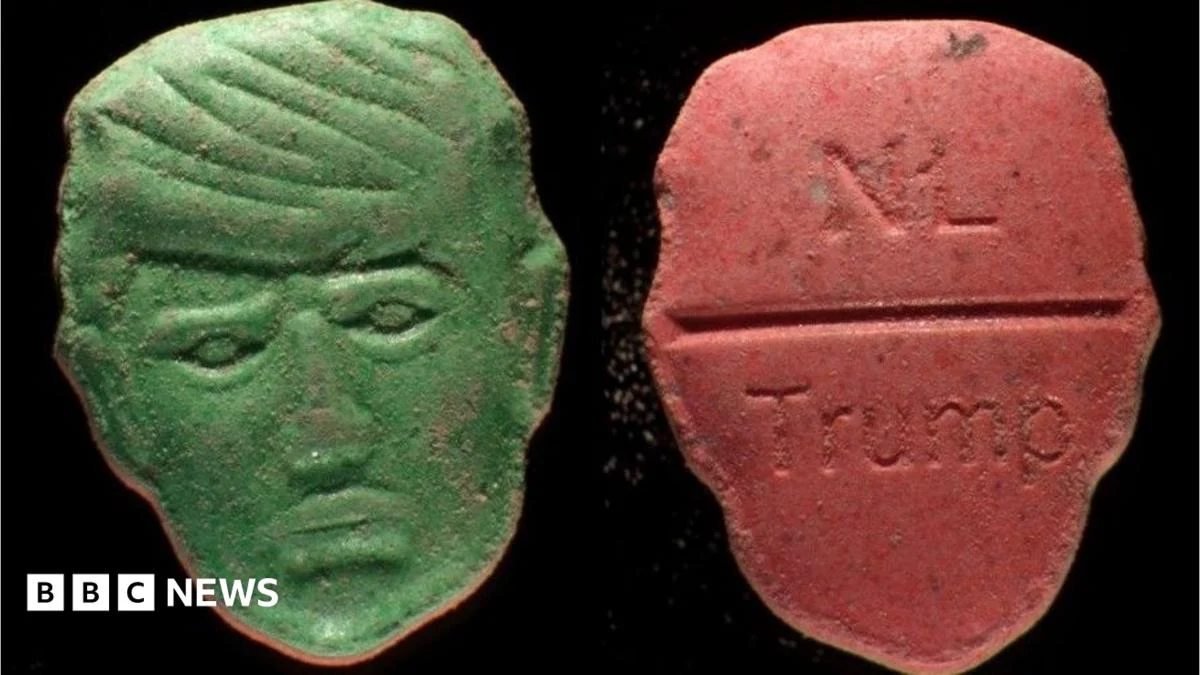
The Trimbos Institute, a prominent Dutch drug addiction and mental health organization, has sounded a grave "red alert" concerning a batch of potentially lethal ecstasy pills that bear a striking resemblance to former US President Donald Trump. The Utrecht-based institute revealed that several of these distinctive pills were submitted for analysis at drug testing centers throughout August. Subsequent laboratory examinations confirmed the presence of an alarmingly "very high" concentration of PMMA, a dangerous chemical analogue of MDMA, the primary psychoactive compound typically found in ecstasy.
In a stark and urgent warning, the Trimbos Institute emphatically stated, "Do not use this pill under any circumstance." The institute’s advisory highlighted the severe risks associated with PMMA, cautioning that its consumption could lead to "overheating with potentially fatal consequences." To underscore the severity of the threat, the institute released striking images of the pills. These illicit substances are easily identifiable, featuring a molded depiction of Donald Trump’s recognizable face on one side. The reverse of the pills is stamped with the word "Trump" alongside the abbreviation "NL," presumably indicating their Dutch origin or distribution.
PMMA, scientifically known as para-methoxymethamfetamine, is a synthetic stimulant that shares structural similarities with MDMA. However, its pharmacological profile presents significant dangers that distinguish it from its more commonly encountered counterpart. The Trimbos Institute’s expert analysis points out a critical difference in the onset and intensity of PMMA’s effects. "However, the effect occurs later, and the stimulating effect is often absent," the health institute advised. This delayed and often diminished stimulant response is a key factor that dramatically increases the risk of overdose. Users, unaware of the presence of PMMA, may perceive a lack of immediate effect and mistakenly believe the pill is less potent or even ineffective. This can lead them to consume additional pills in an attempt to achieve the desired euphoric sensation, thereby exponentially raising the dosage and the probability of a severe, life-threatening reaction.
The symptoms of PMMA intoxication can be insidious and devastating. Users are being warned that they could experience a cascade of severe adverse effects hours after ingesting the pills, long after they might have expected the drug’s effects to have subsided. These symptoms include, but are not limited to, intense nausea, a dangerously elevated heart rate (tachycardia), and potentially violent convulsions. In extreme cases, PMMA overdose can result in hyperthermia (dangerously high body temperature), serotonin syndrome, cardiovascular collapse, seizures, and ultimately, death. The delayed onset means that individuals may not even realize they have consumed a dangerous substance until their condition has deteriorated significantly, making timely medical intervention more challenging.
Anniek Groothuis, a spokesperson for the Trimbos Institute, provided further context in a statement to the Associated Press. She confirmed that, as of the institute’s latest update, there had been no officially reported cases of death or serious illness directly linked to these specific Trump-shaped PMMA pills among possible users in the Netherlands. However, she emphasized that the absence of reported incidents does not diminish the extreme danger posed by these substances. The institute’s proactive stance and early warning are crucial in preventing potential tragedies before they occur. The mere identification of such a high concentration of PMMA in pills distributed on the street is cause for significant concern and warrants immediate public awareness campaigns.
Despite the illegality of producing, selling, and using ecstasy in the Netherlands, the drug remains a pervasive issue within the country’s recreational drug scene. A comprehensive 2024 Dutch government report highlighted the persistent popularity of ecstasy as a "party drug." The report revealed a staggering statistic: in 2022 alone, a record-breaking 550,000 individuals admitted to having taken the drug at least once. This high prevalence underscores the ongoing challenge faced by public health authorities in mitigating the harms associated with illicit drug use. The government’s findings suggest a significant demand for recreational substances, creating a fertile ground for the proliferation of dangerous counterfeit drugs like the PMMA-laced Trump pills.
This is not the first instance where the likeness of Donald Trump has been co-opted for the illicit production of ecstasy pills. The use of recognizable figures and cultural icons in the design of recreational drugs is a well-established tactic employed by clandestine laboratories to enhance brand recognition, create novelty, and potentially appeal to specific demographics. In 2017, a notable incident occurred in Germany where law enforcement authorities confiscated approximately 5,000 carrot-colored ecstasy tablets. These pills were distinctively shaped to resemble the head of the former US President. German police at the time believed these tablets were being actively promoted on the internet, possibly under a provocative slogan such as "Trump makes partying great again," aiming to capitalize on the political figure’s notoriety and connect it with the party scene. This previous incident serves as a chilling precursor, demonstrating a pattern of exploiting political figures for the distribution of dangerous substances.
The psychological and social factors contributing to the continued popularity of party drugs like ecstasy are multifaceted. For many, these substances are associated with experiences of heightened social connection, euphoria, and disinhibition, often sought in the context of music festivals, clubs, and other celebratory environments. The allure of altered states of consciousness, coupled with peer influence and the perceived accessibility of these drugs, contributes to their sustained demand. However, the inherent risks, amplified by the unpredictable nature of illicit drug markets and the introduction of novel psychoactive substances like PMMA, far outweigh any perceived benefits.
The Trimbos Institute’s alert serves as a critical reminder of the dangers lurking within the unregulated drug supply. PMMA’s insidious nature, characterized by a delayed onset of effects and a higher propensity for causing dangerous hyperthermia and cardiovascular complications, makes it particularly hazardous. The delayed onset can lead users to underestimate the dosage they have consumed, leading to accidental overdoses. Furthermore, the absence of the characteristic empathogenic and stimulant effects often sought from MDMA can leave users disappointed and seeking more, compounding the risk. The hyperthermia associated with PMMA can rapidly escalate to dangerous levels, leading to organ damage, seizures, and potentially fatal outcomes.
Public health messaging surrounding drug safety must continuously adapt to the evolving landscape of illicit substances. Harm reduction strategies, such as the availability of drug checking services, where individuals can anonymously submit substances for analysis, play a vital role in identifying and warning the public about dangerous adulterants. The Trimbos Institute’s proactive testing and timely dissemination of information are exemplary examples of effective harm reduction in action. However, these measures are most effective when complemented by broader public education campaigns that highlight the risks of unknown substances, encourage responsible decision-making, and promote access to support services for those struggling with addiction.
The international dimension of the drug trade also presents a significant challenge. The clandestine laboratories that produce these pills operate across borders, making enforcement and interdiction efforts complex. The "NL" stamp on the pills suggests a connection to the Netherlands, but the origin of the PMMA itself and the manufacturing process could be far-reaching. International cooperation between law enforcement agencies and public health organizations is therefore essential to disrupt the supply chains and dismantle the networks responsible for producing and distributing these dangerous substances.
In conclusion, the red alert issued by the Trimbos Institute regarding the Trump-themed ecstasy pills containing high levels of PMMA is a critical public health warning. The institute’s diligent work in identifying this threat and disseminating crucial safety information is commendable. The risks associated with these pills – namely, delayed onset of effects, increased likelihood of overdose due to underestimation of potency, and severe physiological consequences including potentially fatal overheating – cannot be overstated. This incident serves as a stark reminder of the volatile and dangerous nature of the illicit drug market, where novelty and political branding can mask deadly chemical compositions. The public is urged to heed the institute’s warning and prioritize their safety by avoiding these specific pills and any other substances of unknown origin or composition. Continued vigilance, robust harm reduction strategies, and international collaboration are vital in combating the ever-present threat of dangerous synthetic drugs.
