
 By admin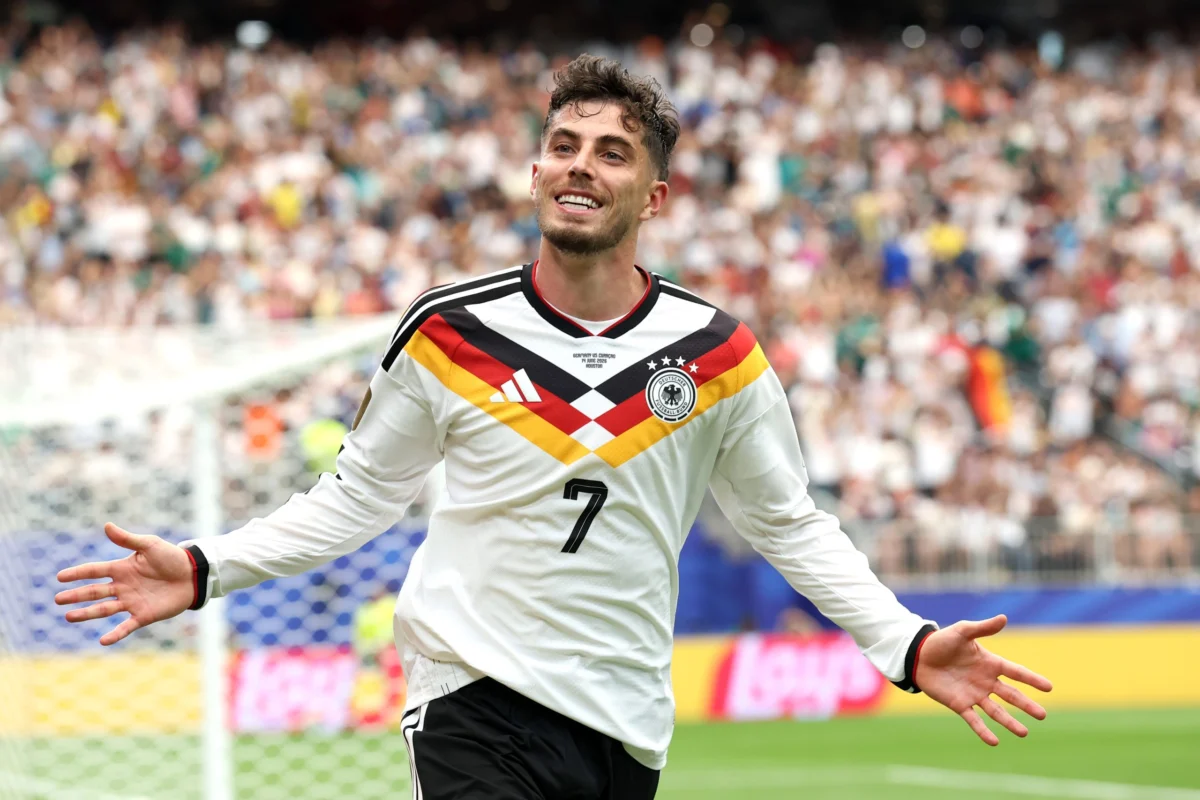
Germany’s hopes of lifting the World Cup trophy were once again dashed, as the four-time champions suffered an early exit in the round of 32, marking the third consecutive tournament where they have failed to reach at least the semifinals. While not outright favorites to win the entire competition, the perennial powerhouses always carry an expectation of a deep tournament run. Their campaign began with a resounding 7-1 victory over debutants Curaçao in their Group E opener, a performance that hinted at a return to their dominant form. This was followed by a hard-fought 2-1 win against the Ivory Coast, setting a positive tone. However, a crucial 2-1 defeat to Ecuador in their final group stage match proved to be a significant setback, placing them in a more challenging position for the knockout rounds. The subsequent round of 32 clash against Paraguay ended in a 1-1 draw, ultimately leading to a penalty shootout defeat that sent the German squad packing, extending their agonizing wait for World Cup glory. This early departure has inevitably sparked conversations about the future of Germany’s top players and what lies ahead for them after the 2026 World Cup.
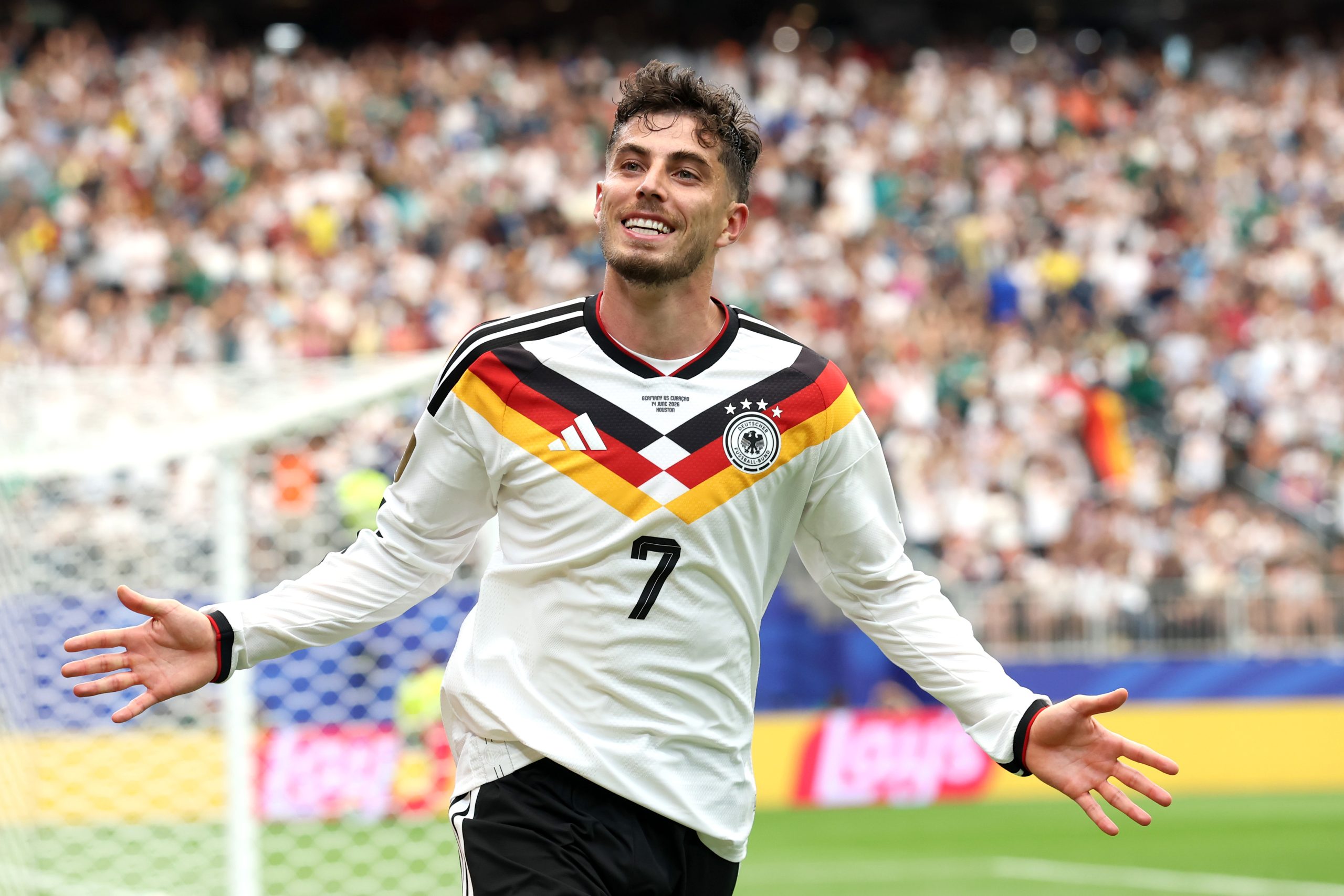
One of the key figures in Germany’s World Cup campaign was Kai Havertz, who finished the tournament with three goals, including a brace in the dominant 7-1 victory over Curaçao. Havertz also managed to score the crucial equalizer in the tense match against Paraguay, but his hopes of securing a spot in the next round were ultimately dashed when his penalty attempt was saved by Paraguayan goalkeeper Oscar Gill. Beyond the international stage, Havertz has been instrumental in Arsenal’s triumphant Premier League winning campaign, a season where he consistently demonstrated his attacking prowess. He also found the back of the net in the Champions League final, though it wasn’t enough to secure victory for his side against Paris Saint-Germain. Havertz is expected to be a central figure for the Gunners as they aim to defend their league crown in the upcoming season, a testament to his growing importance at the club level. His club performances have often showcased a player capable of decisive moments, a trait that fans will hope he can translate more consistently onto the international stage in future tournaments. The pressure on Havertz, as a prominent young talent in a historically successful footballing nation, is immense, and his ability to shoulder that burden will be crucial for his continued development and Germany’s future prospects.
Another player whose World Cup journey ended prematurely is Florian Wirtz, the talented attacking midfielder who has experienced a somewhat rocky period in his recent club career. His first season at Liverpool, a club with famously lofty expectations, ultimately fell short of the anticipated impact. Wirtz managed to score just five goals in Premier League action, a tally that raised questions about his optimal playing position and his overall integration into the team’s system. Despite his individual scoring struggles at the club level, Wirtz showcased glimpses of his creative brilliance on the international stage, registering three assists during the World Cup. However, he was unable to find the back of the net himself, a statistic that will undoubtedly weigh on his mind. Wirtz is now set to return to Liverpool under the guidance of new manager Andoni Iraola. The club will be hoping that a fresh managerial approach and a renewed focus can help Wirtz recapture his best form, not only for Liverpool but also to rekindle his impact for the German national team. The transition to a new manager and a potentially revised tactical setup could provide Wirtz with the opportunity to rediscover his scoring touch and re-establish himself as a dominant force in both club and international football. His potential is undeniable, and the coming seasons will be critical in determining whether he can consistently deliver on that promise.

Deniz Undav emerged as a shining light for Germany at the tournament, despite being utilized primarily as a substitute for the majority of their matches. His impactful performances saw him finish as Germany’s best player, contributing an impressive three goals and two assists. Notably, Undav bagged a brace in the decisive win over the Ivory Coast, showcasing his predatory instincts in front of goal. At 30 years old, Undav is a seasoned veteran who has enjoyed a well-traveled career. He is set to return to Stuttgart in the Bundesliga, where he has firmly established himself as one of the team’s most consistent and reliable goalscorers. His experience and proven track record in a competitive league will be invaluable to Stuttgart as they look to build on their recent successes. Undav’s ability to consistently find the back of the net, even when coming off the bench, highlights his intelligence, positioning, and clinical finishing. His performances at the World Cup suggest that he is capable of making a significant impact at the highest level, and his continued success at Stuttgart will be closely watched by national team selectors.
A true legend of the game, Manuel Neuer, also featured in Germany’s World Cup squad, etching his name further into the record books. Neuer became the oldest German player to ever feature at a major international tournament, surpassing the previous record held by Lothar Matthäus. At 40 years and 79 days old, Neuer’s longevity and continued presence at the elite level are remarkable achievements. He stands as the sole remaining player from Germany’s triumphant 2014 World Cup-winning squad, a testament to his enduring quality and dedication. With four World Cup editions under his belt and holding the record for the most World Cup games played by a goalkeeper, Neuer’s legacy as one of the greatest to ever grace the position is firmly cemented. Following the conclusion of this summer’s tournament, Neuer announced his retirement from international duty, marking his second such decision after initially stating his intention to step away after the 2024 European Championship. While his international career has now drawn to a close, Neuer continues to be a pivotal figure for Bayern Munich. At the club level, he has amassed an astonishing collection of accolades, including 13 Bundesliga titles and two Champions League titles, further underscoring his status as a serial winner and an all-time great. His retirement from the international scene marks the end of an era for German football, but his influence and the memories of his iconic performances will undoubtedly endure. The void left by his departure will be challenging to fill, and the search for a successor who can command the same respect and inspire the same confidence will be a significant task for the German Football Association.

The early exit from the World Cup has undoubtedly left a bitter taste for German football fans and players alike. The early exit in the round of 32, extending a streak of not reaching the semifinals to three tournaments, highlights a growing concern for a nation accustomed to deep runs in major competitions. While the initial group stage results offered some promise, the subsequent stumbles in the knockout phase exposed vulnerabilities that will need to be addressed. The focus now shifts to the future, with the 2026 World Cup on the horizon. The performances and development of key players like Kai Havertz, Florian Wirtz, and Deniz Undav will be crucial in shaping Germany’s fortunes in the years to come. The experience gained, both positive and negative, from this tournament will serve as a valuable learning curve. Havertz, with his proven ability to perform under pressure for Arsenal, will be expected to carry a greater leadership role. Wirtz, under new management at Liverpool, has the opportunity to redefine his club career and, in turn, reignite his international impact. Undav’s consistent goal-scoring form at Stuttgart provides a reliable option that can be further integrated into the national team setup. And while Manuel Neuer’s international chapter has closed, his influence as a mentor and his legendary status will continue to inspire future generations of German goalkeepers. The path to redemption for Germany will involve a blend of nurturing existing talent, identifying new emerging stars, and learning from the lessons of past disappointments. The rebuilding process begins now, with the ultimate goal of restoring Germany to its rightful place among the elite contenders for global football supremacy. The upcoming years will be a fascinating period to observe how these individual journeys intertwine and contribute to the collective ambition of the German national team. The weight of expectation remains, but so too does the immense potential within the German footballing landscape.
