
 By Lina Irawan
As global markets braced for another volatile day, headlines were dominated by a controversial U.S. oil pact with Venezuela, the deepening military standoff between the U.S. and Iran, and a widespread bond market sell-off triggering investor panic. These intertwined geopolitical and economic pressures paint a picture of a world grappling with resource security, military brinkmanship, and profound financial instability. For those seeking to stay ahead of these critical developments, direct access to expert analysis is paramount. If this essential intelligence was forwarded to you, consider signing up here to receive it directly every morning before New York markets open.
The Venezuelan Oil Pact: A Return to Colonialism or a Strategic Play?
President Trump’s audacious plan for the U.S. to secure majority control of Venezuela’s vast oilfields has ignited a firestorm of criticism, with energy and geopolitical analysts decrying it as a stark return to a century-old era of colonial resource extraction and opaque, backroom dealmaking. Jordan Blum, reporting for Fortune, highlighted the deep concerns among experts who see the agreement as reminiscent of the early 20th century, when powerful Western nations carved up global resources with little regard for national sovereignty.
"If the U.S. scheme in Venezuela sounds colonial, that’s because it is," stated Gregory Brew, a senior analyst with the Eurasia Group, in an interview with Fortune. Brew elaborated, asserting that "This is the Trump administration trying to increase U.S. revenue from Venezuelan oil production. It’s extremely unusual. It’s probably unprecedented in the history of the international oil industry." The historical context here is crucial: the early 1900s saw a scramble for oil concessions in developing nations, often involving Western companies gaining immense control over host countries’ most valuable assets, frequently through alliances with powerful local elites or through direct intervention. This new deal, critics argue, mirrors that playbook by seeking to establish U.S. governmental control over a significant portion of Venezuela’s proven reserves.
Under the terms of this highly contentious agreement, the United States is poised to control an astonishing 55% stake in North American Blue Energy Partners (NABEP), a private Venezuelan oil producer. This acquisition effectively grants the U.S. Department of Defense direct ownership over more than 65 billion barrels of Venezuela’s proven oil reserves—a staggering figure that represents a substantial portion of the world’s total. NABEP itself is controlled by the influential Venezuelan businessman Alejandro Betancourt López and his family, a figure who has conspicuously cultivated close relationships with both the Trump administration and the current Rodríguez administration in Venezuela.
This convergence of interests has fueled accusations of cronyism. "From a certain angle, this looks like an insider deal to profit businessmen who are close to Delcy and who are also close to Trump and his inner circle," Brew suggested. Delcy Rodríguez, the Vice President of Venezuela, is a key figure in the country’s government and a close confidante of President Nicolás Maduro. The implication is that this arrangement may primarily benefit a select group of politically connected individuals and entities rather than serving the broader economic interests of the Venezuelan populace or even transparent U.S. strategic objectives. Such a deal raises significant questions about international law, sovereignty, and the long-term stability of U.S.-Latin American relations, potentially setting a dangerous precedent for resource diplomacy.
The War in the Strait: Iran’s Peace Offer Ignored as Trump Vows "Hard Hits"
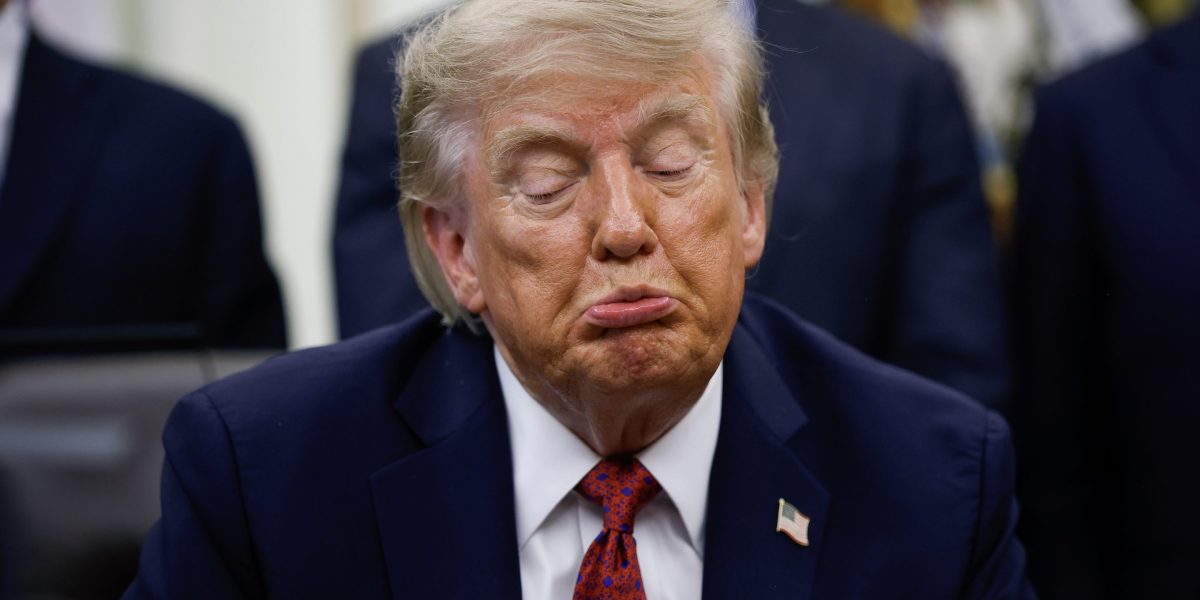
The simmering conflict between the United States and Iran has descended into a "surreal new phase," as Iran publicly offered to accept a deal previously put forth by the White House, only to be met with President Trump’s insistence on a more confrontational approach. This diplomatic deadlock unfolds against a backdrop of escalating military skirmishes in the strategically vital Strait of Hormuz.
Iranian President Masoud Pezeshkian explicitly stated Iran’s readiness to reciprocate if the U.S. honored its commitments under a "memorandum of understanding" (MOU) initially proposed by the White House in June. This offer, reported by Al Jazeera, echoed a similar overture made by Tehran on August 26. The MOU, which technically expired on August 17, was a comprehensive proposal aiming to de-escalate tensions. As detailed by the BBC, its terms included an immediate cessation of all hostilities, an end to crippling U.S. sanctions, and a substantial $300 billion in reparations to Iran. Crucially, it also stipulated that Iran would "not procure or develop nuclear weapons" while simultaneously allowing for "enrichment and other mutually agreed matters related to the Islamic Republic of Iran’s nuclear needs"—a point of contention that had previously complicated negotiations over Iran’s nuclear program.
Despite Iran’s repeated willingness to engage, President Trump appears to have little appetite for diplomacy. Axios reported that Trump is contemplating a new series of "relatively limited strikes" designed to further degrade Iran’s capacity to disrupt shipping in the Strait of Hormuz. A source close to the administration told Axios, "The President retains all options at his disposal. The Iranians want to make a deal, but they are always a day late and a dollar short." This hardline stance was reinforced by Trump’s comments on Fox News, where he declared, "We are going to hit them hard," in response to recent Iranian strikes on U.S. sites in the Gulf, which themselves were retaliatory for earlier U.S. actions against Iranian missile launchers near the Strait.
The Strait of Hormuz, through which approximately one-fifth of the world’s oil supply normally passes, remains a dangerous flashpoint. Bloomberg confirmed that two supertankers were hit by "unknown projectiles" in the past 24 hours, highlighting the ongoing, undeclared naval warfare. While the U.S. has made progress in conventional terms in "removing Iran’s ability to damage ships," as reported by The Wall Street Journal, Tehran has unveiled a new, confounding tactic: the ability to launch sea mines from rockets. This innovation presents a significant challenge to the U.S. blockade efforts, making it harder to predict and counter Iranian naval aggression and raising the stakes for global shipping and oil prices.
Global Bond Market Revolt Triggers Worldwide Stock Sell-Off
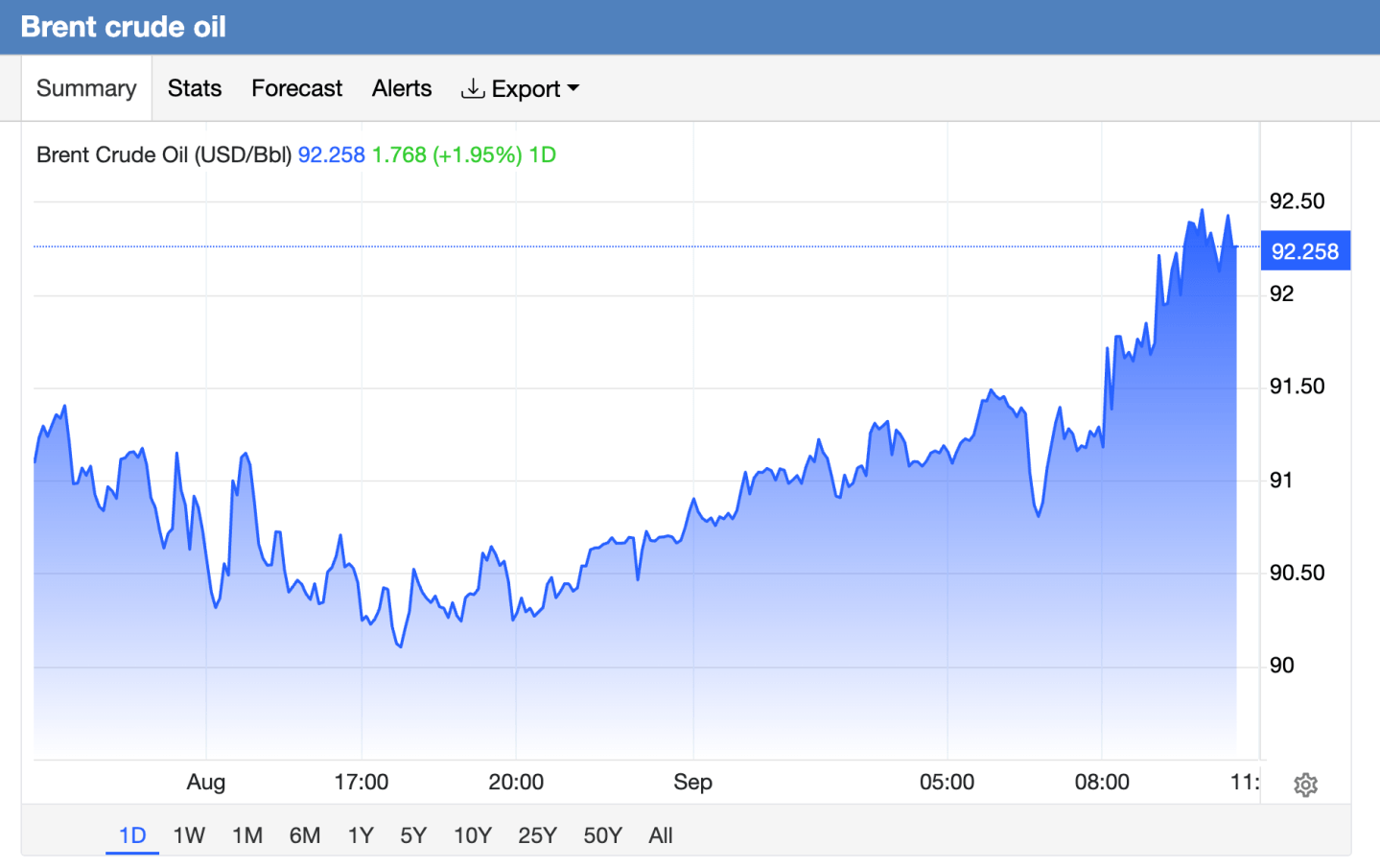
Financial markets worldwide were gripped by panic this morning as a global bond sell-off deepened, spurred by a surge in Brent crude oil prices and mounting investor frustration over escalating government debt levels. This confluence of factors led to a significant retreat from equities across Europe, Asia, and the United States.
The price of Brent crude, a key international oil benchmark, climbed to $92 per barrel, immediately stoking fears of renewed inflationary pressures globally. However, the more profound tremor originated in the bond markets, where investors signaled their alarm by aggressively selling off government debt. As bond prices decline, their yields—the return investors demand for holding them—rise. This morning, the U.S. 30-year Treasury bond yield surged to 5.278% and appeared poised to breach the 5.3% threshold. This level is particularly significant, as it was precisely this yield mark that compelled Treasury Secretary Scott Bessent to deploy a bond buyback scheme just a week prior, an intervention designed to stabilize prices and prevent yields from spiraling higher. The effectiveness and sustainability of such measures are now under intense scrutiny.
The contagion spread rapidly beyond U.S. shores. In the United Kingdom, the 30-year gilt yield soared to an alarming 5.8906%, a level not witnessed since 1998, reflecting deep concerns over the UK’s fiscal health and inflationary outlook. Japan, a nation long accustomed to ultra-low interest rates, also saw its 10-year bond hit 2.992%, its highest point since 1996. This upward movement in Japanese yields is particularly telling, as it could signal a significant shift in the Bank of Japan’s long-standing accommodative monetary policy, with far-reaching implications for global capital flows.
The simultaneous rise in oil prices—exacerbated by the ongoing U.S.-Iran conflict and the effective disruption of the Strait of Hormuz—and the dramatic repricing of government debt created a perfect storm for equity markets. U.S. futures were sharply down following significant losses in European and Asian markets, indicating a broad-based flight from risk assets. Investors are increasingly wary of the potential for central banks to be forced into more aggressive tightening measures to combat inflation, even as economic growth forecasts remain uncertain amid global instability.
The 60:40 Strategy: More Obsolete Than Ever
The venerable 60:40 stocks-to-bonds investment strategy, long a cornerstone of diversified portfolios, has been declared "even more useless than previously thought" by leading analysts. For years, financial commentators have highlighted the diminishing returns and increased correlation between equities and fixed income, rendering the traditional 60% stocks and 40% bonds allocation less effective for risk mitigation and growth. However, new research underscores just how precarious this conventional wisdom has become, particularly in an environment plagued by persistent inflation.
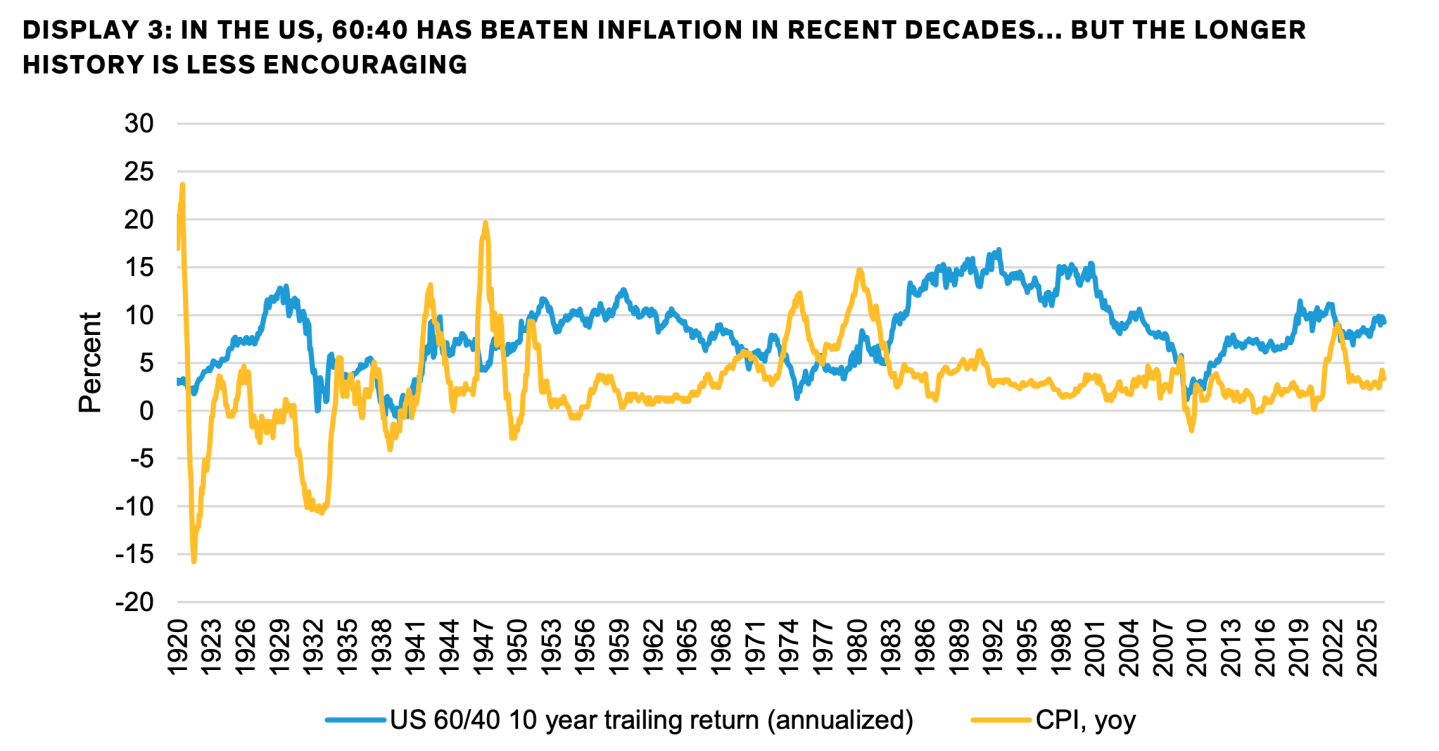
Inigo Fraser Jenkins, a senior analyst with AllianceBernstein, delivered a stinging indictment of the 60:40 model during a recent discussion on constructing a portfolio robust enough to endure a century of market cycles. His findings suggest that not only has the strategy underperformed in recent decades, but its ability to hedge against inflation, a primary historical benefit, is now highly questionable. "This strategy has beaten inflation in recent decades, but the longer history is less encouraging," Fraser Jenkins noted in a recent client brief. "Once the horizon is long enough, it is essentially a coin flip if a 60:40 outperforms inflation or not."
Fraser Jenkins specifically pointed to historical periods like the 1940s and 1970s, when runaway inflation "wiped out years of returns" for investors adhering to the 60:40 model. During these inflationary eras, both stocks and bonds often suffered simultaneously. Stocks struggled due to higher interest rates impacting corporate earnings and discount rates, while bonds, offering fixed returns, saw their real value eroded by rising prices. The current global economic landscape, characterized by elevated oil prices, supply chain disruptions, and significant government spending, is raising similar inflationary specters, making the traditional 60:40 approach particularly vulnerable. Investors are now actively seeking alternative strategies, including allocations to commodities, real assets, and more dynamic, actively managed portfolios, to navigate what appears to be a new paradigm of market uncertainty and inflation risk.
The Dole: Fed Chair Warsh’s Focus on Unemployment Claims Signals Economic Strength
At the prestigious Jackson Hole Economic Symposium last Friday, Federal Reserve Chair Kevin Warsh offered a critical insight into the state of the U.S. labor market, specifically highlighting unemployment claims as a key indicator. His speech, delivered at the annual gathering of central bankers and economists, is always closely scrutinized for clues regarding monetary policy direction and economic outlook.
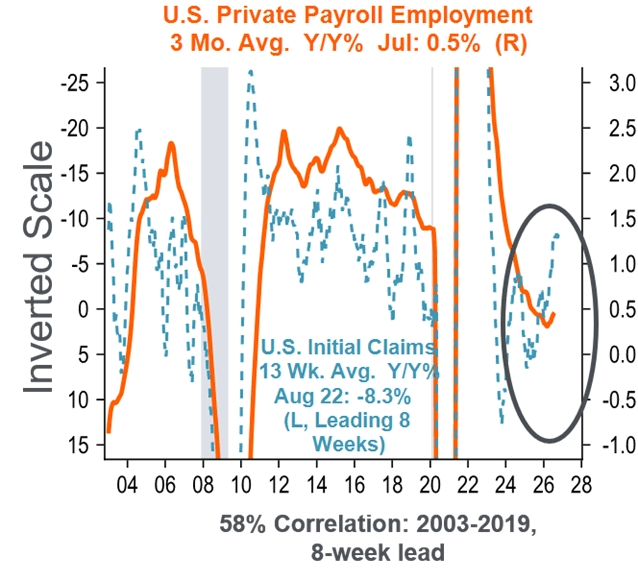
Warsh underscored the remarkable stability of the labor market, stating, "Labor markets are quite stable. The jobless rate, at 4.1 percent, remains low by historical standards and has not changed much for a couple of years. Unemployment claims, on a four-week average—an empirically robust real-time indicator—are near their lowest level in decades." His emphasis on unemployment claims, explicitly calling them "an empirically robust real-time indicator," resonated strongly with economists like Nancy Lazar, chief global economist at Piper Sandler.
Lazar, whose firm has long advocated for the predictive power of unemployment claims, lauded Warsh’s recognition. "We’ve been pounding the table on this for years, saying claims (a hard count that’s rarely meaningfully revised) are a great (and very timely) labor indicator," Lazar communicated to clients in a note seen by Fortune. Unlike other labor market metrics that are subject to significant revisions, unemployment claims provide a firm, real-time count of individuals filing for jobless benefits, offering an unvarnished view of labor market health. Lazar’s analysis further suggests a direct correlation: the 13-week moving average of unemployment claims has historically predicted the private payrolls number a full eight weeks in advance. Based on current trends, she told clients, "Today, they suggest private employment growth will accelerate toward 1% y/y as we move into 4Q — another tailwind for 2027 growth." This positive outlook on employment could provide some economic ballast amidst the swirling geopolitical and market turbulences.
Quote of the Day
"In this world nothing is certain, except death, taxes, and quantitative easing." – Michael Hartnett, chief investment strategist, Bank of America Global Research.
Hartnett’s sardonic quote encapsulates a prevailing sentiment among market observers about the pervasive role of central bank intervention in modern economies. Quantitative easing (QE) refers to large-scale asset purchase programs undertaken by central banks to inject liquidity into the financial system, lower long-term interest rates, and stimulate economic activity, particularly during crises. Since the 2008 financial crisis, and again during the COVID-19 pandemic, QE has become a routine, almost inevitable, tool in the monetary policy arsenal, leading many to view its eventual return as a certainty, alongside life’s more traditional inevitabilities.
Chart of the Day: Quantum Computing’s Slow March to Cryptographic Decryption
While the specter of quantum computers breaking current encryption standards often fuels anxieties among cybersecurity experts, a new analysis suggests that such a threat remains decades away. According to ARK Invest, the earliest year in which quantum computing will possess the capability to unlock standard encryption is a distant 2044.
"Quantum computing’s performance improvement curve has been slow," states Cathie Wood’s team at ARK Invest, a firm renowned for its focus on disruptive technologies. "Despite spending billions in research and development, Google doubled qubits only once in more than four years. Even if its performance and costs were to improve markedly, achieving Moore’s Law’s pace, quantum computing would not be useful for cryptographic decryption until the 2040s." This assessment provides a reassuring buffer for existing cryptographic systems. Quantum computers, leveraging principles of quantum mechanics, theoretically possess the power to solve certain computational problems exponentially faster than classical computers, including factoring large numbers which underpins much of modern encryption (e.g., RSA). Algorithms like Shor’s algorithm are designed for this very purpose. However, the immense engineering challenges associated with building stable, error-corrected quantum computers with a sufficient number of qubits mean that practical applications for breaking robust encryption remain a long-term goal, not an immediate threat. The slow pace of qubit scaling, as highlighted by Google’s progress, indicates that the "quantum supremacy" required for cryptographic attacks is still a distant milestone, allowing time for the development and implementation of post-quantum cryptographic solutions.
The Front Pages Today
- Global bond sell-off deepens amid inflation fears – FT
- Bessent reportedly tells Russia no economic relief until Ukraine war ends as Europe snubs Moscow at G20 – CNBC
- Supreme Court allows Trump’s ballroom construction to proceed – Axios
- Anthropic signs $35 billion cloud deal backed by Nvidia – WSJ
- Apple’s 2,275% gain under Tim Cook is a tough act for John Ternus to follow – Bloomberg
- F.T.C. and 22 states claim in lawsuit that Amazon secretly inflated ad prices – NYT
One More Thing: The Sardine Index – Climate Change and War Drive Up Tinned Fish Prices
The humble sardine, a staple of tinned fish markets globally, is becoming an unlikely bellwether for the intertwined impacts of climate change and geopolitical conflict. The global tinned fish market, valued at approximately $10.24 billion in 2024 and projected to reach a significant $17.97 billion by 2034, is now facing a severe supply crisis, threatening both its growth trajectory and consumer affordability.
Fortune’s Catherina Gioino reports on a "double whammy" impacting sardine supplies. Morocco, the world’s leading sardine supplier, has witnessed a precipitous nearly 46% fall in its fish landings between 2022 and 2024. This dramatic decline is primarily attributable to the increasing sensitivity of sardines to ocean temperatures. As global warming leads to warmer waters, these temperature-sensitive fish are migrating to new territories, often further offshore and into deeper, cooler waters, making them increasingly difficult and expensive for fishermen to locate and catch.
Compounding this environmental challenge is the ongoing war in Iran and the subsequent disruption of the Strait of Hormuz. With one-fifth of the world’s oil supply typically transiting this critical choke point, the conflict has led to a sharp increase in global fuel costs. Fishermen, already needing to venture farther to find the displaced sardine populations, are now facing significantly higher operational expenses for their longer voyages. The result is a crippling economic squeeze: greater costs for a yield that is almost halved. This "sardine index"—an informal but potent indicator of global pressures—illustrates how environmental degradation and geopolitical instability are directly impacting everyday consumer goods, pushing up prices and threatening the livelihoods of communities reliant on fishing industries, while ultimately making that can of sardines a more expensive delicacy.
