
 By admin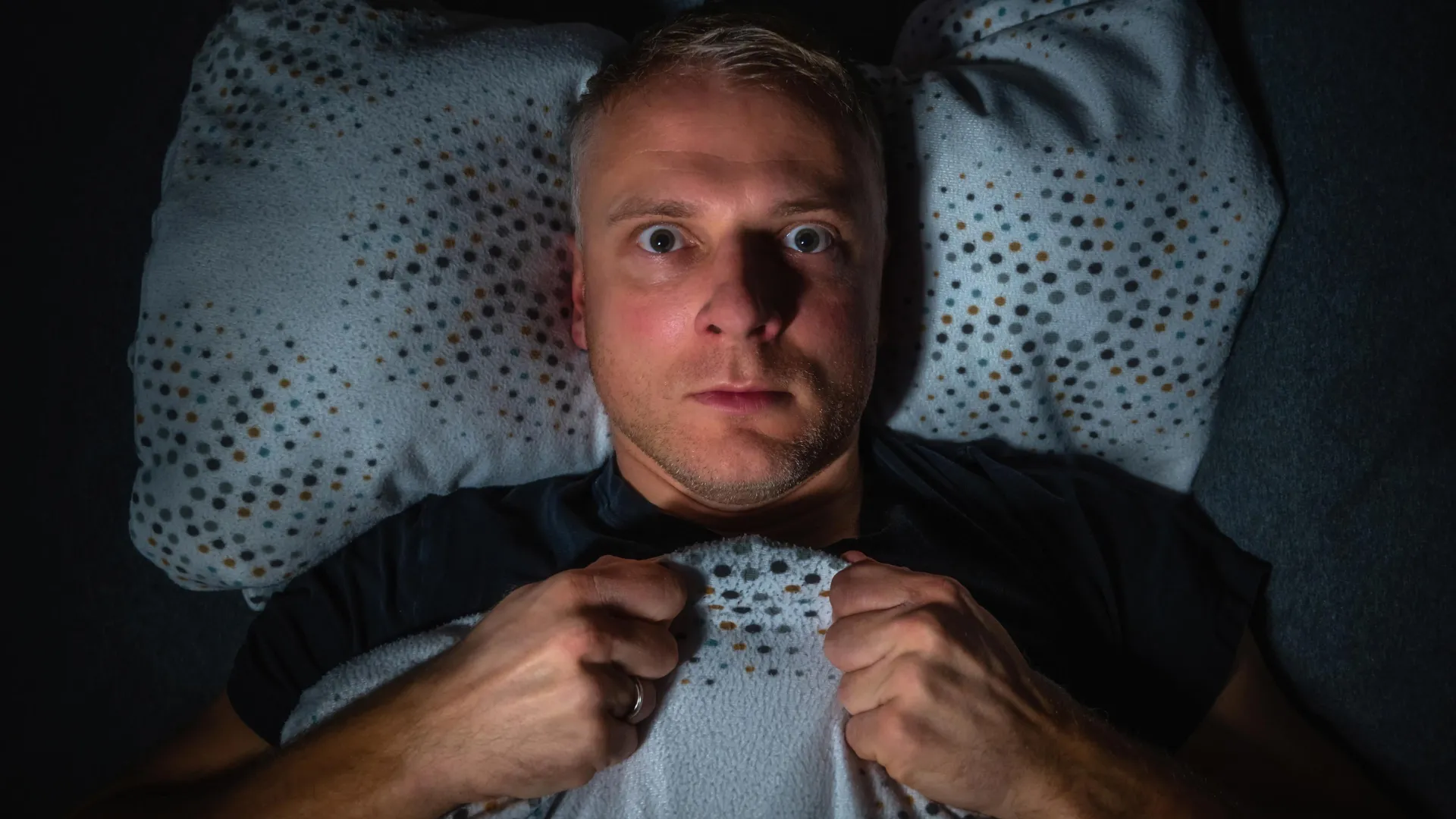
Nightmares are one of the most profoundly distressing and debilitating symptoms of post-traumatic stress disorder (PTSD), a severe mental health condition that can develop after an individual experiences or witnesses a traumatic event. Such events can range from natural disasters, serious accidents, acts of violence, or combat exposure to other forms of severe psychological trauma. For those afflicted, sleep, which should be a restorative process, often becomes a terrifying ordeal. During these nocturnal episodes, individuals with PTSD may feel as though they are vividly and horrifyingly reliving the traumatic event, complete with sensory details and intense emotional distress. These repeated, involuntary re-experiences can lead to severe sleep deprivation, profound anxiety surrounding bedtime, and a pervasive fear of falling asleep, further exacerbating the cycle of trauma and distress. The relentless nature of these nightmares not only erodes an individual’s quality of life but also impedes their ability to function during waking hours, contributing to other PTSD symptoms like hypervigilance, emotional numbing, and social withdrawal.
Despite the pervasive impact of trauma-related nightmares, available medications often provide only limited or inconsistent relief. This significant treatment gap prompted researchers at Charité – Universitätsmedizin Berlin, one of Europe’s largest university hospitals, to explore novel therapeutic avenues. Their focus turned to a prescription drug containing tetrahydrocannabinol (THC), one of the primary active compounds found in the cannabis plant. The findings of their rigorous investigation, recently published in the esteemed journal Nature Medicine, offer a beacon of hope: more than half of the study participants responded positively to the THC treatment, with an impressive more than one-third reporting that their nightmares disappeared completely. This groundbreaking study highlights a potential paradigm shift in managing one of PTSD’s most intractable symptoms.
The Intricate Challenge of Treating PTSD Nightmares
The insidious effects of a terrifying or life-threatening experience frequently linger long after the immediate danger has passed, embedding themselves deeply within an individual’s psyche and neurological architecture. In post-traumatic stress disorder, the brain struggles to process and integrate overwhelming events into coherent memory. Instead, these traumatic memories may be stored in a fragmented, emotionally charged manner, making them prone to returning involuntarily and without conscious control. This dysregulation can manifest both during waking hours as intrusive thoughts or flashbacks and, perhaps most agonizingly, during sleep as recurrent nightmares. While sleeping, individuals with PTSD are often catapulted back into the heart of their trauma, reliving the horrific event with vivid intensity until they awaken in a state of panic, terror, and physiological arousal.
The current pharmacological landscape for PTSD nightmares is notably sparse and often ineffective. Traditional treatments for PTSD, such as selective serotonin reuptake inhibitors (SSRIs) and serotonin-norepinephrine reuptake inhibitors (SNRIs) – commonly prescribed antidepressants – aim to manage broader symptoms like depression, anxiety, and hyperarousal. While these can be beneficial for some aspects of PTSD, their efficacy in directly addressing and alleviating trauma-related nightmares is often limited. Similarly, medications that lower blood pressure, such as prazosin (an alpha-1 adrenergic receptor antagonist), are sometimes used off-label to reduce hyperarousal and thereby lessen the intensity and frequency of nightmares. Prazosin works by blocking the effects of norepinephrine in the brain, which can reduce the "fight or flight" response triggered by traumatic memories. However, its effectiveness varies widely among individuals, and it often comes with side effects like dizziness and hypotension. Crucially, these existing treatments frequently fail to provide comprehensive relief from the nightmares themselves, leaving many patients desperate for more targeted solutions. In Germany, prior to this research, no medication had been specifically approved for the treatment of trauma-related nightmares, underscoring the urgency and significance of the Charité study.
Professor Stefan Röpke, a leading expert in trauma-related disorders at the Department of Psychiatry and Neurosciences on the Benjamin Franklin Campus of Charité, recognized this critical unmet need. While exploring possible new treatments that could offer more targeted and effective relief, he and his dedicated team, in collaboration with additional research partners, turned their attention to tetrahydrocannabinol, or THC. THC is widely recognized as the primary psychoactive compound in cannabis, responsible for many of the plant’s characteristic effects.
Understanding THC’s Mechanism: The Endocannabinoid System Connection
The rationale behind investigating THC lies in its intricate interaction with the body’s endocannabinoid system (ECS). The ECS is a complex cell-signaling system identified in the early 1990s, playing a crucial role in regulating a vast array of physiological processes, including sleep, appetite, pain sensation, mood, stress response, and, critically, the way emotional memories are processed and extinguished. It consists of endocannabinoids (naturally produced cannabis-like molecules in the body, such as anandamide and 2-arachidonoylglycerol, or 2-AG), cannabinoid receptors (CB1 and CB2, found throughout the brain and body), and enzymes that synthesize and break down endocannabinoids.
THC, as a phytocannabinoid (plant-derived cannabinoid), mimics the action of the body’s natural endocannabinoids, primarily by binding to and activating CB1 receptors. These CB1 receptors are particularly abundant in brain regions vital for memory, emotion, and stress regulation, including the amygdala, hippocampus, and prefrontal cortex. Professor Stefan Röpke elucidated the theoretical underpinnings of THC’s potential therapeutic effect: "There is evidence suggesting that during REM sleep – the intense dream phases in which the brain processes experiences and regulates emotions – THC reduces dream activity and thereby alleviates nocturnal stress responses." This hypothesis posits that by modulating the ECS, THC might alter the very architecture of REM sleep, potentially reducing the vividness, emotional intensity, or frequency of distressing dreams. Some research suggests THC can shorten REM sleep latency and suppress REM sleep duration, which could be particularly beneficial for individuals whose REM sleep is hijacked by traumatic re-experiencing. By dampening this hyperactive emotional processing during sleep, THC could offer a mechanism to break the cycle of fear and re-traumatization that characterizes PTSD nightmares.
The Charité Trial: Testing Dronabinol for PTSD Nightmares
The journey towards medical acceptance of cannabis-based medicines has been gradual but significant. In Germany, access to these therapies became considerably easier after the landmark "Cannabis for medical purposes" law went into effect in 2017. This progressive legislation expanded the medical and scientific use of cannabinoids, whether derived directly from plants or produced synthetically, allowing physicians to prescribe cannabis-based medications for a range of serious conditions when other standard therapies proved insufficient or caused intolerable side effects. This legislative shift created a more conducive environment for rigorous research into cannabinoid therapeutics, such as the Charité study.
For their pivotal investigation, the researchers utilized Dronabinol, a precisely formulated prescription medication. Dronabinol contains pure THC obtained directly from the cannabis plant, administered in a standardized liquid form as drops. The primary objective of the study was to determine whether this specific pharmaceutical-grade THC preparation could safely and effectively reduce the debilitating nightmares directly linked to PTSD.
The study recruited a substantial cohort of more than 170 individuals diagnosed with post-traumatic stress disorder who were experiencing frequent, severe, and clinically significant nightmares. To ensure the highest scientific rigor, the trial was designed as a double-blind, placebo-controlled study, considered the gold standard in medical research. For a period of ten weeks, participants were randomly assigned to one of two groups: either receiving Dronabinol or a cannabis-flavored placebo that was visually and sensorily identical to the active medication. Participants were instructed to take their assigned drops each evening before going to bed. The double-blind nature of the study meant that neither the participants themselves nor the healthcare professionals administering the treatment or collecting data knew who was receiving the active medication and who was receiving the placebo. This critical design element minimizes bias and ensures that any observed effects can be confidently attributed to the treatment itself rather than to expectation or suggestion.
Dronabinol’s Impact: Significant Reduction in Nightmare Burden
At the conclusion of the ten-week treatment period, the results were strikingly clear and highly encouraging. The severity of nightmares had fallen significantly more in the Dronabinol group compared to the placebo group. The researchers used a standardized scale, ranging from zero to eight, to quantify the average nightmare burden. Among participants taking Dronabinol, the average nightmare burden plummeted by 3.7 points. In contrast, the placebo group experienced a more modest average decrease of 2.2 points. For the individuals affected by these tormenting nocturnal experiences, this difference of 1.5 points represented a profound and "clearly noticeable" improvement in their daily lives and overall well-being. This wasn’t merely a statistically significant difference but one with undeniable clinical relevance, translating into tangible relief for patients.
Professor Röpke underscored the magnitude of these findings, stating, "More than a third of the patients treated with Dronabinol reported that they no longer experienced any nightmares after ten weeks. Another 21 percent reported that their nightmare burden had been at least halved." He further added, "And about five out of six patients in the dronabinol group felt their health had markedly improved." These statistics paint a powerful picture of transformation: for a substantial portion of the Dronabinol group, the constant terror of sleep was either eliminated or dramatically reduced, offering a level of peace and rest previously unattainable. This outcome is particularly remarkable given the recalcitrant nature of PTSD nightmares to conventional therapies. While Prazosin, another off-label treatment, has shown some efficacy, the complete remission rates observed with Dronabinol in this study appear particularly promising, suggesting it could be a superior or highly effective alternative for many patients.
Safety Profile and Future Considerations
Crucially, the study also provided important insights into the safety and tolerability of Dronabinol for this patient population. The cannabinoid appeared to act specifically on nightmares and sleep architecture, rather than broadly affecting every aspect of PTSD. While the researchers could not conclusively demonstrate that Dronabinol reduced the overall severity of post-traumatic stress disorder or any accompanying depressive symptoms, its targeted action on nightmares is a significant finding in itself. By interrupting the repeated nighttime reliving of trauma, the treatment allowed a substantial majority of participants to sleep more peacefully, which in turn can indirectly improve daytime functioning and overall mental health.
Importantly, no severe side effects were reported during the ten-week trial. Mild and moderate side effects, which are commonly associated with THC, such as dizziness, headaches, and increased appetite, did occur more frequently among those receiving Dronabinol than in the placebo group. These side effects are generally manageable and often diminish with continued use or dose adjustments. A particularly reassuring finding was the absence of withdrawal symptoms after participants ceased taking their evening doses at the end of the study period. This suggests a relatively low risk of physical dependence with the prescribed dosage and duration of use, a critical consideration for any long-term medication, especially one with psychoactive properties.
While the results are highly encouraging, the researchers acknowledge that further investigation is necessary. Future studies will be essential to examine whether the Dronabinol treatment remains safe and effective when used for longer periods, extending beyond the ten weeks of this initial trial. Additionally, researchers want to determine whether patients may gradually develop tolerance to the drug over time, which could necessitate dose adjustments or treatment breaks. These longer-term studies will be crucial for establishing Dronabinol’s role as a sustained therapeutic option for chronic PTSD nightmares. The successful completion of larger, multi-center trials would also be a necessary step toward gaining specific regulatory approval for Dronabinol as a targeted treatment for trauma-related nightmares in Germany and potentially globally.
The Charité-led research, which involved scientists from the Psychiatric University Clinic of the Charité at St. Hedwig Hospital, the University Medical Center Hamburg-Eppendorf, and the Central Institute for Mental Health in Mannheim, was supported by the company Bionorica SE. This collaborative effort has not only opened a new door for individuals suffering from the relentless torment of PTSD nightmares but also contributes significantly to the growing body of evidence supporting the targeted medical use of cannabis-derived compounds for complex neurological and psychiatric conditions. The findings represent a substantial step forward in addressing a profound unmet medical need, offering hope for improved sleep, reduced suffering, and a better quality of life for those impacted by trauma.
