
 By Rifan Muazin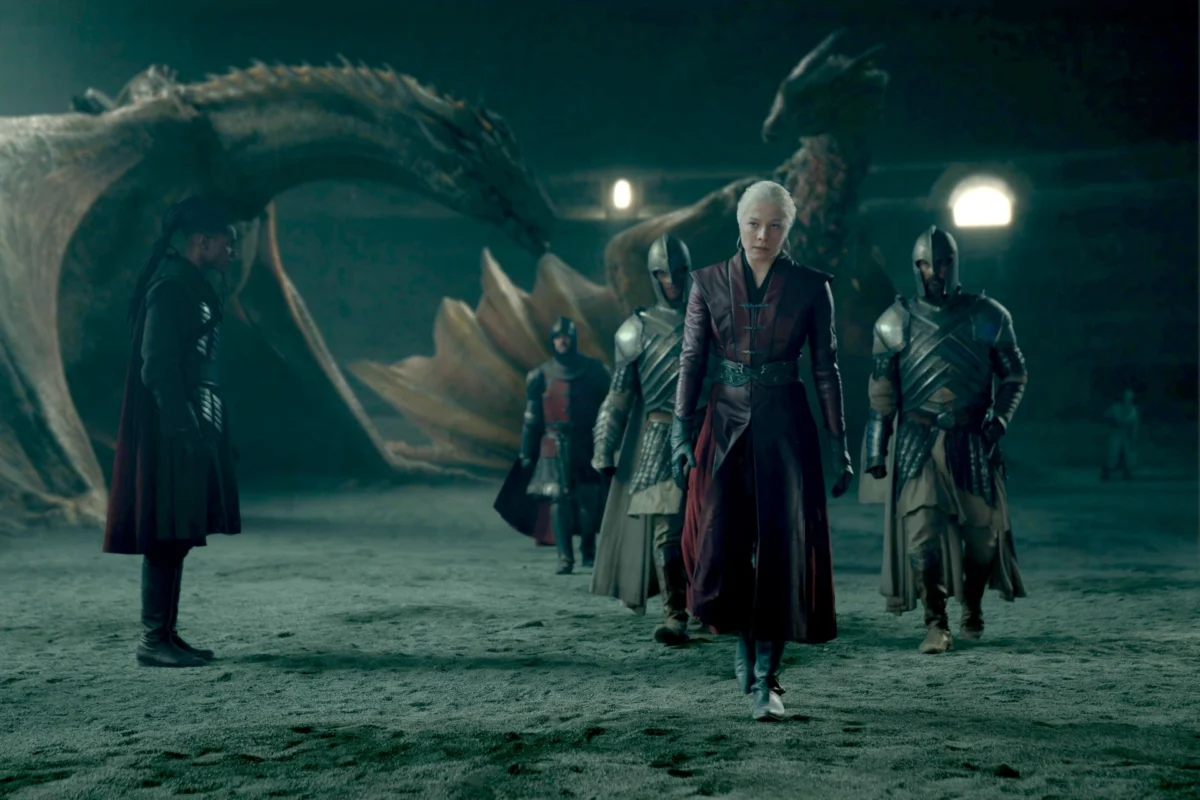
The narrative of House of the Dragon has officially entered its final act, transitioning from a cold war of succession into a scorched-earth campaign of total annihilation. The season three finale, a masterclass in tension and tragic inevitability, has brought the most critically acclaimed season of the Game of Thrones prequel to a close, solidifying this era as a banner year for the broader Westerosi franchise. Directed by Andrij Parekh and co-written by showrunner Ryan Condal alongside Ti Mikkel, the episode mirrored the brutal efficiency of the season premiere while elevating the stakes to an apocalyptic level. This was not merely a conclusion to a seasonal arc but a definitive signal that the "Dance of the Dragons" is nearing its terminal velocity. Not unlike the premiere, the finale was punctuated by high-profile casualties and a massive battle sequence, yet it remained anchored by the intimate, often agonizing character dynamics that have become the show’s hallmark.
If the atmosphere feels particularly heavy, it is because the show is no longer stalling for time; it is racing toward a predetermined finish line. Showrunner Ryan Condal has confirmed that the series will conclude with its fourth season, which is currently projected for a 2028 debut. This long production window—a result of the massive scale required for dragon-on-dragon combat—lends an added weight to every decision made in this finale. The pieces are being set for a final season that promises to be as short-lived as it is violent. As the dust settles on the Battle of Tumbleton, the political landscape of Westeros has been fundamentally altered, leaving the audience to grapple with three primary takeaways that will define the series’ legacy.
The Ascendance of Team Green and the "Dragon Math" of Tumbleton
The most immediate and shocking development of the finale was the total reversal of fortune for the Green Council. Despite suffering significant tactical setbacks earlier in the season and the death of Ormund Hightower—the season’s primary military antagonist—Team Green has managed to seize the initiative through a combination of betrayal and sheer draconic power. The Battle of Tumbleton, a sequence that rivals the cinematic scale of "Hardhome" or "The Long Night," served as the stage for this shift.
The turning point was the defection of the Dragonseeds, specifically Ulf White. His betrayal of Rhaenyra Targaryen is a catastrophic blow to the Blacks’ air superiority. In the world of George R.R. Martin, dragons are the equivalent of nuclear deterrents, and the "dragon math" has suddenly tipped in favor of the usurper, Aegon II. With Aegon’s return and his uneasy reunion with his brother Aemond, the Greens now boast a terrifying concentration of power.
Furthermore, the collateral damage of the battle has created a PR nightmare for Rhaenyra. The death of Kat, the wife of the Dragonseed Hugh Hammer, provides a personal catalyst for Hugh to potentially shift his allegiances as well. If Hugh blames the Blacks for the invasion of Tumbleton and the subsequent loss of his family, Rhaenyra loses her most powerful asset: Vermithor. When you factor in the mysterious status of Daeron Targaryen and his dragon, Tessarion—who remain a looming threat despite their absence from the screen—the Greens could theoretically march on King’s Landing with five dragons. This overwhelming force makes the war theirs to lose, placing Rhaenyra in the most precarious position she has occupied since the death of her father, Viserys.
Rhaenyra Targaryen: The Architecture of a Downfall
Perhaps the most tragic element of the finale was the psychological disintegration of Rhaenyra Targaryen. Throughout the first two seasons, Rhaenyra was framed as the protagonist struggling against a patriarchal system. However, season three has methodically stripped away her moral high ground, revealing a leader curdled by paranoia and the weight of prophecy. Her plea to Daemon, "Don’t make a monster of me," now rings with a hollow, bitter irony, as the finale showcased Rhaenyra making the very monstrous choices she once feared.
The finale was a litany of errors for the Queen. From her dismissive treatment of Baela to the radicalization of her inner circle, Rhaenyra is alienating her most loyal supporters. The most shocking moment—and one that will likely haunt fans until 2028—was her decision to coerce Alyn of Hull into assassinating the High Priest in the Sept. This act of sacrilege, combined with her decision to force-feed the grieving Helaena Targaryen, marks a point of no return. Rhaenyra is no longer fighting for the realm; she is fighting for her own survival at any cost.
The visual language of the finale reinforced this descent. In a haunting callback to Game of Thrones, Rhaenyra is seen standing by the same Red Keep window where Tommen Baratheon eventually leaps to his death in the season six finale. This parallel is not accidental. It suggests that the seat of power is a place of inherent tragedy and that Rhaenyra’s path is leading toward the same oblivion. By unspooling the Targaryen tapestry—a symbol of the family’s history and the prophecy of "The Song of Ice and Fire"—she is effectively rejecting her legacy in favor of a desperate, scorched-earth present.
The Prophetic Burden and the Source Material
To understand where House of the Dragon is going, one must look toward George R.R. Martin’s Fire & Blood. The show has been remarkably faithful to the broad strokes of the history while adding layers of "Targaryen Dreaming" that weren’t present in the book. The finale highlighted this through Helaena’s role as a Cassandra-like figure—a prophet who sees the truth but is never believed.
In the source material, Rhaenyra’s reign in King’s Landing is characterized by a rapid descent into tyranny. Her paranoia leads her to imprison her own allies and execute citizens, eventually leading to the "Storming of the Dragonpit," one of the most violent and pivotal events in Westerosi history. The finale’s focus on the starving, angry smallfolk of King’s Landing is the groundwork for this uprising. Rhaenyra’s rejection of Helaena’s quilt—and the prophetic warnings it contains—shows a Queen who has stopped listening to the gods and the dreams of her ancestors.
The show’s exploration of the "Song of Ice and Fire" prophecy adds a layer of cosmic irony. Rhaenyra believes she must hold the throne to save the world from the White Walkers, yet her actions to secure that throne are the very things that will weaken the Targaryen dynasty and nearly lead to the extinction of the dragons. This "Savior Complex" is her ultimate undoing, a theme that Ryan Condal has leaned into heavily this season.
Alicent Hightower: The Silent Witness to Ruin
While Rhaenyra is active in her destruction, Alicent Hightower remains a prisoner of her own making. The finale left her fate in a state of melancholic limbo, much like the end of season two. We see her silhouetted against a setting sun—a metaphor for the waning power of the Hightowers and the end of any hope for a peaceful resolution.
Alicent’s arc is perhaps the most tragic because she is the only character who truly understands what has been lost. The death of Helaena (which the finale heavily implied or depicted as a catalyst) effectively severs Alicent’s last tether to her humanity. With her sons Aegon and Aemond now fully committed to a war of extermination, Alicent is a woman without a country and a mother without a family. The show has masterfully used the chemistry between Olivia Cooke and Emma D’Arcy to highlight the tragedy of two women who were once friends and are now the architects of each other’s misery. However, as the series approaches its final eight episodes, the window for a reconciliation has slammed shut.
The Long Wait for 2028: Production and Legacy
The decision to end the show with season four is a bold move by HBO and Ryan Condal. It ensures that the story remains tight and avoids the "narrative bloat" that sometimes plagues high-fantasy adaptations. However, the four-year gap between seasons three and four is a significant risk in the modern streaming landscape. The production demands are staggering; the final season will likely feature more dragon battles than the previous three seasons combined, requiring an unprecedented level of post-production and visual effects work.
As we look toward the final chapter, House of the Dragon has successfully stepped out of the shadow of its predecessor. It has moved beyond the "who will sit on the throne" trope to explore the deeper, more philosophical questions of power, gender, and the corrosive nature of destiny. The season three finale was a grim reminder that in the game of thrones, you don’t just win or die—you often become the very thing you spent your life trying to defeat. The dragons are home to roost, and when they finally take flight again in 2028, there will be little left of Westeros to save.
