
 By Titik Puspa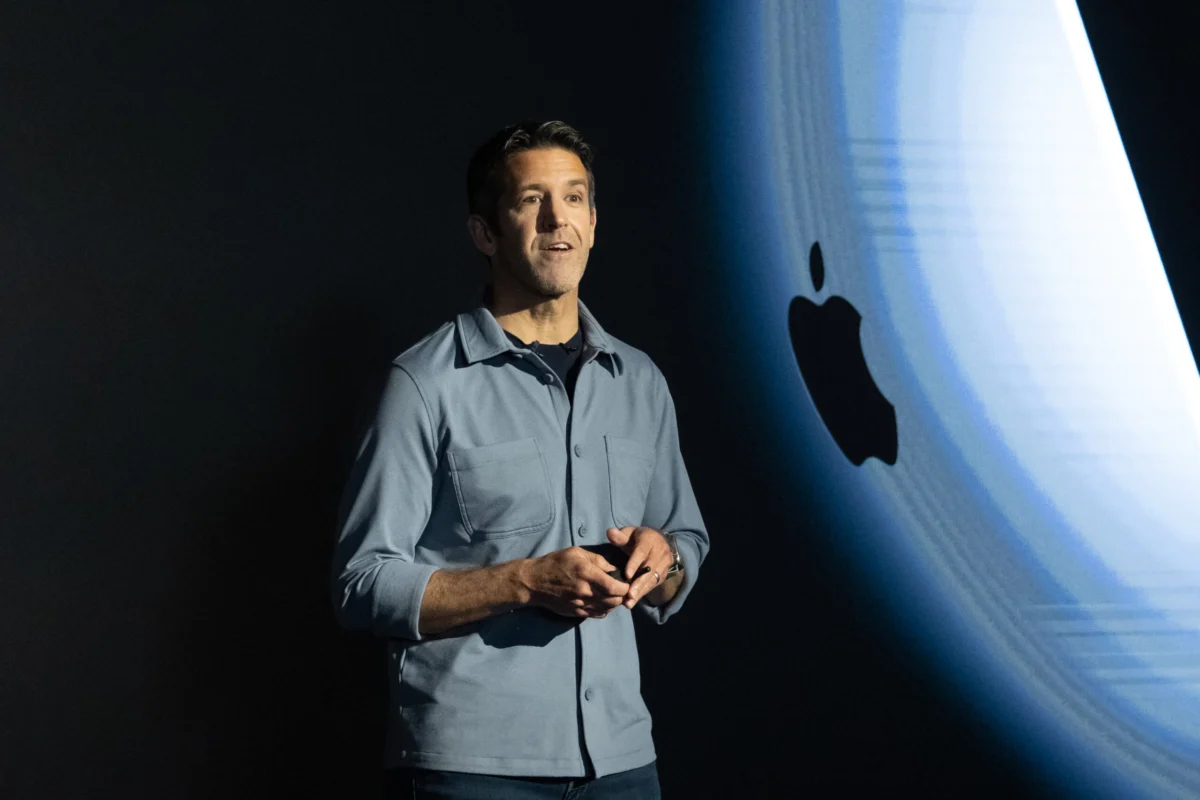
Apple CEO John Ternus has emphatically declared that the iPhone is far from obsolete, positioning it as the indispensable core of Apple’s product strategy for the burgeoning AI era. In his inaugural keynote as CEO, Ternus articulated a compelling vision where the venerable smartphone transcends its current role, evolving into the ultimate intelligent personal hub for consumers worldwide. "There’s no product in the world better designed to be your intelligent personal hub than iPhone," Ternus stated, a declaration that signals a strategic pivot from the perceived diversification efforts under his predecessor, Tim Cook.
This assertive stance directly counters a growing chorus of industry pundits and media outlets that have recently questioned the longevity of the smartphone. Headlines such as "The smartphone’s days are numbered" and analyses suggesting "The Tim Cook era is coming to a close with an existential challenge for Apple: figuring out what comes after the iPhone" paint a picture of an industry on the brink of a paradigm shift, driven by advancements in AI and wearable technology. However, Ternus’s address directly refutes these narratives, asserting that the iPhone is not only relevant but is poised to become even more critical in the age of artificial intelligence.
Ternus’s strategy extends beyond mere hardware reinforcement; he has meticulously placed the iPhone at the vanguard of Apple’s "intelligent personal assistant" roadmap. This vision, which could define Apple’s trajectory for years to come, draws a striking parallel to Steve Jobs’s pivotal strategy in 2001. Less than ten months before unveiling the groundbreaking iPod, Jobs, facing a skeptical market that believed the Personal Computer was in terminal decline, passionately defended the Mac’s enduring relevance. At a Macworld New York keynote, Jobs directly addressed bearish pronouncements from industry analysts like Walt Mossberg and the leaders of major PC manufacturers such as Compaq and Gateway.
"This is what everyone else is telling us. That our PC is waning if not the hole being dug," Jobs declared at the time, projecting a symbolic tombstone for "The Beloved PC" onto the screen behind him. He countered this pessimism with an unshakeable conviction: "We don’t think the PC is dying at all. We don’t think the PC is moving away from the center at all. We think it’s evolving, just like it has since it was invented." Jobs further elaborated on this evolutionary perspective, stating, "We think the PC is on the threshold of entering its third great age." This bold prediction was fueled by the rapid proliferation of digital devices at the time, including camcorders, digital cameras, and DVD players, all of which were creating a need for a central organizing force.
Jobs envisioned the Mac as the nucleus of a "digital hub," a sophisticated ecosystem designed to seamlessly connect these disparate devices and, crucially, "add value" to each of them. This strategic framing laid the groundwork for Apple’s future innovations. Later that same year, Jobs famously produced the iPod from his pocket, a device that seemed to answer the implicit question of why a PC was still necessary in a world of burgeoning digital content. The iPod’s monumental success was not only a testament to its innovative design and user experience but also a significant driver of Apple’s financial growth, consistently boosting profits and ultimately paving the way for the development of the iPhone itself.
Today, with the iPhone approaching its 20th anniversary, Ternus finds himself navigating a landscape eerily reminiscent of the one Jobs addressed in 2001. While the existence of a secret, iPod-like product that will guarantee the iPhone’s continued dominance as Apple’s central hub remains unknown, Ternus’s unwavering commitment to the iPhone’s future is undeniable. He is actively challenging the notion that the iPhone has reached its zenith. Ternus posed a thought-provoking question to his audience: "If you were designing the ideal version of this hub from scratch, how would you do it?" His answer, delivered with conviction, highlighted the essential components: a powerful processor, high-resolution cameras, persistent networking capabilities, and robust on-device AI.
The iPhone’s inherent strengths align remarkably well with these requirements. It stands as one of the most potent personal computing devices available, a significant advantage in the increasingly compute-intensive AI era. Its unparalleled portability and adaptability have positioned it as the primary, and for many, the sole computing device they need. Even among users who own laptops and iPads, the iPhone often emerges as the indispensable gadget. While many individuals might venture out without their laptops, leaving home without their phones is an almost unthinkable scenario for the vast majority.
This potent combination of raw processing power and pervasive portability has granted Apple a uniquely advantageous position in the rapidly evolving AI landscape. Despite numerous attempts by other technology giants to dethrone the iPhone with various innovative wearable devices, none have managed to displace its central role in consumers’ digital lives. Instead of attempting to supersede the iPhone with the next trendy gadget, Ternus is doubling down on its existing strengths. In essence, he is bringing Apple back to a fundamental understanding that resonates with its user base: the iPhone is an exceptionally capable device, and perhaps the need to replace it with something entirely different is not as imminent as some analysts suggest.
The current technological climate, characterized by the rapid advancements in artificial intelligence, presents a unique opportunity for the iPhone to redefine its role. AI, with its potential to automate tasks, personalize experiences, and provide predictive insights, requires a device that is always accessible, constantly connected, and capable of handling complex computational demands. The iPhone, with its integrated ecosystem of hardware and software, its sophisticated neural engines, and its deep integration with Apple’s cloud services, is uniquely positioned to fulfill these requirements.
Ternus’s emphasis on the iPhone as an "intelligent personal hub" suggests a future where the device acts as a central controller for a symphony of interconnected devices and services. This could involve seamlessly managing smart home devices, providing proactive assistance based on user behavior and context, and facilitating more natural and intuitive interactions with technology through advanced voice and gesture recognition. The on-device AI capabilities, as highlighted by Ternus, are particularly crucial. By processing sensitive data locally, Apple can enhance user privacy and security, a growing concern in an era of ubiquitous data collection. This also allows for faster response times and more personalized experiences, as the AI can learn and adapt to individual user patterns without constant reliance on cloud connectivity.
The comparison to Steve Jobs’s defense of the Mac in 2001 is particularly insightful. At that time, the personal computer was seen by many as a stagnant technology, overshadowed by the emergence of new, specialized digital devices. Jobs’s foresight in positioning the Mac as a central hub that could manage and integrate these devices proved to be a masterstroke, laying the foundation for Apple’s resurgence and its eventual dominance in the consumer electronics market. Similarly, Ternus’s strategy for the iPhone can be viewed as a modern interpretation of this "digital hub" concept, adapted for the AI-driven future.
The iPhone’s integrated ecosystem, encompassing hardware like the Apple Watch and AirPods, software platforms like iOS and watchOS, and services like iCloud and Apple Music, creates a powerful synergistic effect. This interconnectedness allows for a seamless flow of information and functionality, making the iPhone the natural control center for this entire digital universe. The Apple Watch, for instance, can serve as an extension of the iPhone’s AI capabilities, providing on-wrist notifications, health monitoring, and quick access to contextual information. AirPods, with their advanced audio processing and integration with Siri, can further enhance the hands-free, voice-driven interaction model that is becoming increasingly central to AI.
Furthermore, the iPhone’s robust app ecosystem provides a fertile ground for AI-powered applications to flourish. Developers are already leveraging the iPhone’s processing power and AI capabilities to create innovative experiences, from sophisticated image and video editing tools to personalized learning platforms and advanced health and wellness applications. Ternus’s commitment to the iPhone ensures that this ecosystem will continue to evolve and expand, further solidifying the device’s indispensable status.
The challenges to the iPhone’s dominance are not to be underestimated. The rapid pace of technological innovation means that new form factors and interaction paradigms are constantly emerging. Wearable devices, augmented reality glasses, and even brain-computer interfaces are all potential contenders for the future of personal computing. However, Ternus’s strategy of doubling down on the iPhone’s core strengths – its power, portability, and versatility – provides a solid foundation for its continued relevance. By positioning the iPhone as the intelligent hub that orchestrates these emerging technologies, Apple can ensure that it remains at the forefront of innovation, rather than being disrupted by it.
The historical context provided by the Mac and iPod eras is crucial for understanding the potential of Ternus’s current strategy. Jobs’s ability to reframe the PC’s role and then introduce a revolutionary new device that complemented and ultimately propelled the existing ecosystem highlights Apple’s knack for strategic innovation. Ternus appears to be drawing from this playbook, aiming to evolve the iPhone’s function rather than replace it. This approach is not only pragmatic but also likely to resonate with consumers who have come to rely on the iPhone as a central pillar of their digital lives. The investment in on-device AI, coupled with the continuous refinement of its powerful processors and sophisticated camera systems, ensures that the iPhone will remain at the cutting edge of personal technology, ready to embrace and integrate the transformative potential of artificial intelligence.
In conclusion, John Ternus’s decisive declaration of the iPhone’s central role in Apple’s AI-centric future represents a bold and strategic move. By firmly anchoring the company’s product development and vision around the iconic smartphone, Ternus is not only dispelling doubts about its longevity but is also charting a course for its evolution into an even more indispensable and intelligent personal hub. This strategy, reminiscent of Steve Jobs’s foundational vision, positions Apple to navigate the complexities of the AI era with a device that is already deeply integrated into the lives of billions, poised to unlock new frontiers of possibility and innovation. The iPhone, under Ternus’s leadership, is being reimagined not as a product nearing its twilight, but as a platform on the cusp of its most transformative chapter yet.
