
 By admin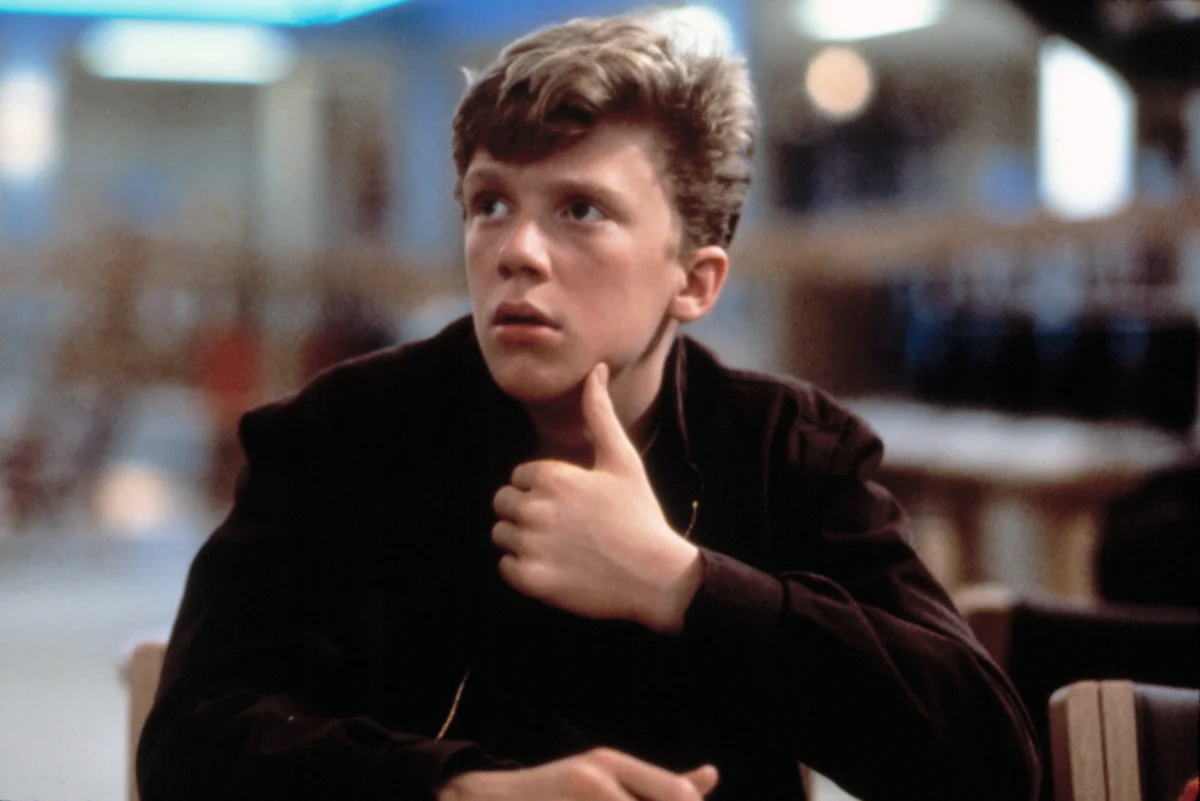
The enduring legacy of John Hughes’ 1985 cinematic masterpiece, "The Breakfast Club," continues to captivate audiences and spark discussions about its beloved characters. In a recent, revealing appearance on "The Rich Eisen Show," Anthony Michael Hall, who memorably portrayed the bookish Brian Johnson, disclosed that the late director harbored aspirations of bringing the iconic group of detention-bound teenagers back together for a sequel. Hughes envisioned a scenario where these disparate young individuals, who forged an unlikely bond during a single Saturday of introspection, would reconvene years later, navigating the complexities of adulthood and the workforce.
"It was something that was on his mind, the idea of bringing back the ‘Breakfast Club,’" Hall shared with Eisen, painting a vivid picture of Hughes’ creative musings. "Like, those five characters reunited somehow later in their life and they’re in the workforce and they’re in their 30s." This tantalizing revelation offers a poignant glimpse into the mind of a filmmaker renowned for his profound understanding of adolescent angst and the universal search for identity. The prospect of seeing Bender, Claire, Andrew, Allison, and Brian confront the realities of their adult lives, with the wisdom and perhaps lingering insecurities of their formative years, is a concept that resonates deeply with fans who grew up alongside these characters.
Hall’s recollection of his final conversations with Hughes, who tragically passed away in 2009 from a heart attack, adds a layer of bittersweet poignancy to the discussion. Their last extended chat, which took place around 1988 – a full three years after "The Breakfast Club" had become a cultural phenomenon – was a casual, two-hour phone call that unexpectedly delved into the director’s potential future projects. It was during this conversation that Hughes first broached the idea of a sequel. "He called me with John Candy on the phone, and it was about 1988, and we just hung out on the phone for a couple hours, and he talked about [the sequel] at that time," Hall elaborated. "So I think that it was something he was playing with. I don’t know if he had written it or not." While it remains unclear if Hughes ever committed these sequel ideas to a formal script, the mere fact that the concept occupied his creative space underscores the lasting impact and potential narrative threads that could have been explored.
For those unfamiliar with the film’s premise, "The Breakfast Club" centers on five high school students from vastly different social strata, each serving a Saturday detention in Shermer High School. There’s the athletic jock, Andrew (Emilio Estevez); the popular princess, Claire (Molly Ringwald); the rebellious outsider, Bender (Judd Nelson); the quirky recluse, Allison (Ally Sheedy); and the intelligent but insecure nerd, Brian (Anthony Michael Hall). Through a day of shared experiences, confessions, and confrontations, they shed their stereotypical labels and discover common ground, forming an unexpected and profound connection that challenges the rigid social hierarchies of their school. The film’s raw honesty, relatable dialogue, and unflinching portrayal of teenage alienation struck a chord with a generation, solidifying its status as a touchstone of 1980s cinema.
Hall’s association with John Hughes extended beyond "The Breakfast Club." He was a central figure in several of Hughes’ most iconic teen comedies. His role as Brian Johnson followed his memorable performances in 1984’s "Sixteen Candles" and 1985’s "Weird Science," both also penned and directed by Hughes. Hall’s recollection of the genesis of "Weird Science" further illustrates Hughes’ prolific and often spontaneous creative process. He vividly remembers Hughes approaching him with the concept for "Weird Science" just weeks into the filming of "The Breakfast Club." "He goes, ‘I just came up with another idea for our next film,’" Hall recounted. "’It’s going to be you and this other kid. You’re going to create a girl in the computer.’ I’m like, ‘What?’" This anecdote highlights Hughes’ ability to rapidly generate ideas and his keen eye for casting, recognizing Hall’s talent for embodying the quintessential Hughesian protagonist – intelligent, slightly awkward, and on the cusp of self-discovery.
The potential sequel, as described by Hall, would have offered a fascinating counterpoint to the original film. While "The Breakfast Club" focused on the raw, uninhibited emotions of adolescence, a reunion in their 30s would have allowed Hughes to explore the long-term impact of their formative experiences. How would Bender’s rebellious spirit have evolved in the face of professional demands? Would Claire have maintained her social standing, or would the pressures of adulthood have chipped away at her carefully constructed facade? Would Andrew’s athletic ambitions have translated into a fulfilling career, or would he have grappled with the disillusionment that often accompanies the transition from high school hero to working adult? And how would Brian, the intellectual who struggled with the pressure to excel, have navigated the complexities of adult life and the professional world?
The concept of a sequel to "The Breakfast Club" has been a recurring topic of speculation among fans and critics for decades. Numerous unofficial attempts have been made to recapture the magic of the original, with varying degrees of success. However, the idea of a Hughes-sanctioned sequel, particularly one with the director’s own vision for the characters’ adult lives, holds a unique allure. It speaks to the enduring power of the original film’s themes of friendship, self-acceptance, and the breaking down of social barriers. These themes are not confined to adolescence; they are universal and continue to resonate throughout a person’s life.
The passing of John Hughes left a significant void in Hollywood, particularly in the realm of filmmaking that authentically captured the nuances of youth culture. His ability to blend humor, heart, and poignant social commentary was unparalleled. He understood the anxieties, aspirations, and awkwardness of growing up in a way that few others could. His films provided a mirror for a generation, reflecting their experiences and validating their feelings. The prospect of a "Breakfast Club" sequel, even if only a concept explored in conversation, serves as a powerful reminder of what might have been, and the unique storytelling talent that was lost.
Furthermore, the mention of John Candy in the phone call with Hughes adds another layer of nostalgia and significance. Candy, a beloved comedic actor and frequent collaborator with Hughes, shared a similar talent for imbuing his characters with warmth and humanity. His presence in the conversation about a potential sequel suggests that Hughes was not only thinking about the original five actors but also about the broader creative family he had cultivated. The chemistry and comedic timing between Hughes, Candy, and Hall were instrumental in the success of films like "Planes, Trains and Automobiles" and "Uncle Buck," and their potential collaboration on a "Breakfast Club" sequel would have been a highly anticipated event.
The enduring appeal of "The Breakfast Club" lies not just in its witty dialogue and memorable performances, but in its timeless exploration of human connection. The film argues that beneath the superficial labels and social divisions, everyone experiences similar insecurities and desires. The shared detention becomes a crucible where these masks are shed, revealing the shared humanity that binds them. A sequel, had it come to fruition, would have had the opportunity to examine how these characters, now seasoned by life’s experiences, would apply those hard-won lessons. Would they still be bound by the same archetypes, or would they have transcended them?
The impact of "The Breakfast Club" on popular culture cannot be overstated. It popularized the concept of the "teen movie" as a genre capable of profound social commentary, influencing countless films that followed. Its iconic imagery – the library setting, the individual essays, the final triumphant fist pump – has become ingrained in the collective consciousness. The very idea of a "Breakfast Club" sequel, even as a hypothetical, speaks to the deep affection and personal connection that audiences feel with these characters. It’s a testament to Hughes’ genius that, even decades later, we are still eager to know what became of them, and that the possibility of their reunion continues to spark our imagination.
In conclusion, Anthony Michael Hall’s revelation about John Hughes’ desire for a "Breakfast Club" sequel offers a poignant and tantalizing glimpse into the unfulfilled potential of a beloved cinematic universe. The vision of Brian, Bender, Claire, Andrew, and Allison navigating the complexities of their adult lives, as conceived by the director who so brilliantly captured their youthful essence, remains a compelling "what if." While the sequel may never have materialized, the enduring power of "The Breakfast Club" and the continued interest in its characters serve as a lasting tribute to John Hughes’ unparalleled ability to connect with audiences on a deeply emotional and universally relatable level. The conversation on "The Rich Eisen Show" has not only illuminated a fascinating piece of film history but has also reignited the desire to imagine the next chapter in the lives of these unforgettable characters, a testament to the indelible mark they have left on cinema and our hearts.
