
 By admin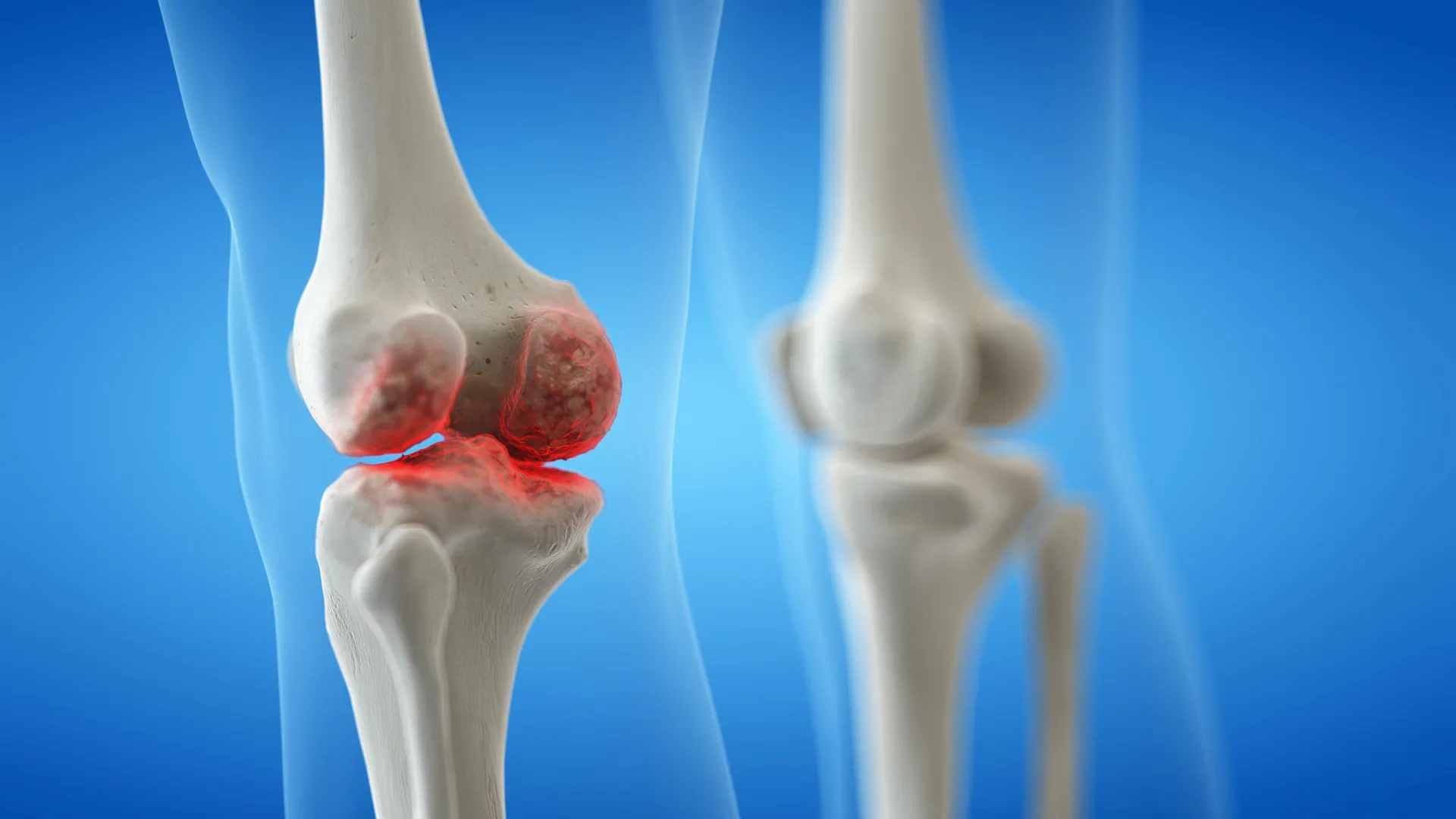
Knee osteoarthritis develops progressively as the crucial cartilage that cushions the bones within the joint gradually breaks down and wears away. Healthy cartilage, a smooth, rubbery tissue, serves multiple vital functions: it allows the knee to move fluidly and painlessly, absorbs shock from daily activities, and protects the underlying bone surfaces from friction and damage. As this protective layer thins and erodes, the joint space narrows, and the bones can begin to rub directly against each other. This process leads to pain, inflammation, stiffness, and other debilitating problems that typically worsen over time, eventually leading to structural changes within the joint, including the formation of bone spurs (osteophytes) and changes in the subchondral bone.
"Osteoarthritis can cause knee pain and stiffness, which can negatively impact a person’s activity level, risk of falling, mood and general quality of life," said Dr. Abby Cheng, an orthopedic surgeon at Washington University School of Medicine in St. Louis who also specializes in physiatry, the nonsurgical treatment and rehabilitation of conditions such as arthritis. Dr. Cheng’s observation underscores the multifaceted impact of OA, extending far beyond mere physical discomfort to affect mental well-being and daily function. The chronic nature of the pain can lead to a vicious cycle where discomfort discourages movement, which in turn exacerbates stiffness and muscle weakness, further limiting mobility and contributing to a decline in overall health.
Knee Osteoarthritis Can Affect More Than Mobility
The ripple effects of osteoarthritis extend far beyond localized joint pain and reduced mobility. The difficulty and pain associated with movement can severely limit a person’s ability to perform routine tasks, impacting their independence. For individuals of working age, this can translate directly into missed workdays, reduced productivity, and significant lost income, creating economic strain on individuals and their families. Nationally, the economic burden of OA is staggering, encompassing direct medical costs, lost wages, and reduced productivity, estimated to be in the tens of billions of dollars annually in the U.S. alone.
Furthermore, the pain and stiffness often discourage people from engaging in physical activity. This sedentary lifestyle is a significant risk factor for a host of other chronic health conditions, including cardiovascular disease, type 2 diabetes, certain types of cancer, and obesity. The systemic inflammation often associated with osteoarthritis can also contribute to these conditions, creating a complex web of interconnected health challenges. The psychological toll is also considerable, with chronic pain frequently linked to higher rates of depression, anxiety, and social isolation, as individuals may withdraw from activities they once enjoyed due to physical limitations or fear of pain. This can lead to a profound reduction in overall quality of life and a diminished sense of well-being.
Osteoarthritis is an extremely common condition, making its broad impact particularly concerning. More than 30 million adults in the U.S. have some form of the condition, making it the most prevalent chronic joint disease. Among all joints, the knee is the most frequently affected, bearing the brunt of daily activities and body weight. While OA is often associated with older age due to cumulative wear and tear and age-related cellular changes, it is crucial to recognize that roughly half of cases occur among people who are still of working age. This statistic highlights that OA is not solely a disease of the elderly but can affect individuals in their prime, impacting careers, family life, and long-term health trajectories.
"Having weak leg muscles and being overweight or obese increases a person’s risk for knee osteoarthritis," Cheng said. "Women, older adults, people with a prior knee injury and those with a family history of osteoarthritis are also more likely to have the condition." Dr. Cheng’s comprehensive list of risk factors provides crucial insights into both modifiable and non-modifiable contributors to knee OA. Weak leg muscles, particularly the quadriceps, lead to reduced joint stability and increased stress on the cartilage. When these muscles are strong, they act as natural shock absorbers, protecting the knee joint. Overweight and obesity are particularly potent risk factors, not only because of the increased mechanical load on the weight-bearing joints—every pound of body weight can exert four to six pounds of pressure on the knees with each step—but also due to metabolic factors. Adipose tissue (body fat) produces inflammatory chemicals called adipokines, which can contribute to systemic inflammation and directly damage cartilage.
Women have a higher incidence of knee OA than men, particularly after menopause, suggesting a hormonal link, possibly related to estrogen’s protective role in cartilage health. Anatomical differences and higher rates of certain knee injuries in women may also play a role. Older adults face an increased risk due to natural age-related changes in cartilage composition and repair mechanisms, as well as the accumulation of microtrauma over decades. A prior knee injury, such as an anterior cruciate ligament (ACL) tear, meniscal tear, or fracture, significantly elevates the risk of developing post-traumatic OA, sometimes decades after the initial injury, due to altered joint mechanics and persistent inflammation. Finally, a family history of osteoarthritis indicates a genetic predisposition, meaning certain genes can make individuals more susceptible to the condition, although genetics do not dictate destiny, as lifestyle factors still play a powerful role.
Lifestyle Changes Can Help Ease Knee Pain
For individuals already living with osteoarthritis, the good news is that there are numerous effective options for managing pain, improving mobility, and slowing the progression of the condition. A holistic approach that integrates healthy lifestyle habits with medical treatments, when necessary, often yields the best outcomes. The goal is not just pain relief but also maintaining functionality and enhancing overall quality of life.
"Eating more plants and less processed or sugary food reduces inflammation in the body, which can reduce pain from osteoarthritis in all joints," Cheng emphasized. This highlights the growing understanding of the role of diet in managing chronic inflammatory conditions like OA. An anti-inflammatory diet, often exemplified by the Mediterranean diet, is rich in fruits, vegetables, whole grains, lean proteins, and healthy fats (like omega-3 fatty acids found in fish and nuts). These foods provide antioxidants and phytonutrients that combat systemic inflammation, which can exacerbate OA pain. Conversely, processed foods, refined sugars, and unhealthy fats can promote inflammation, making symptoms worse. Focusing on nutrient-dense foods can also support weight management, indirectly easing the burden on the knees.
Beyond diet, other common and effective treatments for knee osteoarthritis include:
- Strengthening the thigh muscles: Targeted exercises, particularly for the quadriceps, are fundamental. A strong quadriceps muscle helps stabilize the knee joint, improve joint mechanics, and absorb shock more effectively. Physical therapy is often crucial to teach proper exercise techniques and develop individualized strengthening programs. Low-impact activities like cycling, swimming, or water aerobics are also excellent for building muscle without stressing the joints.
- Using knee braces: Various types of braces can provide support and relief. Unloader braces are designed to shift weight away from the damaged part of the knee, reducing pressure and pain. Patellar stabilizing braces can help align the kneecap and reduce discomfort.
- Taking anti-inflammatory medications: Over-the-counter nonsteroidal anti-inflammatory drugs (NSAIDs) like ibuprofen or naproxen, or topical NSAID creams, can help manage pain and reduce inflammation. For more severe pain, prescription NSAIDs or other pain relievers may be prescribed. It’s important to use these under medical guidance due to potential side effects.
- Getting cortisone and other injections: Corticosteroid injections can provide temporary but potent anti-inflammatory relief directly into the joint. Hyaluronic acid injections (viscosupplementation) aim to replenish the joint’s natural lubricating fluid, improving cushioning and movement. Emerging therapies like platelet-rich plasma (PRP) and stem cell injections are also being explored, though they are often considered experimental and require more research to establish their long-term efficacy and safety.
- Knee replacement surgery: For individuals with severe, end-stage osteoarthritis where conservative treatments have failed, total or partial knee replacement (arthroplasty) can be a highly effective option to relieve pain and restore function. This involves removing the damaged cartilage and bone and replacing them with artificial components, typically made of metal and plastic.
Health care providers play a critical role in working with patients to develop individualized strategies for managing osteoarthritis. This often involves a multidisciplinary approach, including physical therapists, occupational therapists, dietitians, and pain management specialists. They can also connect people with educational programs, support groups, and other resources that can make it easier to begin healthy changes and maintain them over time, fostering a sense of empowerment and self-efficacy.
Even seemingly small improvements can have a surprisingly large and positive effect. Dr. Cheng noted that for a person who is overweight, losing just 10 pounds can reduce the stress placed on the knees by a remarkable 40 pounds with every step. This substantial reduction in pressure can significantly ease joint pain, slow cartilage degradation, and improve overall mobility, demonstrating the profound impact of even modest weight loss.
Exercise and Healthy Weight May Lower Risk
Many of the proactive strategies used to manage existing osteoarthritis are also incredibly effective in helping reduce the chances of developing the condition in the first place. Prevention is often the best medicine, and adopting these habits early can protect joint health for decades.
Regular physical activity is one of the most powerful preventive measures. Despite the common misconception that running damages the knees and increases OA risk, scientific evidence largely refutes this. Studies have shown that recreational runners often have a lower incidence of knee osteoarthritis compared to sedentary individuals. The key is moderation, proper form, and listening to one’s body. Exercise, including weight-bearing activities, helps strengthen the muscles surrounding the knee, improves joint lubrication by stimulating synovial fluid production, and helps maintain a healthy weight—all crucial factors in preventing OA. The recommended guidelines for adults generally suggest at least 150 minutes of moderate-intensity aerobic activity or 75 minutes of vigorous-intensity activity per week, coupled with muscle-strengthening activities on two or more days.
Maintaining a healthy weight is equally critical for prevention. As Dr. Cheng highlighted, excess body weight places immense mechanical stress on the knee joints. By keeping one’s body mass index (BMI) within a healthy range (typically 18.5 to 24.9 kg/m²), individuals can significantly reduce the load on their knees, thereby lowering the risk of cartilage breakdown and OA development. Weight management is not just about aesthetics; it is a fundamental aspect of joint preservation.
Diet matters as well, playing a complementary role in prevention. A healthy eating pattern rich in whole grains, fresh fruits, and a wide variety of vegetables, while limiting processed and refined foods, sugary drinks, and unhealthy fats, can support overall health and actively help protect against osteoarthritis. This type of diet provides essential vitamins, minerals, and antioxidants that promote cellular health, reduce systemic inflammation, and contribute to maintaining a healthy weight. Specific nutrients like Vitamin D, Vitamin C, and Vitamin K have also been linked to cartilage health and may play a protective role.
Beyond diet and exercise, protecting joints from injury through proper warm-up, cool-down, and technique during physical activities, as well as seeking prompt and effective rehabilitation for any knee injuries, can significantly reduce the risk of post-traumatic OA.
Family History Does Not Determine Your Future
Osteoarthritis, while distinct from diseases such as cancer and heart disease in its primary manifestation, shares commonalities in its profound effects on health, well-being, and overall quality of life. The chronic pain, functional limitations, and potential for reduced independence can be just as substantial. Millions of people live with the condition, yet the narrative around OA is shifting from one of inevitable decline to one of empowerment and proactive management. There are indeed practical and impactful steps individuals can take to reduce their own risk and potentially help protect the health of their families.
"Some people think that because a parent or grandparent had osteoarthritis, they will develop it too," Cheng said. "And while it’s true that osteoarthritis can run in families, it doesn’t mean there’s nothing a person can do to successfully lower their risk of developing it." This perspective is vital. While a genetic predisposition might increase susceptibility, it is not a deterministic sentence. Genetics often provide a blueprint, but lifestyle choices act as powerful architects, influencing how those genes are expressed. This concept, known as epigenetics, highlights that environmental and lifestyle factors can modify gene activity without changing the underlying DNA sequence.
Therefore, even with a family history of OA, adopting a proactive approach to health—maintaining a healthy weight, engaging in regular physical activity, eating an anti-inflammatory diet, and addressing any knee injuries promptly—can significantly alter an individual’s risk profile. It empowers individuals to take agency over their joint health, demonstrating that while genetics may load the gun, lifestyle pulls the trigger. Understanding this distinction is crucial for fostering a mindset of prevention and active management, rather than passive acceptance of a perceived genetic fate. It’s your health. Take control.
