
 By Titik Puspa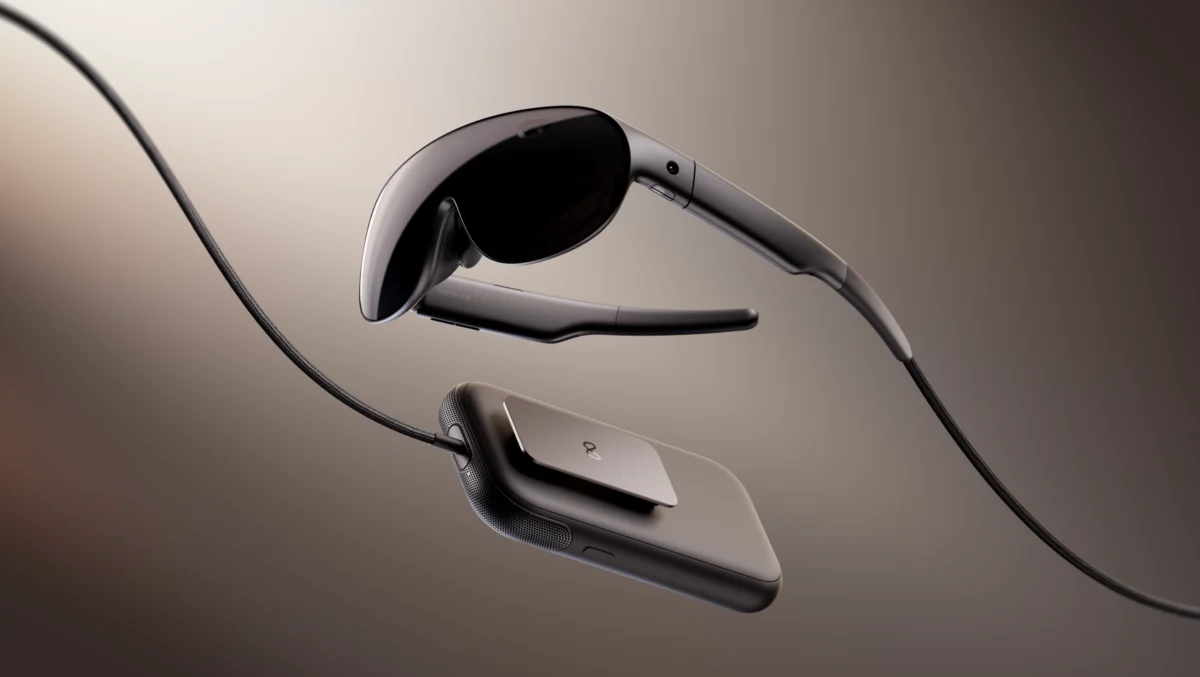
Meta is aggressively reigniting its commitment to making virtual reality a mainstream reality with the unveiling of its latest innovation, the Meta VR Glasses, announced at the Connect event on Wednesday. This new entry into the VR market appears to address key historical barriers, boasting a significantly lighter form factor and a robust suite of entertainment integrations, most notably, an alleged compatibility with IMAX. This ambitious move signals Meta’s intent to move beyond the niche gamer demographic and capture a broader audience seeking immersive digital experiences.
The company claims these new glasses are a staggering five times lighter than the Meta Quest 3, a crucial improvement that aims to combat user fatigue and enhance comfort during extended use. Visually, they represent a departure from the bulky, conspicuous headsets of Meta’s previous generations, appearing far more akin to conventional eyewear. This design evolution is not merely aesthetic; it signifies a potential shift towards VR devices that can be worn more discreetly and for longer periods, blurring the lines between virtual and augmented reality.
Underneath their sleek exterior, the Meta VR Glasses are powered by Qualcomm’s cutting-edge Snapdragon Reality Elite processor, a testament to the advanced computing power packed into such a compact device. Powering this sophisticated hardware is a unique "computing puck." This puck serves a dual purpose, acting as both the battery and the primary processing unit, which users can conveniently slip into their pocket. This design choice is a significant enabler of mobility, allowing for untethered use on the go without the encumbrance of a tethered PC or a heavy integrated battery. This portability is a critical factor in making VR more accessible and less tethered to a specific location.
The primary focus of the Meta VR Glasses appears to be entertainment, a strategic decision by Meta to leverage the growing demand for immersive content. The glasses feature advanced micro-OLED panels embedded directly into the lenses, delivering a breathtaking 5K Infinite Display with an impressive 37 pixels per degree. This high resolution, coupled with support for Dolby Vision and Dolby Atmos audio, promises a visual and auditory experience that can rival high-end home theater systems. Users will be able to download and watch movies, transforming their living rooms into personal cinemas.
Perhaps the most attention-grabbing and potentially revolutionary feature is Meta’s positioning of these glasses for experiencing IMAX-captured films. The company proudly proclaims them as the "first IMAX Enhanced certified VR device ever." This certification implies a commitment to delivering an unparalleled viewing experience for films specifically shot with IMAX cameras. Meta asserts that their glasses will be among the select few ways to truly appreciate the expanded aspect ratio that is a hallmark of the IMAX viewing experience, offering a level of immersion previously unattainable outside of dedicated IMAX theaters. This partnership with IMAX signifies a serious effort to legitimize VR as a premium cinematic medium.
Beyond traditional movie watching, the Meta VR Glasses are also compatible with a wide range of 3D experiences. Furthermore, they are designed to integrate the user’s physical space into their viewing environment, creating a more dynamic and interactive form of entertainment. Meta has forged a significant partnership with Disney, announcing that starting in November, Disney+ subscribers will be able to stream select movies, including popular Marvel titles, in 3D. This collaboration highlights Meta’s strategy of securing high-profile content partners to drive adoption and showcase the unique capabilities of their new hardware.
The immersive potential extends beyond passive viewing. Meta explains that users will be able to watch specific movies and have their surroundings "transformed with immersive environments, dynamic effects, stunning 3D visuals, and spatial audio." This essentially means that movie viewing can evolve into a VR gaming-type experience, where the narrative and visuals are augmented by interactive elements and a sense of presence within the cinematic world. This fusion of passive and interactive entertainment could redefine how audiences engage with films.
Adding another layer of sophistication, the Meta VR Glasses come with Meta AI, the company’s automated virtual assistant, built directly into the device. This integration allows users to interact with the glasses through voice commands, enabling seamless automation of various tasks. For instance, Meta suggests that users will be able to initiate movie playback simply by asking their glasses. Beyond voice, hand gestures will also serve as an intuitive input method for controlling the device and navigating its features, further enhancing the user experience and reducing the need for manual controls. The integration of AI is a key trend across consumer electronics, and its inclusion in VR headsets signals a move towards more intelligent and responsive virtual environments.
The Meta VR Glasses are slated for release next spring, with a starting price point of $1299.99. This premium pricing positions the device as a high-end consumer product, likely targeting early adopters and those seeking the most advanced immersive entertainment solutions. While the cost is substantial, it reflects the cutting-edge technology incorporated into the glasses, including the advanced display, processing power, and unique IMAX certification. The success of this venture will hinge on Meta’s ability to demonstrate a clear value proposition that justifies the investment for consumers, beyond the novelty of virtual reality.
The broader implications of Meta’s renewed push into VR, particularly with a device like the Meta VR Glasses, are significant. Historically, VR adoption has been hampered by factors such as high cost, cumbersome hardware, motion sickness, and a lack of compelling, mainstream content. Meta appears to be systematically addressing these challenges with this new offering. The lighter design and more conventional aesthetic aim to improve comfort and social acceptance. The focus on entertainment, with partnerships like IMAX and Disney, addresses the content gap. The integration of advanced AI and intuitive controls speaks to the desire for seamless user interaction.
Furthermore, the technological advancements, such as the Snapdragon Reality Elite processor and micro-OLED displays, indicate a maturation of the underlying VR technology. These components are essential for delivering the high fidelity and responsiveness required for truly immersive and believable virtual experiences. The success of these glasses could also pave the way for broader applications of VR in education, productivity, and social interaction, although Meta’s current emphasis is clearly on entertainment.
The competitive landscape in the VR and AR space is intensifying. While Meta has been a dominant player with its Quest line, other tech giants are also investing heavily in mixed reality. Apple’s recent foray into the market with its Vision Pro, though at a significantly higher price point, has set a new benchmark for premium mixed-reality experiences. Meta’s strategy with the VR Glasses appears to be to offer a more accessible, albeit still premium, alternative focused on entertainment, while still pushing the boundaries of what’s possible in virtual immersion.
The "IMAX Enhanced" certification is a particularly shrewd move. IMAX is a globally recognized brand associated with cinematic excellence and unparalleled visual spectacle. By aligning their VR glasses with this brand, Meta is attempting to imbue their product with a similar sense of prestige and quality. This certification suggests that the glasses are not just capable of displaying IMAX content, but are engineered to do so in a way that preserves the artistic intent and technical specifications of these high-caliber productions. This could be a significant differentiator in a crowded market.
The integration of spatial computing, where digital elements are seamlessly blended with the user’s physical environment, is another area where the Meta VR Glasses aim to excel. The ability to transform a living room into an immersive cinematic environment or to have movie elements spill into the real world represents a step towards truly blended reality. This is a key aspect of the metaverse vision, where the digital and physical worlds become increasingly intertwined.
The long-term success of the Meta VR Glasses will depend on several factors: the actual performance and user experience of the device, the continued development of compelling content, the adoption rate by consumers, and Meta’s ability to build a robust ecosystem around its hardware. The $1299.99 price tag is a considerable barrier, and Meta will need to demonstrate that the experience offered is worth the significant investment. However, with its focus on comfort, cutting-edge technology, and strategic content partnerships, Meta is making a compelling case for the future of virtual reality as an entertainment powerhouse. The company’s persistent dedication to the VR space, marked by this latest offering, underscores its belief that virtual reality is not just a passing trend but a fundamental shift in how we will interact with digital content and each other in the years to come. The "Meta VR Glasses" represent a tangible step towards making that future a reality, or rather, a virtual one.
