
 By admin
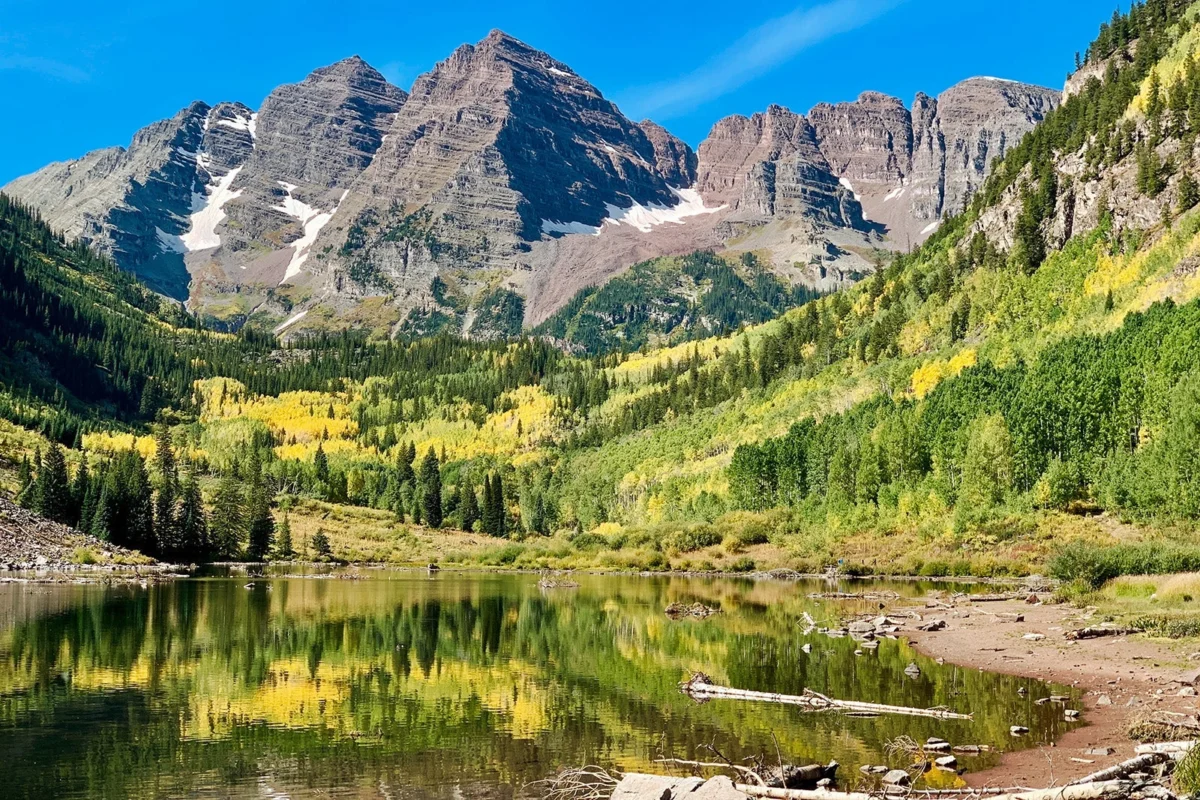
The landscape of luxury travel in Aspen has reached a critical inflection point as we approach the 2026-2027 winter season. With average nightly rates at five-star properties now frequently eclipsing the $2,500 mark during peak periods, the strategic utilization of points and miles has transitioned from a hobbyist’s pursuit to a financial necessity for the discerning adventurer. The Maroon Bells-Snowmass Wilderness, encompassing over 181,000 acres, serves as the backdrop for this high-stakes game of loyalty arbitrage. For those looking to stand at the edge of Maroon Lake as the morning sun ignites the hematite-rich mudstone of the peaks, the journey begins months earlier in the digital portals of major banking institutions.
To understand the current state of travel in the Roaring Fork Valley, one must first analyze the macroeconomic shifts that have occurred since the mid-2020s. Inflationary pressures on service labor and the premium placed on "unspoiled" nature have driven cash prices for Aspen’s elite hotels—such as the St. Regis Aspen Resort and the Hotel Jerome—to historic highs. Simultaneously, the "Points Inflation" phenomenon has seen loyalty programs like Marriott Bonvoy and World of Hyatt move toward fully dynamic redemption models. In 2026, a standard room at the W Aspen that once cost 60,000 points may now fluctuate between 85,000 and 120,000 points per night, depending on the snowfall forecast and local event calendars. This volatility demands that travelers maintain a diversified portfolio of transferable currencies, specifically focusing on Chase Ultimate Rewards, American Express Membership Rewards, and Capital One Miles, which provide the flexibility to pivot between airline and hotel partners as availability dictates.
The logistical challenge of reaching the Maroon Bells themselves has also evolved. In an effort to mitigate the environmental impact of over-tourism, the U.S. Forest Service has solidified a permanent, year-round reservation system for both parking and the RFTA (Roaring Fork Transportation Authority) shuttle service. As of November 2026, the transition from the shuttle-only summer season to the limited-access winter season is in full swing. During this shoulder month, the road to the Bells often closes to vehicular traffic due to snow, transforming the area into a sanctuary for cross-country skiers and snowshoers. This seasonal shift highlights the importance of timing; while the vibrant gold of the aspen groves in September draws the largest crowds, the early November window offers a rare "quietude" for those who can navigate the colder temperatures and potential trail closures.
From an expert perspective, the value proposition of visiting Aspen in 2026 is increasingly tied to "experiential exclusivity." Travel analysts note that the modern affluent traveler is less interested in traditional luxury and more focused on access. This is where premium credit cards like the Chase Sapphire Reserve or the American Express Platinum Card provide their greatest utility. Beyond the points earned on the initial booking, the secondary benefits—such as the American Express Fine Hotels + Resorts (FHR) program—offer tangible value that offsets the high cost of the region. A booking through FHR at a property like The Little Nell might include a $100 experience credit, daily breakfast for two, and a guaranteed 4:00 PM late checkout, which is invaluable for those wanting one last hike near the Bells before a late flight out of Aspen-Pitkin County Airport (ASE).
The aviation component of an Aspen excursion remains one of the most complex puzzles in domestic travel. Aspen-Pitkin County Airport is notorious for its challenging approach and frequent weather-related diversions, often referred to by pilots as one of the most demanding mountain airports in the world. Consequently, flight prices into ASE are consistently among the highest per mile in the United States. In 2026, savvy travelers are increasingly utilizing "hidden city" logic or, more reliably, booking award flights through United Airlines or American Airlines. With United operating a significant hub in Denver (DEN), the 40-minute hopper flight to Aspen can often be found for 8,800 to 12,500 miles, even when the cash fare exceeds $500. For those traveling in groups, the "companion pass" strategies offered by various co-branded airline cards have become the gold standard for reducing the total cost of the annual ski pilgrimage.
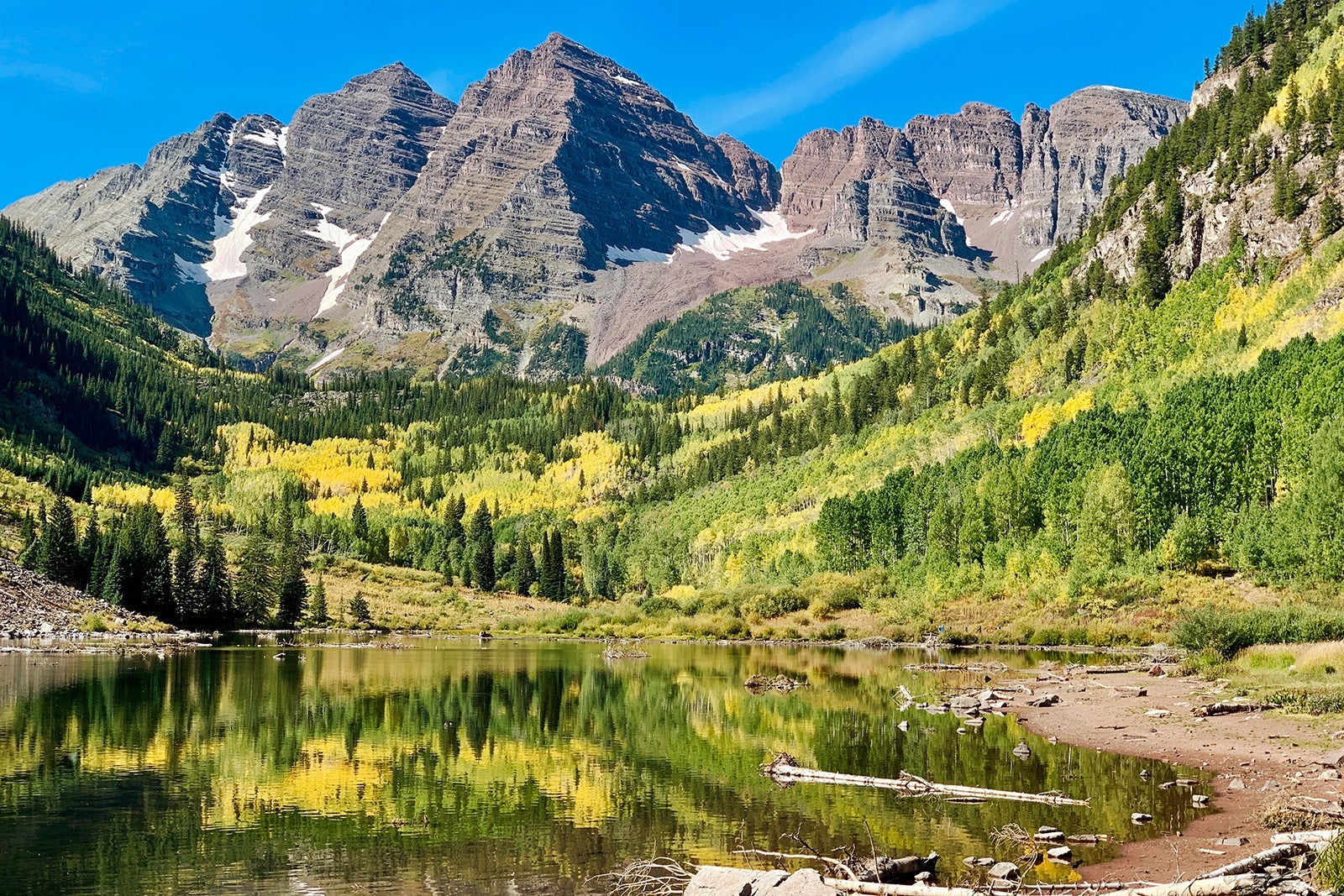
Geologically, the Maroon Bells are a fascinating anomaly in the Rocky Mountains. Unlike the granite-heavy peaks of the Front Range, the Bells are composed of metamorphic sedimentary mudstone. This "rotten" rock is responsible for the mountains’ distinctive maroon hue, but it also makes them notoriously dangerous to climb. Known colloquially as the "Deadly Bells," the peaks have claimed many lives due to the instability of the terrain. For the average visitor, this underscores the necessity of staying on marked trails and respecting the power of the Elk Mountains. This geological fragility is a metaphor for the region’s current environmental state. Climate data from 2026 indicates a shortening of the traditional "shoulder" seasons, with winter conditions arriving earlier and spring runoff occurring with greater intensity. This has prompted local conservation groups to advocate for even stricter limits on human footprints in the wilderness areas.
The financial analysis of a 2026 Aspen trip reveals a widening gap between the "informed" and "uninformed" traveler. A five-night stay at a top-tier property in mid-November, if booked in cash, could easily total $12,000 when including resort fees, taxes, and dining. However, a traveler leveraging a 150,000-point sign-up bonus from a premium credit card, combined with the "fifth night free" benefit offered by Marriott and Hilton on award stays, could theoretically reduce their out-of-pocket lodging costs to nearly zero. When the "Cents Per Point" (CPP) calculation is applied, these redemptions often yield a value of 4.5 to 6.0 cents per point, far exceeding the standard 1.0 to 2.0 cent benchmark. This high-yield environment is precisely why the competition for award availability in Aspen has become so fierce, with rooms often being snatched up 355 days in advance, the moment the booking window opens.
Furthermore, the role of sustainability in travel has moved from a corporate buzzword to a consumer requirement. In the Roaring Fork Valley, several boutique hotels have implemented "carbon-neutral" stays, where a portion of the room rate is automatically funneled into local reforestation projects. For the traveler, this often manifests as a "Green Surcharge" or a voluntary donation at checkout. While some view this as an added expense, the 2026 consumer sentiment shows a high willingness to pay for the preservation of the very vistas they come to see. The Maroon Bells, as a symbol of this natural heritage, are at the center of this dialogue. The revenue generated from the shuttle and parking reservations is now directly reinvested into trail maintenance and the protection of the local bighorn sheep and mountain goat populations, ensuring that the ecosystem remains viable for future generations.
As we look toward the remainder of the 2020s, the intersection of luxury, technology, and nature will only deepen. The integration of AI-driven travel assistants has simplified the process of finding "sweet spot" redemptions, but the physical reality of the Maroon Bells remains unchanged—a primal, awe-inspiring encounter with the earth’s crust. Whether viewed through the lens of a high-end camera or the calculated strategy of a points enthusiast, the peaks remain a bucket-list destination. The cards and loyalty programs mentioned in modern travel discourse are merely tools to unlock these experiences. As the editorial team at various travel outlets continues to analyze, review, and opine on the best ways to navigate this terrain, the core advice remains consistent: plan early, diversify your rewards, and never underestimate the unpredictable beauty of the Colorado high country. In the end, the true value of a trip to the Maroon Bells isn’t found in the points saved or the perks earned, but in the silence of the alpine air and the enduring sight of two peaks reaching toward the November sky.
