
 By admin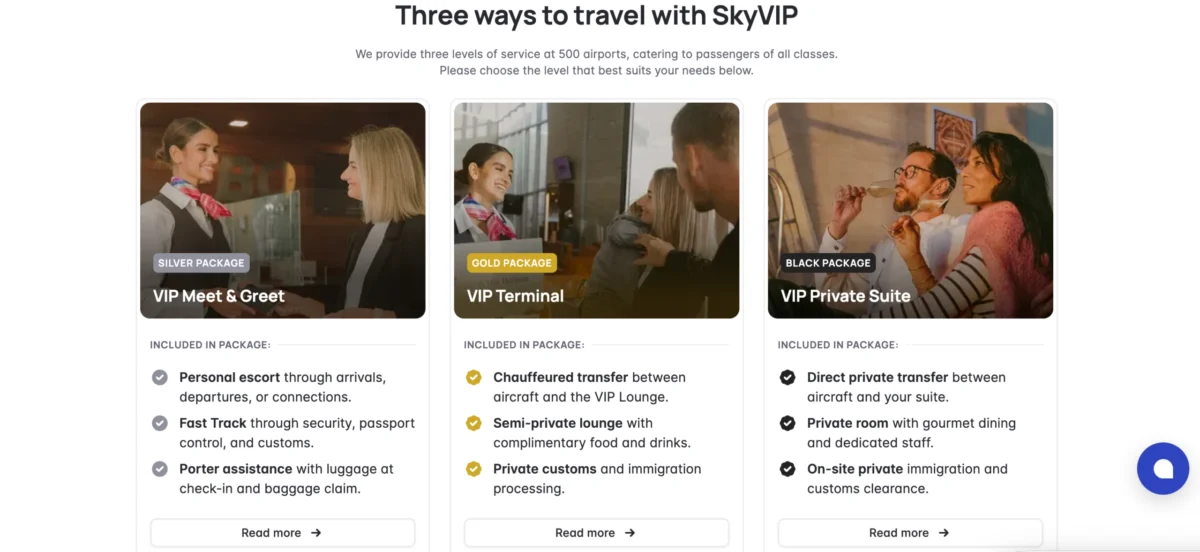
The landscape of international travel is currently undergoing its most significant transformation since the introduction of biometric passports. For decades, the ritual of crossing European borders was defined by the rhythmic thud of a physical ink stamp meeting a paper page—a romantic, if inefficient, vestige of 20th-century bureaucracy. However, the rollout of the European Union’s Entry/Exit System (EES) has effectively retired the stamp in favor of a sophisticated digital ledger. While the long-term goal is a seamless, high-tech "Smart Border," the immediate reality for many travelers has been a summer of unprecedented bottlenecks, technical glitches, and anxiety-inducing wait times. As airport authorities and travelers alike struggle to adapt to this new paradigm, specialized assistance services like SkyVIP are emerging not merely as luxuries, but as essential tools for navigating the friction of modern global mobility.
To understand the current state of European travel, one must first dissect the mechanics of the EES. This automated IT system is designed to register travelers from "third countries"—those who do not belong to the EU or the Schengen Area—each time they cross an external border. Unlike the previous system, which relied on manual checks and physical stamps that were often difficult to read or easily forged, the EES captures high-precision biometric data. This includes a facial image and four fingerprints, which are cross-referenced against security databases in real-time. The system tracks the exact date and place of entry and exit, automatically calculating the duration of a traveler’s stay to ensure they do not exceed the 90-day limit within any 180-day period.
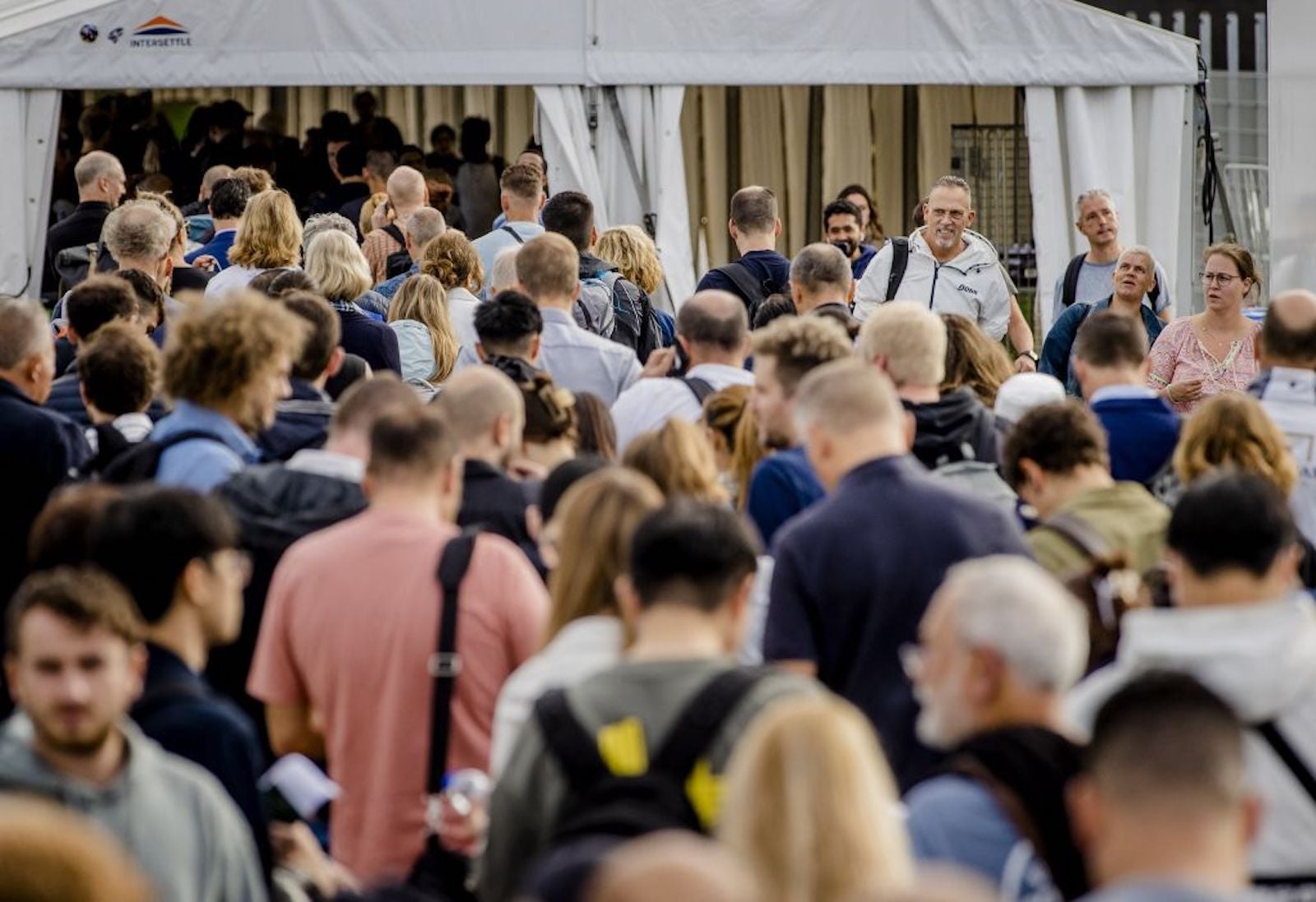
The European Commission asserts that the EES will bolster internal security by identifying overstayers and providing reliable data on border crossings. Yet, the implementation has been anything but smooth. Industry experts and aviation groups, including ACI Europe and the International Air Transport Association (IATA), have repeatedly expressed concerns regarding the "processing capacity" of existing airport infrastructure. When the system was first piloted, reports surfaced of processing times increasing from an average of 45 seconds per passenger to nearly three minutes. In a high-volume hub like London St Pancras or Paris Charles de Gaulle, where thousands of passengers arrive simultaneously, these extra minutes compound into hours of delays. Earlier this summer, travelers at major European gateways reported EES-related wait times exceeding three hours, leading to missed connections and a general sense of "airport chaos" that has dominated travel headlines.
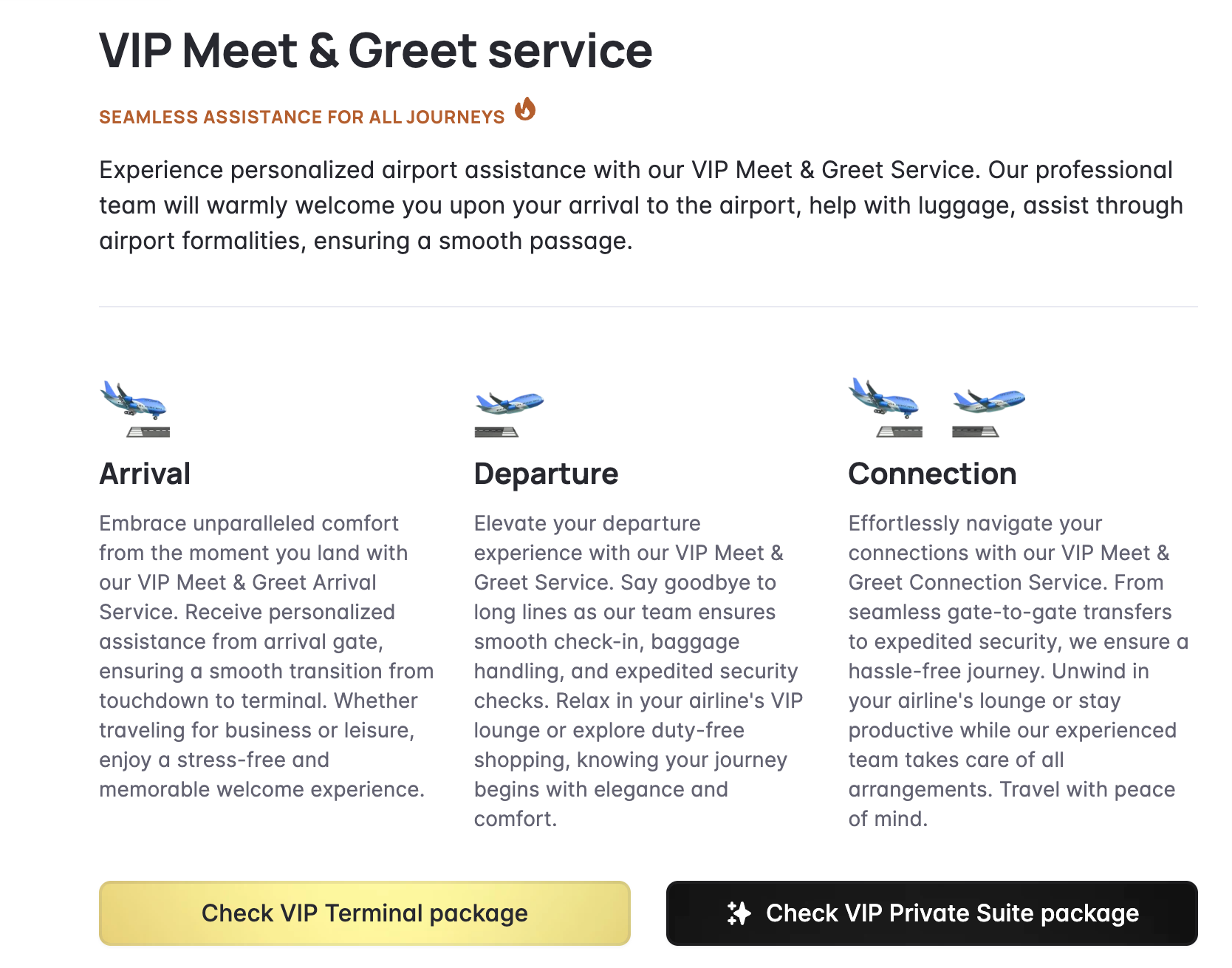
This atmosphere of uncertainty has created a significant market for "Meet & Greet" services, which act as a buffer between the traveler and the complexities of the terminal. SkyVIP, a leader in this sector, operates in more than 500 airports globally, providing a tiered approach to airport logistics. Their offerings range from the standard VIP Meet & Greet to the highly exclusive VIP Private Suite, which allows travelers to bypass the main terminal entirely. For the average international traveler, the Meet & Greet service provides a dedicated greeter who meets the passenger at the aircraft gate or the curbside. This representative serves as a navigator, luggage handler, and, perhaps most importantly, a liaison with airport authorities.
The value of such a service becomes most apparent during high-stakes transits. Consider the logistical nightmare of a two-hour layover at Rome’s Fiumicino Leonardo da Vinci Airport (FCO) when arriving from a non-Schengen country like the United States. Under normal circumstances, two hours is a comfortable window. However, under the EES regime, a traveler must clear passport control, submit biometrics, and navigate the sprawling FCO terminals before reaching a domestic or intra-European gate. The fear of a three-hour line making a two-hour connection impossible is a valid concern that has led many to reconsider their itineraries or opt for more expensive direct flights.
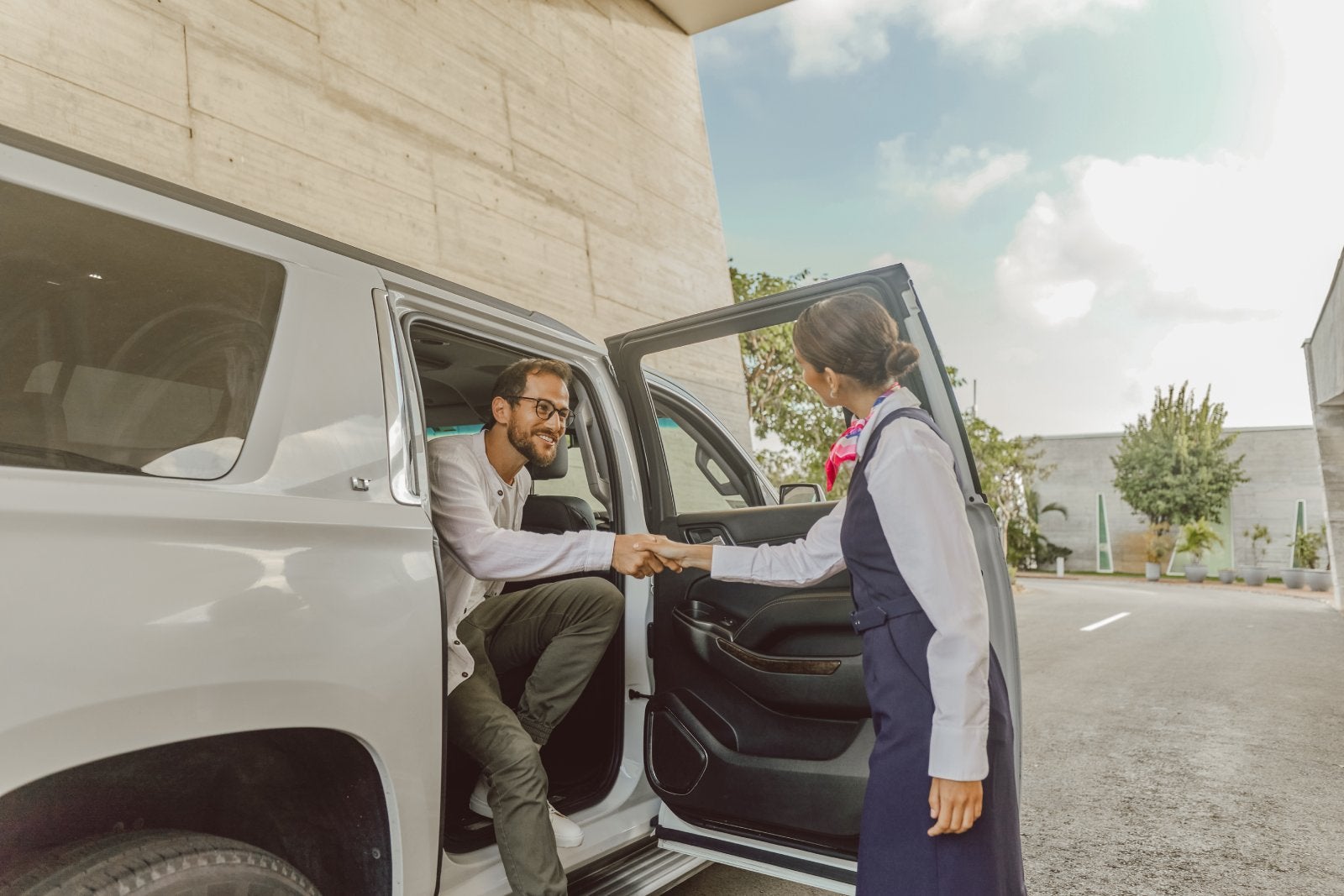
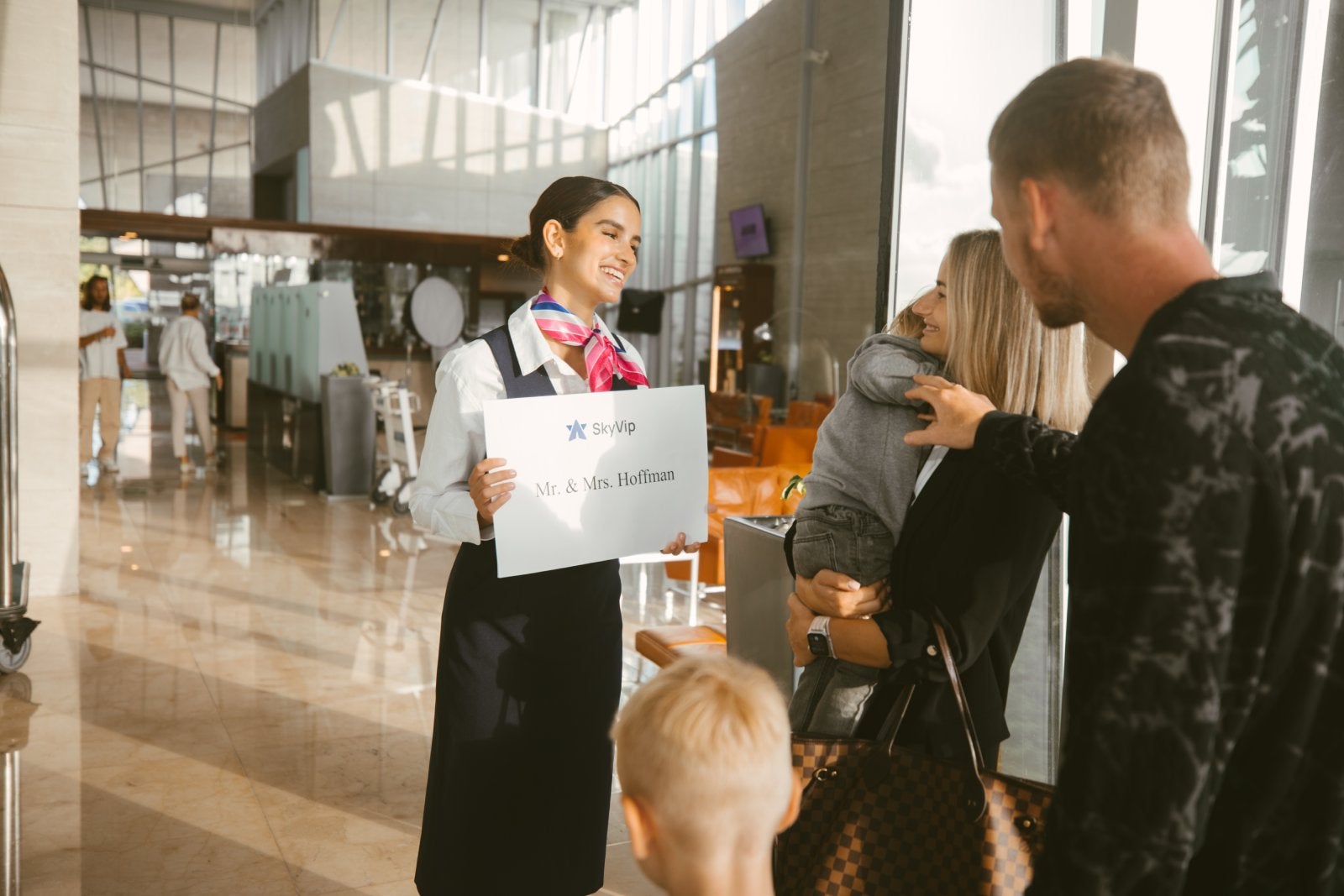
In practice, the SkyVIP experience transforms this high-stress environment into a managed process. Upon landing at FCO, travelers using the service are met immediately at the jet bridge. The greeter, often a local professional with intimate knowledge of the airport’s shifting protocols, provides an immediate psychological relief. They handle the "guesswork" of navigation, which is often the most time-consuming aspect of an unfamiliar airport. For a traveler accompanied by family or dealing with the fatigue of an overnight flight, having a guide to manage luggage and direct the group toward a quiet area for a brief refresh is an underrated benefit.
The true utility of the service, however, is realized at the immigration checkpoint. While VIP services cannot legally allow a passenger to "skip" mandatory government procedures like the EES biometric scan, they often provide access to "Fast Track" lanes or alternative processing routes coordinated with airport authorities. In Rome, for instance, SkyVIP greeters have been known to direct clients through separate channels that bypass the primary passenger flow. During the EES biometric capture—which involves scanning the passport followed by a fingerprint and facial scan—the greeter acts as a technical advisor. Many travelers find the biometric kiosks temperamental; the greeter’s ability to demonstrate the exact finger placement or head position required by the machine can save precious minutes of frustration.
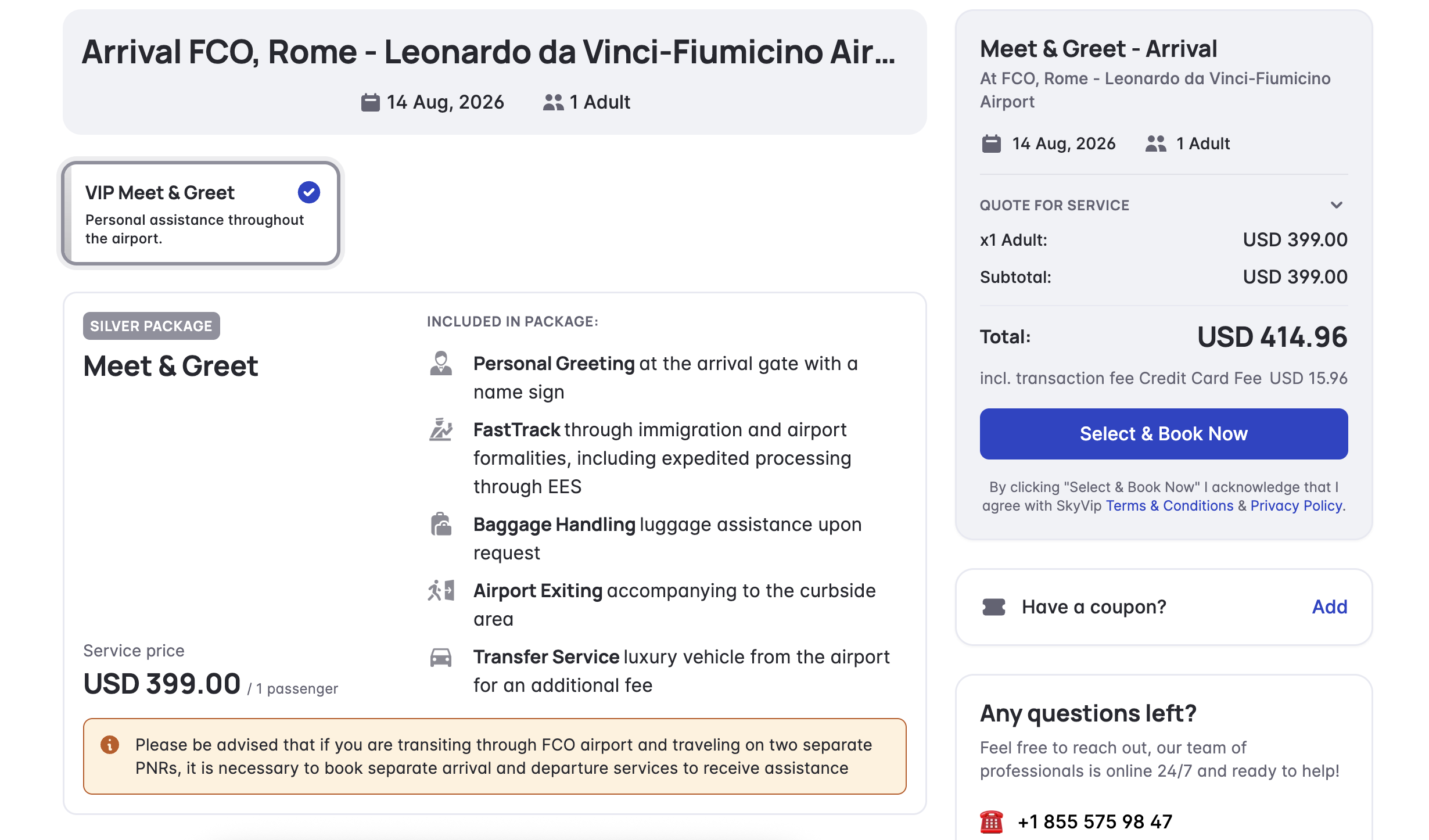
From an economic perspective, the cost of these services—roughly $415 for an individual or $674 for a party of three—is a significant investment. However, when weighed against the potential costs of a missed flight, such as last-minute hotel bookings, rebooking fees, and the loss of a vacation day, the ROI becomes clearer. For business travelers, for whom time is a literal currency, the ability to continue working or resting while a professional manages the logistics of the terminal is a justifiable expense. For families with young children or elderly travelers with mobility issues, the service is often viewed as a necessity rather than a luxury.
Beyond the immediate convenience, the rise of services like SkyVIP reflects a broader shift in the travel industry toward "frictionless" experiences. As borders become more digitized and security protocols more data-intensive, the physical act of moving through an airport is becoming more cognitively demanding. We are entering an era of "traveler stratification," where those who can afford it can buy their way out of the systemic inefficiencies of government-mandated rollouts. This is not a new phenomenon, but the EES has exacerbated the divide.
Looking ahead, the EES is only the first phase of the EU’s digital border strategy. The next phase is the European Travel Information and Authorisation System (ETIAS), which will require visa-exempt travelers to apply for a travel authorization and pay a small fee before arriving in the Schengen Area. While ETIAS is a pre-travel requirement, its integration with EES means that border officers will have more data at their fingertips than ever before. The hope is that once the "learning curve" for airport staff is overcome and the biometric databases are fully populated, the EES will actually speed up the process, as returning travelers will only need to provide a quick facial scan rather than a full set of fingerprints.
Until that technological utopia arrives, preparation remains the traveler’s best defense. Experts recommend booking layovers of at least three to four hours at major European hubs during this transition period. Staying informed about terminal-specific news and ensuring that all travel documents are organized and easily accessible is crucial. Furthermore, the adoption of mobile apps for pre-registration, where available, can help mitigate some of the onsite processing time.
Ultimately, the SkyVIP Meet & Greet service serves as a bridge between the legacy of the old travel world and the digital complexity of the new one. It provides a human touch in an increasingly automated environment. For the traveler who landed in Rome, stressed about a Sicily connection, the service didn’t just provide a fast-track lane; it provided "peace of mind." In the current climate of European travel, where a single computer glitch or a surge in arrivals can result in a three-hour wait, that peace of mind is perhaps the most valuable amenity an airport can offer. Whether you are a seasoned road warrior or a once-a-year vacationer, understanding the shifts in EU border policy and the tools available to navigate them is the key to ensuring that your European journey begins with a smile rather than a struggle.
