
 By admin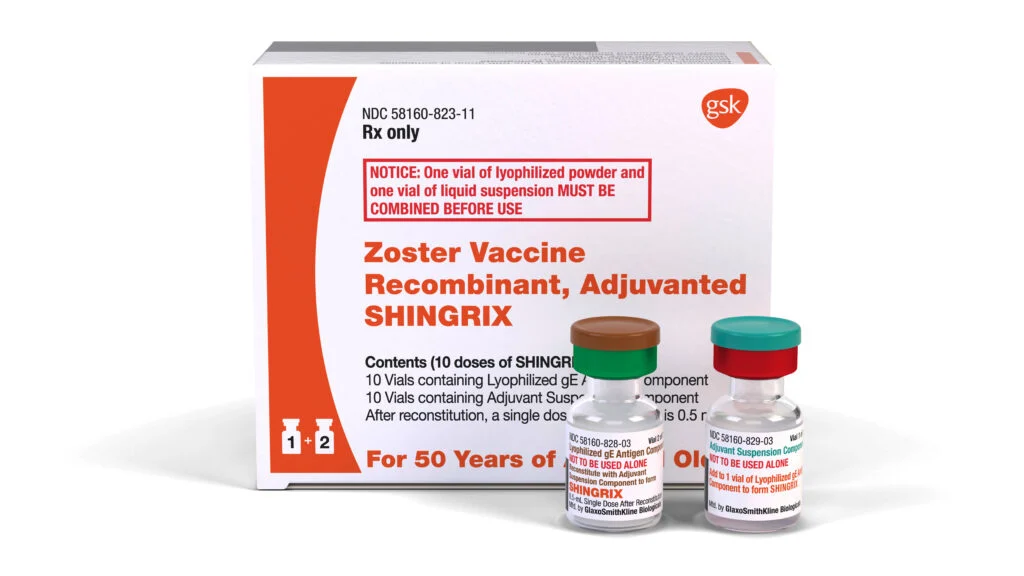
For years, clinicians have noted curious signals suggesting that shingles vaccines might do more than just prevent a painful skin rash. Shingles, caused by the reactivation of the varicella-zoster virus (VZV)—the same pathogen responsible for chickenpox—is known to be more than a dermatological nuisance. In older adults, the virus can cause systemic inflammation and has been historically linked to a transiently increased risk of stroke and myocardial infarction in the weeks following a flare-up. Previous observational data had hinted that those who received the recombinant Shingrix vaccine were less likely to suffer from heart attacks or heart failure compared to their unvaccinated peers. However, these earlier studies faced a persistent skepticism: the "healthy vaccine bias."
The fundamental challenge in observational medicine is determining whether a vaccine actually causes a health benefit or if the people who choose to get vaccinated are simply more health-conscious, have better insurance, or possess more frequent access to preventative care. To solve this, researchers at the University of Oxford utilized a "natural experiment" design, the results of which were recently published in the prestigious journal Nature Medicine. By taking advantage of a specific shift in U.S. clinical guidelines, they were able to create a study environment that mimics the rigor of a clinical trial.
The Natural Experiment: Methodology and Design
In October 2017, the U.S. Food and Drug Administration (FDA) approved Shingrix (a recombinant, adjuvanted vaccine) as the preferred shingles vaccine, effectively displacing Zostavax (a live-attenuated vaccine) which had been the standard since 2006. This policy shift created a unique opportunity for researchers. They compared two large, matched cohorts of individuals aged 60 and older: those who received the Zostavax vaccine in the months leading up to the policy change and those who received Shingrix in the months immediately following it.
By comparing people who were vaccinated just before and just after this "flip-of-the-switch" moment, the researchers could assume that the two groups were demographically and behaviorally similar. Both groups were proactive enough to seek out a shingles vaccine; the only major difference was which technology was available at the time of their appointment. Using the TriNetX electronic health record network, which encompasses data from 60 different health systems, the team analyzed the outcomes of approximately 72,000 vaccinated individuals over a seven-year follow-up period.
A Breakdown of the Findings
The data revealed a consistent trend: Shingrix was associated with a 9% lower overall cardiovascular burden compared to Zostavax. When the researchers "unpacked" this data into specific conditions, the results were even more striking. The Shingrix cohort saw a 10% reduction in coronary heart disease and a 12% reduction in heart failure. Furthermore, the risk of atrial fibrillation—a common heart rhythm disorder that can lead to blood clots and strokes—was 7% lower in those who received the newer vaccine.
Interestingly, the study noted a gender-specific divergence regarding strokes. While men who received Shingrix experienced a 12% reduction in stroke risk, the reduction in women was not statistically significant. While the reasons for this disparity remain unclear, researchers suggest it may be tied to different inflammatory pathways or hormonal interactions with the vaccine’s components.
In absolute terms, these percentages translate to roughly 1% fewer major cardiovascular events over seven years. While 1% might sound modest to an individual patient, experts emphasize the massive implications for public health. Mark Russell, a clinical senior lecturer and consultant rheumatologist at King’s College London, noted that because millions of people receive these vaccinations annually, even a small percentage shift can prevent hundreds of thousands of heart attacks and strokes across a national population.
The Biological Mystery: Why Does Shingrix Protect the Heart?
The scientific community is now racing to understand the mechanism behind this protection. Why would a vaccine targeting a herpes virus influence the health of the coronary arteries? The researchers have proposed several compelling hypotheses.
First, the varicella-zoster virus itself is known to invade the walls of blood vessels. When the virus reactivates, it can cause vasculopathy—a thickening and inflammation of the arterial walls—which can trigger a blockage. By providing superior protection against VZV reactivation compared to the older Zostavax (which had a much lower efficacy rate that waned quickly), Shingrix may simply be preventing the viral-induced damage that leads to heart disease.
However, the Oxford team believes there is something more specific at play, likely related to the vaccine’s chemical composition. Unlike Zostavax, Shingrix contains a potent adjuvant called AS01. Adjuvants are substances added to vaccines to "supercharge" the immune response. Study co-author Fabiana Corsi-Zuelli explained that Shingrix might induce "trained immunity." This is a process where the innate immune system—our body’s first line of defense—undergoes epigenetic reprogramming, allowing it to respond more effectively to a variety of threats, not just the shingles virus.
This "trained" response may help moderate systemic inflammation. "Ischemic heart disease and vascular diseases tend to be linked to an inflammatory response," explained Betty Raman, an associate professor of cardiovascular medicine at Oxford. Chronic inflammation promotes atherosclerosis—the buildup of fatty plaques in the arteries. If the Shingrix vaccine or its AS01 adjuvant can modulate the behavior of cytokines (proteins that signal immune cells), it might effectively slow down the progression of arterial plaque or prevent it from rupturing.
Expert Perspectives and Future Validation
The enthusiasm within the medical community is palpable, though tempered by scientific caution. Kaleen Hayes, an associate director of pharmacoepidemiology at the Brown University School of Public Health, noted that this research addresses the "next big question" in geriatric medicine. Having previously researched the link between Shingrix and reduced dementia risk, Hayes suggested that the vaccine’s ability to "key up" the immune system in a specific, beneficial way could lead to entirely new classes of therapeutics designed to combat age-related inflammatory diseases.
Despite the strength of the "natural experiment" design, the study authors are the first to admit that observational data cannot definitively prove causation. To reach the gold standard of medical evidence, the results must be replicated in randomized controlled trials (RCTs). One such trial, the DAN ZOSTER study in Denmark, is currently underway. This massive undertaking involves 162,000 participants and is designed specifically to measure the cardiovascular outcomes of shingles vaccination. The medical world is eagerly awaiting its results, which are expected in 2027.
Maxime Taquet, an associate professor of psychiatry at Oxford and a lead author of the study, highlighted the potential economic and social stakes. "If confirmed, Shingrix could be the first vaccine that protects both the heart and the brain," he said. He pointed out that the combined burden of cardiovascular disease and dementia is the single greatest challenge facing modern healthcare systems. If a standard immunization can mitigate both, the savings in healthcare costs and the improvement in quality of life for the elderly would be astronomical.
Conclusion: A Nudge Toward Vaccination
While the primary reason for any patient to receive Shingrix remains the prevention of shingles—a condition that can lead to debilitating, long-term nerve pain known as postherpetic neuralgia—the potential for "bonus" protection against heart disease and dementia is a powerful incentive.
For the general public, the message from the research team is clear: follow current vaccination guidelines. Most health organizations recommend the two-dose Shingrix series for adults over the age of 50 and for younger adults with weakened immune systems. As researchers continue to peel back the layers of how vaccines interact with the human immune system, it is becoming increasingly evident that these shots do much more than prevent a single disease. They may be essential tools in the broader fight against the inflammatory processes that define human aging. If Shingrix truly is a "shield" for both the heart and the mind, its value to global health has been vastly underestimated until now.
