
 By admin
As the dust settles on an exhilarating Week 1 of the NFL season and anticipation builds for Week 2, Tuesday brought a flurry of injury news and strategic insights from around the league, offering a clearer picture of team statuses and coaching philosophies. The Kansas City Chiefs received a glimmer of hope regarding rookie cornerback Mansoor Delane, who appears to have narrowly avoided a season-altering injury after a significant play. Conversely, the Baltimore Ravens are bracing for a potentially month-long absence from promising wide receiver Ja’Kobi Lane, a blow to their receiving corps. Meanwhile, in Chicago, head coach Ben Johnson shed light on the Bears’ relentless fourth-quarter scoring during their commanding victory over the Carolina Panthers, emphasizing the importance of sustained offensive pressure.
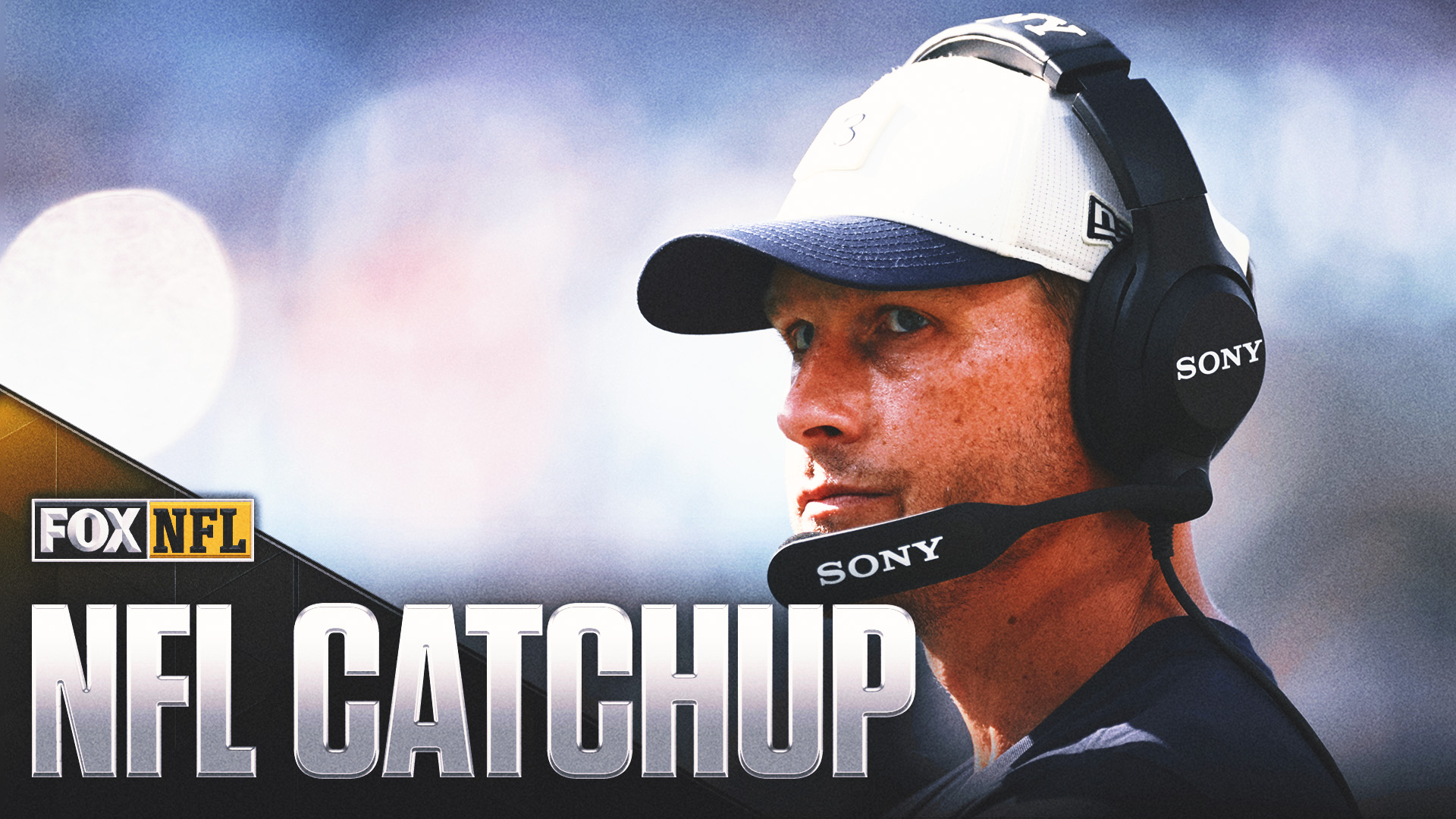
The Chicago Bears kicked off their season with a historic offensive explosion, dismantling the Carolina Panthers with a dominant 59-37 performance in Week 1, marking their highest-scoring Week 1 output in franchise history. Head coach Ben Johnson, addressing the media on Monday, articulated a clear strategy behind his team’s sustained offensive intensity, even in the latter stages of a game that appeared to be well in hand. Despite holding a comfortable 45-31 lead following a third-quarter touchdown run by Kyle Monangai, the Bears’ offense continued to find the end zone, adding two more scores in the final quarter. This decision to remain aggressive was rooted in a pragmatic understanding of the game’s dynamics and a healthy respect for their opponent.
"Anytime you’re still within a couple of scores there in the fourth quarter, the game is still on, and so we needed that," Johnson explained, providing further context to his team’s approach. "I forget what time it was that we took the field for that last drive, and it was, ‘Guys, we want to finish the game with the ball,’ and then ended up getting one to pop through, and [D’Andre Swift] ended up scoring there at the end." This statement underscores a coaching philosophy that prioritizes maintaining momentum and executing plays with the same urgency throughout the entire contest, regardless of the scoreline. The emphasis on "finishing the game with the ball" suggests a desire to control the clock, exert offensive dominance, and prevent any potential comebacks.

Johnson further elaborated on the strategic considerations that influenced their decision to maintain offensive pressure, highlighting the Carolina Panthers’ proven ability to mount comebacks. He noted that the Panthers had demonstrated a remarkable knack for rallying from behind in previous seasons, a tendency that was firmly on the minds of the Bears’ coaching staff. "It’s a credit to Carolina more than anything," Johnson admitted. "We went into the game with a lot of respect for how well they could play in the fourth quarter. They had a number of games a year ago where the quarterback and the offense found a way to come back and win from behind; that was just something that was on our mind going into the game. We knew we couldn’t let off the gas." This acknowledgement of the Panthers’ resilience speaks to a thorough game-planning process that accounted for historical performance and potential strategic threats. The Bears’ commitment to maintaining offensive pressure was not merely about accumulating points but about neutralizing a known threat and securing a crucial early-season victory.
Looking ahead, the Bears’ offense faces an immediate and significant challenge in their home opener against their NFC North division rival, the Minnesota Vikings, this Sunday. This matchup will serve as an early litmus test for the Bears’ offensive prowess and their ability to maintain the intensity displayed in Week 1 against a formidable divisional opponent.
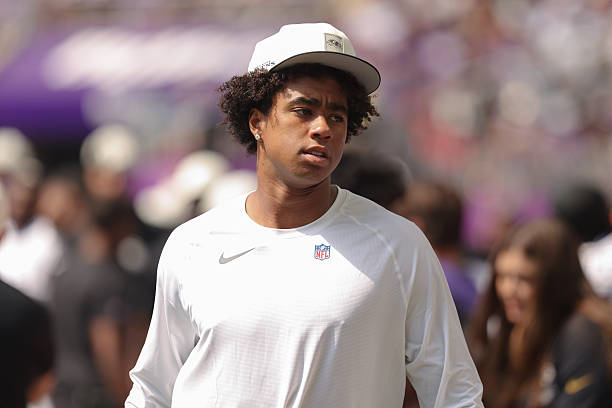
In stark contrast to the Bears’ offensive success, the Baltimore Ravens are navigating a challenging period with their receiving corps, which has recently thinned due to an injury to rookie wideout Ja’Kobi Lane. Lane is reportedly slated to undergo surgery as early as Wednesday to address a fractured wrist, a procedure that is anticipated to sideline him for approximately a month. This significant absence further exacerbates an already injury-plagued situation for the Ravens’ receiving unit. The team had previously seen wide receiver Zay Flowers sustain a hamstring injury, prompting a greater reliance on players like Rashod Bateman, Chris Moore, and Elijah Sarratt as they move up the depth chart.
"Zay’s probably a little bit more like in the day-to-day range. You know, feel pretty good about where that’s at. We’ll see how the week goes," Ravens defensive coordinator Mike Macdonald commented on Flowers’ status, expressing cautious optimism. However, when addressing Lane’s injury, Macdonald acknowledged the likely extended absence, stating he expected Lane to be out, "maybe a little bit longer." This suggests a more serious concern for Lane compared to Flowers, highlighting the impact of the fractured wrist.

Lane, a 21-year-old third-round selection from USC, was widely expected to become a significant red-zone threat for the Ravens, complementing Flowers after a stellar collegiate career. His NFL debut was unfortunately cut short in Week 1 against the Indianapolis Colts. During his time at USC, Lane showcased his talent, amassing 99 receptions for 1,363 yards and 18 touchdowns over three seasons. He had been working as the No. 2 wide receiver behind Flowers prior to his injury, underscoring the void his absence will create. A month-long layoff could see Lane make his return around Baltimore’s matchup with the Atlanta Falcons in October, after the Ravens have faced the New Orleans Saints, Dallas Cowboys, and Tennessee Titans. This extended absence will undoubtedly test the Ravens’ depth at the wide receiver position and their ability to adapt their offensive game plan.
On a more positive note for the Kansas City Chiefs, there is encouraging news regarding rookie cornerback Mansoor Delane. Delane is believed to have sustained only a short-term shoulder injury during Monday night’s victory over the Denver Broncos. Reports from NFL Network indicate that X-rays and CT scans have come back clean, although he was still scheduled for an MRI to confirm the extent of the issue. Delane appeared to aggravate a shoulder problem that had been a lingering concern since the offseason program and training camp.
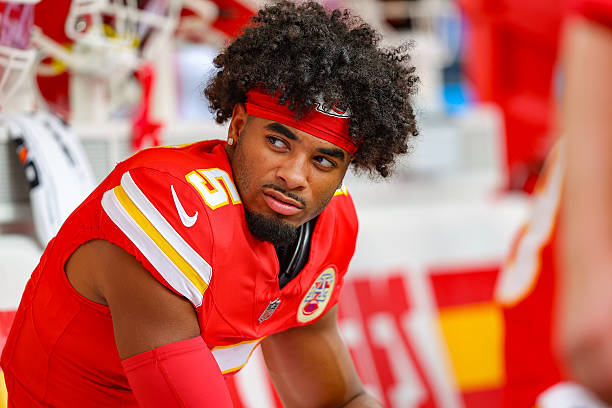
Despite this pre-existing concern, Delane made an immediate impact on the game. In just his third career snap, he recorded his first career interception, effectively ending Denver’s opening possession. However, he landed awkwardly on his shoulder during the play and was unable to return to the game. The early indications pointing towards a short-term injury, rather than a long-term absence, offer a significant boost of optimism for the Chiefs. They will be eager to have their highly-touted first-round draft pick back in the fold as quickly as possible, as the team’s secondary continues to solidify its cohesion and effectiveness throughout the regular season. The Chiefs are set to host the Indianapolis Colts on Sunday night in Week 2, and Delane’s potential return would be a welcome addition to their defensive efforts.
The early part of the NFL season is always a period of adjustment and adaptation, with teams battling not only their opponents but also the inherent physical demands of the sport. The injury updates for the Ravens and Chiefs highlight the delicate balance between player development and the constant threat of setbacks. For the Bears, their strategic approach in Week 1 provides a fascinating glimpse into a coaching staff that prioritizes sustained execution and a proactive mindset, even when seemingly in control of a game. As the league progresses through its early weeks, the health of key players and the strategic decisions of coaching staffs will continue to shape the narrative and the outcomes of crucial matchups. The ongoing evolution of team dynamics, player performance, and injury management will undoubtedly be central themes as the NFL season unfolds. The resilience and depth of teams will be tested, and those that can best navigate these challenges will likely emerge as strong contenders. The early season performances and injury reports offer valuable insights into the potential trajectories of these teams, setting the stage for what promises to be another compelling and unpredictable NFL campaign. The strategic nuances, such as the Bears’ refusal to ease off the gas, demonstrate a sophisticated understanding of opponent tendencies and game management. Conversely, the Ravens’ situation underscores the fragility of a team’s depth and the critical importance of player health, particularly for promising rookies like Lane. The Chiefs’ fortunate outcome with Delane serves as a reminder that even with early impacts, the risk of injury remains a constant factor in the NFL. These diverse storylines are intrinsically linked, weaving together the fabric of the league and providing compelling narratives for fans and analysts alike.
