
 By Lina Irawan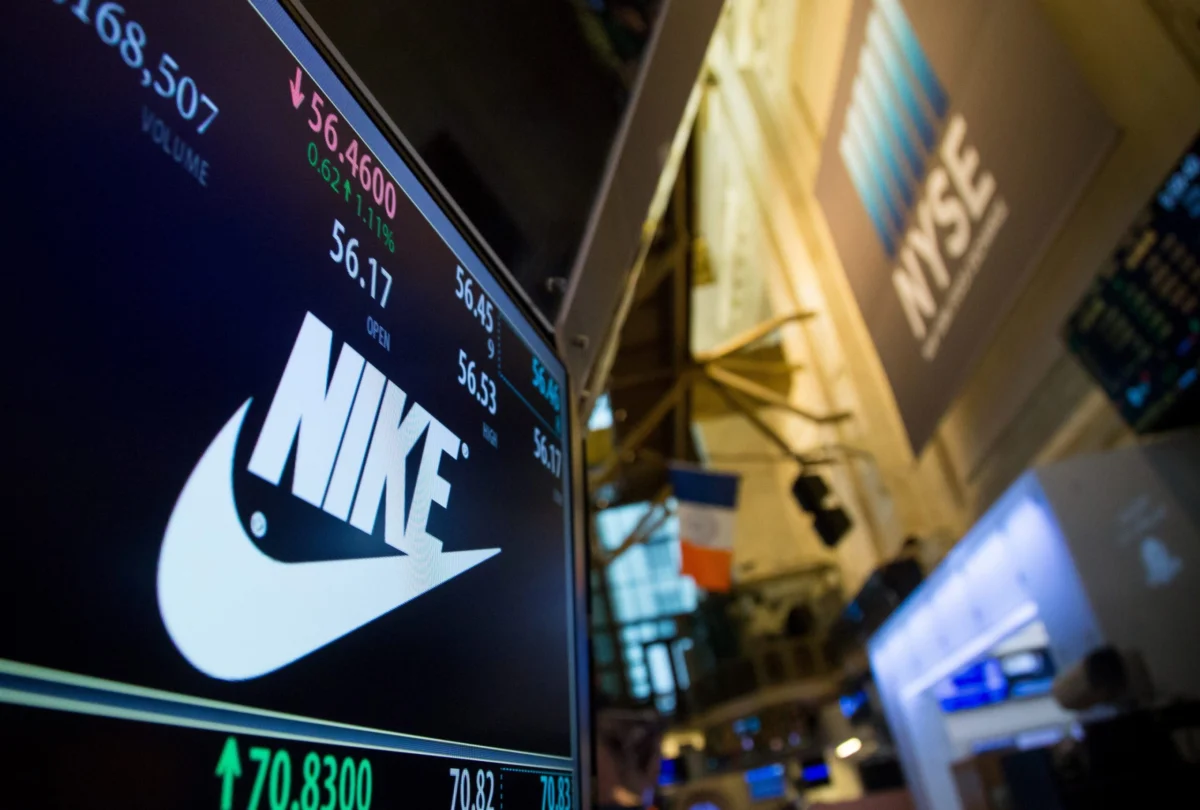
The athletic apparel giant, once an undisputed titan of global commerce and a symbol of aspirational achievement, is facing a formidable challenge to its long-held dominance. Nike, Inc., a company whose very name is derived from the Greek goddess of victory, is grappling with a significant reversal of fortune, culminating in its imminent removal from the prestigious S&P 100 index for the first time in almost two decades. This symbolic demotion underscores a period of profound financial contraction, with the company witnessing a staggering loss of over $200 billion in market capitalization since its all-time high in late 2021.
The trajectory of Nike’s market value paints a stark picture of investor apprehension and operational headwinds. From its peak valuation of approximately $264 billion in November 2021, when Nike shares were trading at an impressive $179.10, the company’s market capitalization has plummeted to roughly $57 billion today. This represents a precipitous 78% decline in a relatively short span, with shares currently hovering around $38 apiece. Such a dramatic fall from grace has triggered its exit from the S&P 100, an index reserved for the largest and most established U.S. companies. The reshuffling, scheduled for September 21, follows an particularly brutal 2026, during which Nike’s market cap contracted by an additional 36%.
For almost 18 years, Nike had been a consistent fixture in the S&P 100, a benchmark widely considered a bellwether for the health and direction of the American economy. Its inclusion signaled not just immense scale but also robust financial performance and investor confidence. The S&P Dow Jones Indices’ rules for quarterly rebalancing are designed to ensure that these indexes accurately reflect the prevailing market-capitalization ranges. While Nike will maintain its position within the broader S&P 500 index, its exclusion from the more exclusive S&P 100 is a powerful indicator of its diminishing stature among the corporate elite. This shift is not merely a statistical adjustment; it’s a profound statement about the changing landscape of American industry and Nike’s place within it.
Nike is not alone in its departure from the S&P 100. Other established names like Honeywell Aerospace, Simon Property Group, and Colgate-Palmolive are also slated to exit on the same date. Their places, including Nike’s, will be taken by companies predominantly from the information technology sector, such as Dell Technologies, Palo Alto Networks, Arista Networks, and Sandisk. This collective reshuffle highlights a broader economic transformation, signaling a definitive trend towards servers, data infrastructure, cybersecurity, and digital technologies dominating the blue-chip indices. This paradigm shift underscores how traditional consumer discretionary and industrial giants are ceding ground to the burgeoning digital economy, making Nike’s struggle to maintain its elite status even more pronounced against a backdrop of surging tech innovation.
Why is Nike Dropping? Unpacking the Underperformance
The roots of Nike’s decline are multifaceted, stemming from a combination of challenging market dynamics, intensified competition, and strategic missteps that have impacted its financial performance. According to the company’s own investor report, the underlying business has shown signs of significant deterioration. For fiscal year 2026, Nike reported $46.4 billion in revenue, a 2% decrease on a currency-neutral basis. The "currency-neutral" metric is particularly telling, as it strips away the impact of fluctuating exchange rates, revealing that the core business itself generated less revenue irrespective of global currency movements. This indicates a genuine softening in demand or sales volume rather than merely unfavorable forex conditions.
A critical factor in this downturn has been the persistent struggle in Greater China, a region historically vital for Nike’s growth and global expansion strategy. Sales in this crucial market plummeted by 17% on a constant-currency basis in the company’s fourth quarter of fiscal 2026. This isn’t an isolated incident; Nike has endured an alarming eight consecutive quarters of declining sales in mainland China, Hong Kong, Taiwan, and Macau. The company itself has issued a cautious outlook, warning investors that revenue is expected to continue declining into the first half of fiscal year 2027, suggesting that a swift recovery is not on the immediate horizon.
The challenges in China are complex and deeply entrenched. Geopolitical tensions, shifts in consumer sentiment favoring local brands, and aggressive competition have all played a role. Chinese sportswear brands like Anta and Li Ning have invested heavily in product innovation, marketing, and cultural relevance, often leveraging patriotic consumer preferences. Simultaneously, international rivals, particularly specialized performance brands such as Hoka and On, have carved out significant market share by offering highly specific, high-performance athletic footwear, challenging Nike’s broader, more generalized appeal. Nike’s response has included efforts to gain greater control over its online distribution in China, even reportedly pulling online sales rights from major retail partners. While this strategy aims to enhance brand control and potentially improve margins, it also risks alienating established partners and could limit market reach in a highly competitive e-commerce landscape.
Beyond China, Nike’s direct-to-consumer (DTC) business, once hailed as a cornerstone of its future growth strategy, has also faltered. In fiscal year 2026, DTC revenue fell by 6% to $17.7 billion. This is a significant blow, as the DTC model promised higher margins, direct customer relationships, and invaluable data insights. The decline suggests that Nike’s aggressive push into DTC, which included streamlining its wholesale partnerships, may have encountered unforeseen obstacles or market resistance. In a notable strategic pivot, wholesale revenue actually increased by 6% to $27.5 billion, according to Nike’s results. This reversal indicates a tactical shift under CEO Elliott Hill, who has increasingly focused on rebuilding wholesale relationships, a move that provides broader market penetration but typically comes with lower profit margins compared to direct sales.
Strategic Recalibration and the Path Forward
CEO Elliott Hill’s turnaround strategy is centered on several key pillars: strengthening wholesale partnerships, reducing excess inventory, and re-emphasizing performance products. The issue of excess inventory is particularly critical; an oversupply of products often leads to aggressive discounting, eroding profit margins and potentially diluting brand value. By addressing this, Nike aims to restore pricing power and protect its premium image. The renewed focus on performance products is a direct response to the rise of specialized brands and aims to reclaim Nike’s heritage as an innovator in athletic gear, rather than just a lifestyle brand.
In his report, Hill articulated the company’s commitment: "We made meaningful structural improvements to lay the groundwork for our Sport Offense across our team culture, innovative product, brand strength, and how we serve consumers in our countries and cities." While acknowledging persistent "top-line headwinds" – a euphemism for declining revenue – Hill expressed encouragement regarding "progress in performance product" and a focus on "consistent execution, improved profitability and scaling our wins to realize our full potential." These statements suggest that while some internal initiatives are showing promise, the challenges remain substantial, and a comprehensive turnaround will require sustained effort and time.
Industry analysts weigh in on the complexities of such a transformation. "Nike’s struggles are a stark reminder that even the most iconic brands are not immune to market shifts and intense competition," noted Sarah Chen, a senior analyst at Global Equities Research. "Their aggressive pivot to DTC in recent years, while strategically sound in theory, overlooked the enduring power of wholesale distribution for reach and scale, especially in fragmented global markets. The current re-emphasis on wholesale suggests a pragmatic adjustment, but it comes at a cost of potential margin compression."
The competitive landscape globally continues to intensify. Beyond the aforementioned Chinese brands and specialized running shoe companies, Nike faces ongoing pressure from long-standing rivals like Adidas and Puma, as well as emerging players in the athleisure segment like Lululemon, which has successfully captured a premium segment of the market. Consumers are increasingly discerning, demanding not only performance but also sustainability, personalization, and seamless digital experiences. Nike’s ability to innovate rapidly and adapt to these evolving consumer expectations will be crucial.
The investor community’s skepticism, as highlighted by Reuters’ report that Nike shares were down approximately 35% for 2026 alone, indicates a lack of immediate confidence in the current turnaround plan. While the company still boasts an unparalleled brand legacy, global infrastructure, and a formidable roster of athlete endorsements, translating these assets into consistent financial growth and regaining market trust will be a formidable task. The upcoming fiscal quarters will be critical in demonstrating tangible improvements in revenue trends, particularly in key markets like China, and in showcasing the effectiveness of CEO Hill’s strategic adjustments. Nike’s journey to reclaim its former glory, and perhaps its spot among the S&P 100’s elite, will undoubtedly be a marathon, not a sprint. The company did not immediately respond to a request for comment from Fortune regarding these developments.
