
 By admin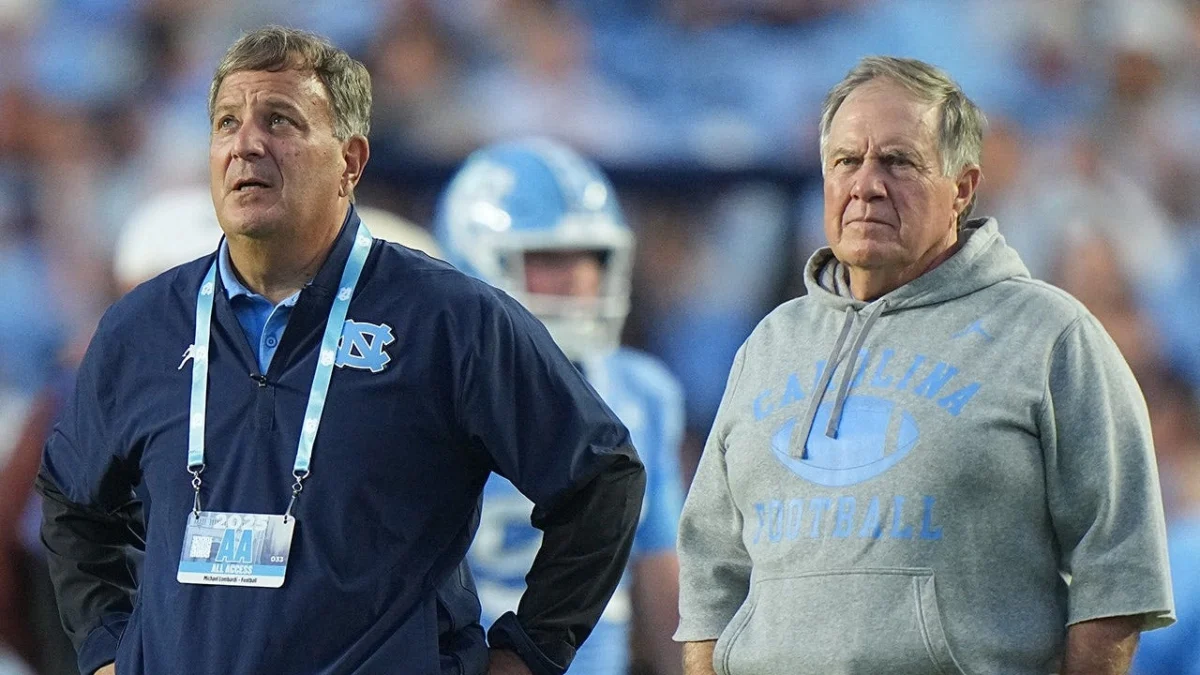
As the North Carolina Tar Heels gear up for their second season under the storied leadership of head coach Bill Belichick, the familiar hum of football anticipation is once again being overshadowed by off-field controversies. While the initial preseason buzz surrounding Belichick’s arrival last year was palpable, a cloud of uncertainty now hangs over the program as general manager Michael Lombardi has been placed on administrative leave pending an investigation, officially launched by the university earlier this week. The lack of transparency surrounding the probe has fueled speculation and left many questioning the potential impact on team dynamics and performance.
Belichick, a figure synonymous with meticulous preparation and strategic dominance during his legendary NFL tenure with the New England Patriots, appeared to deflect questions regarding Lombardi’s absence during a recent press conference. His measured response, stating, "We’re working through some things," and emphasizing the "particular time of the year" with "certain things that are in play," did little to quell the growing unease. The veteran coach’s characteristic stoicism, while often a strength on the sidelines, offered little insight into the internal challenges facing the Tar Heels.
The University of North Carolina at Chapel Hill, through its Office of University Counsel, confirmed the formal commencement of the investigation on Thursday, citing "concerns behind allegations that led to the personnel action regarding Michael Lombardi announced on July 27." However, details regarding the specific nature of these allegations remain conspicuously absent, leaving a void that has been filled by rampant speculation within sports media circles and among the fanbase. The university has categorized the probe as a human resources matter, and while athletic director Steve Newmark acknowledged the necessity of a comprehensive review, he also expressed a desire for a swift resolution, stating, "the university counsel’s office is going to have this go as quickly as possible." This sentiment is echoed by Chancellor Lee Roberts, who voiced frustration over the distraction, stating, "I’m disappointed that we’re talking about this. We should be focusing on our student-athletes and on their success."
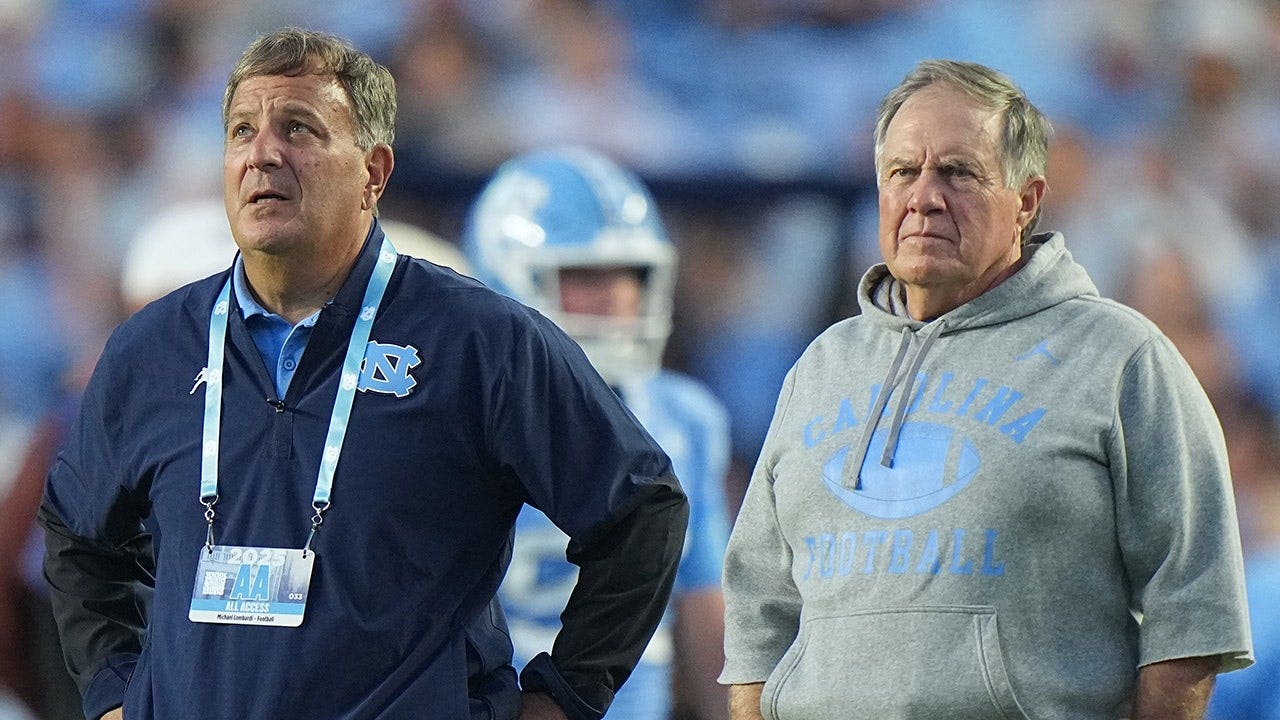
The timing of this development is particularly sensitive, occurring as the Tar Heels enter their critical fall camp, a period crucial for team cohesion, strategic refinement, and player development. Lombardi, a respected figure in football operations known for his analytical approach and extensive network, has been a key lieutenant for Belichick in building the UNC program. His indefinite absence raises questions about the continuity of personnel decisions, recruitment strategies, and the overall organizational structure that Belichick has been tasked with establishing. The impact of such a significant leadership void, particularly one shrouded in such mystery, can ripple through an entire athletic department, affecting morale, focus, and operational efficiency.
This situation is not entirely unprecedented for Belichick, whose NFL career was marked by intense scrutiny and an unwavering focus on football above all else. However, the college landscape presents a different set of challenges, where public perception, university administration, and the direct involvement of student-athletes necessitate a more nuanced approach to crisis management. While Belichick’s past successes in navigating complex situations are well-documented, the current circumstances at UNC demand a level of transparency and communication that he has historically kept to a minimum.
The enigmatic nature of the investigation has naturally led to comparisons with other high-profile situations in college athletics, where allegations of misconduct have led to protracted legal battles and significant reputational damage. The absence of any specific details about the allegations against Lombardi fuels concerns about the potential for unsubstantiated claims to gain traction and unfairly tarnish reputations.
Adding another layer of complexity to the unfolding situation are reports of a separate College Sports Commission investigation into the Tar Heels’ football program. Athletic Director Steve Newmark declined to comment on these reports, further contributing to the atmosphere of uncertainty and raising the stakes for the UNC program. Such investigations, regardless of their outcome, can have a significant impact on recruiting, NCAA compliance, and the overall perception of the program’s integrity. The recent ruling by a Colorado judge regarding the eligibility of a 2022 class, which has the potential to reshape college sports, further underscores the volatile and evolving regulatory landscape in which UNC now finds itself.
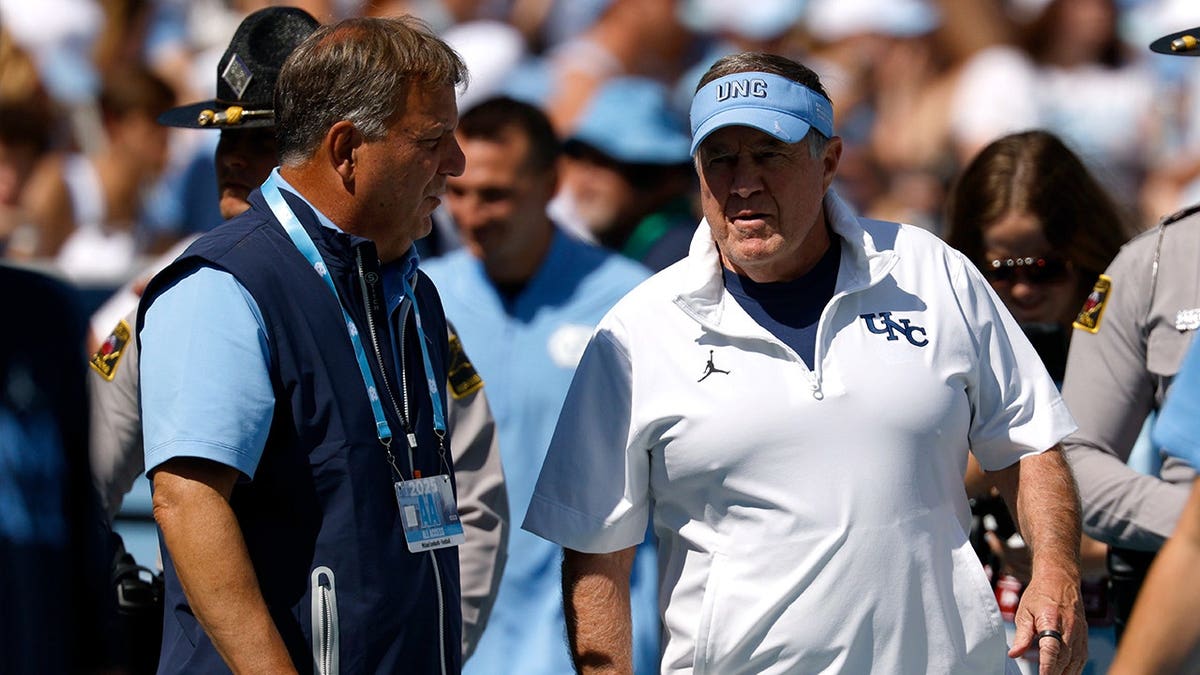
Michael Lombardi has retained prominent attorney Tom Mars, who released a statement on Friday aiming to address the speculation and express his client’s position. "Michael hasn’t been told anything about the nature of UNC’s investigation and welcomes the opportunity to clear his name, which has already been sullied by baseless statements and innuendo on social media," Mars stated. He further emphasized Lombardi’s full cooperation with UNC and expressed confidence that the investigation would be "swift, thorough, and fair." The attorney also appealed for patience and due process, urging against premature judgments until the investigation concludes. This statement, while offering a degree of reassurance, does little to alleviate the immediate concerns about the ongoing disruption to the UNC football program.
The context of Belichick’s arrival at UNC cannot be overstated. After parting ways with the New England Patriots, his decision to take the helm of a struggling college program sent shockwaves through the sports world. The hope was that his legendary coaching acumen and organizational discipline would quickly revitalize the Tar Heels, who had a disappointing 4-8 record in his inaugural season. The initial promise of a new era, marked by a return to winning football, now appears to be facing significant headwinds before the second season has even truly begun.
The challenges facing Belichick at UNC are multifaceted. He is not only tasked with rebuilding a program on the field but also with establishing a culture of integrity and accountability off it. The current investigation into Lombardi’s conduct, regardless of its eventual outcome, serves as a stark reminder of the delicate balance required in intercollegiate athletics, where academic, ethical, and athletic pursuits are inextricably linked.
The university’s commitment to a thorough investigation, while commendable from an institutional perspective, presents a significant immediate challenge for the football team. The uncertainty surrounding Lombardi’s future and the unanswered questions about the investigation’s scope could create a distracting and potentially demoralizing environment for players and coaching staff alike. Belichick’s ability to navigate this turbulent period will be a critical test of his leadership beyond the Xs and Os.
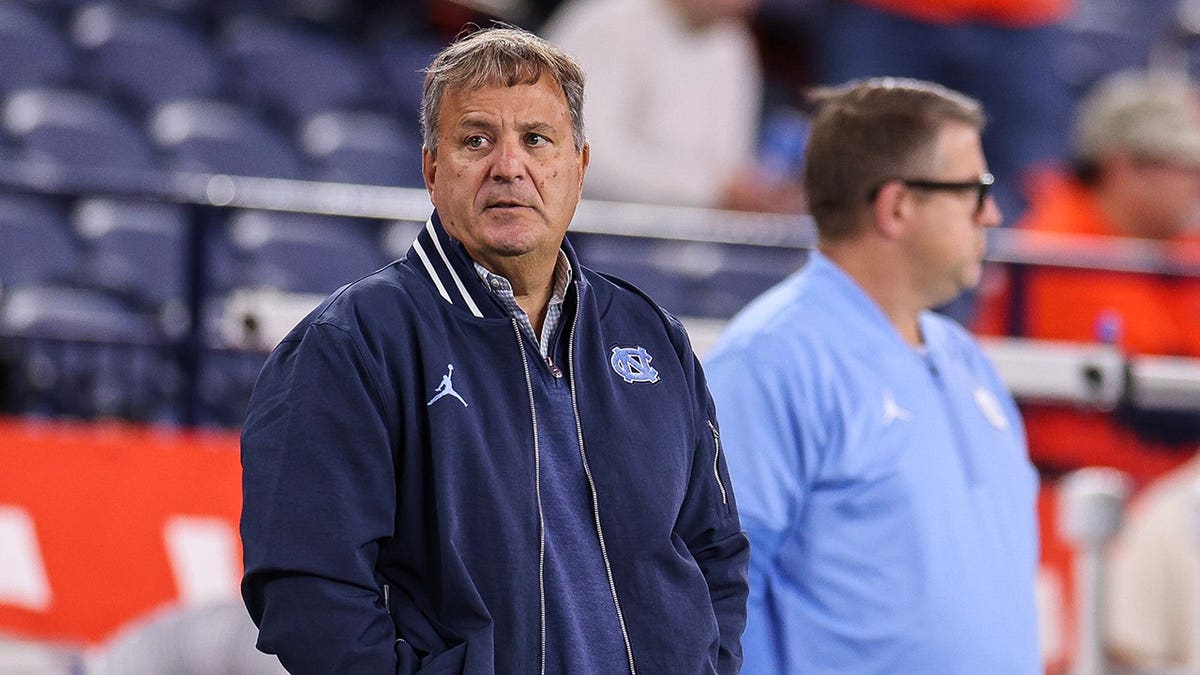
As fall camp progresses, the focus will inevitably remain divided between preparing for opponents and managing the ongoing internal crisis. The silence from the university and the coach on the specifics of the allegations only amplifies the pressure and the potential for further reputational damage. The coming weeks will be crucial for UNC football, as the program seeks to find its footing amidst a storm of off-field developments, all while striving to build a foundation for future success under one of the most iconic figures in modern sports. The narrative surrounding Bill Belichick’s tenure in Chapel Hill has, once again, become a complex tapestry woven with both the promise of gridiron glory and the stark realities of administrative challenges and ethical scrutiny.
