
 By admin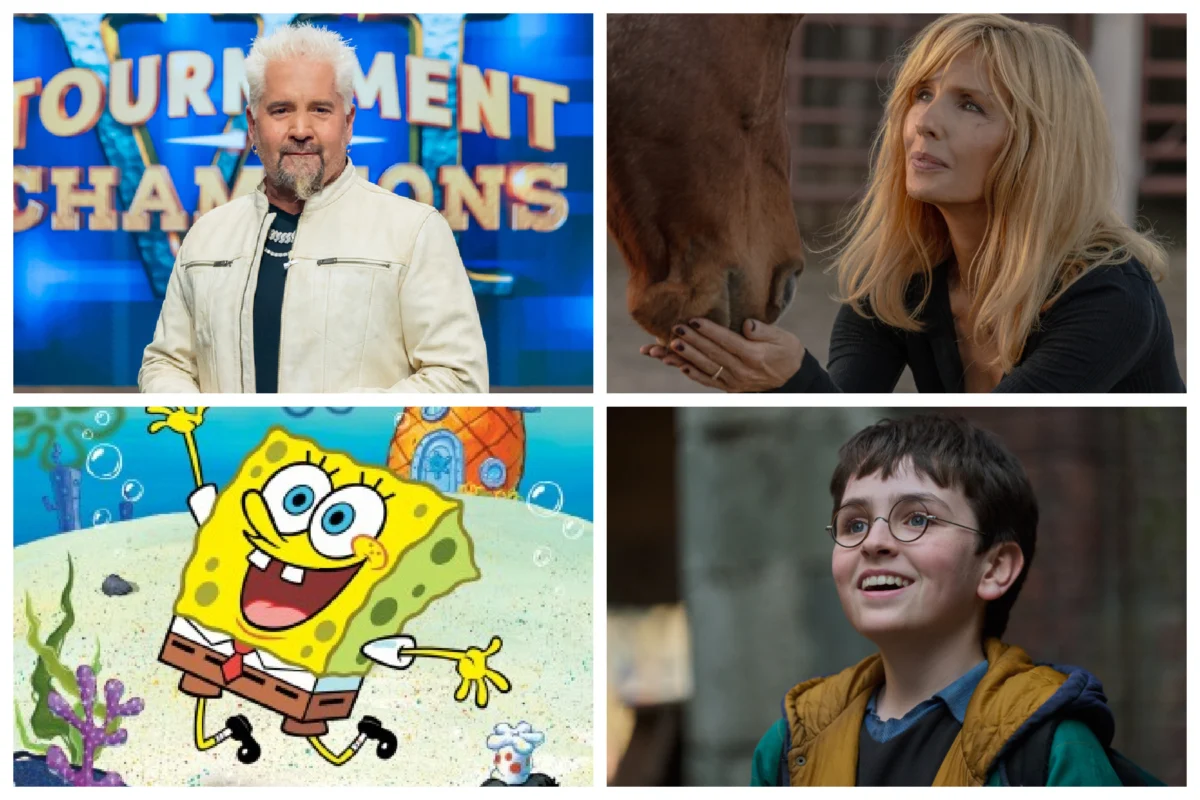
The impending union of Paramount Global and Warner Bros. Discovery, a monumental deal now officially cleared to proceed following the settlement of a 12-state antitrust lawsuit, signals the birth of a media conglomerate of unparalleled scale and scope. This merger, orchestrated by David Ellison’s Skydance Media, which previously acquired Paramount, distinguishes itself from prior industry consolidations not merely by its size, but by the sheer magnitude and diversity of the brands and intellectual property it will command. The combined entity is set to inherit a vast library of content, encompassing not only existing film and television portfolios but also a significant expansion through the integration of Skydance’s recent acquisition of Paramount. This strategic amalgamation is expected to finalize within approximately two weeks, as confirmed by Ellison to employees on Monday, marking a pivotal moment in the evolution of the entertainment landscape.
The sheer breadth of programming that will fall under the umbrella of the newly merged company is staggering, a testament to decades of content creation and strategic acquisitions by both Paramount and Warner Bros. Discovery. This potent combination includes beloved franchises that have defined generations, such as Warner Bros. Discovery’s crown jewels: the magical world of Harry Potter, soon to be reignited with a new HBO series, and the epic fantasy saga of Game of Thrones. On the Paramount side, the immensely popular Yellowstone universe, a modern television phenomenon, and the enduring legacy of Nickelodeon’s animation empire, featuring characters like SpongeBob SquarePants, will be central to the combined company’s offerings. Beyond these flagship properties, the new entity will boast an extensive catalog that includes Mission: Impossible, Top Gun, Transformers, Teenage Mutant Ninja Turtles, Dora the Explorer, Paw Patrol, South Park, Star Trek, and The Godfather from Paramount’s heritage, alongside Warner Bros. Discovery’s The Lord of the Rings, the expansive DC Universe, Dune (distribution rights), the evergreen sitcom Friends, the action-packed Mortal Kombat, the timeless humor of Looney Tunes, and the groundbreaking science fiction of The Matrix. This rich tapestry of intellectual property represents a treasure trove of storytelling potential, offering unparalleled opportunities for cross-platform synergy and fan engagement.
The integration extends far beyond iconic franchises to encompass a formidable array of streaming services, linear television networks, and news organizations. The streaming landscape will see the consolidation of Paramount+’s expansive content library, including its exclusive original programming and extensive film and television catalog, with HBO Max, renowned for its prestige dramas and extensive Warner Bros. film library. This merger of Paramount+ and HBO Max, two of the most prominent players in the streaming wars, could lead to a more streamlined and potentially more competitive offering, or a complex integration process aimed at maximizing subscriber value. Furthermore, the inclusion of Pluto TV, Paramount’s free, ad-supported streaming television (FAST) service, alongside Discovery+’s deep bench of non-fiction and lifestyle content, diversifies the streaming strategy significantly, catering to a wider spectrum of viewer preferences and consumption habits. The FAST market, in particular, has seen significant growth, and the combination of Paramount’s existing FAST assets with the potential for new content integration could solidify its position in this burgeoning sector.
The linear television network portfolio is equally impressive, creating a formidable presence across a wide range of genres and demographics. Paramount’s traditional broadcast network, CBS, a cornerstone of American television for decades, will be joined by its affiliated cable networks, including Nickelodeon and Nick Jr. (catering to younger audiences), MTV (a cultural touchstone for music and youth culture), VH1, CMT, Comedy Central, Showtime (known for its critically acclaimed original series), Paramount Network, BET (serving the Black community), and TV Land. Warner Bros. Discovery brings its own powerful collection of linear channels, including the influential HBO, a benchmark for prestige television; CNN, a global leader in news; Cartoon Network and Adult Swim, destinations for animated entertainment; the popular cable networks TBS and TNT; the comedy-focused truTV; and the vast array of Discovery Channel’s factual programming, including HGTV, Food Network, TLC, Investigation Discovery (ID), and the burgeoning Magnolia Network, a joint venture with Chip and Joanna Gaines, as well as OWN and Animal Planet. This vast network of channels provides extensive reach and diverse programming options, enabling significant advertising and distribution synergies.
The news divisions of both companies, CBS News and CNN, represent a significant concentration of journalistic power and global reach. The integration of these two entities could lead to a more robust and comprehensive news operation, capable of delivering breaking news and in-depth reporting across multiple platforms and international markets. The potential for collaboration, resource sharing, and unified editorial strategies could redefine the news media landscape, offering a formidable competitor to existing global news organizations.
Furthermore, the merged entity will boast substantial film and television production studios, including Paramount Pictures, Paramount Television Studios (encompassing MTV Entertainment Studios), CBS Studios, Skydance Media, and Paramount Animation on the Paramount side. Warner Bros. Discovery contributes its iconic Warner Bros. Pictures, Warner Bros. Television Studios, New Line Cinema, and DC Studios. This consolidation of production powerhouses creates a vertically integrated media giant with the capacity to develop, produce, and distribute content across all platforms, from blockbuster films to episodic television and animated features. The synergy between these studios, coupled with access to their extensive libraries, provides a powerful engine for content creation and franchise expansion.
The acquisition also extends into the burgeoning video game industry, with Paramount Games Studio (formed from the combined Skydance New Media and Skydance Interactive) set to merge with Warner Bros. Games. This includes major development studios such as Warner Bros. Games Montreal, Avalanche, NetherRealm Studios (known for the Mortal Kombat series), Rocksteady (creators of the Batman: Arkham series), and TT Games (developers of the Lego video games). This significant presence in the gaming sector allows the new company to capitalize on the massive and rapidly growing global video game market, offering opportunities for direct engagement with consumers and the creation of interactive entertainment experiences tied to its established intellectual property. The potential for cross-promotion between film, television, and gaming properties is immense, creating a holistic entertainment ecosystem.
The strategic rationale behind such a colossal merger is multifaceted, driven by the need to achieve economies of scale, leverage diverse content libraries, and navigate the increasingly competitive and fragmented media landscape. In an era dominated by streaming services and a shift in consumer viewing habits, consolidating assets allows for greater efficiency in content production, marketing, and distribution. The sheer volume of intellectual property controlled by the new entity provides a significant competitive advantage, enabling the creation of interconnected universes, spin-off series, and a constant stream of new content to engage audiences across multiple platforms.
However, such a massive consolidation also presents significant challenges. Regulatory scrutiny, as evidenced by the antitrust lawsuit, will likely remain a factor, with potential implications for future acquisitions and market practices. The integration of vastly different corporate cultures, operational structures, and technological platforms will be a complex undertaking, requiring careful management and strategic planning to avoid disruptions and ensure smooth transitions. The potential for significant layoffs as redundant positions are eliminated is also a likely consequence, impacting thousands of employees across both organizations.
Expert analysis suggests that the success of the Paramount-Warner Bros. Discovery merger will hinge on its ability to effectively monetize its vast asset base. This includes optimizing streaming strategies, maximizing advertising revenue across its linear networks, and leveraging its intellectual property for new ventures, including theme park attractions, merchandise, and gaming expansions. The ability to create compelling narratives that resonate with diverse audiences and translate across different media formats will be paramount.
The consolidation of these media titans represents a bold move in an industry undergoing constant transformation. The sheer scale of the combined entity, with its unparalleled portfolio of content, brands, and distribution channels, positions it as a dominant force in global entertainment. The coming months will be crucial as the integration process unfolds, with the media world watching closely to see how this new behemoth will reshape the future of storytelling, consumption, and the very definition of entertainment. The promise of synergy and innovation is immense, but the path to realizing that potential will undoubtedly be paved with significant strategic decisions and operational adjustments. The ultimate impact of this merger on consumers, creators, and the broader media ecosystem will only become clear in the years to come, but its significance as a landmark event in the history of the entertainment industry is already undeniable.
