
 By admin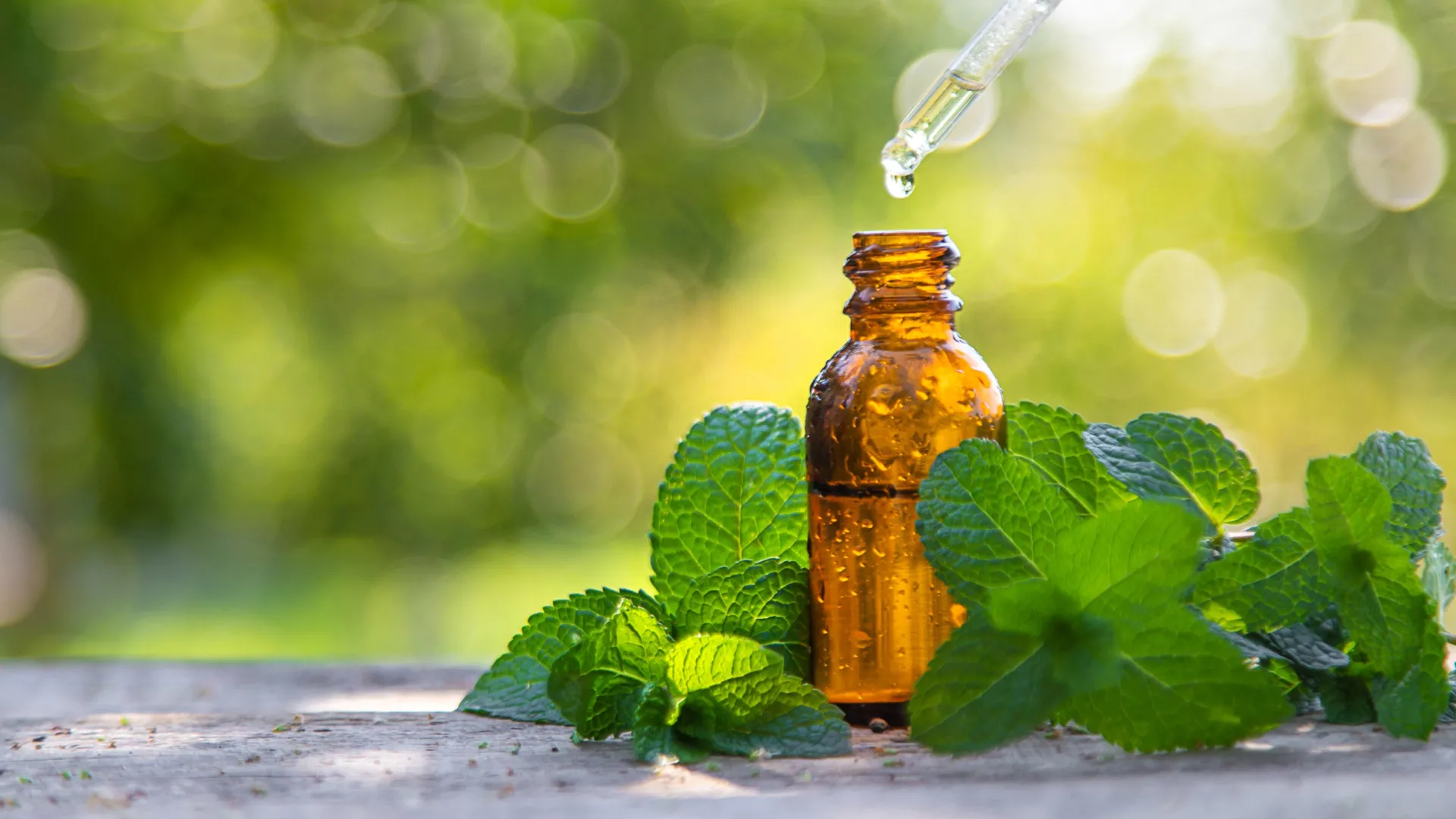
The findings, rigorously peer-reviewed and published in the esteemed scientific journal PLOS One, illuminate the potential of peppermint oil as a straightforward, inexpensive, and well-tolerated complementary option for individuals grappling with slightly elevated blood pressure, often categorized as prehypertension or stage 1 hypertension. This discovery could have profound implications, particularly in an era where the search for sustainable, low-side-effect interventions for chronic conditions is paramount.
A Silent Killer: The Global Burden of Hypertension
Hypertension, or high blood pressure, is often dubbed the "silent killer" because it typically presents without symptoms, yet silently damages blood vessels and vital organs over time. It is a major risk factor for heart attack, stroke, kidney disease, heart failure, and premature death. According to the World Health Organization (WHO), an estimated 1.28 billion adults aged 30-79 years worldwide have hypertension, and a staggering number of these individuals are unaware of their condition. The global economic burden of hypertension is immense, encompassing healthcare costs for treatment, management of complications, and lost productivity due to illness and premature mortality.
Conventional treatments for hypertension include a range of pharmacological agents such as ACE inhibitors, angiotensin receptor blockers (ARBs), diuretics, beta-blockers, and calcium channel blockers. While these medications are effective, they often come with a spectrum of potential side effects, including fatigue, dizziness, cough, headache, and gastrointestinal issues, which can impact patient adherence and quality of life. Moreover, achieving optimal blood pressure control often requires lifelong medication, which can be a financial strain for many, particularly in low- and middle-income countries. Lifestyle modifications—such as dietary changes (e.g., DASH diet), regular physical activity, weight management, and stress reduction—are foundational to hypertension management but can be challenging for individuals to consistently implement and maintain. This context underscores the urgent need for simple, well-tolerated, and affordable adjuncts to existing strategies.
Peppermint Oil: A Potential Low-Cost Approach to Blood Pressure Management
Dr. Jonnie Sinclair, a Reader in Sport and Health Sciences and the lead author of the study, articulated the critical importance of their research: "High blood pressure is one of the biggest causes of heart disease and death worldwide, and it costs a huge amount of money to treat. Although medicines are commonly used to treat it, it’s not always clear how well they work in the long-term, and they can cause unwanted side effects." His comments highlight the gap that peppermint oil, if further validated, could help to fill.
Peppermint (Mentha piperita) is a popular aromatic herb widely recognized for its fresh scent and flavor. It naturally contains a complex array of bioactive compounds, with menthol being the most prominent. Other key constituents include menthone, menthyl acetate, and various flavonoids. Menthol, in particular, has been studied for its diverse pharmacological properties, including its ability to relax smooth muscles, a mechanism that could contribute to vasodilation (widening of blood vessels) and thereby lower blood pressure. Flavonoids, on the other hand, are renowned for their antioxidant and anti-inflammatory effects, which can improve endothelial function – the health of the inner lining of blood vessels – a critical factor in blood pressure regulation. The synergistic action of these compounds is believed to underpin the observed physiological effects.
To investigate these possible effects in a controlled setting, the researchers enrolled 40 adults, aged between 18 and 65 years, who presented with either prehypertension or stage 1 hypertension. This demographic is particularly significant because early intervention at these stages can often prevent the progression to more severe forms of hypertension and reduce the risk of long-term cardiovascular complications. The participants were then randomly assigned to one of two groups. One group received a small, precisely measured daily amount of peppermint oil, specifically 100 microliters administered twice daily. The comparison group received a peppermint-flavored placebo that lacked the active oil, ensuring that any observed effects were due to the active compounds and not merely the taste or expectation. This randomized, placebo-controlled design is the gold standard for clinical trials, lending significant credibility to the study’s outcomes.
The results were compelling: participants in the peppermint oil group demonstrated a clear and statistically significant improvement in their systolic blood pressure readings. Conversely, the placebo group showed no meaningful or statistically significant change in their blood pressure over the 20-day trial period. This stark contrast underscores the active role of peppermint oil in blood pressure reduction.
Beyond Blood Pressure: A Holistic Look at Well-being
While systolic blood pressure was the primary focus and the most impactful finding, the researchers adopted a comprehensive approach, meticulously examining several other physiological and psychological measures. These included diastolic blood pressure (the bottom number), heart rate, various body measurements, a panel of blood test results, and self-reported assessments of mental well-being and sleep quality. Although the study did not detail specific positive changes in these secondary measures for the peppermint group, the act of tracking them signifies a commitment to understanding the broader impact of the intervention. The potential for peppermint oil to influence factors like stress or sleep, which are known contributors to blood pressure elevation, adds another layer of intrigue to its therapeutic profile.
Dr. Sinclair emphasized the broader clinical implications of their findings, stating: "Our findings were very positive and they have significant clinical implications, especially given arterial hypertension is the most common preventable risk factor for cardiometabolic disease and the greatest single risk factor for global mortality." He continued, highlighting the economic advantages: "Peppermint oil is low in calories and price so it’s proved to be a very simple and cost-effective solution to potentially treat millions of people around the world." This perspective is crucial, as the accessibility and affordability of an intervention can dramatically influence its real-world impact, particularly in public health initiatives.
Expert Commentary and Future Directions
Commenting on the study’s potential, Dr. Eleanor Vance, an independent cardiologist not involved in the research, remarked, "The reduction of 8.5 mmHg in systolic blood pressure is clinically meaningful, especially for individuals with prehypertension or stage 1 hypertension. Even small reductions in blood pressure can significantly lower the risk of cardiovascular events over a lifetime. What’s particularly exciting here is the simplicity and apparent excellent tolerability of peppermint oil. This research opens a promising avenue for complementary strategies, especially for patients who might be hesitant about starting conventional medications or who are seeking natural adjuncts to their lifestyle changes. However, it’s vital to stress that this is an initial study, and patients should not replace prescribed medications with peppermint oil without consulting their doctor."
Dr. Vance’s caution reflects the standard scientific approach: promising initial results necessitate further rigorous investigation. The current study, while robust in its design, had a relatively small sample size (40 participants) and a short duration (20 days). To firmly establish peppermint oil as a recommended intervention, larger, multi-center trials with longer follow-up periods are essential. Future research should aim to:
- Confirm findings: Replicate the results in larger and more diverse populations.
- Determine optimal dosage and formulation: Investigate if different dosages or delivery methods (e.g., enteric-coated capsules to prevent heartburn, compared to drops) yield varying effects.
- Elucidate mechanisms of action: Delve deeper into the precise molecular pathways through which menthol and other peppermint compounds exert their hypotensive effects.
- Assess long-term safety and efficacy: Evaluate the sustained effects and any potential long-term side effects of daily peppermint oil consumption over months or years.
- Study specific patient populations: Explore its effectiveness in different age groups, ethnicities, and individuals with co-morbidities.
- Investigate synergy with other interventions: Determine if peppermint oil can enhance the effects of lifestyle modifications or complement conventional antihypertensive medications.
The Broader Context of Natural Health Solutions
This study also contributes to a growing body of research exploring the therapeutic potential of natural compounds. There is increasing public interest in herbal remedies and dietary supplements, but scientific validation is crucial to differentiate anecdotal claims from evidence-based treatments. The University of Lancashire study exemplifies the rigorous scientific inquiry needed to translate traditional knowledge or observational data into clinically relevant insights. It underscores the importance of understanding the specific compounds, dosages, and mechanisms through which natural products might exert their effects.
In conclusion, the research from the University of Lancashire offers a tantalizing glimpse into a simple, natural solution for a pervasive global health challenge. The significant reduction in systolic blood pressure observed with daily peppermint oil supplementation is highly encouraging. While acknowledging the need for extensive further research, these findings lay a strong foundation for exploring peppermint oil as a valuable, inexpensive, and well-tolerated addition to the toolkit for managing mildly elevated blood pressure. If larger, long-term studies corroborate these initial results, peppermint oil could indeed become a practical and accessible option, potentially improving cardiovascular health outcomes for millions worldwide. It reinforces the notion that sometimes, the most impactful solutions might be found in the simplest of nature’s offerings, waiting for scientific inquiry to unlock their full potential.
