
 By admin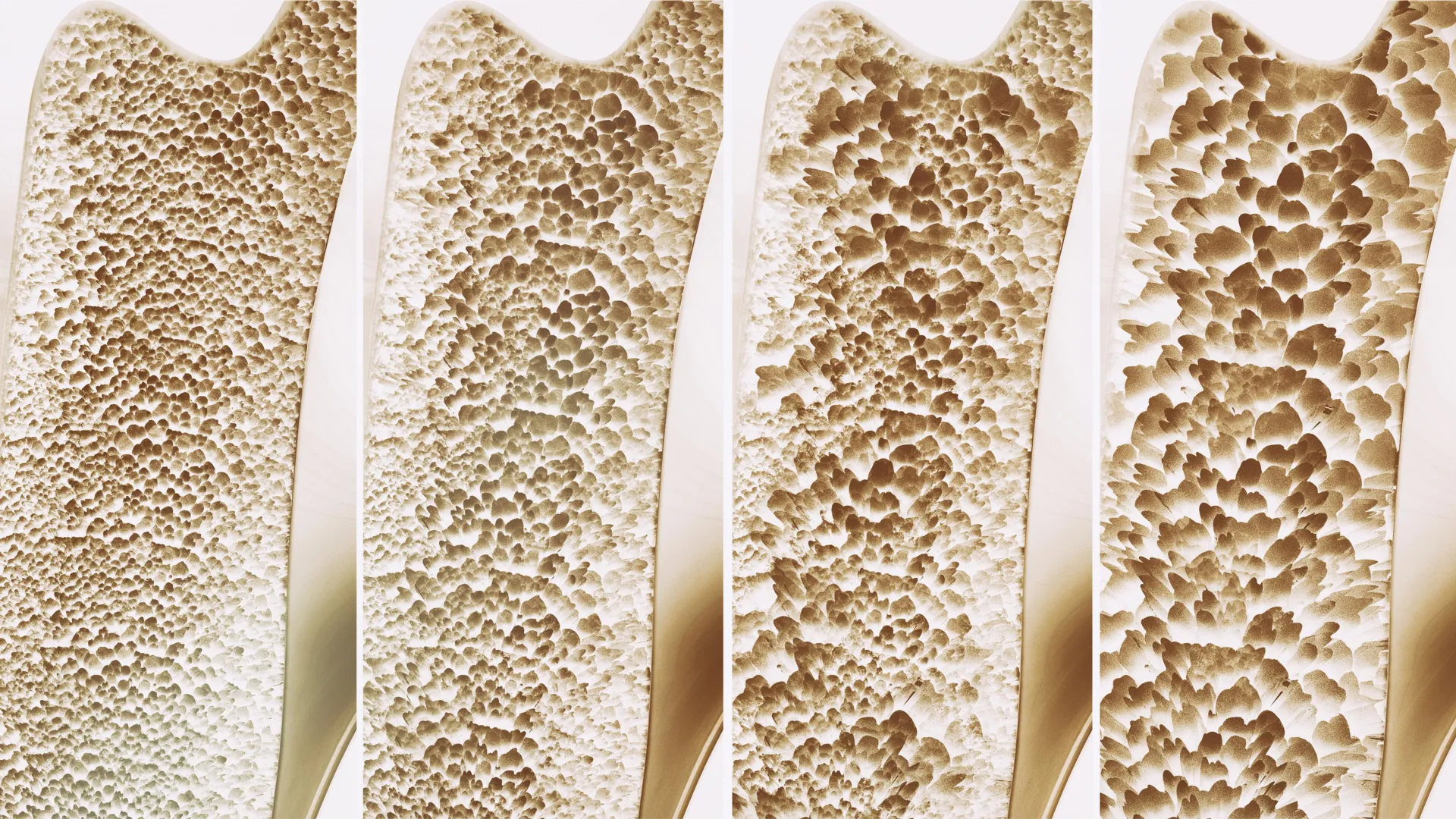
The urgent need for advanced therapeutic strategies stems from the inherent limitations of existing treatments. While current medications like bisphosphonates, denosumab, and parathyroid hormone analogs have made strides in managing osteoporosis, they often come with a range of side effects, require specific administration protocols, and are not always suitable for long-term use. Bisphosphonates, for instance, can cause gastrointestinal issues and, in rare cases, atypical femur fractures or osteonecrosis of the jaw, prompting careful monitoring and treatment holidays. Denosumab, an antibody that inhibits bone resorption, requires regular injections and cessation can lead to a rebound increase in fracture risk. Anabolic agents like teriparatide, while effective at building new bone, are typically limited to short-term use (e.g., two years) due to potential safety concerns. These constraints underscore the critical imperative for researchers to identify novel biological targets that can lead to more effective, safer, and potentially longer-lasting ways of preserving or rebuilding bone tissue.
Against this backdrop, scientists at Leipzig University have achieved a significant breakthrough, identifying GPR133, a previously underappreciated receptor, as a promising new target. Their research suggests that GPR133 plays a pivotal role in maintaining bone strength, offering a fresh perspective on how to combat osteoporosis at a fundamental biological level. This discovery represents a crucial step forward in the quest for next-generation treatments, potentially paving the way for therapies that not only halt bone loss but actively promote bone regeneration.
GPR133: A Little-Known Receptor with a Major Role in Bone Health
GPR133 belongs to a fascinating and still largely enigmatic group of proteins known as adhesion G protein-coupled receptors (aGPCRs). Unlike classical GPCRs, which primarily respond to soluble ligands like hormones or neurotransmitters, aGPCRs are distinguished by their large extracellular domains that enable them to interact with other cells or the extracellular matrix. These receptors act as critical cellular sensors, mediating cell-cell communication, cell adhesion, and mechanotransduction—the process by which cells convert mechanical stimuli into biochemical signals. While the broader family of aGPCRs is still being actively investigated, with many of their specific functions yet to be fully elucidated, the recent findings from Leipzig University strongly implicate GPR133 as a key player in the intricate processes that govern bone formation and maintenance.
The Leipzig team’s investigation into GPR133 was driven by observations of its physiological impact. "If this receptor is impaired by genetic changes, mice show signs of loss of bone density at an early age – similar to osteoporosis in humans," explains Professor Ines Liebscher, the lead investigator of the study from the Rudolf Schönheimer Institute of Biochemistry at the Faculty of Medicine. This genetic evidence provides a compelling link between GPR133 function and bone health, suggesting that a compromised receptor can disrupt the delicate balance required for strong bones. The early-onset bone density loss in genetically modified mice serves as a powerful animal model for human osteoporosis, allowing researchers to study the disease progression and test potential interventions.
The real excitement, however, emerged with the identification of AP503. This substance, recently discovered through a sophisticated computer-assisted screen, was found to act as a potent stimulator of GPR133. The use of computational screening methods is a modern hallmark of drug discovery, allowing researchers to rapidly sift through vast chemical libraries and predict compounds that might interact with a specific protein target, significantly accelerating the identification of potential therapeutic agents. When AP503 was administered, the results were striking: "Using the substance AP503, which was only recently identified via a computer-assisted screen as a stimulator of GPR133, we were able to significantly increase bone strength in both healthy and osteoporotic mice," Professor Liebscher elaborated. This outcome is profoundly significant because it demonstrates not only the receptor’s importance in normal bone physiology but also its potential as a therapeutic target to reverse bone loss in an osteoporotic state. The ability of AP503 to bolster bone strength in osteoporotic mice, mirroring the human condition, suggests a high translational potential for this compound.
How GPR133 Helps Build Stronger Bones: The Cellular Dance of Remodeling
To appreciate the profound implications of GPR133 activation, it’s essential to understand the dynamic process of bone remodeling. Bone is not a static tissue; it is constantly being renewed through a tightly regulated cycle involving two main types of cells: osteoblasts and osteoclasts. Osteoblasts are the bone-forming cells, responsible for synthesizing and depositing new bone matrix, which then mineralizes to form strong, rigid bone tissue. Conversely, osteoclasts are the bone-resorbing cells; they break down old or damaged bone tissue, releasing minerals and creating small cavities. This continuous cycle of resorption and formation is crucial for maintaining bone integrity, repairing micro-damage, and adapting bone structure to mechanical stresses. In healthy individuals, the activity of osteoblasts and osteoclasts is meticulously balanced, ensuring that the amount of bone resorbed is roughly equal to the amount of bone formed.
Osteoporosis arises when this delicate balance is disrupted, leading to an accelerated rate of bone resorption relative to bone formation, or a decrease in bone formation itself. This imbalance results in a net loss of bone mass, making the bones porous, brittle, and highly susceptible to fractures.
The research from Leipzig University indicates that GPR133 plays a critical role in tipping this balance back in favor of bone formation. Inside bone tissue, GPR133 is highly responsive to various stimuli, including physical forces (mechanosensing) and complex interactions between neighboring bone cells. When the receptor is activated, it initiates a cascade of intracellular signaling events that fundamentally alter the activity of osteoblasts and osteoclasts. Specifically, activation of GPR133 encourages the proliferation, differentiation, and activity of osteoblasts, leading to increased production of new bone tissue. Concurrently, it appears to dampen the activity and formation of osteoclasts, thereby reducing bone breakdown. This dual action—promoting bone formation while inhibiting bone resorption—effectively shifts the overall balance toward stronger and more durable bone.
AP503 appears to mimic the natural process that activates GPR133, acting as an agonist that binds to and stimulates the receptor. This raises the exciting possibility that AP503, or similar compounds targeting GPR133, could eventually be developed into a therapeutic agent to not only increase bone strength in healthy individuals (e.g., as a preventative measure for those at high risk) but also to help restore bone that has already been weakened by conditions like osteoporosis. One of the most significant potential applications would be in treating osteoporosis associated with menopause. The decline in estrogen levels after menopause is a major driver of bone loss in women, as estrogen plays a crucial role in suppressing osteoclast activity. By activating GPR133, AP503 could offer a novel mechanism to counteract this hormonally induced bone loss, providing a much-needed alternative or adjunct to hormone replacement therapy or other anti-resorptive drugs.
Potential Benefits for Both Bone and Muscle: Addressing Osteosarcopenia
The implications of the Leipzig team’s findings extend even further, suggesting a broader therapeutic potential for AP503 that could impact more than just the skeleton. In a compelling earlier study, researchers at Leipzig University had already discovered that activation of GPR133 with AP503 also leads to a significant strengthening of skeletal muscle. This parallel discovery is profoundly important, as it addresses a dual challenge often faced by the aging population.
"The newly demonstrated parallel strengthening of bone once again highlights the great potential this receptor holds for medical applications in an aging population," notes Dr. Juliane Lehmann, lead author of the study and a researcher at the Rudolf Schönheimer Institute of Biochemistry. This insight points to the potential of GPR133 as a target for a condition known as osteosarcopenia—a debilitating syndrome characterized by the simultaneous loss of bone mass (osteoporosis) and muscle mass and strength (sarcopenia).
Sarcopenia affects a substantial portion of older adults, leading to reduced mobility, increased risk of falls, and loss of independence. When combined with osteoporosis, the risks are compounded: weaker muscles contribute to falls, and weaker bones are more likely to fracture upon impact. Hip fractures, a common consequence of osteosarcopenia, often lead to long-term disability, loss of independence, and even increased mortality in older adults. A treatment capable of simultaneously improving both bone and muscle strength would be revolutionary. Such a compound could offer a comprehensive approach to mitigating the major age-related declines in musculoskeletal health. Maintaining stronger muscles not only enhances mobility and stability, reducing the likelihood of falls, but also provides better support and protection for bones. Stronger bones, in turn, offer a more robust framework for muscle attachment and function, completing a virtuous cycle. This dual action positions AP503 as a unique and highly promising candidate for improving the overall health and functional independence of older adults, potentially offering a single therapeutic agent to combat two of the most prevalent and debilitating conditions associated with aging.
Future Directions and Leipzig’s Enduring Commitment to Research
The exciting discoveries surrounding GPR133 and AP503 mark the beginning of an intensive research journey. The Leipzig team is now actively pursuing several follow-up projects aimed at fully understanding the intricate biology of GPR133. This includes delving deeper into its specific signaling pathways, identifying its natural ligands, and mapping its expression and function across different tissues and developmental stages throughout the body. A comprehensive understanding of GPR133’s wider physiological roles is crucial to ensure the safety and efficacy of any future therapeutic interventions.
Furthermore, researchers are investigating whether AP503 could have applications in other diseases beyond osteoporosis and sarcopenia. Given the fundamental role of aGPCRs in cell communication and tissue development, it is conceivable that GPR133 modulation could benefit conditions related to inflammation, metabolism, or even certain cancers. The path from preclinical discovery to a marketed drug is long, complex, and expensive, typically spanning over a decade and requiring rigorous testing through multiple phases of human clinical trials (Phase I for safety, Phase II for efficacy and dosing, and Phase III for large-scale confirmation). However, the compelling preclinical data on GPR133 and AP503 provide a strong foundation for this translational effort.
Leipzig University’s success in this area is not accidental; it is the culmination of more than a decade of dedicated, world-leading research into adhesion G protein-coupled receptors. Through its Collaborative Research Center 1423, titled "Structural Dynamics of GPCR Activation and Signaling," the university has established a major research priority focused on unraveling the mysteries of these complex receptors. The program meticulously investigates how these receptors undergo conformational changes, become activated by various stimuli, and transmit critical signals inside cells to orchestrate a multitude of biological processes. This sustained institutional commitment and multidisciplinary approach have solidified Leipzig University’s reputation as an internationally recognized hub for GPCR research, attracting top talent and fostering an environment ripe for groundbreaking discoveries like that of GPR133.
In conclusion, the identification of GPR133 as a novel biological target and the efficacy of its stimulator, AP503, in preclinical models represent a significant stride towards overcoming the current limitations in osteoporosis treatment. This research from Leipzig University offers a beacon of hope for millions of individuals suffering from weakened bones and muscles, promising a future where comprehensive and effective treatments for age-related musculoskeletal decline are within reach. The ongoing efforts to fully characterize GPR133 and advance AP503 through the drug development pipeline underscore the enduring power of fundamental scientific inquiry to translate into tangible health benefits for humanity.
