
 By admin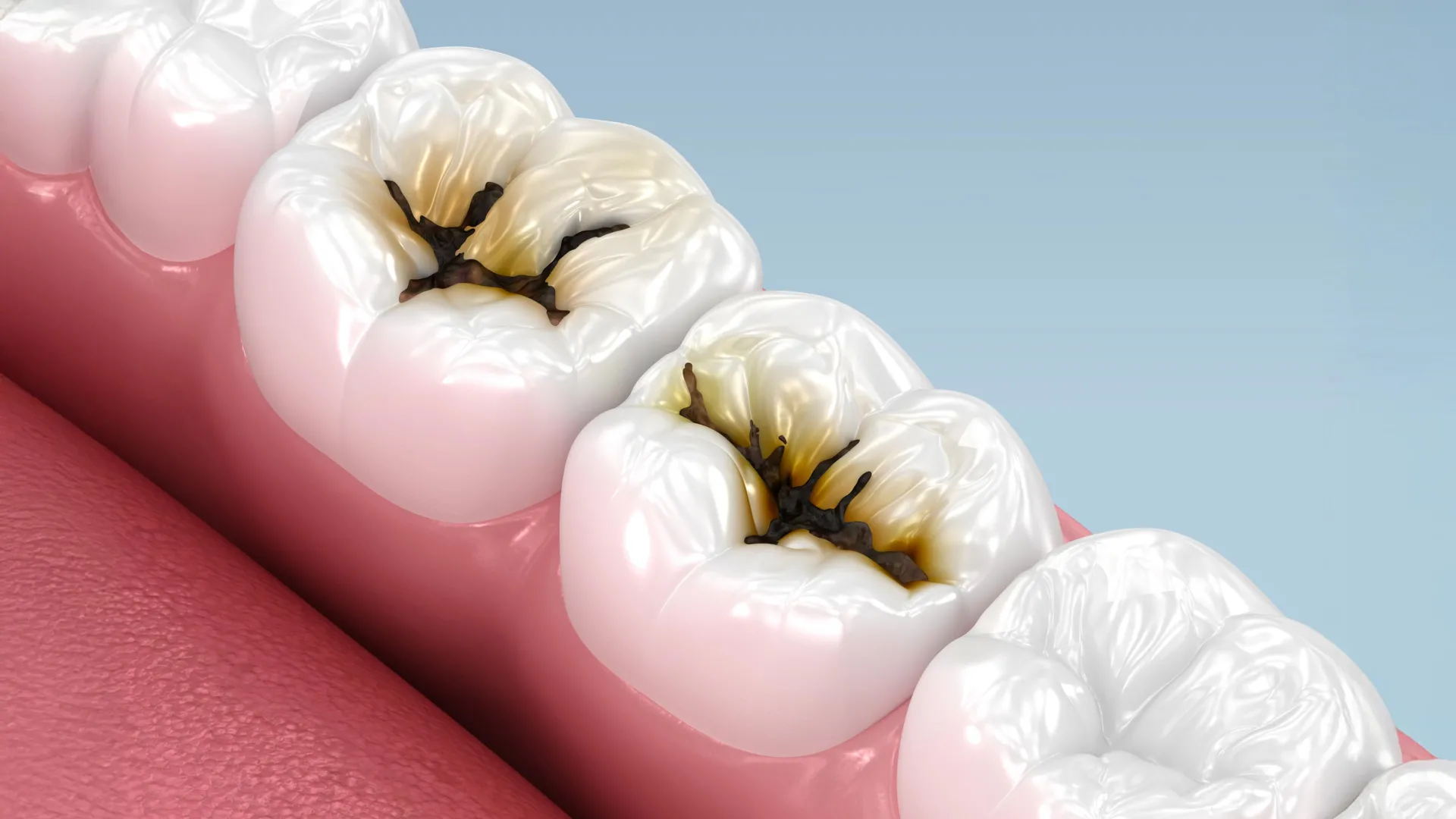
A beacon of hope in this challenging landscape comes in the form of a low-cost liquid known as silver diamine fluoride, or SDF. This innovative solution offers a much simpler, non-invasive, and highly effective option for managing and arresting tooth decay. Dentists apply SDF directly to a cavity with a small sponge-tipped applicator, a process that takes only a few seconds for each tooth. Remarkably, this treatment can halt the progression of decay without the need for drilling, injections, or sedation, fundamentally transforming the experience of dental care for young, anxious, or medically compromised patients.
The Pervasive Problem of Pediatric Tooth Decay
Tooth decay, or dental caries, remains the most common chronic disease among children, outranking asthma and diabetes in prevalence. Affecting more than 40% of children in the United States by the time they reach kindergarten, its impact extends far beyond the mouth. Untreated cavities can lead to intense, debilitating pain, severe infections that can spread to other parts of the body, difficulty sleeping, and impaired eating habits, potentially leading to malnutrition and stunted growth. For children, this translates into missed school days, reduced concentration, poor academic performance, and significant emotional distress, including social anxiety and lower self-esteem due to visible decay. The ripple effect extends to families, who face repeated medical appointments, financial strain, and the emotional toll of seeing their child in discomfort. The reliance on emergency departments for dental issues is particularly problematic, as these facilities are designed for acute medical crises, not routine dental procedures, leading to inefficient care and exorbitant costs, often without resolving the underlying dental problem.
SDF: A Global Solution Gaining US Traction
Silver diamine fluoride is not a new discovery; it has been used successfully in many countries, including Japan, Brazil, and Argentina, for decades as a frontline treatment for dental caries. Its long history of safe and effective use in diverse populations worldwide underscores its potential. In the United States, dentists have utilized SDF off-label since 2014, following its approval by the Food and Drug Administration (FDA) as a medical device for reducing tooth sensitivity. The term "off-label" means that while the product itself is FDA-approved for one purpose, healthcare providers are using it for another, based on clinical judgment and existing evidence from other regions. However, this off-label status presented significant hurdles, including inconsistent insurance coverage, provider hesitancy due to lack of specific US guidelines for caries arrest, and challenges in broader public health implementation.
For SDF to achieve its full potential as a widely accepted, first-line treatment for tooth decay in the US, researchers needed to complete large-scale U.S. clinical trials. Such rigorous evidence is crucial to demonstrate its safety and effectiveness specifically as a cavity treatment, a prerequisite for the FDA to approve SDF as a drug for treating tooth decay. This formal approval would unlock greater access, encourage broader adoption by dental and medical professionals, and facilitate more consistent insurance reimbursement.
Landmark US Clinical Trial Provides Definitive Evidence
The crucial evidence needed for this paradigm shift has now been supplied by a landmark clinical trial led by the University of Michigan. This Phase III study, meticulously designed and executed, represents a significant leap forward in validating SDF’s role in American dental care. Published in the esteemed journal JAMA Pediatrics, the trial encompassed a diverse cohort of 830 children younger than age 6. Participants were recruited through a variety of community touchpoints, including dental offices, pediatric medical practices, and crucial Head Start and Early Head Start programs across Michigan, New York, and Iowa. This broad recruitment strategy ensured that the study population was representative of the diverse demographics and varying access-to-care scenarios prevalent among young children in the United States.
The researchers’ findings were compelling and unequivocal: 38% SDF effectively stopped tooth decay in more than half of the affected baby teeth when the treatment was applied every six months. This success rate is particularly impressive given the non-invasive nature of the treatment. Traditional cavity treatment typically involves the mechanical removal of damaged tooth material, often through drilling, followed by the placement of a filling. SDF requires no such removal of the tooth structure. Instead, the liquid is simply painted directly onto the decayed area, where it works its magic through a dual mechanism. The silver component acts as a potent antimicrobial agent, eradicating the bacteria responsible for decay, while the fluoride component promotes remineralization, strengthening the softened tooth structure and making it more resistant to future acid attacks.
"This is a very effective and safe treatment — even in children as young as 1," affirmed Margherita Fontana, professor of dentistry at the University of Michigan School of Dentistry and the study’s lead investigator. Her statement underscores the critical advantage of SDF for the youngest patients, for whom traditional drilling and filling procedures often require sedation or general anesthesia, posing additional risks and logistical challenges. The ability to treat decay in toddlers quickly and painlessly, without the trauma of needles or drills, is nothing short of revolutionary for pediatric dentistry.
A Game-Changer for Hard-to-Treat Patients and Public Health
The implications of SDF extend far beyond general pediatric dentistry. Fontana highlighted that SDF could be particularly useful for a range of vulnerable populations: very young children who may not cooperate with traditional dental procedures, older adults who may have difficulty tolerating extensive dental work, people with developmental or physical disabilities for whom conventional treatments are challenging, and patients with severe dental anxiety who often avoid necessary care. Moreover, it offers a vital solution for individuals who have limited access to conventional dental care due due to geographic barriers, financial constraints, or a lack of providers, or those who simply cannot easily tolerate standard procedures. Imagine mobile dental clinics or school-based health programs offering this quick, effective treatment, bringing essential care directly to underserved communities.
However, the treatment does have one visible drawback: the silver permanently turns the decayed part of the tooth dark, often black. While this discoloration can be a cosmetic concern, especially for front teeth, it is a small trade-off when weighed against the benefits of arresting decay, preventing pain and infection, and avoiding more invasive procedures. For many families, particularly those facing significant barriers to care or whose children are in severe pain, the functional benefit of stopping decay far outweighs the aesthetic consideration, especially for posterior teeth. Open communication between providers and families about this side effect is crucial for informed decision-making.
"If we want more children and families to benefit from this treatment, we need rigorous evidence showing both that it works and that it’s safe," Fontana emphasized, articulating the public health imperative behind the study. "From a public health perspective, if we want broader implementation across the United States, including in medical settings, we need carefully collected data in U.S. populations, and we now have that." The study’s commencement in 2018 and its continuation despite the significant disruptions caused by the COVID-19 pandemic further attest to its robust design and the dedication of the research teams.
Bridging the Gap Between Medicine and Dentistry
The findings also hold profound implications for the integration of dental care into primary medical care settings. "In medicine, clinicians want high-quality evidence before changing practice," Fontana explained. "It is important to have data they can refer to because young children often see pediatricians years before they ever visit a dentist; broader acceptance could allow many more cavities to be treated while a referral to a dental home is successful, and before they become painful, infected, or require surgery." This highlights a critical gap: pediatricians are often the first healthcare providers to identify early signs of decay, but without a simple, effective intervention they can administer, these issues often escalate. SDF could empower medical practitioners to provide immediate, preventive care, acting as a crucial bridge to a "dental home" where comprehensive care can be established.
The collaborative nature of the research further strengthened its impact. Fontana worked alongside esteemed researchers from New York University, the University of Iowa, and Indiana University, with substantial financial backing from the NIH’s National Institute of Dental and Craniofacial Research, which provided more than $12 million to support the study. This significant investment underscores the national importance of finding accessible and effective solutions for pediatric dental decay. The trial also generated the essential clinical evidence the manufacturer, Elevate Oral Care, needs to submit a dental caries drug application to the FDA. Elevate Oral Care supplied Advantage Arrest 38% SDF, the specific product tested in the study.
Amr Moursi, professor of pediatric dentistry at New York University College of Dentistry and a co-principal investigator on the study, echoed the enthusiasm for the findings, emphasizing their potential to expand access to the treatment. "Our results support FDA approval of SDF for managing arrest of tooth decay in young children," Moursi stated. "Removing SDF from off-label status would be an important innovation which could lead to increased utilization by providers, enhanced payments by insurers and more consistent product quality." FDA approval would not only streamline its use but also likely reduce costs and improve availability, solidifying SDF’s place in mainstream dental and medical practice.
A Versatile Tool for Long-Term Health
The versatility of SDF makes it a powerful tool in various clinical scenarios. For some children, applying SDF every few months may effectively control the cavity until the baby tooth naturally exfoliates, eliminating the need for more invasive interventions entirely. In adults, it could function as a long-term treatment for certain types of lesions, or it could provide crucial temporary protection, arresting decay until a more permanent restorative procedure becomes affordable or practical. This "bridge treatment" capability is particularly valuable in situations where patients face financial hardship, scheduling difficulties, or complex medical conditions that delay traditional dental work.
"For almost anyone, this can arrest the decay and stop the infection and the pain it causes," Fontana concluded, encapsulating the broad impact of this simple yet profound innovation. "This could benefit many people." The University of Michigan-led study firmly establishes silver diamine fluoride as a safe, effective, and readily available treatment that promises to significantly reduce the burden of dental caries, particularly among the most vulnerable populations. By offering a non-invasive, cost-effective, and pain-free alternative to traditional drilling, SDF stands to transform pediatric dental care, improve children’s health outcomes, and contribute to a more equitable and accessible healthcare system for all.
