
 By admin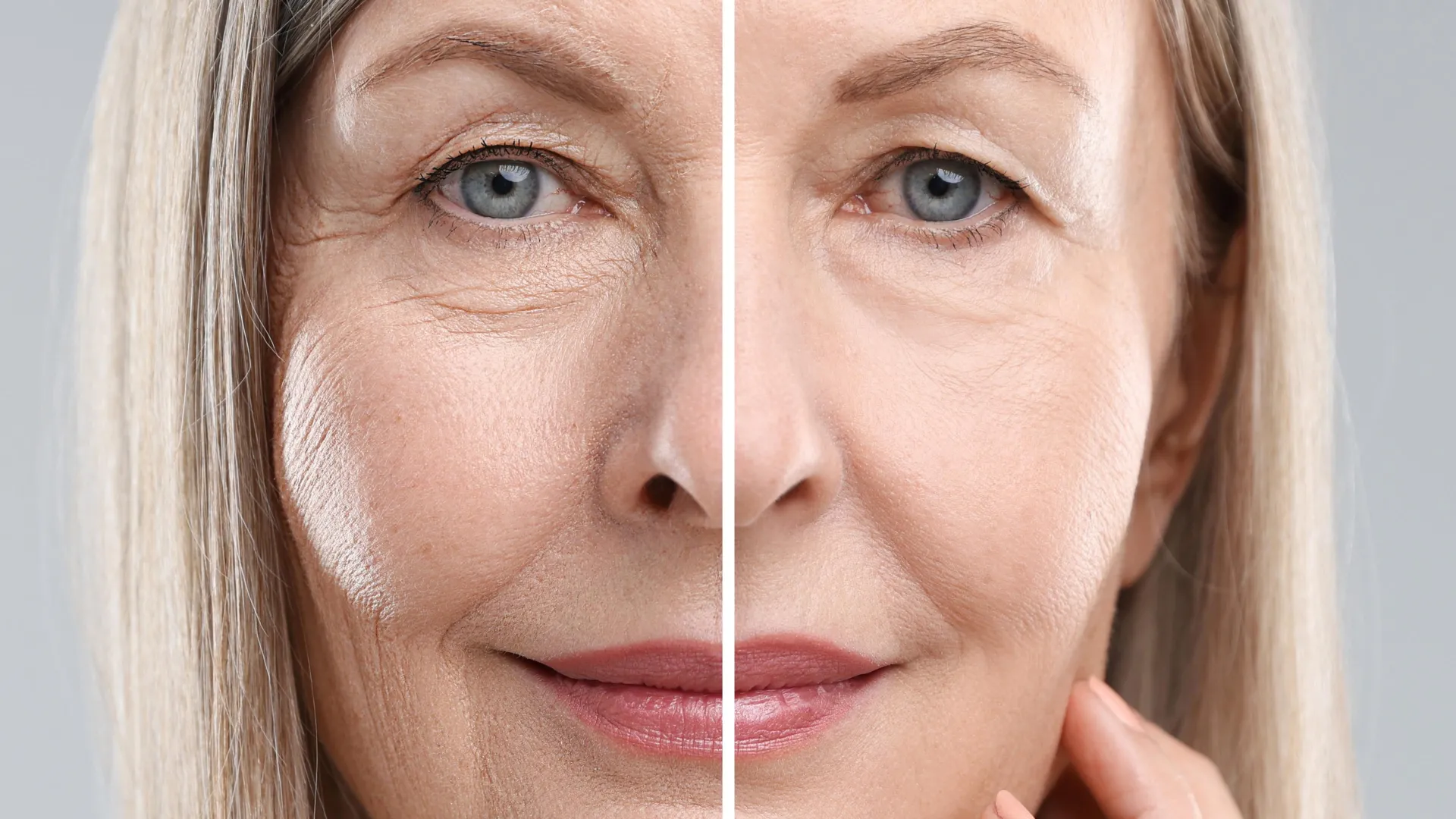
The study, published in the esteemed journal Aging Cell, was spearheaded by Dr. Caitlin Andrews from the University of Sydney’s School of Life and Environmental Sciences. Her team observed that Australian participants who either reduced their dietary fat intake or shifted towards a lower animal-based protein diet exhibited signs of a lowered biological age after just one month. Biological age, distinct from chronological age, serves as a dynamic estimate of an individual’s physical and physiological condition, reflecting how old their body appears based on a spectrum of health markers, rather than merely the number of years they have lived.
While these findings offer an exciting glimpse into the potential of dietary interventions, the researchers are careful to underscore their preliminary nature. The relatively short duration of the study (four weeks) necessitates longer-term investigations to ascertain whether these observed changes are sustained, whether they translate into a tangible reduction in the risk of age-related diseases, and if similar effects can be replicated in younger demographics or other diverse populations. Nevertheless, the speed with which these biological shifts occurred is remarkable and warrants further exploration.
Unpacking Biological Age: More Than Just Years
To truly appreciate the significance of these findings, it’s essential to understand the distinction between chronological and biological aging. Chronological age is simply the passage of time – everyone ages at the same rate chronologically. Biological aging, however, is far more individual and complex. It refers to the gradual accumulation of molecular and cellular damage that impairs tissue and organ function over time. This intrinsic process varies significantly from person to person, influenced by a complex interplay of genetics, lifestyle, environment, and, crucially, diet.
Consider two individuals of the same chronological age, say 70. One might possess the cardiovascular health of a 50-year-old, robust metabolic function, and minimal systemic inflammation. The other might exhibit signs of advanced cardiovascular disease, insulin resistance, and chronic low-grade inflammation. These physiological differences are precisely what biological age aims to capture. They help explain why one person remains vibrant, active, and largely disease-free well into old age, while another develops multiple age-related health problems much earlier. The goal of geroscience—the study of aging—is not merely to extend lifespan, but to extend healthspan, ensuring those added years are lived with vitality and independence.
Scientists are increasingly adept at estimating biological age by analyzing a suite of biomarkers. These measurable features of the body provide crucial insights into an individual’s health status and physiological function. Researchers often combine multiple such markers to construct a more comprehensive "aging clock" or biological age score, offering a more nuanced picture of how the body is truly aging at a cellular and systemic level.
For this particular study, Dr. Andrews’ team meticulously gathered information from 20 distinct biomarkers. These included critical blood parameters such as cholesterol levels, insulin levels, and C-reactive protein (CRP).
- Cholesterol is a well-known lipid essential for cell membranes, but its various forms (LDL, HDL) are strongly implicated in cardiovascular health. Elevated LDL ("bad") cholesterol is a key risk factor for atherosclerosis, a hallmark of aging blood vessels.
- Insulin is a hormone central to glucose metabolism. Dysregulation of insulin, leading to insulin resistance, is a precursor to type 2 diabetes and a significant driver of metabolic dysfunction, which accelerates various aging processes.
- C-reactive protein (CRP) is a powerful indicator of systemic inflammation. Chronic, low-grade inflammation, often termed "inflammaging," is now recognized as a fundamental process underlying many age-related diseases, from cardiovascular disease to neurodegeneration.
By integrating these and 17 other carefully selected biomarkers, the researchers were able to calculate a robust biological age score for each participant. This comprehensive approach allowed them to move beyond isolated health metrics and assess the overall physiological impact of dietary changes within the context of the larger "Nutrition for Healthy Living study," conducted at the University’s Charles Perkins Centre—a world-leading research hub focused on chronic disease.
The Experimental Design: Four Dietary Pathways
The "Nutrition for Healthy Living" study was meticulously designed to explore the impact of different macronutrient compositions on health outcomes. It enrolled 104 participants, all of whom were carefully selected based on specific criteria: they were Australians aged 65 to 75, had a body mass index (BMI) ranging from 20 to 35 (covering healthy weight to moderately obese), were non-smokers, and non-vegetarians. Crucially, participants were excluded if they had serious pre-existing chronic conditions such as type 2 diabetes mellitus, active cancers, renal or liver disease, or known food allergies/intolerances. These stringent selection criteria ensured a relatively homogenous and healthy older adult population, minimizing confounding factors and allowing for a clearer observation of dietary effects.
Participants were then randomly assigned to one of four distinct dietary groups, each carefully controlled for energy intake and overall protein contribution (14 percent of total energy). This consistent protein level allowed the researchers to isolate the effects of varying fat and carbohydrate ratios, as well as the source of protein.
Two of the diets were classified as omnivorous, meaning approximately half of their protein came from animal sources and the remaining half from plant-based foods. The other two diets were semi-vegetarian, with a significantly higher proportion of protein (70 percent) derived from plant sources.
Within these omnivorous and semi-vegetarian categories, participants were further assigned either a diet higher in fat and lower in carbohydrates, or one lower in fat and higher in carbohydrates. This orthogonal design created four distinct dietary interventions:
- Omnivorous High-Fat (OHF): A diet where protein was sourced from both animal and plant foods, with a higher proportion of fat and lower carbohydrates.
- Omnivorous High-Carbohydrate (OHC): Protein from mixed sources, but with a lower fat and higher carbohydrate content.
- Semi-Vegetarian High-Fat (VHF): Predominantly plant-based protein, combined with higher fat and lower carbohydrates.
- Semi-Vegetarian High-Carbohydrate (VHC): Predominantly plant-based protein, combined with lower fat and higher carbohydrates.
The rationale behind testing these specific dietary variations stems from a rich body of research linking macronutrient balance and protein sources to various aspects of aging. For instance, studies in animal models have shown that calorie restriction and certain forms of protein restriction (particularly methionine restriction, common in animal proteins) can extend lifespan and healthspan by influencing metabolic pathways like mTOR and IGF-1, which are intimately involved in cellular growth, repair, and aging. By manipulating fat, carbohydrate, and protein source, the researchers aimed to observe how these established pathways might be influenced in humans.
The Revelatory Results: A Younger Biological Profile
After just four weeks on their assigned diets, the results were compelling. The omnivorous high-fat (OHF) group, whose diet was most similar to the participants’ habitual eating patterns before the study, experienced no meaningful change in their calculated biological age. This group served as an important baseline, confirming that without specific dietary intervention, biological aging markers remained stable over the short period.
However, the other three dietary groups—the omnivorous high-carbohydrate (OHC), semi-vegetarian high-fat (VHF), and semi-vegetarian high-carbohydrate (VHC) groups—all showed statistically significant reductions in their estimated biological age based on their biomarker profiles. This suggests that even relatively modest shifts away from a typical Western high-fat, mixed-protein diet can initiate rapid positive changes in markers associated with aging.
The strongest statistical evidence for a reduction in biological age was observed in the omnivorous high-carbohydrate (OHC) group. Participants in this group consumed a diet composed of 14 percent of total energy from protein, 28-29 percent from fat, and a substantial 53 percent from carbohydrates. This finding is particularly interesting as it suggests that a reduction in dietary fat, even without a drastic shift to a predominantly plant-based protein source, can have a rapid beneficial impact on biological aging markers.
Collectively, these findings paint a clear picture: reducing dietary fat, decreasing the intake of animal-based protein, or implementing a combination of both, appears to favorably influence aging-related biomarkers in older adults over a remarkably short timeframe. This aligns with broader nutritional science advocating for diets rich in whole, unprocessed foods, often characterized by lower saturated fat and higher complex carbohydrate content, and a greater emphasis on plant-based proteins. For example, the Mediterranean diet, widely lauded for its health benefits and association with longevity, typically features lower animal protein intake (especially red meat), moderate fat (primarily healthy unsaturated fats), and high complex carbohydrates from fruits, vegetables, and whole grains.
It is critical, however, to reiterate the researchers’ caution: a lower calculated biological age, while a positive indicator, does not definitively mean that the aging process itself has been permanently reversed or that individuals will live longer. It signifies an improvement in markers associated with aging, which are proxies for health status.
Lingering Questions and Future Directions: Do the Effects Last?
The primary limitation of this study, as acknowledged by the researchers, is its short duration. A four-week intervention, while effective in demonstrating rapid shifts in biomarkers, cannot answer whether these changes are transient or indicative of sustained biological age reversal. The human body is remarkably adaptable, and initial responses to dietary changes can sometimes normalize or plateau over longer periods.
Furthermore, the crucial question remains: will these observed improvements in biomarker profiles ultimately translate into a reduced risk of age-related diseases? The ultimate goal of anti-aging interventions is not just to improve numbers on a lab report, but to prevent or delay conditions like cardiovascular disease, type 2 diabetes, neurodegenerative disorders, and certain cancers. While the biomarkers chosen for this study are well-established risk factors for these diseases, a direct causal link between their improvement over four weeks and long-term disease prevention cannot be drawn from this data alone.
As Associate Professor Alistair Senior, who supervised the research, emphasized, "Longer term dietary changes are needed to assess whether dietary changes alter the risk of age-related diseases." This highlights the need for studies spanning months or even years, tracking participants to observe the long-term health outcomes and incidence of age-related illnesses.
The study also focused on a specific demographic: healthy older Australians. Future research will need to explore whether these encouraging findings extend to other cohorts, including younger adults, individuals with pre-existing chronic conditions, or those from different ethnic and geographical backgrounds. Understanding the generalizability of these results is paramount for developing broad public health recommendations.
Therefore, this study serves as an exciting "early signal" rather than definitive proof that changing diet can extend lifespan or permanently slow aging. Dr. Andrews herself concluded, "It’s too soon to say definitively that specific changes to diet will extend your life. But this research offers an early indication of the potential benefits of dietary changes later in life." She stressed the importance of future research exploring whether these findings extend to other cohorts and whether the recorded changes are sustained or predictive of long-term outcomes.
In conclusion, this University of Sydney research provides a compelling demonstration of the rapid and positive impact dietary modifications can have on biological markers of aging in older adults. It reinforces the growing scientific consensus that nutrition is a powerful lever in influencing our health trajectory as we age. While more extensive and longer-duration studies are necessary to confirm these findings and establish their long-term health benefits, this work offers a hopeful message: it’s never too late to make dietary changes that could potentially lead to a healthier, more vibrant aging process. The promise of personalized nutrition and targeted dietary strategies to promote healthy aging is becoming an increasingly tangible reality, paving the way for future interventions that could genuinely extend not just life, but the quality of life, for millions worldwide.
