
 By Lina Irawan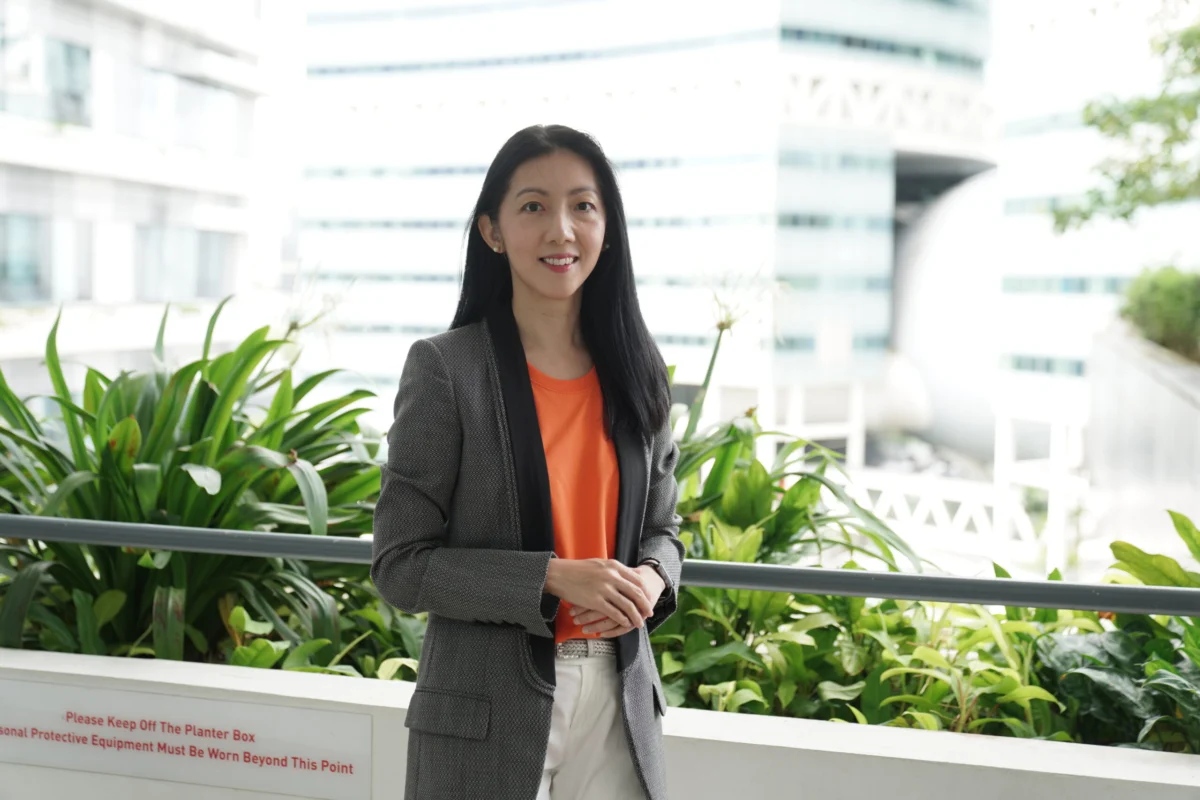
A significant proportion of Singaporean business owners, approximately one in three, continue to manage their company’s financial affairs through personal bank accounts, a practice often driven by a desire to circumvent the high transaction fees levied by traditional financial institutions. This startling statistic, revealed by a recent survey from MariBank, a burgeoning digital bank under the umbrella of Southeast Asian tech giant Sea, underscores a pervasive challenge within the small and medium-sized enterprise (SME) landscape. While seemingly a cost-saving measure, this commingling of personal and business funds invariably leads to considerable tax and legal complications, making it exceedingly difficult for entrepreneurs to accurately delineate legitimate profits and deductions come tax season, and potentially compromising legal liability protections.
The implications of such practices extend beyond mere inconvenience. For sole proprietors and even some small companies, blurring the lines between personal and business finances can create a tangled web that complicates auditing, makes financial reporting arduous, and can even expose personal assets to business liabilities in the event of legal disputes or bankruptcy. This issue highlights a crucial gap in the financial services sector, one that traditional banks, despite their robust presence and comprehensive offerings, have struggled to fully address for the agile and cost-sensitive SME segment.
Natalia Goh, the insightful CEO of MariBank, acknowledges the strengths of the established banking ecosystem. "Our local banks are good, and international banks also have a strong presence here," Goh told Fortune. "But there are certain banking needs that are still underserved." It is precisely within these "white spaces" that MariBank, with its agile, tech-first approach, seeks to carve out its niche and deliver innovative solutions.
MariBank’s proposed antidote to these challenges is a business account characterized by zero transaction fees, seamlessly integrated within a single, intuitive app that allows customers to effortlessly toggle between their personal and business banking profiles. This dual-purpose design directly addresses the core pain points identified by the survey: the burden of fees and the inconvenience of managing disparate accounts. "These needs are the white spaces that nobody’s really addressing," Goh explains. "That’s what makes it exciting, and that’s where I think we have room to play." The appeal of such an offering for SMEs, which often operate with lean resources and prioritize efficiency, is undeniable. By eliminating transaction costs and simplifying account management, MariBank aims to free up valuable capital and time, allowing business owners to focus on growth rather than administrative overheads.
The Genesis of a Digital Challenger
MariBank’s journey began in 2023, emerging as a wholly-owned subsidiary of Sea, Southeast Asia’s largest tech firm and a formidable player ranked No. 12 on the Southeast Asia 500 list. This strategic move positioned MariBank to leverage the immense ecosystem built by its parent company, which includes the hugely popular e-commerce platform Shopee and the financial payments platform Monee. Natalia Goh, who assumed the leadership mantle as CEO in 2024, succeeding inaugural head Zheng Yudong, views the bank as a "natural extension" of Sea’s existing offerings. She articulates this vision clearly: "Sea’s existing businesses give it insights and a good understanding of what consumers do online. Banking was the obvious next piece of the puzzle." This deep integration allows MariBank to tap into a vast pre-existing user base and rich data insights, a significant competitive advantage in the crowded financial sector. The synergy between e-commerce, payments, and banking creates a powerful flywheel effect, where users can seamlessly transact, save, and manage their finances within a familiar digital environment.
MariBank’s establishment is part of a broader, transformative wave in Singapore’s financial landscape, catalyzed by a landmark 2019 ruling from the Monetary Authority of Singapore (MAS). This progressive regulatory framework empowered the central bank to issue standalone digital banking licenses, signaling a clear intent to foster innovation, increase competition, and serve previously underserved segments of the market. The MAS’s vision was to cement Singapore’s position as a leading FinTech hub, encouraging the development of agile, technology-driven financial institutions that could complement the offerings of traditional banks.
Under this ruling, MariBank stands alongside other notable digital banks in Singapore, each bringing its unique value proposition. These include Trust Bank, a strategic collaboration between the global banking giant Standard Chartered Bank and the prominent local supermarket chain FairPrice Group, which leverages an established customer base and retail network. Another significant player is GXS Bank, a partnership forged between telecommunications powerhouse Singtel and superapp Grab, aiming to serve the digital-native users already integrated into their respective ecosystems. These digital banks, by their very definition, operate entirely online, relying on mobile apps and sophisticated web platforms, thereby eliminating the overheads associated with physical brick-and-mortar branches. This lean operational model allows them to offer more competitive rates and innovative services.
The emergence of Asia’s first digital banks initially took root in Hong Kong, mainland China, and South Korea, with Southeast Asia quickly following suit. Goh emphasizes the profound impact of this trend across the region: "In ASEAN, especially, digital banking licenses encourage greater participation and innovation in the banking sector, and make banking services more accessible to the masses." This accessibility is particularly crucial in a region characterized by diverse economic development, large unbanked populations, and rapidly increasing mobile internet penetration. Digital banks are uniquely positioned to democratize financial services, reaching individuals and businesses that might traditionally be overlooked by conventional banking models.
The Challenging Path to Profitability
Despite the immense promise and innovative spirit of digital banking, the journey to profitability remains a significant hurdle for many. In Singapore, among the digital banks primarily catering to retail consumers, only Trust Bank has managed to break even, notably posting its first profitable month in March. This milestone highlights the intense capital investment and operational challenges inherent in launching and scaling a new banking entity.
MariBank Singapore, still in its foundational years, reported a loss of S$55.6 million ($43.4 million) in 2025, an increase from the S$51.3 million loss recorded the previous year. Similarly, fellow digital bank GXS posted a substantial S$208 million loss last year, although this represented a slight narrowing from its S$214 million loss in 2024. These figures, while seemingly stark, are not uncommon for nascent digital banks, which typically incur significant upfront costs in technology development, customer acquisition, and regulatory compliance before achieving the scale necessary for profitability.
Each digital bank operating in Singapore faces a stringent regulatory requirement: demonstrating a credible path to profitability within five years of its launch. For MariBank, which commenced operations in 2023, this translates to a critical three-year runway to solidify its market position and achieve financial viability. Recognizing this imperative, its parent group, Sea, injected S$75 million ($58.6 million) into MariBank in January, a clear testament to Sea’s commitment and long-term vision for its digital banking arm, providing essential capital to fuel its scaling efforts.
Strategic Expansion into Underserved Markets
In a strategic move to accelerate their path to profitability and tap into larger, less saturated markets, both MariBank and GXS are now actively pushing into less-banked regions across Southeast Asia, such as Malaysia and the Philippines. This regional expansion is a critical component of their growth strategy, allowing them to leverage their digital models to reach populations with lower banking penetration.
GXS, for instance, is a lead shareholder in GXBank, which holds the distinction of being Malaysia’s first digital bank, indicating a concerted effort to replicate its model in neighboring markets. MariBank, on its part, debuted in the Philippines last year, a strategic entry facilitated by Sea’s acquisition of the rural bank Banco Laguna. This initial foothold was further solidified last month when the Philippines’ central bank, the Bangko Sentral ng Pilipinas (BSP), upgraded MariBank’s license from that of a rural bank to a full-fledged digital bank. This upgrade signifies regulatory confidence and provides MariBank with the broader operational scope necessary to compete effectively in the Filipino market.
The Philippines presents a particularly attractive opportunity for digital banks due to its large, young population and a significant proportion of unbanked citizens. According to the Philippine Information Agency, the share of Filipinos with bank accounts saw a remarkable jump from 29% in 2019 to 56% in 2021, a surge partly attributed to the accelerated adoption of digital payments during the pandemic. Despite this progress, a substantial segment of the population remains outside the formal banking system, creating fertile ground for digital-first solutions.
MariBank’s strategy for the Philippines is rooted in adaptation and localization. "The idea is, with the product knowledge that we build up in Singapore, we can bring it across and deploy that in the Philippines," Goh explains. "We can localize it to the Filipino market, by lowering ticket sizes and changing the features a little." This means tailoring products to fit the specific financial behaviors and income levels of Filipino consumers, potentially offering micro-loans, simpler savings products, and more accessible payment options.
A key difference between the Singaporean and Filipino markets lies in their reliance on cash. While Singapore is rapidly progressing towards a cashless society, the Philippines still heavily depends on physical currency. Worldpay’s 2026 Global Payments Report indicates that cash continues to account for a substantial 42% of point-of-sale payments in the Philippines, even with the burgeoning popularity of e-wallets like GCash. To bridge this gap, MariBank is proactively piloting cash-in and cash-out partnerships with local retail outlets, a service it does not need to offer in the highly digitized Singaporean market. "Singapore is very much moving towards being cashless, and the Philippines is also heading in that direction, but there’s still quite a need for cash," Goh clarifies, underscoring the necessity of a hybrid approach.
Goh candidly admits that MariBank is still in its "growth stage" in the Philippines, with plans to expand its product offerings beyond basic banking services. The company has yet to introduce investment and overseas remittance products, which hold immense potential in a country with a large diaspora and a strong culture of sending money home. Nevertheless, she expresses strong confidence in MariBank Philippines’ ability to scale rapidly, primarily due to the powerful network effects of Sea’s existing presence in the country. "Shoppers are already acquainted with the Shopee name," Goh explains. "That becomes a natural point for us to introduce MariBank, since it’s associated with a brand that they already know." This brand recognition significantly reduces customer acquisition costs and builds instant trust in a market where trust is paramount. While Goh declined to share specific user numbers for the Philippines, she affirmed that the bank is on a "really good growth trajectory."
A significant innovation MariBank is deploying in the Philippines is leveraging Sea’s proprietary data to underwrite loans. In a market where a substantial portion of the population lacks a formal credit history, traditional credit bureau data is often thin or non-existent. "The Philippines’ credit bureau data is not as strong or robust, given that a lot of the population there may not have an existing credit product," Goh states. "So we use quite a bit of data from Shopee to help us judge creditworthiness." This alternative credit scoring model, which analyzes transaction history, seller ratings, payment behaviors, and other digital footprints within the Shopee ecosystem, represents a powerful tool for financial inclusion, enabling MariBank to extend credit to individuals and small businesses who would otherwise be excluded from traditional lending.
A Regional Vision Centered in Singapore
Looking ahead, Goh envisions the Philippines as the crucial first step towards building a formidable regional digital banking group, strategically headquartered in Singapore. "Singapore is a sophisticated banking market, so it’ll be our hub for innovation, talent, and strategy," she asserts. This positioning allows MariBank to leverage Singapore’s robust regulatory environment, advanced technological infrastructure, and deep pool of FinTech talent to drive its regional expansion. While remaining "open" to further expansion, Goh prudently declined to name specific future markets, indicating a measured and strategic approach to growth.
Ultimately, for Natalia Goh, MariBank’s overarching objective is straightforward yet profound: to render banking simple, reliable, and rewarding for everyone it serves. "No matter how much we expand, we will always stay true to these values," she concluded. "They’ll continue being reflected in our product designs and the propositions that we roll out." This commitment to user-centricity, combined with the powerful backing of Sea’s ecosystem and a strategic regional expansion plan, positions MariBank as a significant player in the evolving landscape of digital finance, poised to reshape how individuals and businesses manage their money across Southeast Asia. By addressing the fundamental pain points of high fees and complex banking, MariBank seeks not only to achieve profitability but also to drive greater financial inclusion and economic empowerment throughout the region.
