
 By Rifan Muazin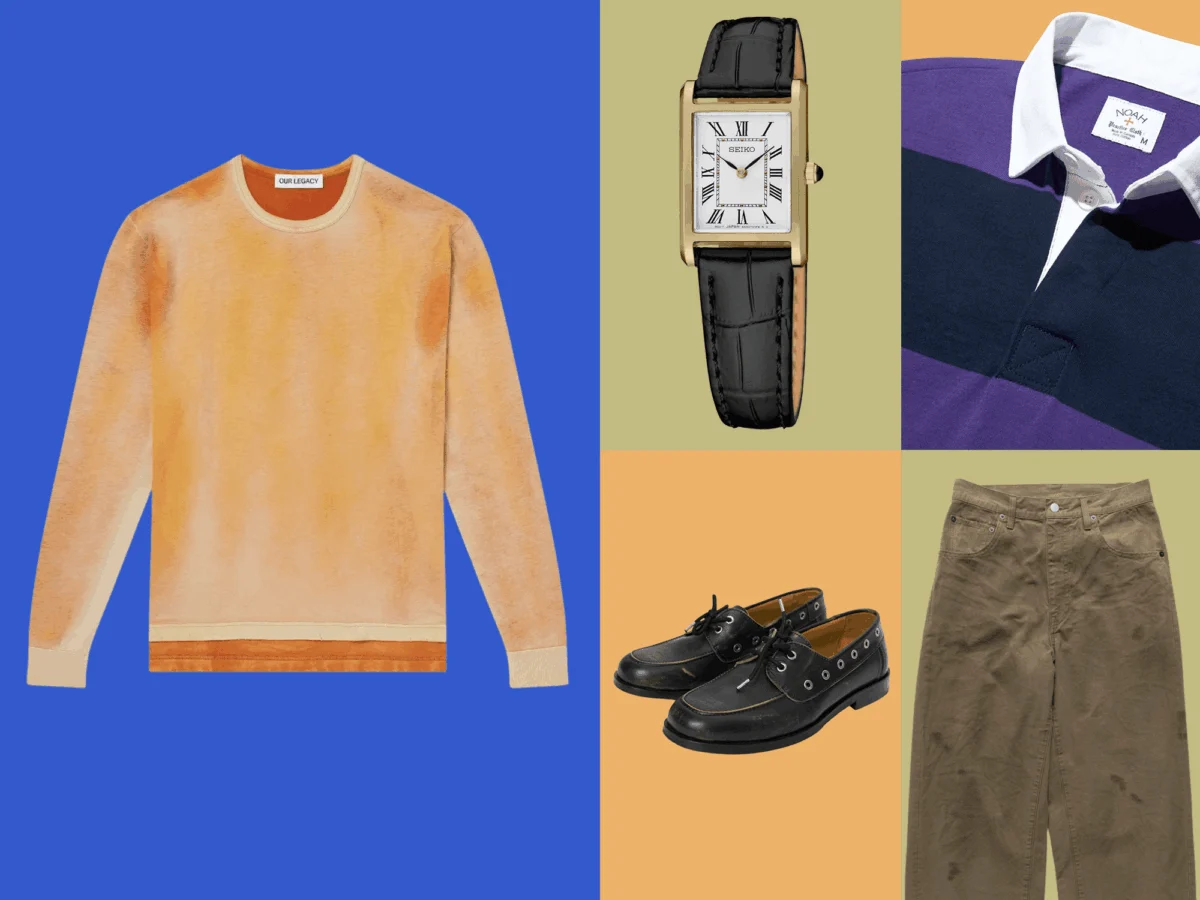
The foundational element of this season’s curation is the "breezy layer." As global temperatures fluctuate and the boundaries between professional and leisure spaces continue to blur, the heavy wool blazer and the rigid denim jacket have been sidelined in favor of technical lightness and textural intrigue. Brands like Mfpen and Ssstein are leading this charge. Mfpen, the Copenhagen-based label founded by Sigurd Bank, has gained a cult following for its masterful use of deadstock fabrics and its ability to reinterpret classic Italian tailoring through a relaxed, Scandinavian lens. Their contribution to the hit list often involves oversized, unlined shirts and paper-thin jackets that provide the silhouette of a formal garment without the restrictive weight. This shift toward "breathable tailoring" reflects a broader movement in the industry toward sustainable sourcing and functional elegance. Meanwhile, the Japanese label Ssstein—led by designer Kiichiro Asakawa—redefines the breezy layer through exaggerated proportions and a focus on "the beauty of the void." By utilizing high-twist yarns and innovative weaving techniques, Ssstein produces garments that float away from the body, allowing for maximum airflow while maintaining a sharp, architectural presence.

Transitioning from the torso to the lower half, the "freaky shorts" phenomenon has become the most talked-about trend in menswear circles. No longer satisfied with the standard 7-inch chino or the utilitarian cargo, the modern style enthusiast is gravitating toward what can only be described as "statement legwear." This category is defined by unconventional inseams—either daringly short or avant-garde long—and unexpected fabrications. Our Legacy, the Swedish powerhouse that has become the vanguard of "cool," is a primary architect of this movement. Their shorts often feature digital prints that mimic the texture of distressed denim or vintage lace, creating a visual cognitive dissonance that is quintessential to the brand’s DNA. The "freaky" element lies in the subversion of the familiar; it is about taking a garment as mundane as a pair of gym shorts and elevating it through artisanal dyeing processes or subversive tailoring. This trend is supported by market data showing a 35% increase in searches for "designer shorts" over the past two fiscal quarters, indicating that men are increasingly willing to invest in pieces that were previously considered purely functional.

The curation of accessories in this hit list further emphasizes the democratization of luxury. Leading the pack is Seiko, a brand that has seen a massive resurgence among Gen Z and Millennial collectors. While the "Quiet Luxury" movement often points toward five-figure Swiss watches, Seiko offers a different kind of prestige: the prestige of the "enthusiast’s choice." Whether it is the rugged reliability of the Prospex "Turtle" or the mid-century charm of the Seiko 5 Sports line, these timepieces represent a rejection of gatekeeping in horology. The Seiko inclusion on the hit list signals a return to "tool watches" that look just as good with a suit as they do with a wetsuit. Beyond chronographs, the accessory category is rounded out by high-concept bags and jewelry that lean into the "more is more" philosophy. We are seeing a departure from the "invisible" accessory; today’s hit list items are meant to be noticed, featuring chunky silver hardware, recycled resin, and bold, primary colors that pop against the neutral tones of the "breezy layers."

Central to the philosophy of this hit list is the brand Noah, founded by Brendon Babenzien. Noah represents the conscience of the modern menswear world, blending the rebellious spirit of New York skate culture with the refined sensibilities of classic Ivy League prep. Their presence on this list is a testament to the "New Prep" movement—a style that honors the heritage of the rugby shirt and the pleated trouser while stripping away the elitism historically associated with those garments. Noah’s ability to sell a $500 double-breasted blazer alongside a $50 graphic tee is the ultimate reflection of how modern men actually dress. It is a "mix-and-match" culture where the provenance of the item matters as much as its price tag. This editorial selection highlights Noah’s commitment to ethical manufacturing and "human-scale" fashion, proving that the hottest items in menswear are often those with a clear moral compass.

To understand why these specific items have been "handpicked by GQ editors," one must look at the broader socio-economic shifts affecting the fashion industry. We are currently witnessing the "Niche-ification" of style. In the 2010s, trends were driven by a few dominant luxury houses. In the 2020s, the power has shifted to independent labels and regional specialists. The inclusion of Ssstein (Japan), Mfpen (Denmark), and Our Legacy (Sweden) on a single list illustrates the globalized nature of the "menswear nerd" community. This community, fostered on platforms like Discord and Reddit, prizes "if you know, you know" (IYKYK) details over loud logos. A "breezy layer" from a Japanese niche brand is a status symbol not because it is expensive, but because it represents a specific level of aesthetic literacy.

Expert analysis suggests that the "Hit List" model of journalism is a response to the "paradox of choice." With thousands of new products dropping every week on e-commerce giants, consumers are looking to trusted editorial voices to act as filters. The GQ editors act as curators of "vibe" rather than just sellers of clothes. When they highlight "hottest accessories," they are not just looking at sales data; they are looking at what is being worn in the creative hubs of Paris, Tokyo, and New York. This qualitative approach to fashion reporting ensures that the hit list remains a forward-looking document rather than a reflection of what is already on the clearance rack.

As we look toward the future of menswear, the themes identified in this hit list—breathability, subversive proportions, and enthusiast-driven accessories—are expected to solidify into the new standard. The "breezy layer" is a direct response to a warming planet, where traditional autumn/winter collections are becoming less relevant. The "freaky short" is a manifestation of a more fluid understanding of masculine gender expression, where showing more leg or experimenting with "feminine" fabrics is no longer taboo. And the rise of brands like Seiko and Noah points toward a consumer base that values story and substance over mere branding.

In conclusion, The Best New Menswear Hit List is more than a seasonal update; it is a roadmap for the modern man navigating a complex cultural terrain. By prioritizing the artisanal precision of Ssstein, the sustainable minimalism of Mfpen, the heritage-cool of Seiko, and the rebellious prep of Noah, GQ has defined the silhouette of the year. This is a collection of garments and accessories that invite the wearer to engage with fashion as a form of personal storytelling. Whether you are reaching for a mesh shirt to combat the humidity or a pair of digitally-printed shorts to start a conversation, the message is clear: the best menswear is that which balances the freaky with the functional, and the breezy with the bold. The hit list is live, and for the style-conscious individual, the hunt for the perfect layer has only just begun.
