
 By Rifan Muazin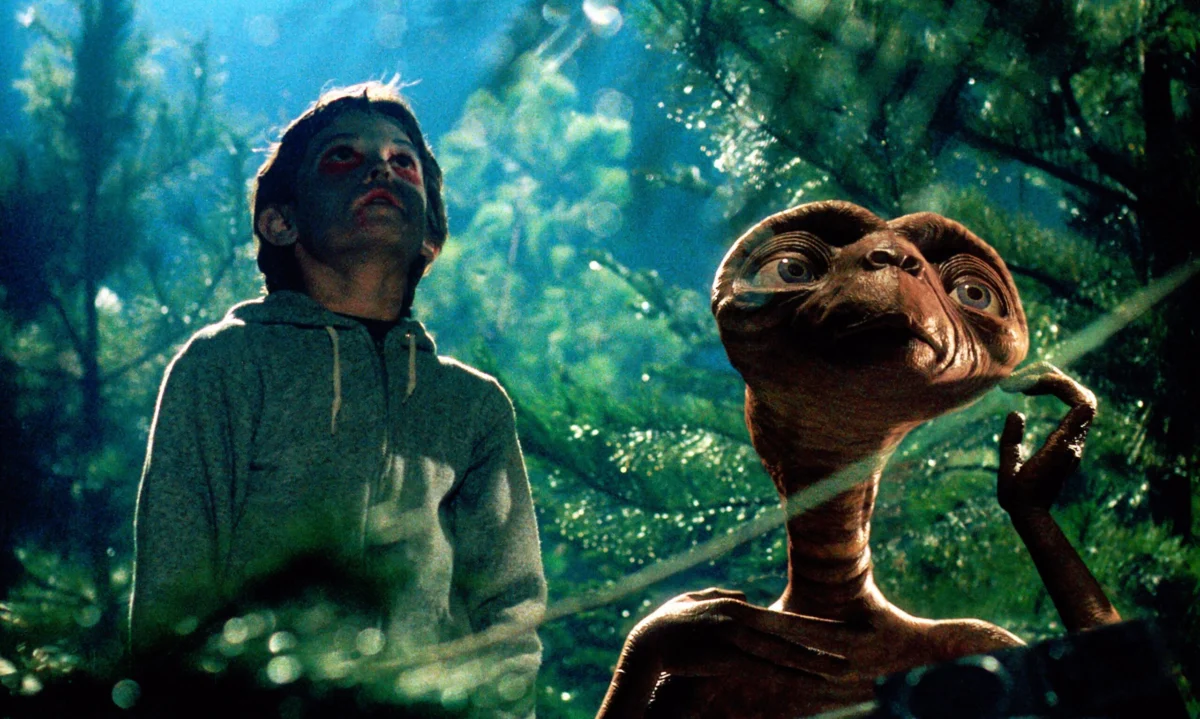
The decade began with a radical shift in the landscape of American comedy. In 1980, the release of Airplane! signaled the end of the traditional narrative comedy and the rise of the high-speed parody. Directed by the trio of Jim Abrahams and brothers David and Jerry Zucker, the film repurposed the structure of 1970s disaster movies into a relentless barrage of visual gags and deadpan absurdity. This "gag-a-minute" style would eventually influence everything from the Naked Gun series to the mockumentaries of the following decades. Parallel to this, the early 80s saw a resurgence in the "Neo-Noir" genre, where directors like Brian De Palma and Michael Mann began to explore the darker, more cynical edges of American life. De Palma’s Blow Out (1981) remains a masterclass in tension, using the technical process of sound editing as a lens for a political conspiracy thriller. It served as a bridge between the paranoid thrillers of the 70s and the slick, neon-drenched aesthetics that would define the 80s. Michael Mann’s Thief, also released in 1981, introduced a cold, professionalist approach to the heist genre, emphasizing the loneliness of the criminal life against a backdrop of industrial decline—a sharp critique of the early Reagan years’ economic promises.

As the decade moved into 1982, the concept of the "Amblin" aesthetic—named after Steven Spielberg’s production company—began to take hold. E.T. the Extra-Terrestrial became a global phenomenon, not just because of its groundbreaking animatronics, but because of its emotional core. Spielberg inverted the typical alien invasion trope, focusing instead on a broken suburban family and the profound loneliness of childhood. This year also saw the release of Jim Henson’s The Dark Crystal, a film that pushed the boundaries of practical effects and puppetry to create an entirely alien world without a single human actor on screen. These films demonstrated that the burgeoning blockbuster era could still accommodate high-concept fantasy that felt deeply personal and visually daring.

Midway through the decade, the industry’s relationship with its auteurs became more fraught. Martin Scorsese, arguably the defining director of the 1970s, found himself at odds with the changing studio system. His 1983 film The King of Comedy was a jarring, uncomfortable look at the toxic intersection of celebrity culture and mental illness. While it was a commercial failure at the time, its legacy has grown significantly, serving as a direct precursor to modern psychological thrillers that examine the desperation for fame. Similarly, David Lynch’s Blue Velvet (1986) peeled back the pristine veneer of suburban America to reveal a grotesque underworld of voyeurism and violence. These films acted as a necessary counterweight to the decade’s more sanitized commercial offerings, proving that even within a corporate-heavy system, radical voices could still find a way to subvert the status quo.

The horror genre also underwent a significant evolution during this time. The slasher craze of the early 80s, which had become increasingly formulaic, was revitalized by Wes Craven’s A Nightmare on Elm Street in 1984. Craven moved the threat from the physical world into the subconscious, creating a villain in Freddy Krueger who could haunt the dreams of a generation. This shift toward psychological and surrealist horror was mirrored in the creature features of the mid-80s. 1986 is often cited as a high-water mark for practical effects and "body horror," led by David Cronenberg’s remake of The Fly. Cronenberg used the sci-fi premise to explore the tragic disintegration of the human body and the fragility of identity. That same year, James Cameron’s Aliens transformed the claustrophobic horror of the original film into a high-octane military sci-fi epic, setting the gold standard for how to expand a franchise without losing its thematic integrity.
.jpg)
The late 1980s saw the perfection of the high-concept screenplay, most notably with Robert Zemeckis’s Back to the Future (1985). The film is frequently studied by screenwriters today for its immaculate structure, where every line of dialogue and every prop serves a narrative purpose later in the story. It also captured the decade’s fascination with the 1950s, using time travel to examine the generational divide between the "Silent Generation" parents and their "Generation X" children. This interest in the mechanics of storytelling and technical ambition continued with Zemeckis’s Who Framed Roger Rabbit (1988), which seamlessly blended live-action and animation in a way that had never been seen before, serving as a love letter to the history of cinema while pushing its future boundaries.
.jpg)
The action genre also reached a satirical peak in 1987 with Paul Verhoeven’s RoboCop. On the surface, it was a violent, special-effects-heavy spectacle about a cyborg police officer, but underneath, it was a biting critique of corporate greed, the privatization of public services, and the militarization of law enforcement. Verhoeven, a Dutch director working within the Hollywood system, used the excess of the 80s to lampoon the very culture that was consuming his movies. This trend of "action with a brain" was further cemented by Die Hard (1988), which traded the invincible, muscle-bound heroes of the early decade for a vulnerable, everyman protagonist who won through wit and endurance rather than sheer strength.

As the decade drew to a close, American cinema began to pivot toward the independent spirit that would dominate the 1990s. 1989 was a particularly transformative year. Spike Lee’s Do the Right Thing arrived like a lightning bolt, capturing the racial tensions of a sweltering Brooklyn neighborhood with a vibrant, theatrical energy that felt entirely new. It was a film that refused to offer easy answers, challenging audiences to confront the systemic issues that the decade’s more escapist films had largely ignored. At the same time, the romantic comedy was being reinvented by the collaborative efforts of Nora Ephron and Rob Reiner. When Harry Met Sally… took the wit of classic screwball comedies and updated it for a modern audience, focusing on the complexities of adult friendships and the long-term evolution of love.

This period also saw the rise of more intellectual and "black" teen comedies that moved away from the earnestness of John Hughes. Heathers (1989) offered a cynical, darkly hilarious take on high school hierarchy that felt like a necessary antidote to the sentimental "Brat Pack" movies of the previous years. Cameron Crowe’s Say Anything… (1989) further bridged this gap, offering a nuanced and deeply empathetic look at the transition from adolescence to adulthood. These films suggested that the youth of the 80s were more complicated and observant than they were often given credit for, setting the stage for the introspective, alternative culture of the coming decade.

Ultimately, the 1980s were not a nadir for film, but rather a crucible. The decade’s best works were often those that thrived in the friction between art and commerce. Whether it was through the satirical violence of RoboCop, the suburban dread of Blue Velvet, or the revolutionary perspective of Do the Right Thing, filmmakers of the 80s found ways to comment on the world around them while navigating a rapidly changing industry. They took the tools of the emerging blockbuster era—the massive budgets, the advanced special effects, and the global marketing—and used them to tell stories that were often surprisingly subversive and enduringly human. As we look back on these 32 films, we see a decade that was defined by its contradictions, proving that even in an era of corporate dominance, the power of a singular vision can still cut through the noise. Would you like to explore the specific cultural impact of the independent film movement that emerged directly after this era in the early 1990s?
