
 By admin
The cruise industry has undergone a radical transformation over the last decade, transitioning from a sector defined by buffet lines and shuffleboard to one characterized by architectural marvels and high-tech immersion. At the center of this evolution is MSC Cruises, a company that has rapidly ascended from a Mediterranean-focused line to a global titan. Nowhere is this ambition more visible than within the MSC Sportsplex, a flagship feature of the MSC World Europa and its sister ships. As the industry looks toward 2026 and beyond, the Sportsplex represents more than just a gymnasium or a playroom; it is a multi-functional hub that exemplifies the "city at sea" concept, blending athletic rigor with high-octane family entertainment.
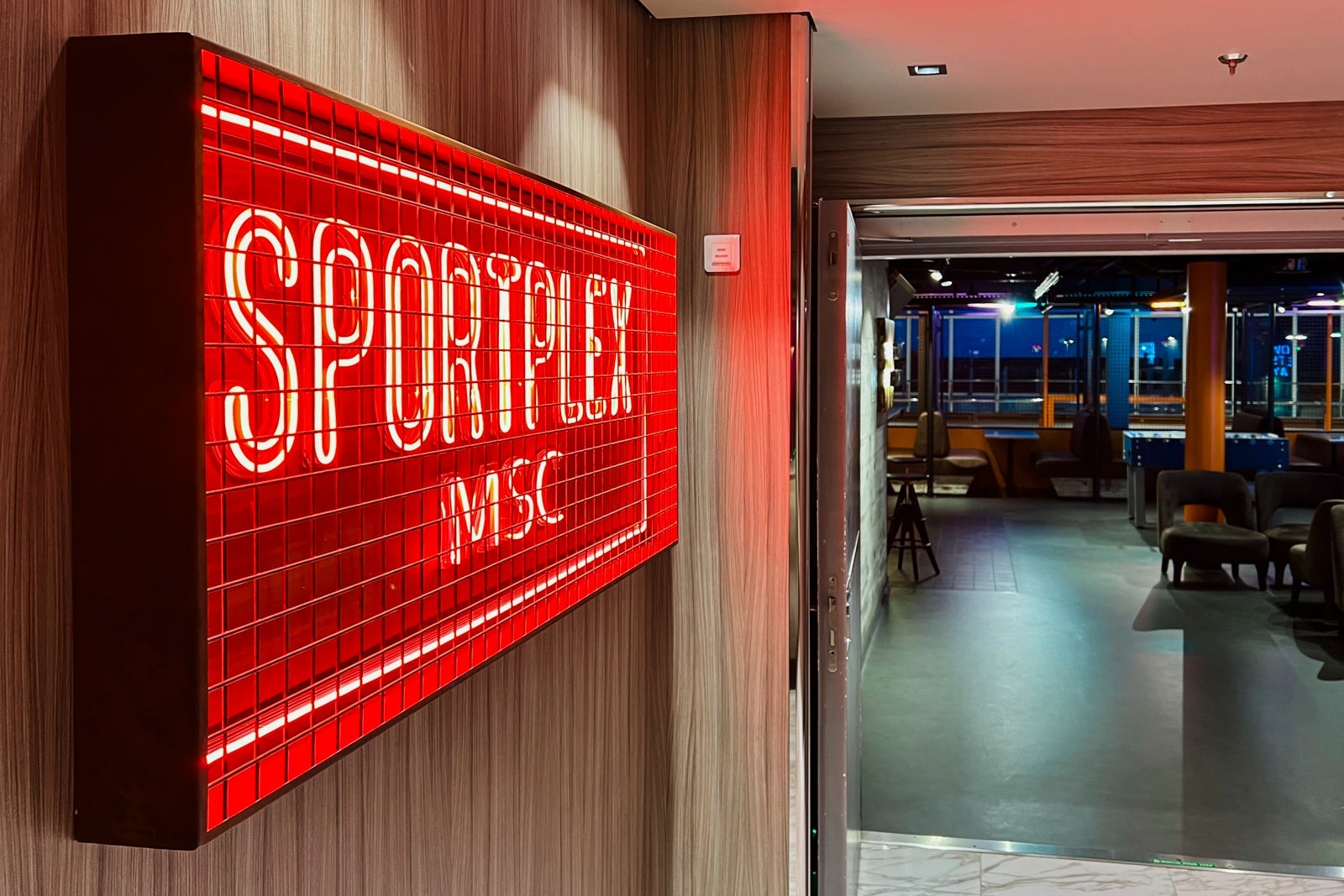
The MSC World Europa, which debuted as the first of the groundbreaking World Class fleet, set a new benchmark for the company. Weighing in at over 215,000 gross tons and stretching 1,092 feet in length, the vessel is a behemoth of modern engineering. However, its true innovation lies in its interior programming. The Sportsplex, located on the upper decks, serves as the primary theater for active recreation. Unlike traditional cruise ship gyms that are often tucked away in quiet corners, the Sportsplex is designed to be a high-traffic, high-energy environment. It is a cavernous, double-deck space that utilizes modular design to pivot between various activities throughout the day. In the morning, the polished floors might host a competitive basketball tournament or a volleyball match; by the afternoon, the space is transformed into a roller-skating rink, complete with neon lighting and upbeat soundtracks.
One of the most significant draws of the MSC Sportsplex is the inclusion of bumper cars, a feature that was once the exclusive domain of Royal Caribbean’s SeaPlex. By integrating this high-demand attraction, MSC has signaled its intent to compete directly with the world’s largest cruise lines for the lucrative multi-generational family market. The bumper car sessions are often the most sought-after reservations on the ship, highlighting a shift in consumer behavior where "brag-worthy" experiences are valued just as much as the destination itself. The engineering required to maintain a fleet of electric bumper cars on a moving vessel—ensuring floor conductivity and safety amidst the ship’s natural pitch and roll—is a testament to the sophistication of modern maritime amusement design.
To understand the significance of the Sportsplex, one must look at the broader context of the MSC World Class project. The fleet was designed with a futuristic "Y-shape" hull, which allows for more balcony cabins and an expansive outdoor promenade. This design philosophy extends to the Sportsplex, which is strategically positioned to act as a bridge between the ship’s indoor social hubs and its outdoor water parks. In 2026, as the MSC World America and the upcoming MSC World Asia begin to dominate the headlines, the role of these multi-use spaces will only expand. Industry analysts suggest that the trend toward "hybrid spaces" is a response to the rising cost of shipbuilding. By creating one room that can function as a sports court, a cinema, a party venue, and a bumper car arena, cruise lines maximize the revenue-generating potential of every square foot of steel.
Expert perspectives on the cruise industry emphasize that the modern traveler, particularly from the Millennial and Gen Z cohorts, views fitness and active play as integral parts of a vacation rather than chores. This demographic shift has forced cruise lines to rethink their "active" offerings. The Sportsplex addresses this by offering "active-tainment"—a blend of physical activity and digital engagement. It is common to see drone racing, interactive gaming walls, and tech-augmented sports within these walls. This integration of technology is a hallmark of MSC’s "MSC for Me" ecosystem, which allows guests to book time slots at the Sportsplex via their smartphones or wearable wristbands, ensuring that the high-demand venue never feels overcrowded despite the ship’s 6,700-guest capacity.
Beyond the entertainment value, the MSC World Europa and its successors represent a leap forward in environmental stewardship, which provides a necessary backdrop to the luxury of the Sportsplex. The ship is powered by Liquefied Natural Gas (LNG), the cleanest marine fuel currently available at scale. It features a solid oxide fuel cell (SOFC) demonstrator, which uses LNG to produce electricity and heat more efficiently than traditional engines. For the environmentally conscious traveler of 2026, the ability to enjoy high-energy amenities like the Sportsplex is made more palatable by the knowledge that the vessel is significantly reducing its carbon footprint and sulfur oxide emissions. The ship’s advanced wastewater treatment systems and underwater-radiated noise management systems further demonstrate a holistic approach to sustainability that balances guest pleasure with ecological responsibility.
The competitive landscape of the mid-2020s has seen a surge in "amenity wars." Royal Caribbean’s Icon of the Seas and Norwegian Cruise Line’s Prima Class have pushed the boundaries of what is possible on water, from massive water slides to multi-level go-kart tracks. MSC’s response with the World Class and the Sportsplex is a focus on European elegance paired with high-capacity thrills. While the Sportsplex provides the adrenaline, the adjacent "Venom Drop @ The Spiral"—the longest dry slide at sea, spanning 11 decks—provides the visual icon that defines the ship’s silhouette. This synergy between different entertainment zones creates a cohesive "action district" that appeals to families while allowing other areas of the ship, such as the MSC Yacht Club, to remain tranquil and exclusive.
Financial data from the cruise sector indicates that onboard spending on "premium" experiences and activities is at an all-time high. While many activities in the Sportsplex are included in the cruise fare, the venue serves as a major driver for overall guest satisfaction, which correlates directly with repeat bookings and positive social media exposure. In the digital age, a video of a family playing bumper cars with the Mediterranean or Caribbean horizon in the background is the most effective marketing tool a cruise line possesses. MSC has mastered this "Instagrammable" engineering, ensuring that the Sportsplex is not only functional but visually striking, with modern aesthetics that move away from the garish colors of 20th-century cruise ships toward a more refined, contemporary palette.
Looking forward to the late 2020s, the evolution of the Sportsplex is expected to incorporate even more virtual and augmented reality. Rumors within the industry suggest that future iterations of the World Class ships may feature "mixed reality" sports where physical movement in the Sportsplex interacts with digital environments projected onto the walls or through lightweight headsets. This would allow a simple game of soccer to be transformed into a stadium experience, further blurring the lines between reality and simulation.
In conclusion, the MSC Sportsplex is a microcosm of the modern cruise industry’s trajectory. It represents the intersection of mechanical engineering, guest psychology, and commercial strategy. As the MSC World Europa continues its tenure as a leader in the fleet, and as new ships like the MSC World America bring these concepts to the North American market, the Sportsplex will remain a focal point for innovation. It proves that the "big ship" experience is no longer just about size, but about the intelligent use of space to create memories that are as dynamic as the ocean itself. For the passengers of 2026, the Sportsplex is not just a place to play; it is a destination in its own right, a testament to the enduring appeal of movement, competition, and shared family experiences in the middle of the sea. Through its commitment to high-tech, multi-functional design, MSC Cruises has ensured that the heart of the ship beats with the energy of its most active guests, securing its place at the forefront of the global travel industry.
