
 By admin
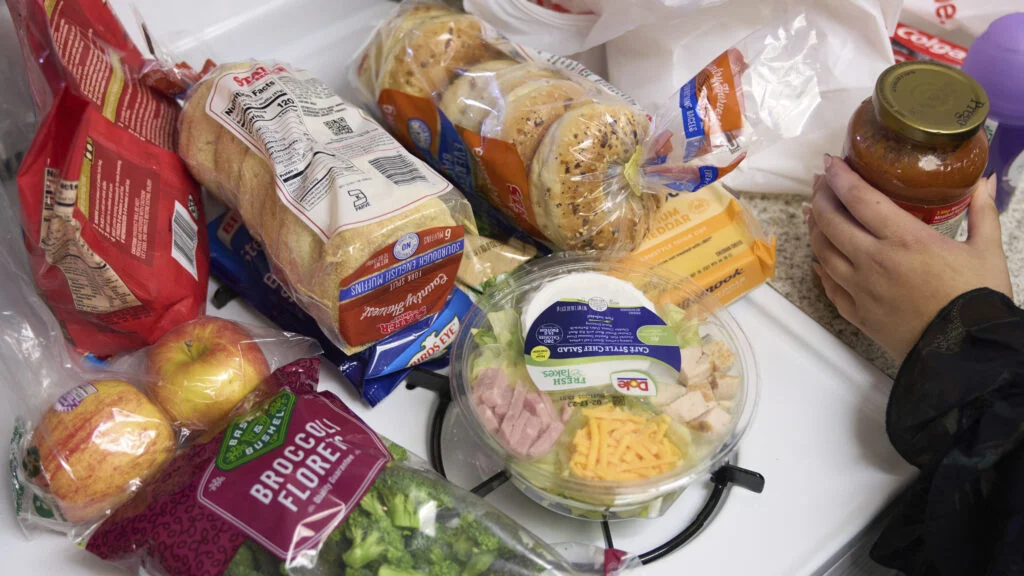
As the largest cuts to the Supplemental Nutrition Assistance Program (SNAP) in United States history ripple across the nation, a silent but devastating crisis is unfolding within the homes of millions of families. Since the implementation of the budget reconciliation law known as H.R. 1, which passed in 2025, at least 1.5 million children have been stripped of the food assistance that served as their primary defense against hunger. However, the fallout of these policy decisions extends far beyond empty cupboards and physiological distress. Emerging data and sociological research suggest a harrowing secondary consequence: when families lose access to essential food assistance, they face a significantly heightened risk of investigation by child protective services (CPS), leading to an increase in the permanent separation of children from their parents.
The core of this crisis lies in a systemic failure to distinguish between the symptoms of poverty and the intentional act of neglect. In the American child welfare apparatus, poverty and neglect are too often conflated, creating a legal and social environment where a parent’s inability to afford groceries is treated as a moral or parental failing rather than a financial one. When families cannot secure stable housing, consistent child care, or adequate nutrition, the resulting conditions of material hardship are frequently flagged by mandatory reporters. This creates a perverse and devastating cycle: the federal government removes the very resources families need to remain self-sufficient, and then the state intervenes to penalize those families for the resulting lack of resources.
The legislative catalyst for this shift, the H.R. 1 budget reconciliation law, mandated a staggering $187 billion reduction in SNAP funding over the next eight years. The speed at which these cuts have impacted the American populace is unprecedented. Between July 2025 and April 2026, approximately 5 million people were removed from the SNAP rolls. Children, who represent roughly 20% of the U.S. population but nearly 40% of all food assistance recipients, are bearing the brunt of this austerity. In Arizona, the epicenter of this crisis, the state has seen the deepest cuts in the nation; nearly half of the children previously enrolled in the program—roughly 180,000 kids—have lost their benefits in less than a year.
To understand why these cuts are a "child welfare" issue and not just a "hunger" issue, one must look at the legal definitions of neglect. In many jurisdictions, neglect is broadly defined as the failure to provide necessary food, clothing, or shelter. While some statutes include caveats for families experiencing financial hardship, the practical application of these laws often ignores the nuances of poverty. When a teacher sees a child with an empty lunchbox or a doctor notices a toddler falling behind on growth charts due to caloric deficits, the standard operating procedure is to trigger a CPS report.
A landmark statewide study in Illinois, conducted over a seven-year period, provides empirical evidence for this correlation. Researchers found that high rates of food insecurity were directly associated with increased rates of child maltreatment investigations. The data suggests that for every percentage point increase in food insecurity within a community, there is a corresponding spike in the number of families brought under the surveillance of the state. This surveillance is not a neutral act; it often begins a trajectory that ends in foster care placement, even when no physical abuse is present.
Nationally, the statistics regarding the nature of child welfare cases are telling. Approximately 63% of children with credible maltreatment claims were flagged for neglect alone, with no indication of physical or sexual abuse. These are cases where the primary concern is the environment provided by the caregiver. According to the latest federal data, the economic profile of these families is consistent: more than half of caregivers who come into contact with CPS live below the federal poverty line. Furthermore, 60% of these caregivers reported receiving food assistance through SNAP or EBT prior to their investigation. When that assistance is cut, the fragile equilibrium of these households is shattered, making them immediate targets for "neglect" interventions.
Poverty-related neglect cases do more than just traumatize individual families; they bloat the entire child welfare system. By flooding the docket with cases that are fundamentally rooted in a lack of financial resources, the system becomes overextended. This makes it increasingly difficult for social workers and investigators to identify and focus on children who are at serious risk of physical violence or chronic, non-poverty-related abuse. In effect, the decision to cut SNAP benefits has created a "noise" in the system that endangers all children by diverting limited investigative resources toward families who simply need a grocery card, not a court date.
The solution to this crisis is not more surveillance, but more material support. For families living on the edge of the poverty line, SNAP is more than a benefit—it is a stabilizer. Long-term national data has consistently shown that states that expanded access to SNAP benefits, rather than restricting them, saw a marked reduction in CPS investigations and substantiated reports of neglect. Perhaps most importantly, these states saw fewer foster care placements. A study published in JAMA Network Open highlighted that even modest increases in economic support for families can significantly decrease the likelihood of a child being entered into the foster care system.
The physical and psychological toll of hunger on a developing child is well-documented, yet it remains a policy choice rather than an inevitability. Food security is the bedrock of a child’s health, academic performance, and social behavior. Children experiencing food insecurity are statistically more likely to suffer from chronic physical health problems, such as asthma and anemia, and are at a higher risk for emotional health struggles, including anxiety and depression. Among younger children, the lack of consistent nutrition is a leading predictor of developmental delays and behavioral problems. However, research has also shown that receiving SNAP benefits acts as a powerful mitigant, narrowing the gap in developmental outcomes between low-income children and their more affluent peers.
The current trajectory of H.R. 1 ignores these long-term societal costs. By prioritizing short-term budgetary "savings," the government is incurring long-term expenses in the form of increased healthcare costs, special education needs, and the astronomical price of the foster care system. It costs the state significantly more to house a child in foster care for a month than it does to provide a year’s worth of SNAP benefits to an entire family. This fiscal reality underscores the irrationality of the current policy: the government is spending more to separate families than it would cost to keep them healthy and together.
As Sandy Santana, executive director of children’s rights, and Kristen Weber, senior director of child welfare at the National Center for Youth Law, have noted, the use of the child welfare system to address poverty is a misuse of state power. Making families poorer through legislative action and then punishing them for that poverty is a cycle that violates the fundamental rights of both parents and children. If the stated goal of American policy is to keep children safe, healthy, and in their homes, the focus must return to the "material supports" that make parenting possible.
The trauma of family separation is a lifelong burden. Children removed from their homes due to "neglect" that is actually "poverty" suffer from attachment disorders, educational disruption, and the loss of cultural and familial identity. To prevent this, policymakers must view SNAP not as an optional welfare program, but as a critical component of the nation’s child protection infrastructure. Ensuring that every child in America has enough to eat is one of the most effective tools available for supporting healthy development, reducing family stress, and preventing the unnecessary intervention of the state.
The path forward requires a total decoupling of poverty from the legal definition of neglect. It requires an immediate reinvestment in the SNAP program to reverse the damage caused by H.R. 1. It also demands a shift in how mandatory reporters are trained, moving away from a "report first" mentality toward a "support first" model that connects families with community resources before involving the coercive power of the law.
Ultimately, the hunger crisis currently facing 1.5 million American children is a manufactured one. It is the result of deliberate policy decisions that prioritize austerity over the well-being of the next generation. By choosing to slash food assistance, the government has not only invited hunger back into the American home but has also invited the state to break those homes apart. To protect the country’s children, the focus must return to a simple, undeniable truth: a child cannot be safe if they are hungry, and a family cannot be stable if they are being punished for their lack of wealth. Reinvesting in the material needs of families is the only way to break the cycle of poverty-related neglect and ensure that every child has the opportunity to thrive at home, where they belong.
