
 By admin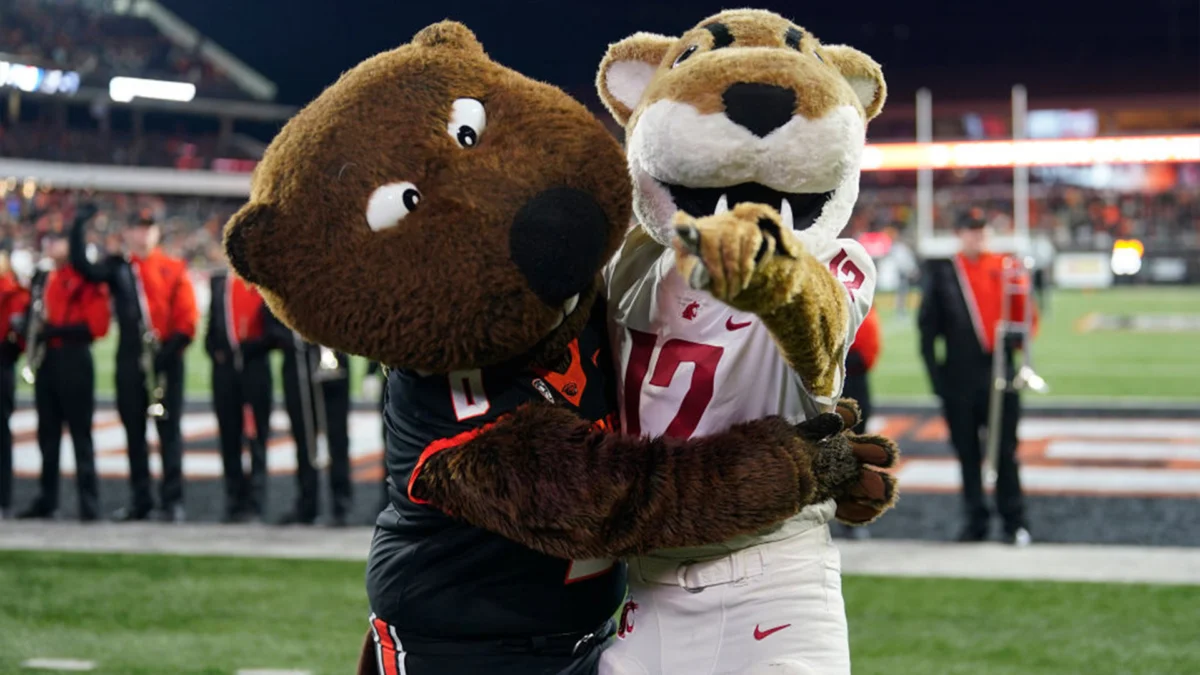
The jubilant echoes of the Washington Huskies’ victory over their bitter rivals, the Oregon Ducks, in the 2023 Pac-12 Championship Game, a triumph that also secured their coveted spot in the College Football Playoff, had barely begun to fade before a stark and somewhat melancholic realization settled in. This momentous win, steeped in tradition and intense rivalry, marked not just a championship, but the poignant end of an era – the demise of the Pac-12 Conference as it had been known for generations.
One of the most storied athletic conferences in American collegiate sports, with roots stretching back to the formation of the Pacific Coast Conference in 1915, was poised to disappear from the landscape. This seismic shift had been brewing for years, with a critical inability to secure and significantly enhance its media rights deals serving as the primary catalyst. In an era where Name, Image, and Likeness (NIL) reforms were fundamentally transforming college football, the premier programs within the Pac-12 understood they could no longer afford to lag behind the burgeoning financial powerhouses of the Big Ten and the Southeastern Conference (SEC).
The dominoes began to fall with a series of high-profile departures. The perennial contenders Washington and Oregon, along with the storied Los Angeles institutions UCLA and USC, ultimately made the decision to join the Big Ten Conference. This exodus triggered a ripple effect, prompting Arizona, Arizona State, Colorado, and Utah to seek refuge and new competitive challenges in the Big 12 Conference. Left scrambling for a new home, the Bay Area institutions of Cal and Stanford eventually found berths in the Atlantic Coast Conference (ACC). These strategic realignments effectively decimated the Pac-12, reducing it to a mere two-team conference comprising Washington State and Oregon State.
The consequences of this realignment were far-reaching, impacting not just football but the entire collegiate athletic spectrum. The beloved tradition of hosting the Pac-12 Basketball Tournament in the vibrant city of Las Vegas became a relic of the past. Iconic cross-state rivalries, such as the Apple Cup between Washington and Washington State, were unceremoniously shifted to the early weeks of the season, disrupting decades of scheduling tradition. The unique charm and late-night drama of "Pac-12 After Dark," a phenomenon that captivated college football fans with its unpredictable and often wild finishes, faded into memory.
However, in a twist that has surprised many and signaled a remarkable resilience within collegiate athletics, the Pac-12 Conference is making a comeback. After a two-year period where the conference effectively ceased to exist in its traditional form, it is set to re-emerge in 2026 with a decidedly different identity.
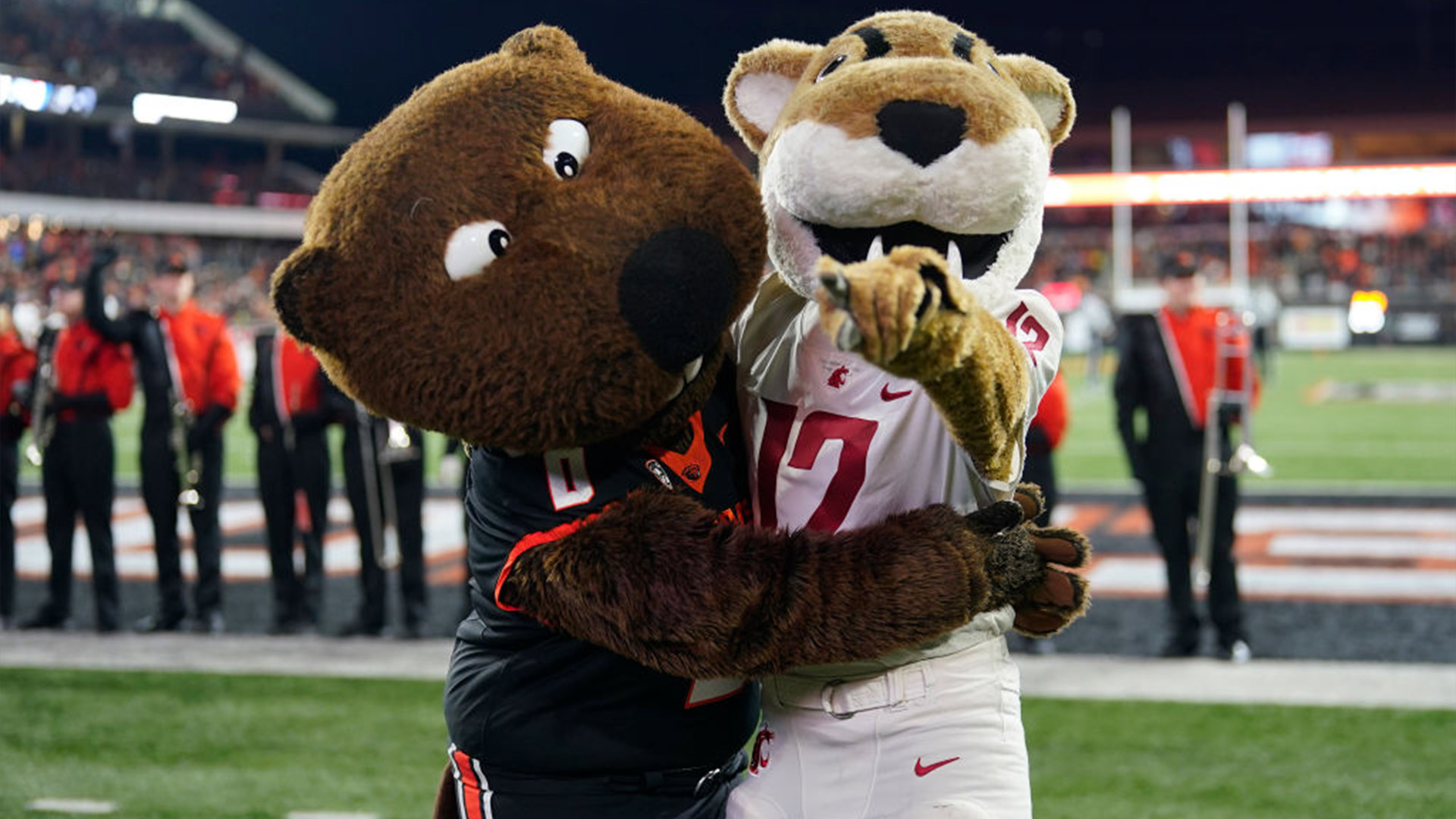
The "new-look" Pac-12 of 2026 will undoubtedly feature rivalries, intense competition, and the potential for late-night upsets, yet its perception has fundamentally shifted. It is no longer considered a "Power Five" conference. Under the current College Football Playoff selection criteria, a team will need to be ranked higher than every other opponent from the "Group of Six" conferences in the final top 25 rankings to even be considered for a playoff berth. This represents a significant climb for any Pac-12 team aspiring to national championship contention.
Adding a touch of quirky uniformity, a fun fact about the revitalized conference is that every Pac-12 football team will now bear the name "State" in its official designation. This new iteration of the Pac-12 will comprise eight teams, formed by the addition of five programs from the Mountain West Conference – Boise State, Colorado State, Fresno State, San Diego State, and Utah State – and one from the Sun Belt Conference, Texas State. These newcomers will join the remaining members, Oregon State and Washington State, to complete the eight-team conference.
The inclusion of these teams brings a diverse set of strengths and traditions to the Pac-12. Boise State, long recognized as one of the premier programs within the "Group of Six," will now bring its iconic blue turf field to the national stage of the Pac-12. Fresno State and Utah State have demonstrated their competitive capabilities, both qualifying for bowl games in the 2025 season. Colorado State, under the leadership of former UCLA coach Jim Mora, will be looking to revitalize its program and establish a winning tradition. Meanwhile, Texas State has enjoyed a remarkable run of success, having won a bowl game in each of the past three seasons, signaling a program on the rise.
The conference’s restructuring also extends to other sports, notably college basketball. Gonzaga University, a perennial national powerhouse in men’s college basketball, will be joining the Pac-12 for that sport, expanding the conference’s basketball membership to nine teams. The Bulldogs have an astounding streak of qualifying for the NCAA Tournament in each of the past 17 seasons, including multiple appearances in the national championship game in 2017 and 2021. This addition significantly bolsters the conference’s standing in men’s basketball.
While the new-look Pac-12 may not possess the same level of national prestige or the sheer depth of top-tier competition as its predecessor, it is poised to become one of the strongest, if not the strongest, "Group of Six" conferences in both football and basketball. The inclusion of programs with established winning cultures and strong fan bases will undoubtedly inject new energy and competitive spirit into the conference.
The historical context of the Pac-12’s demise is rooted in the evolving financial landscape of college athletics. For decades, the Pac-12, with its geographic proximity and shared cultural identity, offered a unique competitive environment. However, as the media rights deals of the Big Ten and SEC grew exponentially, fueled by lucrative television contracts and expanded playoff access, the Pac-12 struggled to keep pace. Its media rights deals, particularly the one that expired in 2024, were significantly less lucrative, creating a competitive disadvantage for its member institutions in recruiting, facilities, and overall program investment.

The advent of NIL further exacerbated this disparity. With the ability for athletes to profit from their name, image, and likeness, the financial resources available to the top programs in the Big Ten and SEC allowed them to attract and retain elite talent more effectively. Pac-12 schools, facing tighter budgets, found it increasingly challenging to compete for top recruits, leading to a gradual erosion of their national standing in football.
The departures were not just about money; they were also about preserving competitive viability. For schools like USC and UCLA, the move to the Big Ten offered a more geographically aligned conference schedule within their primary recruiting territories, albeit with significantly increased travel. For others, like Colorado, the move to the Big 12 represented a chance to remain in a competitive conference that offered better financial terms and a more manageable travel footprint than the ACC.
The story of the Pac-12’s dissolution is a microcosm of the broader trends reshaping college sports. The pursuit of greater financial stability, enhanced playoff access, and competitive relevance has led to unprecedented conference realignment. The "Power Five" structure, once a seemingly stable framework, has proven to be fluid and subject to the powerful forces of economics and ambition.
The comeback of the Pac-12, even in its new guise, is a testament to the enduring appeal of collegiate athletics and the deep-seated rivalries and traditions that bind communities to their teams. The eight-team football conference, anchored by Oregon State and Washington State and bolstered by the additions from the Mountain West and Sun Belt, will undoubtedly forge new narratives and rivalries. The inclusion of Gonzaga in basketball adds an immediate national contender, promising thrilling matchups and deep NCAA Tournament runs.
The future of this new Pac-12 will be closely watched. Its ability to secure favorable media rights deals, cultivate its emerging programs, and consistently produce competitive teams will determine its long-term success. While the romantic notion of the "Conference of Champions" may be a distant memory, the Pac-12’s rebirth offers a compelling new chapter, proving that even in the face of seismic change, the spirit of collegiate competition can endure and find new avenues for expression. The challenge now lies in defining its identity in a transformed collegiate athletic landscape, one where the definition of "power" is constantly being redefined.
