
 By Rifan Muazin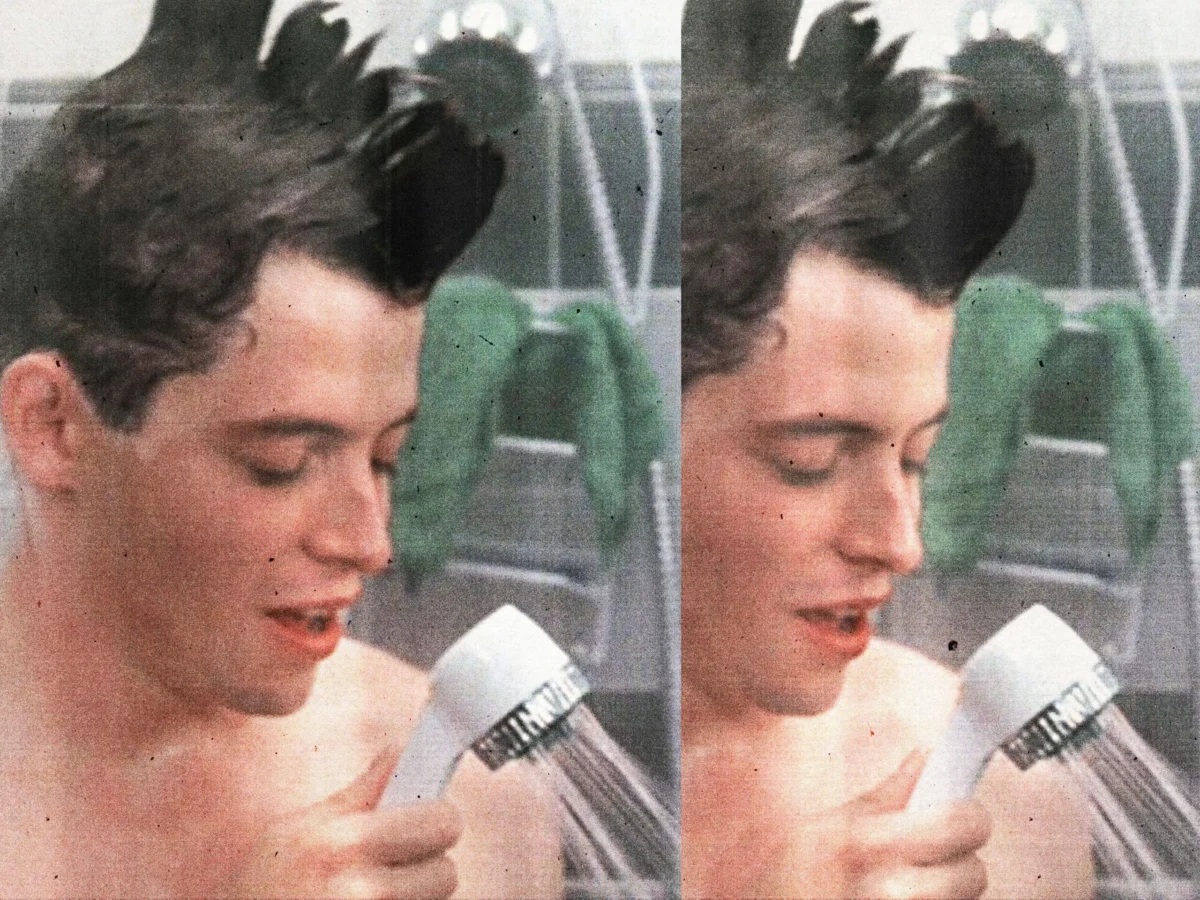
If you reside in New York, Los Angeles, Chicago, Atlanta, Houston, Washington D.C., Boston, Nashville, St. Louis, or virtually any metropolitan area outside the immediate cooling influence of the Northwest or the high altitudes of the Rocky Mountains, you are likely currently grappling with a profound sense of physical and mental exhaustion brought on by the climate. The "brain-boiling" temperatures currently suppressing the United States are not merely a seasonal inconvenience; they are part of a shifting global climate reality that is affecting over one-quarter of the American population. According to data tracked by the New York Times and various meteorological agencies, extreme heat warnings have become the new summer standard, triggering public health alerts and fundamentally altering the rhythm of daily life.
As a direct consequence of this atmospheric pressure, millions of citizens find themselves perpetually drenched in perspiration. While sweating is a vital biological function—the body’s primary mechanism for thermoregulation—the reality of modern urban life makes the byproduct of this process socially and personally difficult to manage. Excessive sweat is often viewed as unbecoming in professional and social settings, but more importantly, it contributes to a general sense of malaise and physical discomfort that can ruin one’s productivity and mood. However, as the heat intensifies, a strategic approach to hygiene has emerged as the most effective defense: the implementation of the "two-shower rule."
To understand why a two-shower-a-day regimen is becoming a necessity, one must first look at the environmental context. Urban environments are subject to what scientists call the "Urban Heat Island" effect. In cities like New York or Chicago, the dense concentration of pavement, buildings, and other surfaces absorb and retain heat far more efficiently than natural landscapes. This means that even after the sun sets, the city remains a furnace. For the increasing number of workers subject to "return to office" policies, this creates a gauntlet of heat. The commute—often involving stifling subway platforms or long walks across sun-baked asphalt—ensures that by the time an employee reaches their desk, they are often already physically compromised by the elements.
The two-shower strategy is not about indulgence; it is about tactical maintenance. It is important to distinguish between the "everything shower"—a lengthy, resource-intensive ritual involving exfoliation, deep conditioning, and meticulous grooming—and the "utility spritz." In a two-shower-a-day lifestyle, taking two luxurious, 10-minute hot showers is both ecologically irresponsible and unnecessary for the skin’s health. Instead, the strategy dictates one standard-length shower for deep cleaning and at least one "spritz"—a brief, focused rinse designed specifically to lower the body’s core temperature and remove the surface salt and bacteria that lead to odors.
The biological necessity of this second rinse is grounded in how our bodies react to heat. Humans possess two types of sweat glands: eccrine and apocrine. Eccrine glands are found all over the body and produce a clear, odorless sweat that cools us down through evaporation. Apocrine glands, located in areas with high concentrations of hair follicles like the armpits, produce a thicker fluid. While sweat itself is largely odorless, it becomes "musty" when it interacts with the bacteria living on the skin. In extreme heat, the sheer volume of sweat provides a fertile breeding ground for these bacteria. By the time a person finishes a workday or a commute, they are carrying a biological load that a simple application of deodorant cannot mask.
Part of the two-shower rule is rooted in a sense of civic duty and social respect. When you arrive at a shared destination—be it a corporate office, a friend’s apartment, or a social gathering—there is an unspoken social contract regarding hygiene. Presenting oneself in a state of cleanliness is a form of courtesy to those sharing your space. Conversely, nothing diminishes personal confidence quite like the realization that you are the source of an unpleasant odor. This realization often leads to an evening of self-consciousness, where an individual limits their movements and social engagement to avoid drawing attention to their state of perspiration. By prioritizing a quick rinse before heading out or immediately upon returning home, you reclaim your comfort and your social standing.
However, the logistics of multiple showers can be daunting for those with busy schedules. The long-standing debate over whether it is superior to shower in the morning or at night takes on a new dimension during a heat wave. Many people wake up feeling "grimy" after a night spent in an uncomfortably warm bedroom, even with air conditioning. In this scenario, the morning shower serves as the "standard" shower—the foundational cleaning for the day. But there is a specific art to the morning heat-wave shower: the "shower and lounge" approach.
Dermatologists and thermal biologists note that taking a hot shower and immediately dressing in restrictive clothing can trap heat against the skin, causing the body to continue sweating even after the shower is over. To combat this, the "shower and lounge" method involves bathing early enough to allow for a cooling-off period. By spending twenty to thirty minutes in a robe or light undergarments while eating breakfast or checking emails, you allow your body temperature to regulate. This prevents the "hot and bothered" feeling that occurs when you rush from a steaming bathroom directly into the humid outdoors. It is also worth noting that while ice-cold showers are often touted for their alertness benefits, lukewarm water is often more effective for long-term cooling, as it doesn’t trigger the body’s internal "heater" to kick in to compensate for a sudden cold shock.
As the day progresses and you navigate the "big, hot, scary world," the psychological benefit of the two-shower rule becomes apparent. There is a certain mental freedom in knowing that no matter how oppressive the humidity becomes, a second rinse is waiting for you. This is akin to the mentality of professional athletes who "leave it all on the field." They can push their bodies to the limit because they know the locker room shower provides an immediate reset. For the urban commuter, the second shower—the evening spritz—is that reset. It marks the transition from the chaotic, external world to the sanctuary of the home.
Critics of the two-shower rule often point to the environmental impact of increased water usage. This is a valid concern, particularly in regions facing drought. However, the "spritz" method is designed to be water-efficient. A focused, three-minute rinse uses significantly less water than a standard shower and can even be more efficient than the long, cooling baths some turn to during heat waves. Furthermore, for those concerned about skin health, dermatologists often recommend using soap only on "high-traffic" areas during the second shower to avoid stripping the skin of its natural oils and disrupting the microbiome.
The two-shower rule can also be inverted for those who prefer their primary grooming ritual to occur in the evening. If you are an "evening everything shower" person, the post-work rinse remains crucial for removing the day’s pollutants and sweat before you interact with your living space or your bedsheets. Cleanliness is not just about personal scent; it is about the maintenance of one’s environment. Crawling into bed while covered in a layer of salt and urban grime is a recipe for poor sleep and skin irritation. A quick rinse before bed ensures that your linens remain fresh and your body is at the optimal temperature for rest.
Ultimately, we are living in an era where the environment is making greater demands on our physical resilience. As global temperatures continue to rise, the strategies we use to maintain our dignity and comfort must evolve. The two-shower rule is a practical, hygienic, and psychological response to a world that is increasingly "too hot." Whether you are heading to an air-conditioned bar to commiserate with friends or simply settling in for a night of domesticity, doing so freshly soaped and cooled will fundamentally alter your experience of the summer. It is a simple habit that offers a high return on investment: a sense of sanity in an otherwise boiling world. So, regardless of your schedule, don’t sleep on the secondary rinse. In this heat, it isn’t just a luxury—it’s a necessity for survival in the modern city.
