
 By Lina Irawan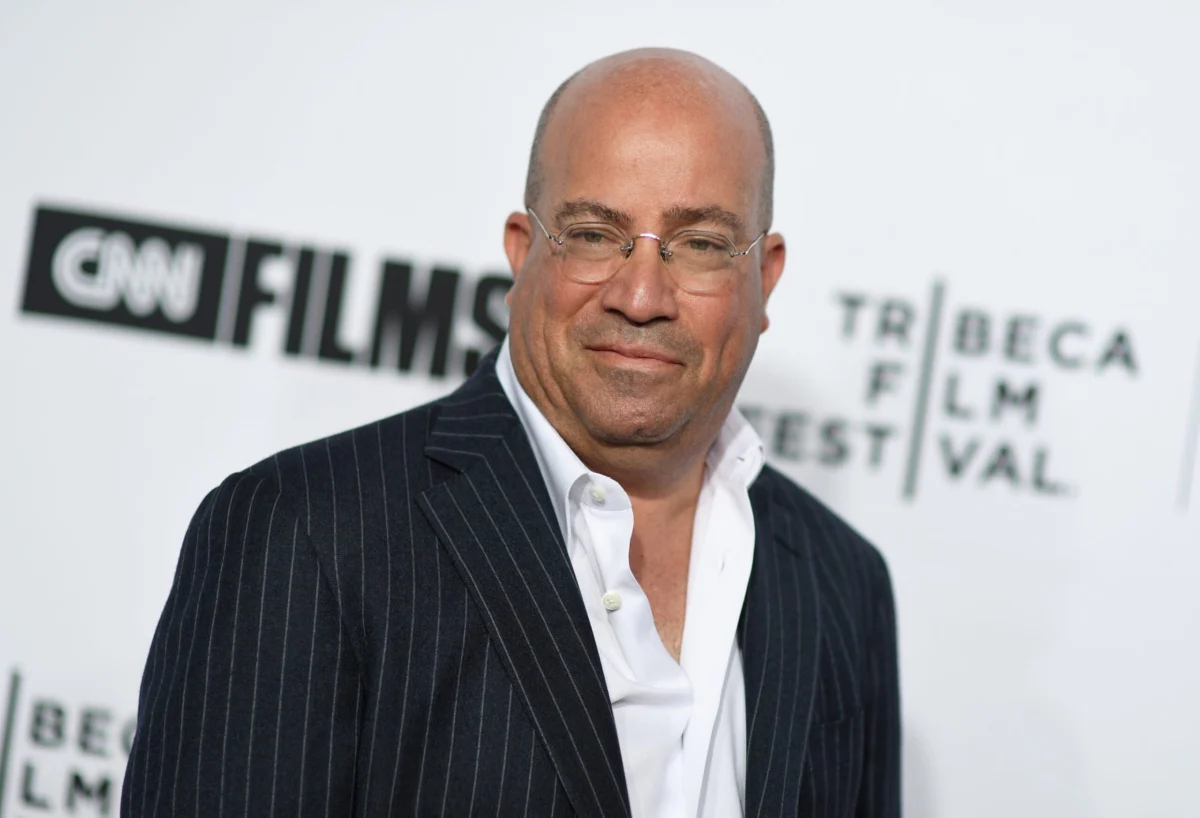
Zucker, a veteran media executive with a storied career at NBCUniversal and CNN, now at the helm of RedBird IMI, articulated a clear rationale for the UAE’s appeal. "The UAE has been a fantastic investor, a great shareholder, and that’s because they are interested in media," he explained. "They’re patient with their investments, and they’re willing to take chances on the global stage. And that’s just an incredible combination for someone who’s looking to invest in media." This philosophy aligns perfectly with the long-term strategic visions of Gulf states, such as the UAE’s Economic Vision 2030, which prioritizes diversification away from hydrocarbon reliance and aims to build robust, knowledge-based economies. Their patient capital provides stability and allows for strategic growth, often sidestepping the short-term pressures faced by publicly traded companies.
RedBird IMI, the joint venture between New York’s RedBird Capital Partners and Abu Dhabi’s International Media Investments (IMI), has been a significant player in this burgeoning landscape. IMI, known for owning regional stalwarts like The National newspaper and Sky News Arabia, represents Abu Dhabi’s strategic commitment to developing a formidable media ecosystem. RedBird Capital Partners, a private equity firm founded by Gerry Cardinale, has a track record of successful investments across sports, media, and entertainment, including stakes in Fenway Sports Group (Liverpool FC, Boston Red Sox) and the XFL. Their combined expertise and capital formed a potent force that orchestrated the acquisition of All3Media in early 2024 for £1.15 billion ($1.5 billion)—a landmark deal at the time.
This initial acquisition set the stage for the even larger $8 billion mega-merger of Banijay and All3Media, a transaction that has reshaped the global independent content production market. With Zucker now poised to assume the role of chairman of the newly formed entity, Banijay Entertainment, the company is set to become the world’s largest independent production powerhouse. Spanning 25 countries and encompassing more than 170 production and live-events companies, Banijay Entertainment will control an unparalleled portfolio of intellectual property, from reality TV hits like MasterChef and Big Brother to acclaimed dramas and documentaries. This consolidation gives the new entity significant leverage in the fiercely competitive streaming landscape, providing a vast library and production capabilities to major platforms and broadcasters worldwide.
Zucker is particularly enthusiastic about the untapped potential within the UAE itself. He highlighted opportunities to tap into "the tremendous number of stories from the region that have yet to be told, particularly in the UAE." This vision aligns with the UAE’s broader cultural initiatives, such as twofour54 in Abu Dhabi and Dubai Media City, which actively promote local content creation, foster talent development, and provide state-of-the-art production facilities. Banijay already has several productions underway in the country, which are expected to continue and expand under the new leadership, bringing authentic regional narratives to a global audience.
Beyond traditional content, Zucker sees significant growth in live events and immersive experiences, an area where the Gulf is rapidly becoming a global leader. "Certainly, we see huge potential in sports," he affirmed, pointing to upcoming major regional sporting events like Saudi Arabia’s hosting of the FIFA World Cup in 2034. These events represent "opportunities that we can hopefully be part of," given Banijay’s proven expertise in producing high-profile spectacles. The company has already delivered the opening ceremonies for the Milano Cortina Winter Olympics in February and the FIFA World Cup in the U.S., Mexico, and Canada, demonstrating its capability to manage complex, large-scale global productions. The Gulf’s aggressive investment in sports infrastructure, from state-of-the-art stadiums to ambitious multi-sport cities like NEOM and Qiddiya in Saudi Arabia, creates a fertile ground for such ventures, attracting tourists and boosting local economies.
Furthermore, Zucker is keen to extend Banijay’s brands into gaming and immersive entertainment—sectors where Gulf countries are betting big on future growth. This strategic pivot recognizes the exponential rise of the gaming industry and its convergence with other forms of entertainment. Driven by multi-billion-dollar investments from both Saudi Arabia and the UAE, the region is rapidly transforming into a lucrative hub for video games and esports, with initiatives focused on developing local talent, attracting international studios, and hosting major tournaments. This foresight positions Banijay to capitalize on a burgeoning market segment that aligns perfectly with the region’s long-term economic diversification goals.
However, the path to doing business in the UAE, and indeed the broader Gulf, is not without its complexities, as RedBird IMI learned from a previous venture. Readers will recall when RedBird IMI was forced to abandon its final £500 million ($666 million) bid for The Telegraph, a prestigious British daily broadsheet newspaper, in November 2025. This setback followed significant political opposition in the UK and the introduction of new rules restricting foreign state ownership of media companies deemed critical national infrastructure. Under that proposed deal, Abu Dhabi-based IMI would have taken a 15% stake in Telegraph Media Group. The episode highlighted the growing scrutiny over foreign, particularly state-backed, investments in sensitive sectors in Western economies, forcing investors like RedBird IMI to navigate a more intricate geopolitical and regulatory landscape. It serves as a stark reminder that while the Gulf offers immense opportunities, global investments require careful consideration of sovereignty concerns and political sensitivities in target markets.
My full interview with Zucker and detailed analysis of what the merger means for the Gulf is available in my piece here. And watch out for a big exclusive from me later this week on Fortune.com.
Lloyd’s Insurance Draws the Line on Hormuz Transit Fees
The geopolitical landscape in the Middle East remains volatile, with the U.S.-Iran conflict taking another dramatic turn. After 13 consecutive nights of airstrikes that rattled global markets and raised fears of a wider regional conflagration, the U.S. unexpectedly called off its bombing campaign last Friday. In a reciprocal gesture, Iran announced it would pause its attacks but adamantly insisted it still controls the strategically vital Strait of Hormuz. This uneasy ceasefire, while offering a temporary reprieve, has done little to alleviate the underlying tensions that threaten global shipping and energy supplies.
Amidst this delicate pause, Oman, a traditional mediator in regional disputes, dispatched a delegation to Tehran to negotiate a framework for reopening and managing shipping through the Strait. This critical waterway, through which approximately one-fifth of the world’s total oil supply passes, remains at the center of the conflict. Muscat’s diplomatic efforts aim to broker a compromise that would allow commercial traffic to resume safely while addressing Iran’s demand for greater control over the waterway, which it views as its sovereign territory. However, Washington has firmly rejected any arrangement that limits freedom of navigation, upholding a principle vital to international trade and security.
Further complicating these already fraught negotiations, the Lloyd’s Market Association (LMA), the influential trade body representing underwriters in the world’s marine insurance market, issued new guidance last week. The LMA stated that any shipowner who pays Iran for passage through the Strait of Hormuz could face the cancellation of their insurance cover. This stern warning stems from concerns that such payments may breach existing U.K., EU, and U.S. sanctions or counter-terrorism laws, placing global shipping companies in an unprecedented predicament. While the clause is optional guidance rather than a mandatory market rule, insurers have the discretion to incorporate it into their policies, effectively creating a "Hobson’s choice" for shipowners.
The move significantly raises the stakes for global shipping. The industry now faces a stark dilemma: comply with Iran’s demand for transit fees and risk losing crucial insurance coverage, or refuse and operate without protection, potentially exposing themselves to catastrophic financial liabilities in an active conflict zone. This decision carries immense weight, as uninsured vessels could be deemed too risky to operate by port authorities and financiers, leading to widespread disruptions in global supply chains and potentially higher energy prices.
Adding to the regional instability, a second maritime front emerged last week when Yemen’s Iranian-backed Houthi movement claimed it had attacked two Saudi oil tankers in the Red Sea. The Houthis asserted the vessels had "violated" their blockade of Saudi ports, demonstrating their capability to strike critical shipping lanes far from the Strait of Hormuz. The official Saudi news agency confirmed that one tanker was hit late on Wednesday, causing a fire. These renewed attacks in the southern Red Sea sent war risk premiums for vessels soaring. Within a week, insurance costs rose from around 0.3% of a ship’s hull value to more than 1%. Saudi-linked tankers sailing closer to Yemen’s coastline faced even higher premiums, up to 3%, according to Reuters. These escalating costs ultimately translate into higher operational expenses for shipping companies, which are then passed on to consumers, further impacting the global economy.
The U.S.-Saudi Nuclear Deal Has Plenty of Red Flags
Given the volatile events unfolding across the region, the U.S.-Saudi Arabia nuclear deal announced last week seemed oddly timed, immediately drawing criticism and raising significant red flags. The controversy deepened when the President unilaterally added a condition for the recognition of Israel via a social media post—a move Saudi Arabia has consistently rejected without a clear path to statehood for Palestine. This unexpected linkage not only complicated the deal but also highlighted the complex and often contradictory nature of U.S. foreign policy in the Middle East.
Unlike the UAE’s "gold standard" 2009 nuclear pact with Washington, which mandated the adoption of the International Atomic Energy Agency’s (IAEA) Additional Protocol, the proposed agreement with Saudi Arabia conspicuously omits this crucial safeguard. The Additional Protocol grants the IAEA expanded inspection authority, allowing it greater access to declared and undeclared nuclear sites, thus significantly reducing the risk of diversion of nuclear material for weapons purposes. Its omission from the Saudi deal has profoundly alarmed non-proliferation advocates and experts worldwide. Concerns are amplified by Saudi Crown Prince Mohammed bin Salman’s past warning that the kingdom would develop its own nuclear weapon if Iran ever built one. Relaxing restrictions on Saudi Arabia’s nuclear program, particularly its ability to enrich uranium, could fuel a dangerous arms race across the Middle East, destabilizing an already volatile region and undermining global non-proliferation efforts.
Asharq Bloomberg reported the following day that Riyadh had no advance notice of the Israel recognition addition to the deal, and crucially, that the signed text itself does not tie the two issues together. This discrepancy suggests a potential miscommunication or a strategic attempt by the U.S. administration to link the deal to broader regional normalization efforts, despite Saudi Arabia’s clear preconditions for Israeli recognition.
While a shaky U.S.-Iran ceasefire has remained in place since last Friday, Tehran will undoubtedly feel even more emboldened to dig its heels in on ongoing negotiations over reaching a comprehensive deal to end the war—particularly on the difficult issue of its own nuclear capabilities and ambitions. The perceived laxity in the Saudi deal could strengthen Iran’s resolve to resist stricter inspection regimes, arguing for parity in regional nuclear development.
President Trump is scheduled to host Israeli Prime Minister Benjamin Netanyahu at the White House this week, marking their first meeting in Washington since before the start of the Iran war in February. Some commentators have speculated that demanding Saudi Arabia normalize ties with Israel via the Abraham Accords is aimed at reducing U.S.-Israeli tensions and securing a foreign policy win for the current administration. In an interview with Fox News on Sunday, Netanyahu affirmed that Trump was "absolutely right" to insist that Saudi Arabia would only get "a civilian" nuclear deal in exchange for normalization with Israel. He stressed, "I stress ‘civilian’ because the last thing we want, and I’m sure the last thing the President wants, is a military nuclear program in Saudi Arabia." This statement, however, does little to assuage non-proliferation concerns if the deal lacks robust inspection protocols, as the line between civilian and military nuclear capabilities can be notoriously blurry without stringent oversight.
Saudi’s PIF Secures European Commission Approval for $55 Billion Electronic Arts Acquisition
Saudi Arabia’s Public Investment Fund (PIF) has cleared a major regulatory hurdle in its planned $55 billion takeover of video game giant Electronic Arts (EA), after the European Commission announced it would not raise competition concerns. This crucial greenlight paves the way for what would become the largest leveraged buyout in history, signaling Saudi Arabia’s accelerating ambitions to become a global powerhouse in the gaming and entertainment industries.
The PIF, the kingdom’s colossal $1 trillion sovereign wealth fund, is leading a consortium of investors that includes Jared Kushner’s Affinity Partners and the prominent private equity firm Silver Lake. This strategic alliance underscores the breadth of financial and political influence behind the deal. While the size of each investor’s stake has not been formally announced, the Wall Street Journal previously reported that PIF would own a commanding 93.4% of Electronic Arts after the buyout, with Silver Lake holding 5.5% and Affinity Partners 1.1%. This substantial ownership stake demonstrates PIF’s intent not just to be a passive investor but a controlling force in shaping EA’s future direction.
Despite the European Commission’s approval on competition grounds, the deal is not entirely over the finish line. EU regulators are still reviewing the acquisition under the bloc’s Foreign Subsidies Regulation, a relatively new tool designed to prevent foreign subsidies from distorting the EU’s internal market. A final decision on this aspect is expected by July 30. However, people familiar with the process told Reuters they anticipate the transaction to receive approval, suggesting that the PIF has successfully addressed European regulatory concerns.
If approved, this monumental acquisition will turbocharge Saudi Arabia’s aggressive push to become a global force in gaming and entertainment, a cornerstone of its ambitious Vision 2030 economic diversification strategy. The kingdom aims to pivot its economy away from oil dependency towards new sectors like tourism, technology, and entertainment. PIF has already invested billions of dollars across the gaming industry, accumulating significant stakes in major players such as Nintendo, Capcom, and Take-Two Interactive. Additionally, it has been instrumental in backing esports tournaments and developing advanced gaming infrastructure at home through its subsidiary, Savvy Games Group.
Owning Electronic Arts—publisher of blockbuster franchises including EA Sports FC (formerly FIFA), Madden NFL, Battlefield, and The Sims—would give the kingdom direct control over one of the world’s biggest and most influential video game publishers. This move provides PIF with a vast portfolio of intellectual property, established development studios, and a massive global user base, cementing its position at the forefront of the interactive entertainment landscape. The strategic rationale extends beyond mere financial returns; it’s about acquiring expertise, talent, and brand recognition to accelerate Saudi Arabia’s transformation into a digital and creative hub.
The $55 billion deal is being financed through approximately $36 billion in equity from the consortium members and a substantial $20 billion in debt committed by JPMorgan Chase. Upon completion, Electronic Arts will be delisted from the Nasdaq stock exchange, transitioning from a publicly traded company to a privately held entity. While its ownership will shift dramatically, EA is expected to remain headquartered in Redwood City, California, aiming to retain its operational autonomy and creative talent, albeit under new strategic guidance from its Saudi owners. This privatization offers PIF greater flexibility for long-term strategic planning, free from the quarterly pressures of public markets.
The Big Number
$55 billion
The staggering sum that Saudi Arabia’s Public Investment Fund (PIF) is committing to acquire Electronic Arts, marking it as the largest leveraged buyout in history. This colossal investment underscores the kingdom’s aggressive strategy to diversify its economy and establish itself as a dominant player in the global gaming and entertainment industries, a key pillar of its Vision 2030.
The 3 Things We Enjoyed Reading This Week
1.
