
 By admin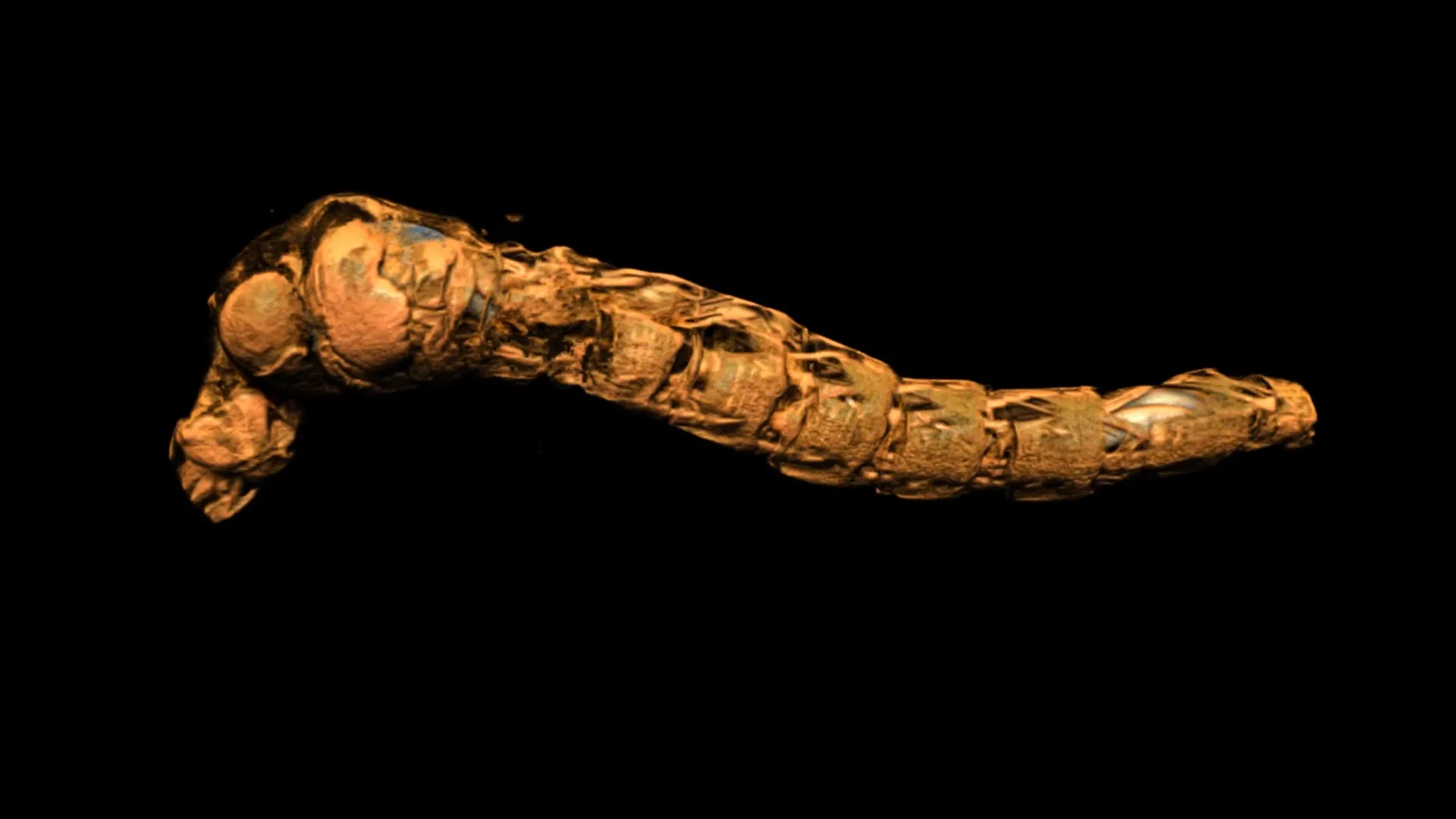
The protagonists of this scientific re-evaluation are billions of lake fly larvae, specifically Chaoborus edulis, inhabiting the ancient depths of Lake Malawi in East Africa. These fascinating invertebrates perform an extraordinary and precisely orchestrated vertical migration daily, a feat that has captivated researchers for its scale and complexity. Lake Malawi, one of the African Great Lakes, is renowned for its immense biodiversity, particularly its endemic cichlid fish species, and its unique limnological characteristics, including deep, stratified waters with significant oxygen minimum zones.
Every day, as dawn breaks, these translucent larvae embark on a profound descent, plunging more than 200 meters into the lake’s abyssal reaches. This deep region is characterized by severe hypoxia, an environment with very little dissolved oxygen, often referred to as a "dead zone" due to its inhospitable nature for most aerobic life. For the Chaoborus larvae, however, this oxygen-depleted zone serves as a vital sanctuary, offering effective shelter from a myriad of visual predators that cannot easily survive or hunt in such conditions. As darkness descends, signaling the relative safety of night, the larvae undertake an equally impressive ascent, rising toward the surface to feed on phytoplankton and zooplankton. This nocturnal foraging, however, is not without peril; they must navigate through vast numbers of hungry fish and other predators lying in wait closer to the surface.
To unravel the intricacies of this massive daily movement, a team of researchers from the University of British Columbia (UBC), Drs. Philip Matthews and Evan McKenzie, deployed a sophisticated sonar system on the lake floor. This cutting-edge equipment allowed them to continuously monitor and observe the enormous aggregations of larvae as they synchronously moved through the water column, painting a vivid picture of one of the planet’s most significant and least understood mass migrations. The sheer biomass involved in this daily migration has profound implications for the lake’s nutrient cycling and ecosystem dynamics, effectively acting as a biological pump transferring organic matter between different depth strata.
Tiny Air Sacs Work Like Ballast Tanks
When the researchers meticulously examined the morphology of these remarkable larvae, they uncovered the ingenious biological adaptation underpinning their precise vertical control: two pairs of small, specialized air sacs. These structures, a modified part of their respiratory system, function with astonishing precision, much like the ballast tanks of a submarine. By actively adjusting the volume of air within these sacs, the larvae can finely tune their buoyancy, thereby dictating whether they ascend or descend in the water column. This mechanism allows for energy-efficient movement through the water, as opposed to continuous swimming, which would be far more metabolically costly over such vast distances.
The walls of these critical air sacs are not merely passive membranes; they are engineered with a truly extraordinary biological material: resilin. Resilin is an unusually elastic protein, often described as a "biological rubber," found in various arthropods. Its unique properties grant it exceptional elasticity, resilience, and resistance to fatigue, making it ideal for structures that undergo repeated deformation without degradation. In Chaoborus larvae, the resilin within the sac walls provides the structural integrity and flexibility necessary for repeated expansion and contraction.
The most fascinating aspect of this buoyancy control system lies in the larvae’s ability to manipulate the pH of the fluid surrounding the sac walls. By actively altering the pH, they can induce the resilin protein to either expand or contract. This change in the protein’s conformation directly translates into a change in the volume of the air sacs, giving the larvae exquisite and precise control over their depth. This pH-dependent volumetric change is a sophisticated biochemical mechanism, allowing for rapid and reversible adjustments to buoyancy, crucial for navigating varying water densities and predator threats throughout their daily cycle. The metabolic energy required to actively regulate pH for this purpose, while significant, is evidently outweighed by the ecological advantages of predator avoidance and access to feeding grounds.
Air Sacs Survive Extreme Water Pressure
The profound implications of this discovery became even clearer when the researchers proceeded to test the limits of this system. They carefully placed the Chaoborus larvae inside miniature pressure chambers, designed to simulate the crushing pressures encountered at increasing depths in natural water bodies. The objective was to determine the maximum pressure the air sacs could withstand before collapsing, a critical factor for any air-filled structure in a high-pressure environment.
The results of these experiments were nothing short of striking and fundamentally challenged existing scientific paradigms. The resilin-lined air sacs of the Chaoborus larvae survived pressures equivalent to those found at depths exceeding 400 meters. This figure is more than twice the depth the larvae typically travel during their daily migrations in Lake Malawi, indicating a significant evolutionary safety margin or perhaps an ancestral capacity for even deeper dives. This extreme pressure tolerance immediately raised questions about one of the most widely accepted explanations for a long-standing biological enigma.
Insects, as a group, are arguably the most successful multicellular organisms on Earth, dominating terrestrial and freshwater ecosystems in terms of species diversity and biomass. Yet, the vast expanse of the open ocean, which covers over 70% of the planet’s surface, contains virtually none. This stark absence has puzzled entomologists and marine biologists for decades. One of the most widely discussed and seemingly logical explanations has been the "pressure exclusion hypothesis." This theory posits that the intense hydrostatic pressure encountered at even moderate depths in the ocean would inevitably crush the air-filled tracheal systems and other air spaces that insects rely on for respiration and, in some cases, buoyancy. Given that most insects use a system of rigid, air-filled tubes to deliver oxygen directly to tissues, their vulnerability to pressure seemed self-evident.
However, the remarkable toughness and pressure resistance demonstrated by the Chaoborus larvae’s resilin-reinforced air sacs profoundly challenge this long-held assumption. Their existence suggests that pressure alone may not be the sole or even the primary factor explaining why insects never established themselves throughout the ocean. While challenges like osmoregulation (balancing internal salt concentrations in saltwater), different food web structures, and intense predation from marine organisms undoubtedly play significant roles, the physical barrier of pressure, at least for some air-filled structures, appears to be surmountable. This discovery necessitates a more nuanced and multi-faceted understanding of insect biogeography and evolutionary constraints in marine environments. It implies that the ancestral toolkit of insects might contain more flexibility than previously assumed, and perhaps other evolutionary pathways, rather than just physical limitations, guided their diversification away from the deep blue sea.
Biological Rubber Could Inspire New Materials
Beyond its profound implications for ecology and evolutionary biology, the discovery of the Chaoborus buoyancy system has significant ramifications for materials science and engineering. Scientists have long been fascinated by resilin, which has been extensively studied due to its almost perfect "biological rubber" characteristics. Unlike synthetic rubbers, resilin exhibits near-perfect elasticity, meaning it can store and release energy with very little loss (low hysteresis), and it possesses exceptional fatigue resistance, allowing it to withstand billions of cycles of deformation without structural failure. In other insects, resilin plays crucial roles in forming durable and flexible structures such as the hinges of insect wings, which must flex millions of times during flight, and the tendons responsible for the incredible jumping power of fleas.
The newly discovered pH-dependent buoyancy system in Chaoborus larvae, specifically its ability to actively change volume in response to a chemical trigger, adds another layer of intrigue to resilin’s potential applications. This mechanism could directly contribute to ongoing efforts to develop "smart materials" – materials that can respond dynamically to external stimuli like temperature, light, or chemical changes. Researchers envision a future where synthetic materials inspired by resilin’s properties and the larvae’s active control mechanism could lead to revolutionary advancements.
For instance, understanding how Chaoborus larvae actively alter pH to induce conformational changes in resilin could pave the way for creating artificial muscles. These bio-inspired actuators could be designed to contract or expand when exposed to specific chemical signals or pH variations, offering unprecedented control and flexibility for applications in soft robotics, prosthetics, and even micro-medical devices for targeted drug delivery. Imagine miniature robots capable of navigating complex environments by precisely controlling their buoyancy or movement through subtle chemical cues, much like the lake fly larvae.
Furthermore, the incredible durability and elasticity of resilin, coupled with its ability to be actively controlled, could inspire the development of novel composites and self-healing materials. Materials that can autonomously repair damage or dynamically adjust their properties in response to environmental changes would be invaluable in fields ranging from aerospace engineering to sustainable construction. The resilience of these biological systems offers a compelling blueprint for engineers seeking to create materials that are not only strong and flexible but also adaptable and energy-efficient.
The work on Chaoborus edulis serves as a powerful reminder of the hidden innovations lurking in nature, often in the most unexpected places. It underscores the importance of fundamental research in revealing the intricate mechanisms that govern life and how these insights can transcend disciplinary boundaries, from understanding deep-time evolutionary patterns to engineering the materials of tomorrow. This project was partially funded by the Natural Sciences and Engineering Research Council of Canada (NSERC) through Discovery and Accelerator grants, highlighting the critical role of sustained scientific investment in uncovering such transformative biological insights. The phantom midge larvae, once thought merely a fascinating component of freshwater ecosystems, now stands as a pivotal organism challenging established ecological tenets and inspiring a new generation of smart technologies.
