
 By admin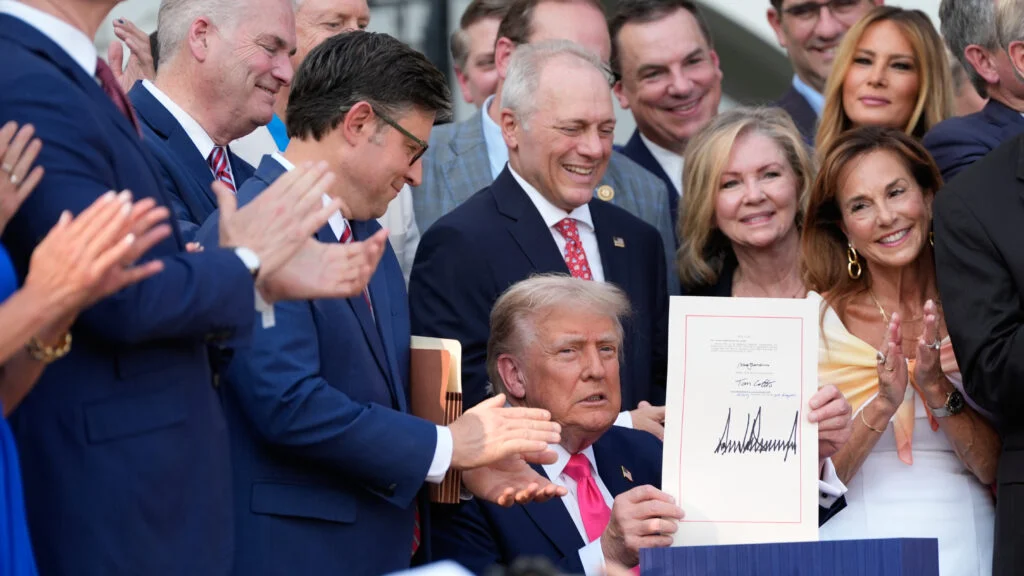
The legislation, passed in the spring of 2025 amid intense partisan debate, aims to reduce federal spending by more than $900 billion over the next decade. While much of the public discourse surrounding the law initially focused on the implementation of stringent work requirements for able-bodied adults, the specific provisions targeting lawfully present immigrants have only recently come into sharp focus as the October 1 implementation deadline approaches. These changes do not target those in the country illegally—who were already largely barred from Medicaid under the 1996 Personal Responsibility and Work Opportunity Reconciliation Act—but rather those who have been granted explicit legal permission to reside and work in the U.S.
Among those facing an immediate loss of benefits are some of the most vulnerable populations in the country: refugees who fled active war zones, asylees who escaped political or religious persecution, victims of human trafficking, and Afghan and Iraqi interpreters who served alongside the U.S. military at great personal risk. Under previous regulations, many of these individuals were eligible for Medicaid during their first several years in the country to ensure they could stabilize their health and integrate into the workforce. The new law effectively ends that era of support, signaling a "citizens-first" approach to federal entitlement programs.
The discrepancy between early federal projections and emerging state-level data is startling. The Congressional Budget Office (CBO), the nonpartisan agency responsible for scoring the fiscal and social impact of legislation, initially estimated that the elimination of Medicaid eligibility for these noncitizen adults would result in approximately 100,000 more uninsured immigrants by 2034. However, data collected by KFF Health News from just nine states and the District of Columbia suggests that more than 281,000 individuals are set to lose coverage in October alone. This suggests the CBO’s long-term forecast may have significantly underestimated the immediate volatility and scale of the coverage loss.
Florida serves as the primary epicenter for this policy shift. The state has identified nearly 177,000 immigrants who will no longer qualify for Medicaid starting in October. Anna Holaday, a spokesperson for the Florida Department of Children and Families, noted that the agency has been aggressively verifying immigration status through federal databases and issuing notices. While the state provides a window for enrollees to prove continued eligibility—such as by showing they have obtained a green card—the sheer volume of terminations suggests a looming crisis for Florida’s safety-net hospitals.
Other states are reporting similar, albeit smaller-scale, purges. Arizona predicts 28,000 losses; North Carolina anticipates 29,000; and New Jersey expects between 15,000 and 25,000 noncitizens to be dropped from the rolls. Washington state, often a bastion of expanded social services, expects to lose 11,000 enrollees. The lack of a centralized, real-time federal tracking system means that the true national figure likely exceeds 500,000 when accounting for all 50 states, a number five times higher than the CBO’s initial decade-long estimate.
The delay in accurate reporting has drawn fire from policy analysts. Lawmakers rely on the CBO to navigate the complexities of major bills, yet the agency did not publish its specific analysis regarding noncitizen impacts until a month after the One Big Beautiful Bill Act was signed into law. This "information gap" meant that the bill was debated and passed without a full understanding of its demographic consequences.
The human cost of this policy shift is perhaps most visible in the stories of those currently navigating the transition. Ahin, a 25-year-old Syrian refugee who arrived in the U.S. in late 2024, represents the "stuck" population. After surviving the horrors of the Syrian civil war and a decade in Turkey, she arrived in the U.S. only to face a major medical crisis involving intestinal surgery. Medicaid covered her life-saving operation and the subsequent specialist care. Now, without coverage, she faces the prospect of managing a chronic recovery process with no financial means. "I’m really worried about this," she told KFF Health News. "It’s truly a terrible situation."
Advocates point out that the administrative backlog at U.S. Citizenship and Immigration Services (USCIS) has exacerbated the crisis. Before 2025, the transition from refugee status to a green card—which protects an immigrant’s Medicaid eligibility under the new law—typically took about six months. Today, due to processing delays and increased vetting procedures, that timeline has stretched to over a year. Individuals like Ahin, who have applied for permanent residency and are doing everything "by the book," are being caught in a bureaucratic pincer movement: they cannot get their green cards fast enough to satisfy the new Medicaid requirements, and they cannot afford private insurance while they wait.
The October 1 Medicaid cuts are only the first wave. Starting in January 2026, the law will further restrict access to the Affordable Care Act (ACA) marketplace. The CBO estimates that approximately 1 million lawfully present immigrants will lose the federal subsidies that make individual health plans affordable. Simultaneously, an estimated 100,000 immigrants will lose access to Medicare. When combined with the broader work requirements set to take effect in January—which the CBO predicts will increase the number of uninsured Americans by 5 million—the cumulative effect is a radical shrinking of the insured population.
The political justification for these cuts centers on the "America First" doctrine. The Trump administration has consistently argued that taxpayer-funded benefits should be reserved for U.S. citizens to ensure the long-term sustainability of programs like Medicaid. In May 2025, the White House released a statement claiming the bill would protect the program by removing "illegals." However, as legal experts and immigrant rights groups have noted, this rhetoric conflates undocumented immigrants with those who have legal status. Ben D’Avanzo of the National Immigration Law Center argues that this is a deliberate strategy to signal that the U.S. is no longer a welcoming environment for any category of immigrant, regardless of their legal standing.
The public health implications of a large, uninsured immigrant population are also a point of concern for state officials. Carlos Alarcón of the California Immigrant Policy Center warns that reducing healthcare access for any demographic inevitably affects the community at large. Using the COVID-19 pandemic as a historical reference, Alarcón noted that when people lack access to primary care, they are less likely to receive vaccinations or early treatment for contagious diseases, leading to higher community transmission rates and more expensive emergency room visits.
In response, some "blue" states are attempting to build their own safeguards. California is perhaps the most aggressive, allocating $365 million in state funds to maintain coverage for 148,000 immigrants through July 2027. New York and Pennsylvania have similarly signaled that they will use state tax dollars to fill the void left by the federal withdrawal. However, these state-funded "bridge" programs are often subject to the whims of local politics and budgetary constraints. In California, the future of this funding may depend on the 2026 gubernatorial election, where candidates like Xavier Becerra have pledged to protect coverage via executive order, while Republican challengers have questioned the fiscal wisdom of such expenditures.
In states without such buffers, refugee resettlement organizations are "scrambling," according to Julianna Larsen of the Arizona Refugee Center. These groups are now forced to direct clients to a shrinking pool of free clinics and federally qualified health centers, which are themselves bracing for an influx of patients who can no longer pay. The transition from a structured insurance model to a patchwork of charity care represents a significant step backward in the management of public health.
As the October deadline looms, the reality of the One Big Beautiful Bill Act is shifting from legislative text to lived experience. For the hundreds of thousands of legal residents facing the loss of their doctors and medications, the promise of a "beautiful" reform feels like a distant abstraction. For the healthcare system, the sudden influx of uninsured patients marks the beginning of a period of profound uncertainty, as the costs of care are shifted from the federal balance sheet to the doorsteps of local hospitals and the lives of those who came to America seeking refuge.
