
 By admin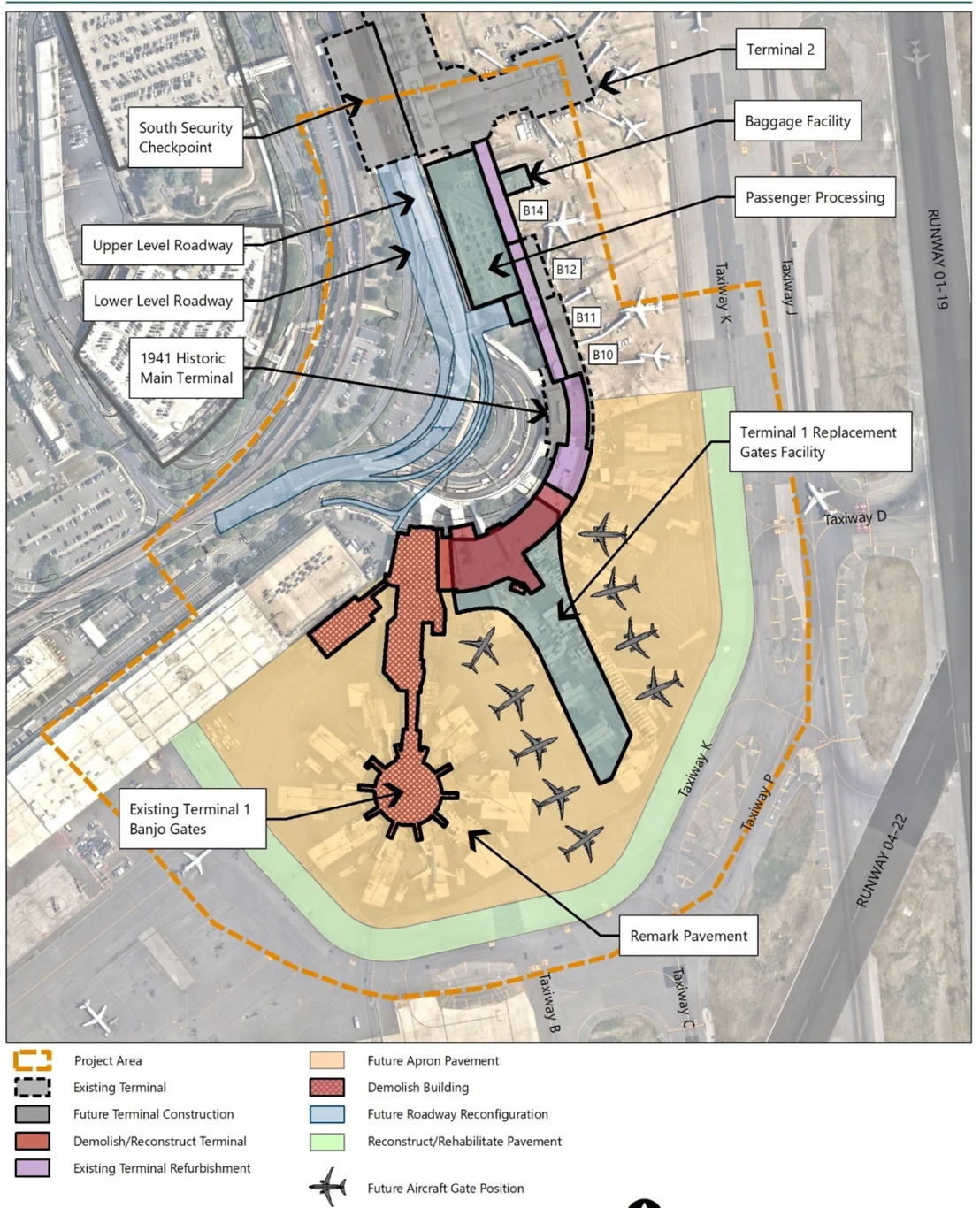
The projected $835 million investment represents the next logical step in the evolution of DCA, an airport that occupies a unique and often contentious space in the American aviation landscape. Located just across the Potomac River from the nation’s capital, Reagan National is constrained by its 860-acre footprint and a strict "perimeter rule" that limits long-haul flights. Despite these physical and regulatory boundaries, the airport remains one of the busiest in the country relative to its size, serving as a primary gateway for business travelers, lobbyists, and tourists. The new expansion project is designed to address the bottlenecks inherent in Terminal 1, which originally opened in 1941 and saw its last major concourse addition—the circular "banjo" rotunda—in 1970.
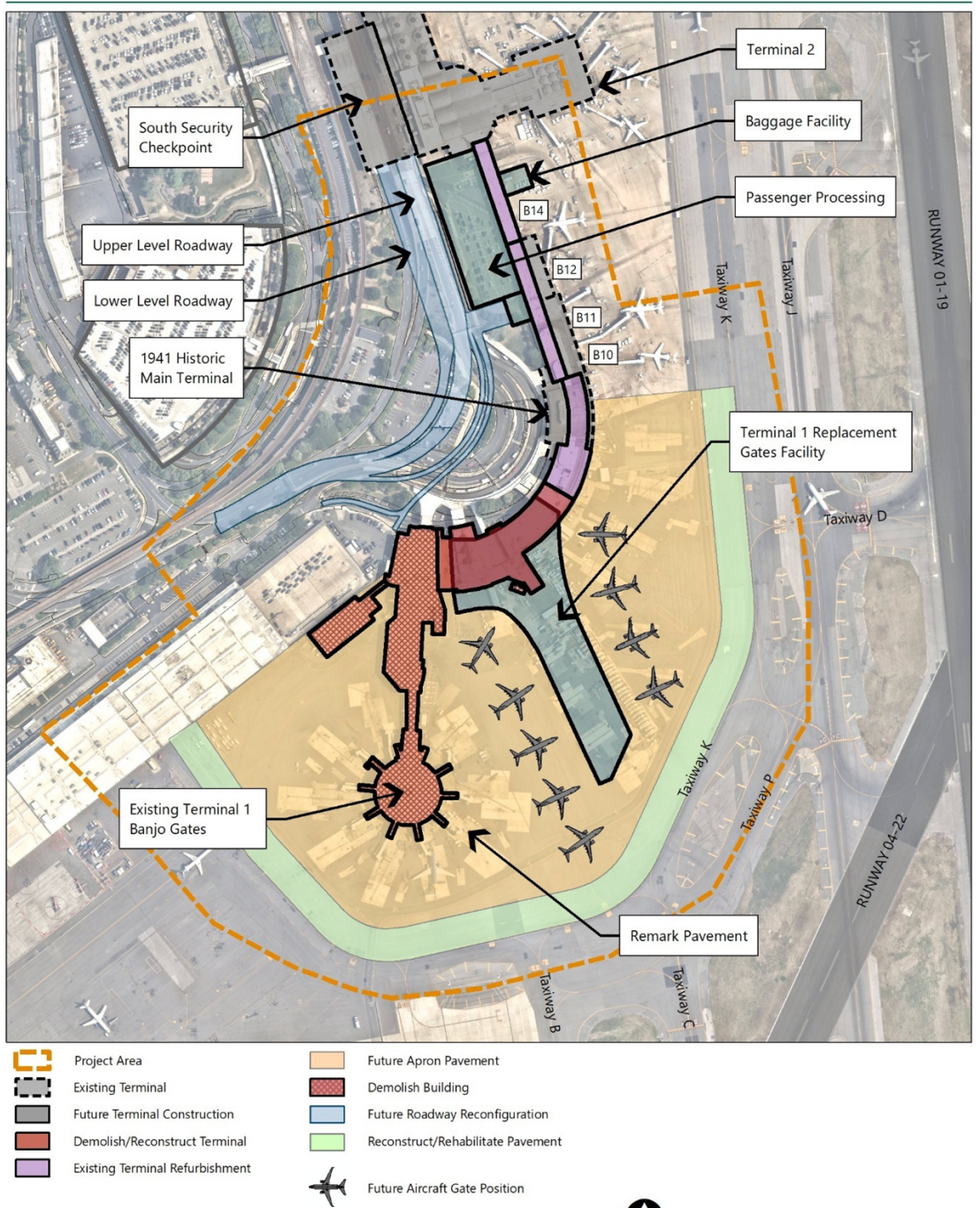
Under the proposed plan, the "banjo" and several other non-landmarked additions to the historic 1941 terminal will be demolished. In their place, a state-of-the-art multilevel facility will emerge, tentatively scheduled for completion as early as 2031. This timeline reflects the complexity of the project, which must be executed while the airport remains fully operational. The architecture firm PGAL, which earned accolades for its work on DCA’s recent "Project Journey" and is currently designing Concourse E at Dulles International Airport (IAD), has been tapped to lead the design efforts. The goal is to create a space that offers modern passenger conveniences while respecting the historic context of the 1941 terminal building, which is listed on the National Register of Historic Places.
The logistical reorganization of Terminal 1 is perhaps the most significant aspect of the plan. Currently, Terminal 1 operates somewhat in isolation from the more modern Terminal 2 (formerly Terminals B and C). Travelers using Terminal 1 must often check in and drop bags in a lobby that is inconveniently distanced from the Metro station and the main security apparatus. The new "processor" building will be constructed on what is currently a taxi staging lot situated between the two terminals. This strategic location will allow for a more integrated flow of traffic. Travelers will enter the processor building for check-in and baggage services, then descend to the existing south security checkpoint in Terminal 2. After clearing security, passengers will traverse an enlarged corridor, passing the current B gates used by United Airlines and walking through the historic 1941 lobby—which will be brought "inside" the secure perimeter for the first time—to reach the new nine-gate concourse.
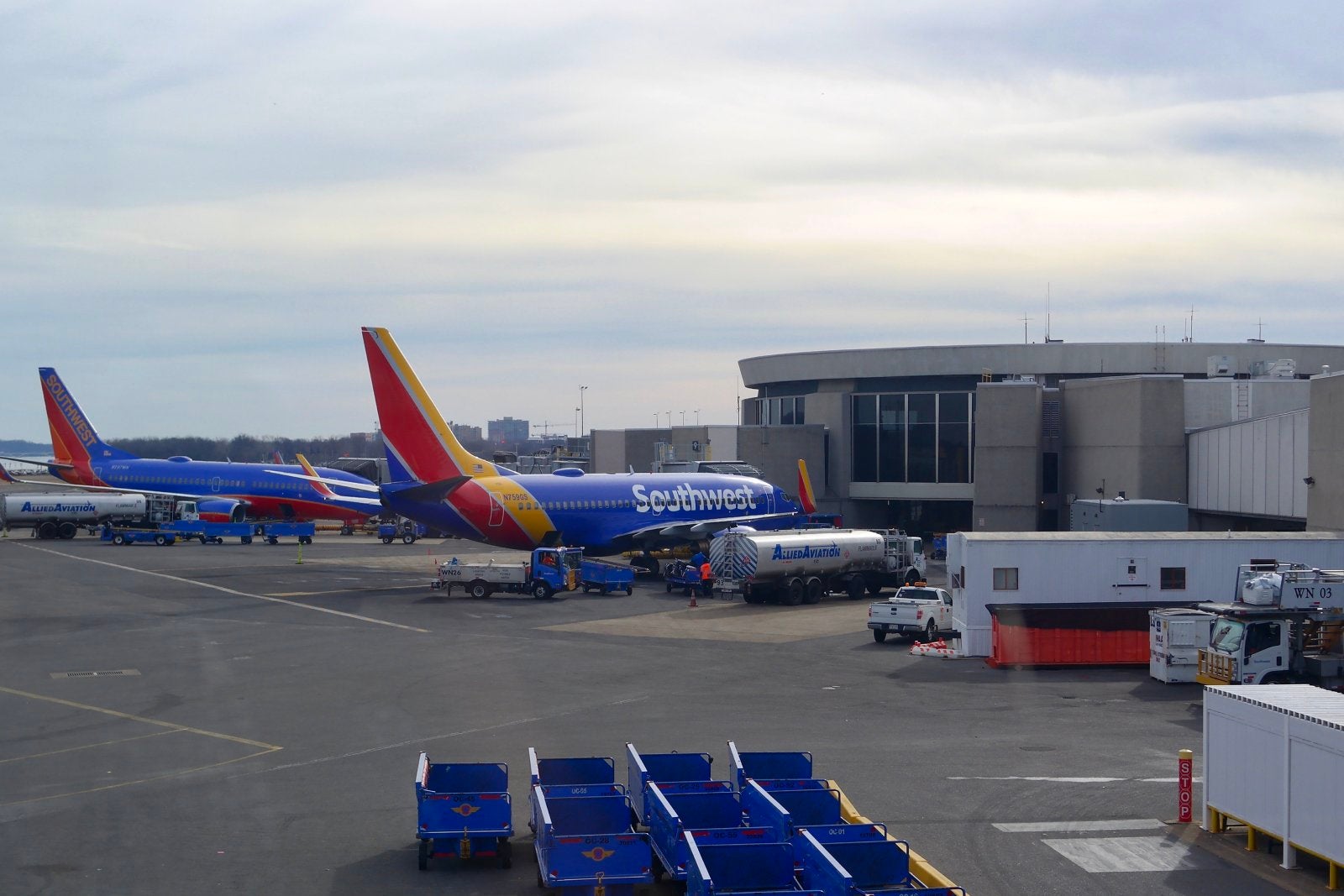
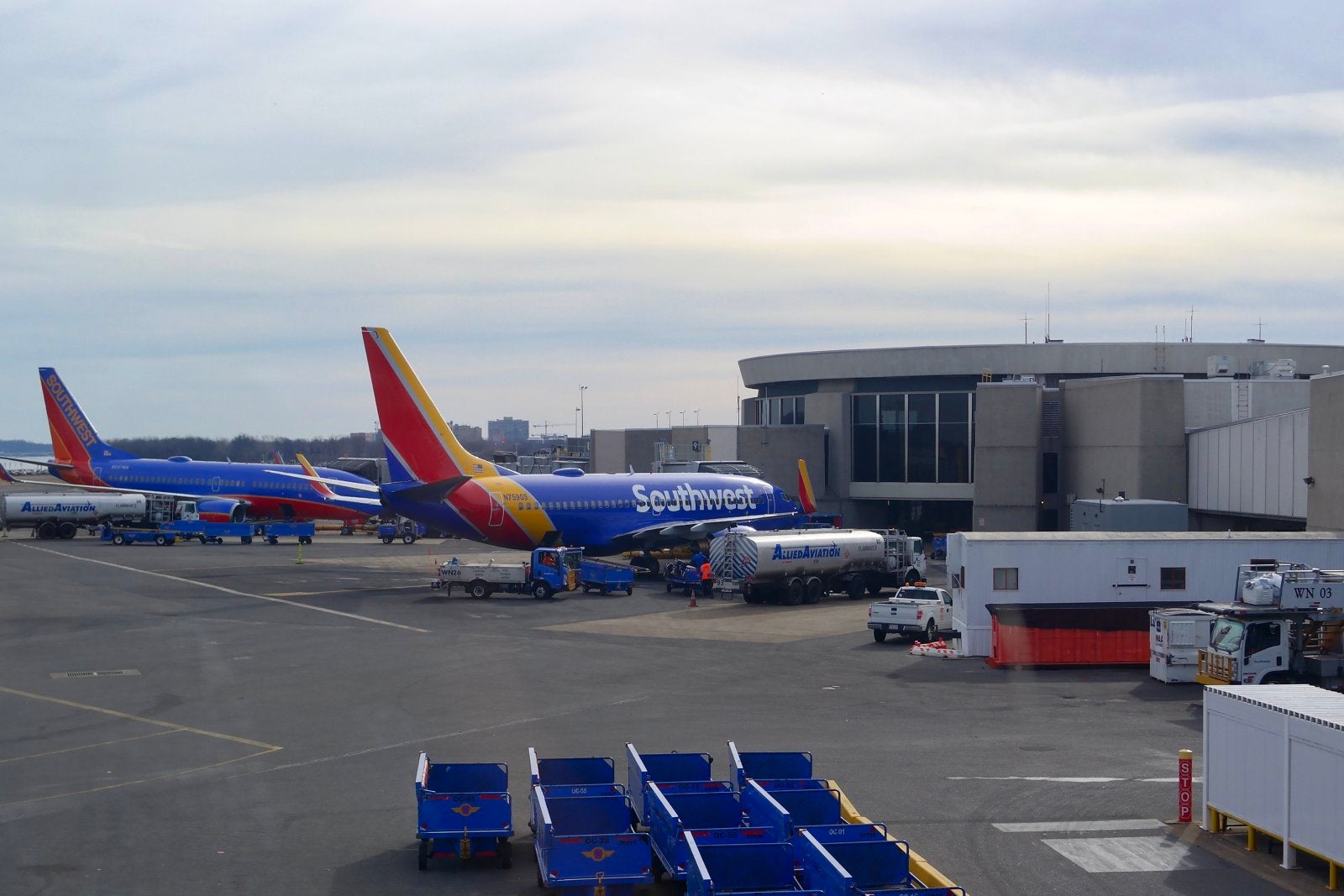
This "U-turn" layout is a creative solution to the airport’s extreme space constraints. While the walking distance from check-in to the farthest gate is estimated at approximately 2,700 feet—roughly the length of seven and a half football fields—the MWAA believes the improved amenities and streamlined security process will more than compensate for the trek. The design also includes 10,000 square feet dedicated to a new airline lounge, a detail that has sparked significant interest within the industry. Southwest Airlines, the primary tenant of Terminal 1, is the most likely candidate to occupy this space. This aligns with recent strategic shifts by Southwest, as the airline’s leadership has hinted at the possibility of moving away from its traditional "no-frills" model to include premium offerings, such as assigned seating and airport lounges, to better compete for high-value business travelers.
The expansion comes on the heels of "Project Journey," a $1 billion transformation of DCA completed just five years ago. That project successfully addressed two of the airport’s most notorious pain points: the "dreaded" Gate 35X and the lack of post-security access to the airport’s dining and shopping hub, National Hall. Gate 35X was a bus-boarding gate that required passengers to be shuttled across the tarmac to regional jets, a process that was frequently criticized for delays and discomfort. It was replaced by a new 14-gate concourse (the E Gates) dedicated to regional operations. Furthermore, by moving security checkpoints to the front of the terminal, Project Journey allowed passengers to move freely between gates and the central National Hall without exiting and re-entering security. The proposed $800 million expansion of Terminal 1 seeks to bring that same level of efficiency and modern luxury to the airport’s southern end.
The timing of this expansion is also influenced by broader political and regulatory shifts. The FAA Reauthorization Act of 2024, signed into law earlier this year, included a hard-fought provision to add five new daily round-trip "beyond-perimeter" flight slots at DCA. This move was heavily lobbied for by airlines like Southwest and Delta, who argued that more competition would lower fares for travelers. However, the proposal faced stiff opposition from local residents and regional representatives who feared increased noise and further strain on an already congested airport. The MWAA itself expressed concerns about the airport’s capacity to handle more flights. By moving forward with the Terminal 1 expansion, the MWAA is essentially preparing for the inevitable growth in passenger volume that these new slots—and potential future ones—will bring.
Analysis of the project suggests that the economic impact will be substantial. Reagan National Airport is a major economic engine for the Northern Virginia and DC metro area. Modernizing the terminal ensures that the airport remains a competitive and attractive option for major carriers. While Southwest is the dominant force in Terminal 1, the facility also hosts Air Canada and Frontier Airlines. Improving the infrastructure allows these carriers to optimize their operations and potentially increase their frequency of service. Furthermore, the construction phase itself is expected to create thousands of regional jobs, contributing to the local economy well before the first passenger walks through the new gates.
However, the project is not without its challenges. The demolition of parts of the historic terminal area requires careful environmental and historical preservation reviews. The MWAA must balance the need for modern functionality with the preservation of the architectural heritage that makes DCA unique. Additionally, the $835 million price tag is an estimate based on 2025 values; given the volatility of construction costs and the long timeline toward 2031, the final cost could fluctuate significantly. Financing such a project typically involves a mix of airport revenue bonds, passenger facility charges (PFCs), and federal grants, all of which require meticulous financial management.
The DCA expansion should also be viewed in the context of the MWAA’s broader regional strategy. The authority is simultaneously overseeing a massive $22.5 billion redevelopment plan for Dulles International Airport (IAD). While DCA serves as the convenient "downtown" airport for domestic travel, Dulles is the region’s international powerhouse. The two airports serve complementary roles, and the MWAA’s investment in both suggests a long-term commitment to maintaining the Washington, D.C. area as a premier global aviation hub. The IAD project, which has seen support from major carriers like United Airlines, involves building new concourses and replacing the iconic but aging mobile lounges with more permanent solutions.
As the aviation industry continues to recover and evolve in the post-pandemic era, the focus has shifted toward the "passenger experience." Modern travelers expect more than just a gate; they expect high-speed Wi-Fi, premium dining options, quiet workspaces, and efficient security. The "banjo" concourse, with its cramped seating and limited concessions, simply no longer meets these expectations. The new Terminal 1 concourse promises to provide the light, airy, and amenity-rich environment that has become the standard at newer terminals like LaGuardia’s Terminal B or Salt Lake City’s new airport.
In conclusion, the $800 million expansion of Reagan National Airport is a pivotal development for the capital region. By replacing the aging infrastructure of Terminal 1 with a modern, integrated facility, the MWAA is addressing long-standing operational inefficiencies and preparing for a future of increased flight activity. For the millions of Southwest, Air Canada, and Frontier passengers who pass through DCA each year, the project promises a significantly improved journey—one that swaps the outdated "banjo" for a sophisticated gateway befitting the nation’s capital. As the project moves from the planning stages toward construction, it will remain a focal point of discussion regarding the balance between historical preservation, urban infrastructure needs, and the ever-changing demands of the global travel industry.
