
 By admin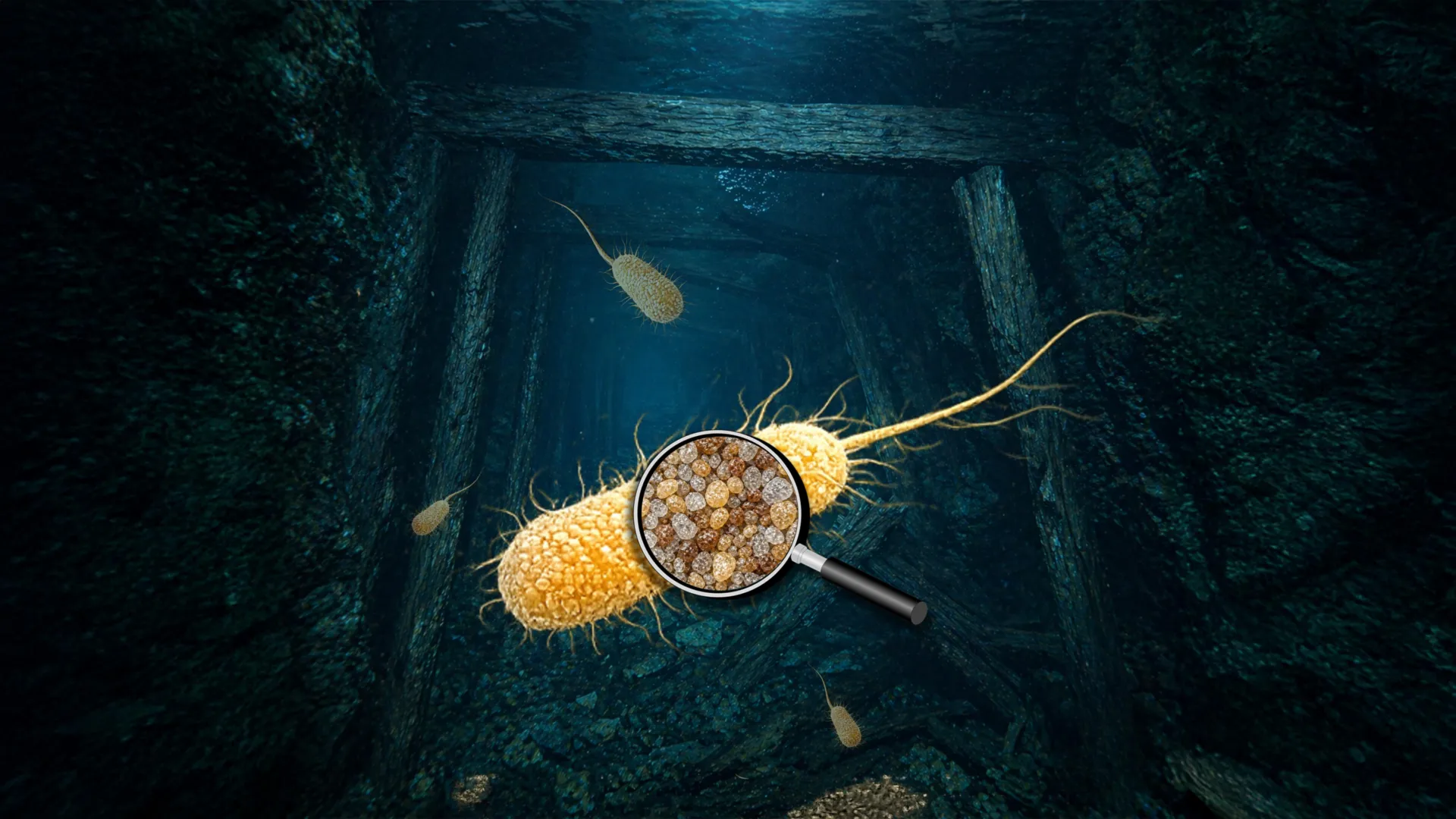
The insidious threat of mobile uranium stems from its dual nature as both a radiotoxic and chemotoxic element. As a heavy metal, it poses severe health risks, including nephrotoxicity (kidney damage), neurotoxicity, and reproductive issues. Its radioactivity further complicates matters, increasing the risk of cancer and genetic mutations upon internal exposure. This mobility allows uranium to leach into groundwater, contaminate surface water bodies, and ultimately enter the food chain, impacting human populations and ecosystems far beyond the initial contamination source. Major contributors to this environmental burden include legacy uranium mining and milling sites, nuclear fuel cycle operations, industrial discharges, and even military activities involving depleted uranium. Current remediation strategies often involve costly and complex physical or chemical methods such as pump-and-treat systems, chemical precipitation, ion exchange, or membrane filtration. While effective to varying degrees, these methods can be expensive, generate secondary waste streams, and may not always achieve complete or long-term immobilization of the contaminant. The search for more sustainable, cost-effective, and environmentally benign solutions is therefore a critical global imperative.
In a significant stride towards addressing this persistent environmental challenge, researchers at the Helmholtz-Zentrum Dresden-Rossendorf (HZDR), in collaboration with Wismut GmbH and scientists from the University of Granada, have made a groundbreaking discovery. For the first time, they have demonstrated that specific bacteria possess the remarkable ability to transform uranium dissolved in water into a stable chemical compound, particularly when supplied with glycerol as a metabolic fuel. This pivotal process results in the uranium adopting a chemical state, specifically pentavalent uranium, which had previously been considered ephemeral and highly unstable in natural environments.
The findings, meticulously documented and published in the esteemed scientific journal Nature Communications, open an entirely new avenue for future research into using naturally occurring bacteria to facilitate the cleanup of environments extensively contaminated with uranium. This biological approach, known as bioremediation, harnesses the power of microorganisms to detoxify or immobilize pollutants, offering a potentially more sustainable and less invasive alternative to conventional methods.
Unveiling Microbial Alchemy: How Bacteria Interact With Uranium
Bacteria are the unseen architects of Earth’s biogeochemical cycles, playing indispensable roles in the transformation of elements vital for life, as well as the detoxification of harmful substances. Within diverse ecosystems, from pristine soils to highly polluted industrial sites, certain microbial species have evolved sophisticated metabolic pathways that enable them to interact with heavy metals and radionuclides. These interactions can involve processes such as biosorption (passive binding to cell surfaces), bioaccumulation (active uptake into cells), biotransformation (changing the chemical state of the metal), and biomineralization (forming insoluble mineral precipitates). Understanding these intricate microbial processes is key to developing innovative bioremediation strategies.
"There are bacteria that can metabolically utilize the heavy metal, uranium, which is toxic for humans," explains Dr. Evelyn Krawczyk-Bärsch, a distinguished scientist in HZDR’s Terrestrial Microbiology research group and a co-author of the seminal study. This metabolic utilization is a fascinating example of microbial adaptability. Many bacteria, particularly anaerobic species, can use heavy metals as terminal electron acceptors in their respiratory processes, much like oxygen is used by aerobic organisms. By accepting electrons, the metal’s oxidation state is reduced, often leading to a change in its solubility and mobility. Dr. Krawczyk-Bärsch further elaborated, "Our group’s investigations had already revealed that bacteria can use uranium dissolved in water for their metabolism when they have access to glycerol as a food source." This prior knowledge laid the essential groundwork for the current, more in-depth investigation.
Glycerol, a simple polyol, is a basic and ubiquitous component of plant and animal fats (triglycerides). It is also readily produced naturally through the enzymatic breakdown of organic matter, for instance, when fungi decompose wood in forest ecosystems, or as a byproduct of fermentation processes. Its availability in both natural and potentially contaminated settings makes it an ideal, readily biodegradable carbon and energy source for microbial communities. For bacteria, glycerol represents a versatile substrate that can be channeled into various metabolic pathways, providing both carbon skeletons for biomass synthesis and electrons for energy generation, including the reduction of external electron acceptors like uranium.
Driven by the promising preliminary observations, the research team embarked on a comprehensive study designed to quantify the effectiveness of bacteria in reducing dissolved uranium concentrations and, crucially, to precisely identify the stable chemical forms that emerged as a direct consequence of microbial activity. This two-pronged approach was essential not only for confirming the remediation potential but also for understanding the underlying biochemical mechanisms at play.
Anatomy of a Breakthrough: Uranium Accumulates in Bacterial Cell Walls
To mimic real-world conditions as closely as possible, the researchers chose a particularly relevant and challenging environment for their experiments. They collected mine water from a flooded uranium mine situated in the historic Ore Mountains region of Germany, a site belonging to Wismut GmbH. Wismut GmbH holds significant historical context, having been a major Soviet-German uranium mining company during the Cold War era. Its operations left a vast legacy of environmental contamination, particularly in the form of acidic, metal-rich mine waters with elevated uranium concentrations. This makes the Wismut sites prime natural laboratories for studying uranium biogeochemistry and developing remediation technologies.
In the controlled laboratory setting, the collected mine water samples were meticulously supplemented with a precise amount of glycerol. Crucially, these samples were maintained in a strictly anaerobic environment, devoid of oxygen. "We wanted to create natural conditions for the bacterial community already existing in the mine water because at a depth of approximately 2,000 meters there is usually little or no oxygen in the mine," explains Dr. Antonio M. Newman-Portela, a former doctoral candidate affiliated with both HZDR and the Microbiology Department at the University of Granada (Spain), and the lead author of the study. This attention to environmental fidelity was paramount, as many uranium-reducing bacteria thrive in anoxic conditions, utilizing alternative electron acceptors in the absence of oxygen.
With the optimal conditions for bacterial proliferation established, the indigenous microorganisms within the mine water samples began to metabolize the supplied glycerol. This metabolic activity initiated a dramatic and measurable change in the uranium dynamics. Over an extended period, the concentration of uranium remaining dissolved in the water progressively declined, indicating a successful immobilization process.
The results were striking: "After 130 days, only around five percent of the uranium dissolved in the water remained in the samples," reports Newman-Portela, highlighting a remarkable 95% reduction in mobile uranium. This significant decrease strongly suggested that the bacteria were actively removing uranium from the aqueous phase. The immediate hypothesis was that the uranium was becoming physically associated with the bacterial cells. "We suspected that the bacteria had incorporated the uranium in their cell walls. We already knew about accumulation processes from the literature," Newman-Portela added, referring to the well-documented phenomena of biosorption and bioaccumulation where microbial biomass can effectively scavenge heavy metals from solution. Subsequent, rigorous analyses by the research team unequivocally confirmed this suspicion: uranium had indeed accumulated within the bacteria’s robust cell walls, acting as a crucial initial step in its removal from the dissolved phase.
A Rare Form Emerges: The Discovery of Stable Pentavalent Uranium
While the accumulation of uranium in bacterial biomass was a positive indicator, the precise chemical nature of the immobilized uranium was the next critical question. Understanding the exact chemical state and speciation of the uranium is fundamental because it dictates its long-term stability, potential for remobilization, and overall environmental impact. To delve into this molecular mystery, the researchers leveraged state-of-the-art analytical techniques, employing advanced microscopy and spectroscopy, which provide insights into the elemental composition, chemical bonding, and oxidation states of materials at a very fine scale.
Their comprehensive investigation included highly specialized experiments conducted at the Rossendorf Beamline (ROBL), a dedicated facility operated by HZDR at the European Synchrotron Radiation Facility (ESRF) in Grenoble, France. Synchrotron light sources generate extremely bright and focused X-ray beams, enabling techniques like X-ray Absorption Spectroscopy (XAS) and X-ray Photoelectron Spectroscopy (XPS). These methods are uniquely powerful for determining the oxidation state and local atomic environment of elements like uranium, even when present in complex biological matrices such as bacterial cells. Complementary studies were also carried out at the University of Granada, further enhancing the robustness of their findings.
The scientists meticulously examined the bacterial membranes and associated biomass to determine the chemical states in which the uranium was present. In chemistry, the term "valency" (or oxidation state) describes the number of electrons an atom has gained, lost, or shared, which dictates its reactivity and how it forms chemical bonds with other atoms. Uranium, a redox-active element, typically exists in two common oxidation states in environmental systems: Uranium(VI) (hexavalent) and Uranium(IV) (tetravalent). Uranium(VI), often found as the uranyl ion (UO₂²⁺), is highly soluble, mobile, and toxic. In contrast, Uranium(IV), typically found in mineral forms like uraninite (UO₂), is largely insoluble, immobile, and thus far less hazardous. The goal of most bioremediation efforts for uranium has historically been to reduce U(VI) to U(IV).
However, the team’s spectroscopic analyses yielded an astonishing and unexpected result. "Uranium usually occurs with a valency of 4 or 6. Pentavalent uranium does exist, but it is rare or only transient. Until now, it had been seen in an unstable oxidation state," explains Newman-Portela. He continued, "So, the findings of our study were extremely surprising because in the biomass analyzed from our experimental runs, an unusually high proportion of the uranium identified was also pentavalent uranium." The discovery of a significant and stable proportion of pentavalent uranium (U(V)) was revolutionary. U(V) has traditionally been considered an intermediate and highly reactive species, prone to disproportionation (simultaneously oxidizing and reducing) into U(VI) and U(IV), or rapidly oxidizing back to U(VI) in the presence of oxygen. Its detection in a stable, accumulated form within the bacterial biomass challenged long-held assumptions about uranium biogeochemistry.
FeU(V)O₄: A Uranium Compound That Defies Instability
The next crucial step was to precisely identify the compound formed by this previously elusive pentavalent uranium. The researchers’ detailed investigations revealed that the pentavalent uranium had combined with iron and oxygen to form a specific mineral phase: FeU(V)O₄.
"This uranium compound doesn’t have a name yet as it is comparatively new," Krawczyk-Bärsch points out, underscoring the novelty of their discovery. She further elaborates on its brief history: "It was first demonstrated in a study in 2020 in which soil samples from parts of Croatia contaminated by uranium ammunition were analyzed." That earlier study provided a tantalizing hint of FeU(V)O₄’s existence and, critically, its remarkable stability. "It was found that even under the influence of atmospheric oxygen, this uranium compound had remained stable for more than 25 years. But until now, we didn’t know how this compound is formed in nature or that bacteria play a role in its formation." This is where the HZDR-led study provides the missing link, establishing the microbial mechanism behind its creation. The prior observation of its long-term stability, even in aerobic conditions, significantly elevates the importance of the current finding, demonstrating that nature possesses a mechanism to create a highly robust uranium sequestering phase.
To further probe the stability of this newly formed compound, additional experiments were conducted, yielding another surprising and highly significant result. When the researchers deliberately exposed the dried bacterial biomass containing the FeU(V)O₄ to oxygen, instead of observing a decrease in the pentavalent uranium compound (as would be expected for an unstable, reduced species), they witnessed an increase in its proportion. This counter-intuitive finding strongly suggests that FeU(V)O₄ is not only stable in anoxic conditions but can also persist, and even form, in the presence of atmospheric oxygen, a critical characteristic for practical remediation applications where complete anoxia is often difficult to maintain. This compelling evidence significantly bolsters the hypothesis that bacterial activity, particularly when fueled by a carbon source like glycerol, can facilitate the conversion of mobile, hazardous uranium into a highly stable, immobile form that is far less likely to spread through water or pose long-term environmental risks.
Paving the Way for Uranium Cleanup: A Bioremediation Paradigm Shift
"Our study has revealed for the first time that bacteria supplied with glycerol as a carbon source can convert toxic uranium dissolved in water into a stable chemical compound," affirms Dr. Krawczyk-Bärsch, encapsulating the profound implications of their work. This discovery represents a potential paradigm shift in the field of uranium bioremediation, moving beyond the traditional goal of U(VI) to U(IV) reduction towards the formation of a novel, highly stable pentavalent compound. While the promise is immense, Krawczyk-Bärsch prudently adds, "We still have to investigate to what extent bacteria might help to render uranium harmless for remediation purposes."
The path from laboratory breakthrough to full-scale environmental application is often long and complex, but the HZDR team has already outlined crucial next steps. The researchers now plan to undertake more in-depth studies of these uranium-binding bacteria, aiming to precisely identify the specific microbial species or consortia responsible for this unique transformation. Furthermore, they will meticulously investigate the intricate biochemical and geochemical processes that underpin the formation of FeU(V)O₄. This includes understanding the enzymatic pathways involved, the role of cellular structures, and the exact interplay between uranium, iron, and oxygen within the microbial environment.
A more comprehensive understanding of these mechanisms is absolutely essential. It will allow scientists to optimize the conditions for FeU(V)O₄ formation, potentially leading to the development of targeted bioremediation strategies. Such strategies could involve injecting glycerol and possibly specific microbial cultures into contaminated aquifers (in situ remediation), or developing bioreactor systems for treating contaminated water extracted from affected sites (ex situ remediation). The long-term stability of FeU(V)O₄, even in the presence of oxygen, offers a distinct advantage over other bioremediation approaches that aim for U(IV) precipitation, which can be susceptible to re-oxidation and remobilization in fluctuating redox conditions.
Ultimately, the successful translation of this research could lead to the development of highly effective, environmentally friendly, and economically viable solutions for cleaning up uranium-contaminated environments worldwide. This microbial alchemy not only sheds new light on fundamental biogeochemical processes but also offers a beacon of hope for mitigating the enduring legacy of radioactive heavy metal pollution, demonstrating the incredible potential of harnessing nature’s own mechanisms to solve some of humanity’s most pressing environmental challenges.
