
 By admin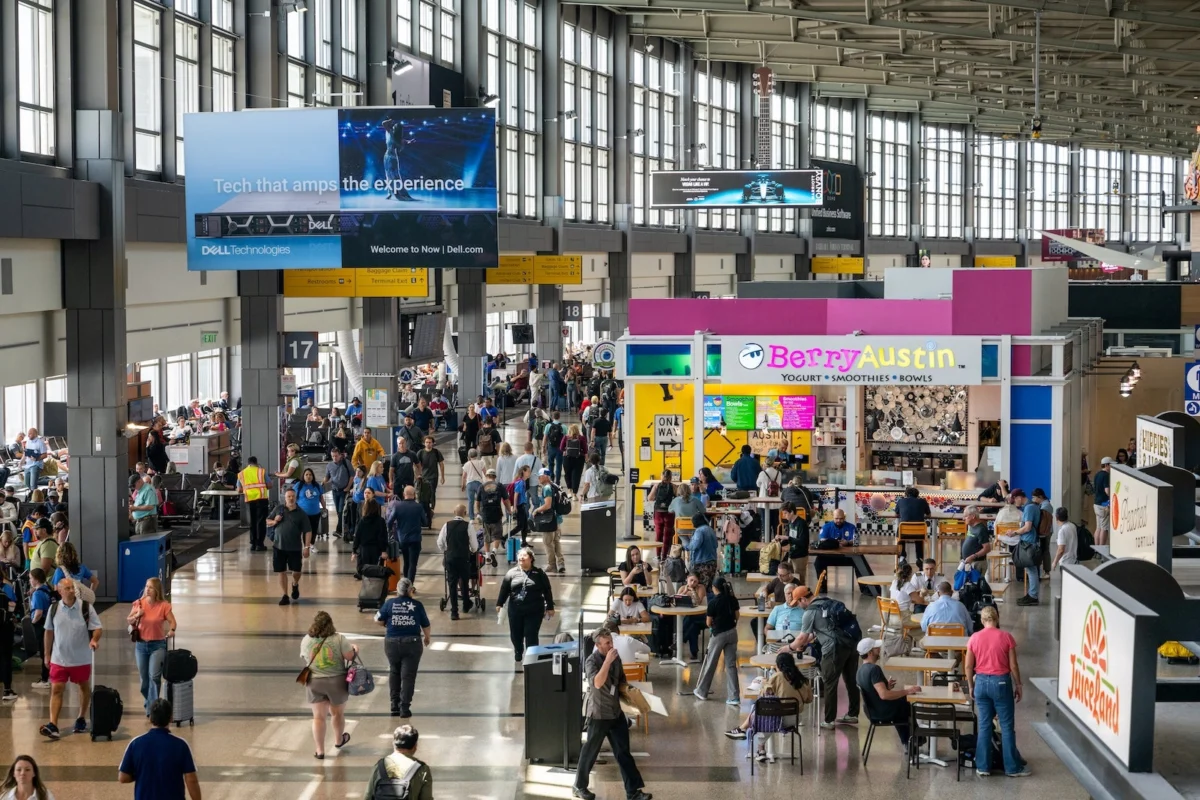
For decades, Southwest Airlines has been defined by its point-to-point model, avoiding the traditional hub-and-spoke systems utilized by legacy carriers like Delta, United, and American. However, this latest announcement demonstrates a nuanced evolution. By adding significant capacity to airports like Nashville International (BNA), Las Vegas Harry Reid (LAS), and Austin-Bergstrom (AUS), Southwest is effectively creating "super-nodes" that offer passengers more connectivity than ever before. This expansion is scheduled to take flight in March, perfectly timed to capture the lucrative Spring Break demand, which remains a cornerstone of the airline’s revenue cycle.
The Battle for the "Silicon Hills": Austin Expansion
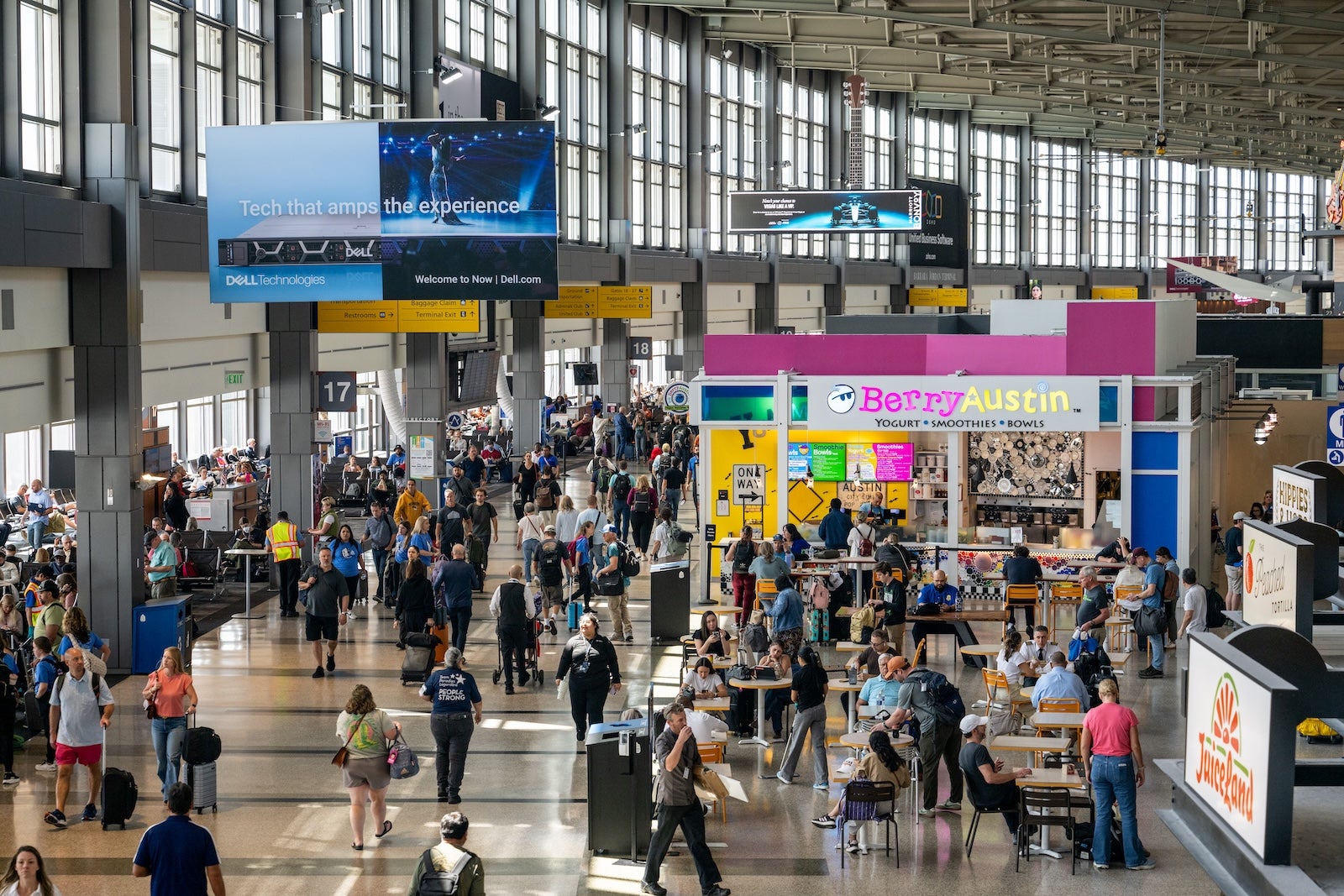
One of the most notable aspects of this announcement is the deepening investment in Austin, Texas. As Austin-Bergstrom International Airport (AUS) continues to see record-breaking passenger numbers driven by the region’s tech boom—often referred to as "Silicon Hills"—competition for market share has reached a fever pitch. Southwest, currently the largest carrier in Austin, is facing an aggressive challenge from Delta Air Lines, which has designated Austin a "focus city" and has been steadily increasing its flight frequency and destination count.
To maintain its dominance, Southwest is launching a four-times-weekly service from Austin to Detroit Metropolitan Wayne County Airport (DTW) and a weekly Saturday service to San Jose, Costa Rica (SJO). The Detroit route is a direct play for business travelers and Midwesterners looking for a direct link to the Texas capital, while the Costa Rica flight caters to the high-end leisure market. By expanding in Austin, Southwest is sending a clear message to its rivals that it will not easily cede its pole position in one of the fastest-growing metropolitan areas in the United States.
Nashville: The Rising Star of the Network
Nashville International Airport (BNA) emerged as one of the biggest winners in this expansion, securing four new routes. The carrier will begin daily service from the "Music City" to Des Moines (DSM) and Wichita (ICT), alongside weekly Saturday flights to international leisure hotspots Aruba (AUA) and St. Thomas (STT) in the U.S. Virgin Islands.
Nashville has been a focal point of Southwest’s growth strategy for several years, coinciding with the airport’s multi-billion-dollar "BNA Vision" renovation and expansion project. As Nashville transforms into a premier global destination for both tourism and corporate headquarters, Southwest is positioning BNA as a central gateway for the Southeast. The addition of Des Moines and Wichita connects the Heartland directly to Nashville’s vibrant economy, while the Caribbean routes tap into the region’s growing demand for premium international vacations.
The Las Vegas Hub and the "Reverse Redeye" Anomaly
Las Vegas remains a crown jewel in the Southwest network. The airline is adding service from Harry Reid International Airport (LAS) to four major cities: Boston (BOS), Miami (MIA), Philadelphia (PHL), and Knoxville (TYS). These routes will feature varying frequencies depending on the day of the week, allowing Southwest to flex its capacity based on peak demand periods.
Perhaps the most intriguing part of the Las Vegas announcement is the introduction of a "reverse redeye" to Honolulu’s Daniel K. Inouye International Airport (HNL). In the aviation world, a "redeye" typically refers to an eastbound flight that departs late at night and arrives early the next morning, taking advantage of the time difference. Southwest is flipping this script with a westbound overnight service that departs Las Vegas at 2:45 a.m. and arrives in Hawaii at 6:10 a.m. local time.
This move is an aviation anomaly. Westbound flights usually fight headwinds and "lose" time, making overnight schedules difficult to market. However, by arriving in Honolulu at the crack of dawn, Southwest is offering travelers a way to maximize their first day in the islands. This flight also serves as a critical connection point for passengers arriving in Las Vegas from the East Coast late at night, allowing them to transit to Hawaii without an expensive overnight hotel stay in Nevada.
Strengthening the Florida Gateway
Orlando International Airport (MCO), long a stronghold for Southwest, will see its schedule grow to its largest size in the company’s history. The airline is reintroducing service to New York’s LaGuardia Airport (LGA) with a high-frequency schedule of three flights per day. This is a direct challenge to the legacy carriers that dominate the New York-to-Florida corridor, one of the most profitable air routes in the world.
Additionally, Southwest is adding a daily flight between Orlando and Pensacola (PNS), linking the Florida Panhandle to the state’s central tourism hub. This intra-state expansion reflects a broader trend of increased regional travel within Florida, driven by population growth and the state’s resilient tourism industry.
California and the Pacific Strategy
On the West Coast, San Diego International Airport (SAN) will see a boost in its Hawaiian offerings. Southwest is bringing back weekend service from San Diego to Kona (KOA) and Lihue (LIH), routes that were last operated in 2022. Since Southwest entered the Hawaii market in 2019, it has drastically lowered fares and increased competition, forcing incumbents like Hawaiian Airlines and Alaska Airlines to adjust their strategies. By re-establishing these San Diego links, Southwest is doubling down on its commitment to being a major player in Pacific travel, leveraging its fleet of fuel-efficient Boeing 737 MAX aircraft to make these long-haul overwater flights economically viable.
The Short-Haul Paradox: Baltimore to Philadelphia
In an era where many airlines are cutting short-haul flights in favor of longer, more profitable routes, Southwest’s announcement of a twice-daily service between Baltimore/Washington International (BWI) and Philadelphia (PHL) stands out. The flight distance is roughly 90 miles, a journey that can often be completed faster by train or car depending on traffic.
However, for Southwest, this route isn’t about point-to-point travel between the two cities; it’s about "feeding" the BWI hub. Baltimore is one of Southwest’s largest operations, serving as a massive connecting point for flights to the Caribbean, the West Coast, and the Deep South. By offering a quick hop from Philadelphia, Southwest can capture passengers from the Philly metro area and funnel them into its vast BWI network, providing a low-cost alternative to the American Airlines hub in Philadelphia.
Strategic Context: Efficiency and Activist Pressure
This massive route expansion comes at a pivotal moment for Southwest Airlines. The carrier has recently faced significant pressure from activist investor Elliott Investment Management, which has called for leadership changes and a modernization of the airline’s business model. In response, Southwest has announced several landmark changes, including the move away from its iconic open-seating policy toward assigned seating and the introduction of "premium" extra-legroom seats.
This 15-route expansion is part of a broader effort to prove to shareholders that the airline can optimize its network for maximum profitability. By focusing on high-demand "fortress" cities and experimenting with new timing (like the reverse redeye), Southwest is attempting to increase aircraft utilization—a key metric in airline profitability. The use of the Boeing 737 MAX 8, which offers better fuel efficiency and longer range than older 737 models, is central to this plan, allowing the airline to fly thinner routes and longer distances with better margins.
Conclusion: A New Chapter for the LUV Airline
The March expansion is more than just a list of new flights; it is a roadmap of where Southwest sees the future of American aviation. From the tech corridors of Austin to the leisure beaches of Aruba and the volcanic landscapes of Hawaii, Southwest is positioning itself to be the primary choice for the modern traveler.
As the industry moves toward a more consolidated and "premium" experience, Southwest’s challenge will be to maintain its "fun, low-fare" identity while competing head-to-head with legacy giants in their own backyards. For passengers, this expansion means more choices, lower fares through increased competition, and new ways to explore the world. As these routes launch in the spring of 2027, all eyes will be on the Dallas-based carrier to see if this blockbuster expansion delivers the financial results and passenger satisfaction required to navigate the turbulent skies of the late 2020s.
