
 By admin
The transition from the legacy Mileage Plan and HawaiianMiles programs to Atmos Rewards was not merely a rebranding exercise; it was a strategic overhaul designed to compete with the "Big Three" U.S. carriers while maintaining the unique, customer-centric identity that both Alaska and Hawaiian were known for. The current credit card lineup reflects this ambition, offering some of the most aggressive welcome bonuses in the market. However, because these offers fluctuate based on seasonal promotions and economic shifts, timing your application is critical. By analyzing the historical data of these offers, we can identify patterns that signal when a "good" offer becomes a "great" one.
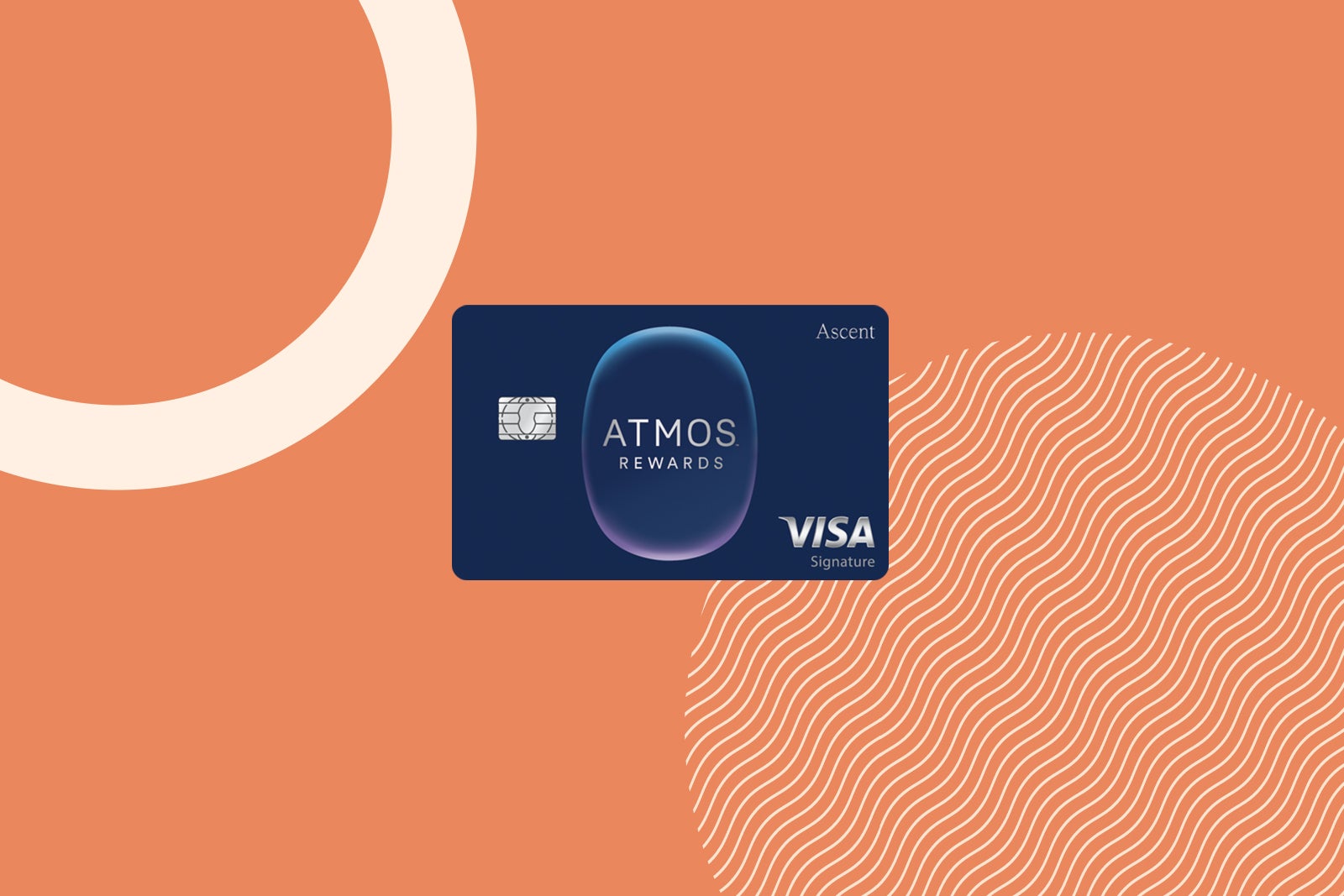
The Atmos Rewards Ascent Visa Signature credit card remains the cornerstone of the personal card lineup. With a manageable $95 annual fee, it is designed for the frequent traveler who values practical perks like free checked bags and priority boarding without the heavy price tag of a premium card. As of late 2026, the standard welcome offer sits at 70,000 bonus points and a $99 Companion Fare after a $2,500 spend in the first 90 days. This represents a significant value proposition, as TPG currently values Atmos points at approximately 1.55 cents each, placing the points alone at a valuation of $1,085. When you factor in the Companion Fare—which allows a friend to fly with you for just $99 plus taxes—the total value can easily exceed $1,500 depending on the route.

A look back at the Ascent’s history shows a volatile but rewarding promotional cycle. In the spring of 2026, the card featured a "unicorn" offer: a 50% flight discount code combined with 80,000 points and the $99 Companion Fare, albeit with a higher $4,000 spend requirement. Conversely, the early summer of 2026 saw a lower point bonus of 50,000, but with a $0 Companion Fare, effectively making the second ticket free (plus taxes). This history suggests that the current 70,000-point offer is a strong "buy" signal, especially for those with immediate travel plans. The Ascent card also provides a 20% refund on in-flight purchases and no foreign transaction fees, making it a versatile tool for both domestic and international hops.
For the high-tier traveler, the Atmos Rewards Summit Visa Infinite credit card is the crown jewel of the portfolio. Carrying a $395 annual fee, it directly challenges other premium airline cards by offering a blend of luxury benefits and high-velocity point earning. The current offer of 80,000 bonus points and a 25,000-point Global Companion Award after $4,000 in spend is a formidable entry point. The Summit card distinguishes itself through its "Global Companion Award," a unique feature of the Atmos program that allows for a points-based discount on companion tickets across the entire Oneworld alliance network, not just on Alaska or Hawaiian metal.
The Summit’s promotional history is even more impressive. Between April and June 2026, the card reached its peak with an offer of 100,000 bonus points, a 25,000-point Global Companion Award, and a 50% flight discount code. While that offer required a steeper $6,500 spend, the total valuation neared the $2,000 mark. Beyond the welcome bonus, the Summit card provides cardholders with a $100 annual station credit, a 10% bonus on points earned through spend for those with Atmos Elite status, and comprehensive lounge access via the Atmos Lounge network and partner facilities. For those who spend heavily in categories like dining and travel, the Summit’s 3x points per dollar spent on Atmos purchases and 2x on broader travel categories make it a powerhouse for long-term accumulation.

Business owners have not been overlooked in the Atmos ecosystem. The Atmos Rewards Visa Signature Business Card offers a structure that balances low overhead with high rewards. With a $70 company fee and $25 per card, it is one of the more affordable business cards in the airline sector. The current offer mirrors the Ascent’s 70,000-point bonus but requires a slightly higher spend of $4,000 within 90 days. Historically, the business card has seen bonuses as high as 80,000 points. For small business owners, the ability to earn unlimited miles and the inclusion of the $99 Companion Fare every year on the account anniversary makes this card a staple for reducing corporate travel expenses.
The true value of any Atmos Rewards card, however, lies in the redemption of the points themselves. Since the merger, Atmos Rewards has maintained and even expanded the "Global Partner" network that made Alaska’s Mileage Plan so famous. Points can be redeemed for premium cabin travel on world-class airlines like Japan Airlines, Cathay Pacific, Qantas, and British Airways. A 70,000-point welcome bonus is often enough to book a one-way business class seat from the West Coast to Tokyo or Hong Kong, a flight that would otherwise cost several thousand dollars. This high-value redemption potential is why Atmos points consistently command a higher valuation than those of larger competitors.
Furthermore, the Atmos program has introduced "dynamic-hybrid" pricing. While many routes still follow a predictable award chart—allowing for "sweet spot" redemptions—some high-demand flights are priced dynamically. Having a stash of Atmos points provides a hedge against rising airfares, especially on the lucrative Hawaii-to-Mainland routes where the combined airline now holds a dominant market share. The ability to use points for "Extra Comfort" seating on Hawaiian-operated Airbus A330s or the new Boeing 787-9 Dreamliners has also become a favorite redemption among cardholders.
Strategic cardholders should also consider the "Atmos Trifecta" strategy. By holding both a personal card (like the Summit) and the Business card, a traveler can stack companion fares and maximize point earning across every category of spend. Additionally, Atmos Rewards has implemented a "status boost" feature for cardmembers, where spend on the cards contributes toward elite status qualification. In 2026, for every $10,000 spent on an Atmos Rewards credit card, members earn 4,000 elite-qualifying points, significantly shortening the path to Atmos MVP, Gold, or Emerald status.
When deciding which card to apply for, potential applicants must look beyond the initial point splash. The Ascent is ideal for the casual traveler who wants the Companion Fare and basic perks. The Summit is built for the "road warrior" who will utilize the lounge access and the Global Companion Award. The Business card is essential for anyone with 1099 income or a small corporation looking to separate expenses while earning travel rewards. The general rule of thumb for Atmos cards is to apply when the point offer exceeds 60,000 for the Ascent and Business cards, or 80,000 for the Summit.
The Atmos Rewards program represents a new chapter in aviation loyalty, one that prizes flexibility and high-value partnerships. As the airline continues to integrate its fleets and expand its footprint in the Pacific and beyond, the value of its co-branded credit cards is only expected to grow. Whether you are planning a weekend getaway to Maui or a multi-stop journey through Asia and Australia via Oneworld partners, the points earned through these welcome offers are the most effective currency to get you there in comfort. By staying informed on the latest offers and understanding the historical context of these bonuses, you can ensure that you are not just opening a card, but launching a comprehensive travel strategy that will pay dividends for years to come.
