
 By admin
The value proposition of the Barnes & Noble Premium Membership is remarkably straightforward in an era where loyalty programs are often bogged down by complex tiers and opaque point valuations. For an annual fee of $39.99, members are granted access to a suite of benefits designed to reward frequent shoppers both in-store and online. This fee represents a calculated bet on the part of the consumer—a bet that their annual literary consumption will outweigh the cost of entry. In a market where the average price of a new hardcover release now ranges between $25 and $35, the "break-even" point for this membership is surprisingly accessible. By spending approximately $400 annually on eligible items—which equates to roughly $33 per month—the 10% flat discount alone covers the $39.99 membership cost. For the bibliophile who buys one or two books a month, or the family shopper who handles holiday and birthday gifting through the retailer’s expansive toy and stationery sections, the membership transitions from a cost to a profit-generating asset almost immediately.
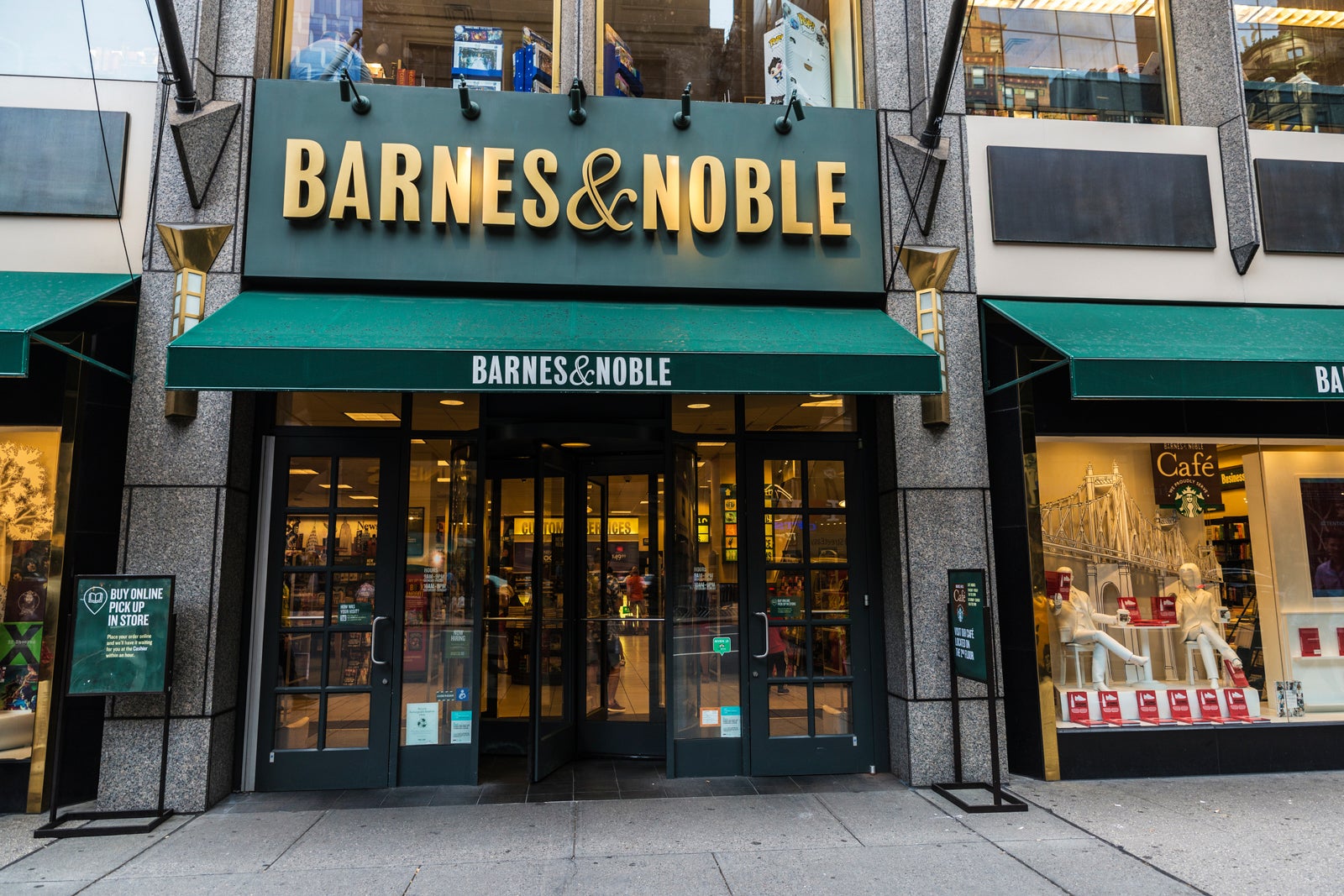
Understanding the mechanics of the program requires a look at how Barnes & Noble has pivoted its business model under recent leadership. Moving away from the centralized, "big-box" corporate feel of the early 2000s, the company has empowered local store managers to curate their inventories to reflect the tastes of their specific communities. This shift has revitalized the in-person shopping experience, making the 10% in-store discount a powerful incentive for those who prefer the tactile discovery of "stumbling upon" their next read. This discount is the cornerstone of the Premium tier, applying to almost everything in the store, from the latest thrillers to high-end stationery brands like Rifle Paper Co. and Moleskine. However, the savvy consumer should note certain caveats: the discount may not always stack with specific "buy one, get one" promotions or clearance blowouts, and certain high-demand pre-orders may be excluded. Nevertheless, in practice, it covers the vast majority of a typical shopper’s basket.
Beyond the immediate gratification of the 10% discount, the Barnes & Noble Premium Membership incorporates a "Stamp Rewards" system that functions as a secondary layer of cashback. For every $10 spent, members earn one stamp; upon collecting ten stamps, a $5 reward is issued. This effectively translates to a 5% return on every $100 spent. When combined with the initial 10% discount, the total effective savings for a Premium member can reach 15%, excluding any additional credit card rewards or third-party cashback portals. This dual-layered approach is a masterclass in retail psychology, rewarding both the initial purchase and the long-term habit of returning to the store. For the "nervous traveler" who might find themselves browsing a Barnes & Noble location in an airport or near a hotel, these stamps accumulate quickly, often resulting in "free" books by the end of a busy travel season.
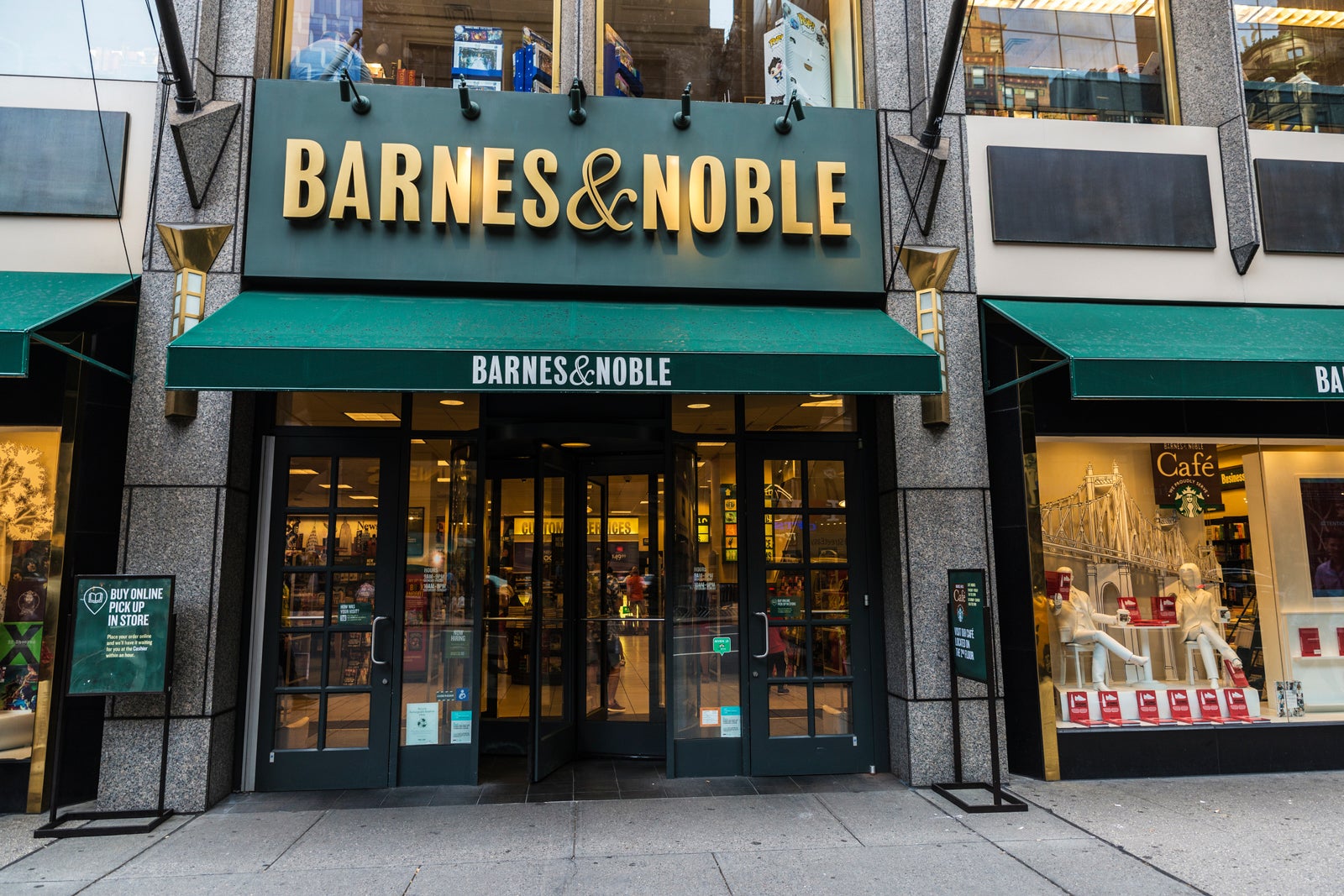
The logistical benefits of the membership are equally compelling, particularly the free shipping offer with no minimum purchase on most items (or a low $15 threshold for certain categories). In the broader context of the "Amazon-ification" of retail, where free shipping is often tied to a $139-per-year Prime membership, Barnes & Noble’s $39.99 entry point is a highly competitive alternative for those whose primary e-commerce needs are book-centric. For a non-member, standard shipping on smaller orders can cost upwards of $6.99. If a reader places just six orders a year online, the shipping savings alone nearly pay for the membership. This makes the program an excellent fit for the "hybrid" shopper—someone who loves the atmosphere of the physical bookstore but frequently relies on the convenience of home delivery for heavy hardcovers or pre-ordered boxed sets.
One of the most overlooked aspects of the Premium Membership is the suite of "lifestyle" perks that enhance the bookstore-as-a-destination experience. Members receive a free upgrade to the next size for any beverage purchased at the Barnes & Noble Café, a benefit that appeals to the "work-from-bookstore" crowd and the casual reader alike. Furthermore, the program includes an annual birthday offer and exclusive access to member-only sales events throughout the year. These "surprise and delight" moments are essential for maintaining brand loyalty in a competitive market. During peak shopping windows, such as Labor Day or the winter holidays, Barnes & Noble frequently runs "double stamp" promotions, allowing members to accelerate their rewards at a 10% cashback rate. For a traveler looking to stock up on gifts or "TBR" (to-be-read) piles before a long trip, these windows represent the peak of retail efficiency.

To truly maximize the value of this membership, one must look at it through the lens of "reward stacking." By using a credit card that offers high multipliers on "general retail" or "bookstore" categories—or better yet, a card that rewards "online shopping" for web orders—consumers can layer their savings. For instance, using a card that earns 2% or 3% cashback on top of the 10% membership discount and the 5% stamp reward brings the total value back to the consumer to nearly 18%. Furthermore, using shopping portals like Rakuten or specialized airline portals can add another 2% to 10% in value. In the world of "points and miles," where enthusiasts obsess over 1-cent or 2-cent valuations, a guaranteed 15-20% return on book purchases is an anomaly that should not be ignored.
However, the question remains: is the Premium Membership for everyone? For the casual reader who might only pick up a single paperback at an airport kiosk once a year, the $39.99 fee is an unnecessary expense. Such individuals are better served by the free "Barnes & Noble Rewards" tier, which allows shoppers to earn stamps without the upfront cost, albeit without the 10% discount or the free shipping perks. The transition from the free tier to the Premium tier is a classic "math problem" for the consumer. If you find yourself spending more than $400 a year at the retailer, the upgrade is a mathematical certainty. If you value the "third place" environment of the bookstore café and the convenience of shipping gifts to family members across the country, the subjective value of the membership likely exceeds its price tag even if the spend is slightly lower.
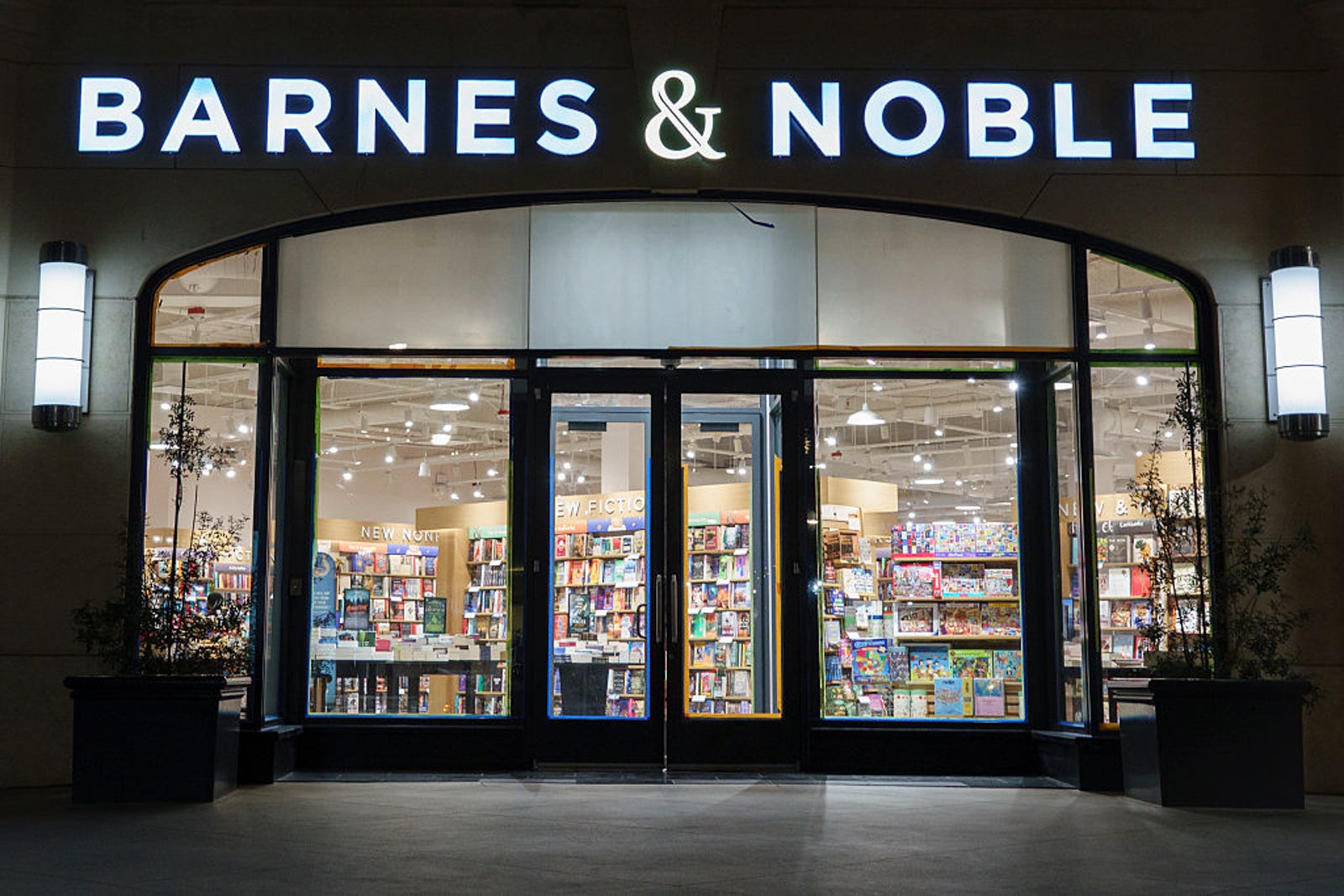
Ultimately, the Barnes & Noble Premium Membership is more than just a discount card; it is an investment in a specific type of lifestyle. In a digital age where screen fatigue is a genuine medical and psychological concern, the act of holding a physical book offers a form of cognitive decompression that an e-reader cannot fully replicate. For the traveler, a book is a reliable companion that doesn’t require a charging port, doesn’t suffer from glare in the sun, and provides a much-needed escape from the frantic energy of modern transportation. By lowering the friction and the cost associated with maintaining a robust personal library, Barnes & Noble has created a loyalty program that resonates with the values of the modern, mindful consumer. Whether you are navigating a middle seat on a cross-country flight or enjoying a quiet morning in a foreign city, the rewards of this membership extend far beyond the checkout counter, enriching the very experience of travel itself.
