
 By admin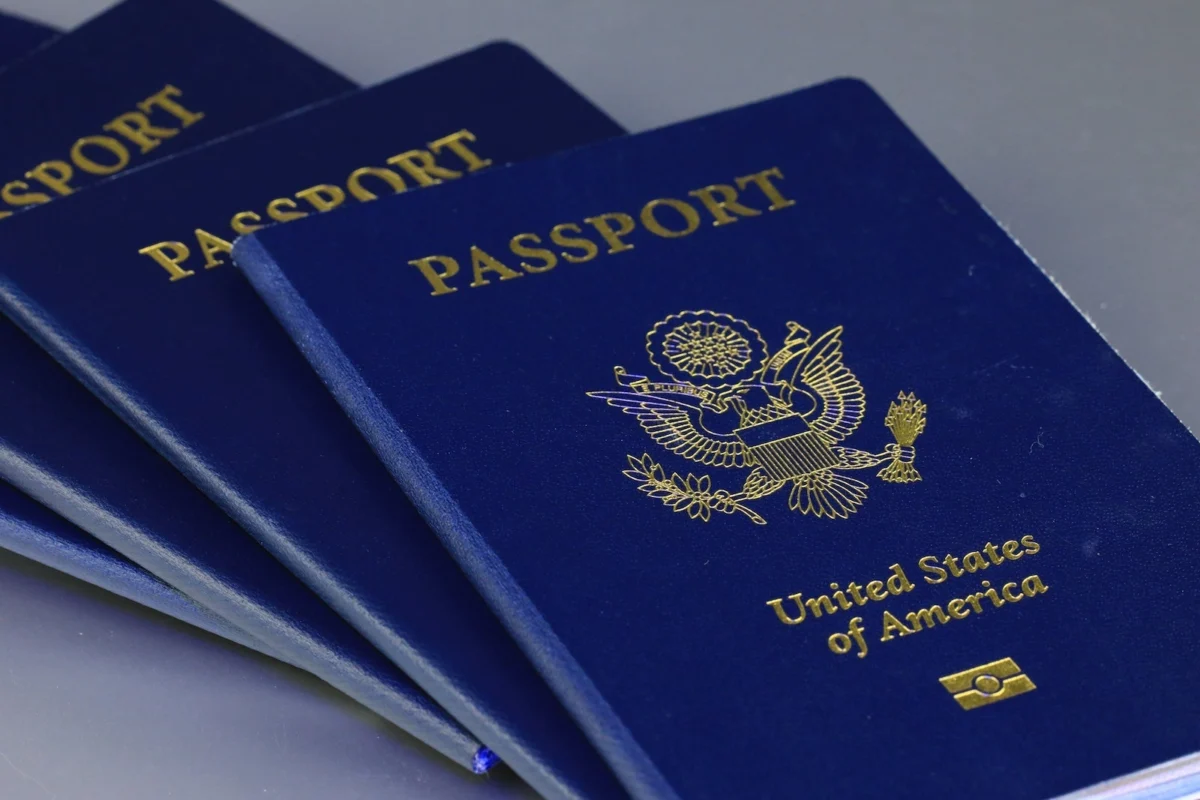
The centerpiece of this transformation is the launch of America.gov, an AI-powered government services portal that went live this week. This platform is designed to serve as a centralized hub for federal services, with the passport application process serving as its flagship feature. Historically, first-time applicants were legally required to appear in person at an authorized facility—such as a post office, public library, or clerk of court—to verify their identity and submit their Form DS-11. This requirement often meant navigating limited appointment windows and enduring long wait times. Under the new system, which is slated to be fully operational by the end of 2027, the "in-person" mandate will be largely superseded by digital verification technologies.
The move toward an entirely online application process for first-time seekers builds upon the success of online renewals, which were introduced in phases over the last several years. However, applying for a first-time passport is significantly more complex than a renewal, as it requires the government to establish a citizen’s identity and citizenship status from scratch. To solve this, the America.gov platform will utilize advanced identity verification protocols. By pre-populating applications with data already held by federal agencies—such as Social Security records and birth certificate data from state registries—the system reduces the margin for human error and minimizes the time spent on manual data entry.
One of the most practical changes for the average traveler involves the passport photo. For decades, applicants had to seek out professional photo services at pharmacies or post offices to ensure their images met strict government specifications. The new digital platform allows applicants to take their own photos using a smartphone or tablet. The integrated AI software provides real-time feedback, ensuring the lighting, background, and head positioning meet the required standards before the photo is even submitted. This shift not only saves the applicant the typical $15 to $25 photo fee but also eliminates a common cause of application rejection.
Furthermore, the new system introduces a level of transparency previously unseen in federal bureaucracy. A real-time tracking feature will allow applicants to monitor their document’s progress through every stage of the pipeline, from "Application Received" to "Security Vetting" and finally "Printing and Shipping." This feature aims to alleviate the anxiety often associated with the "black hole" of government processing, particularly during peak travel seasons when wait times have historically surged to twelve weeks or more.
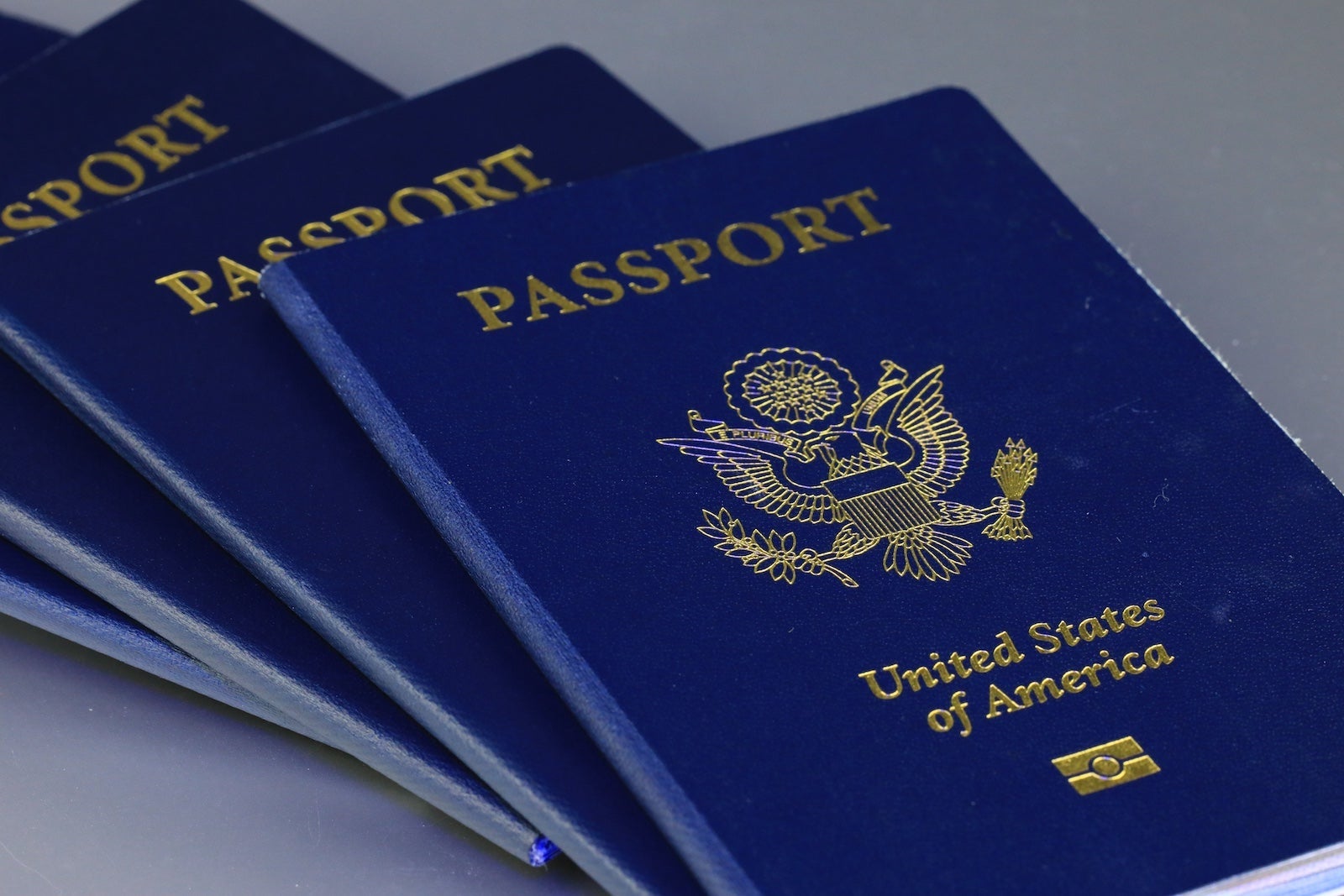
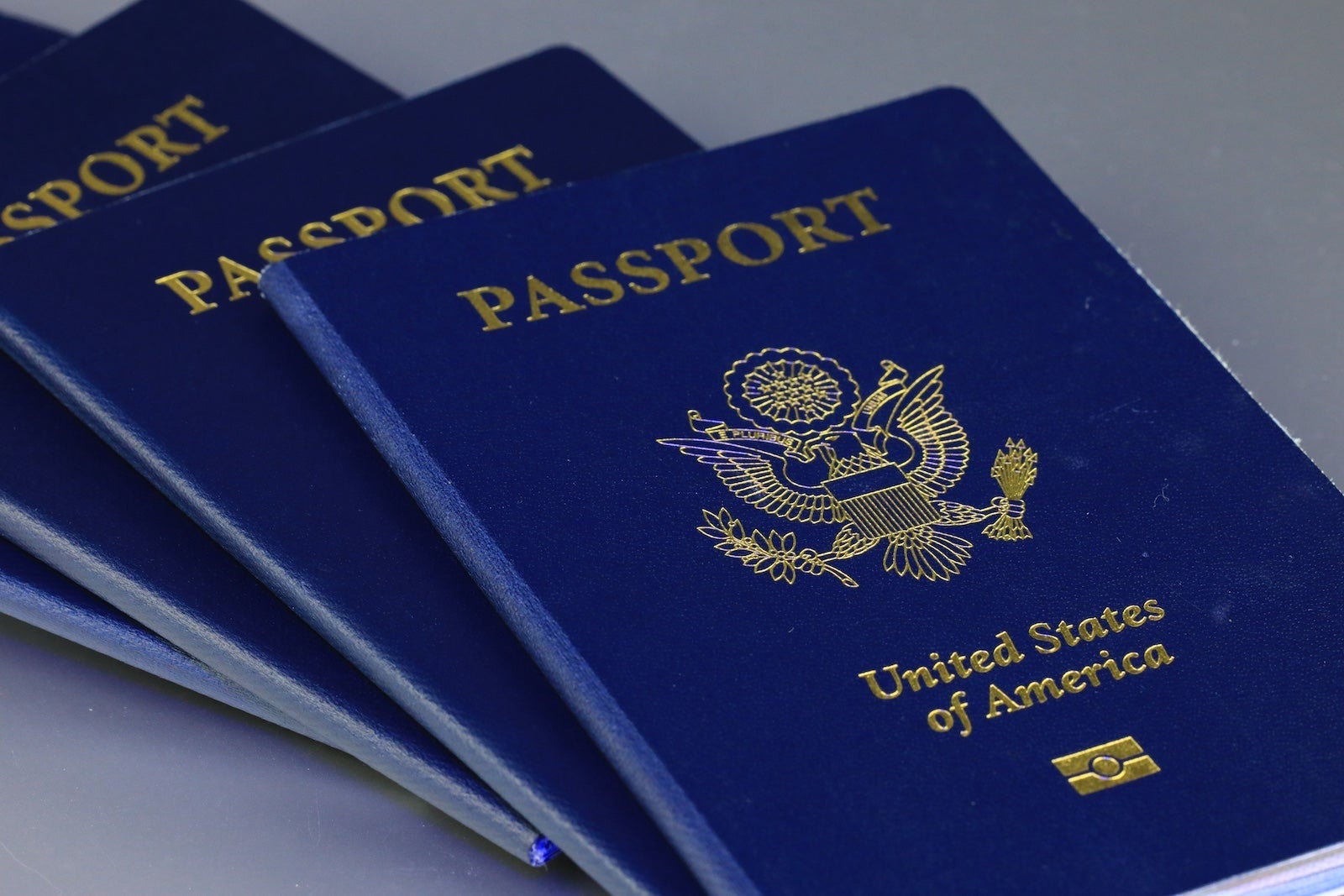
While the administrative process is getting a digital makeover, the physical passport book itself is also undergoing a significant redesign, scheduled to debut in 2028. The U.S. passport is widely considered one of the most powerful travel documents in the world, and its design serves as both a security tool and a symbol of national identity. The 2028 version will lean heavily into patriotic symbolism and historical milestones. The cover will feature a more prominent Great Seal of the United States, rendered in a striking gold foil that is more resistant to wear and tear. The "United States of America" text will be enlarged, creating a bolder visual profile for the document.
The interior of the passport is where the most artistic and technological changes will occur. Current passports feature scenes of American landscapes and quotes from founding fathers; the 2028 redesign will expand this to include contemporary triumphs. Notable additions include depictions of NASA’s Artemis missions, symbolizing the nation’s return to lunar exploration and its gaze toward Mars. The pages will also pay homage to the American Revolution, grounding the document in the country’s origins while celebrating its future. A particularly innovative feature is a flipbook-style animation of a bald eagle. As a traveler or customs officer flips through the visa pages, the eagle will appear to take flight, a sophisticated security feature that is incredibly difficult to counterfeit.
Security remains the primary driver behind these physical changes. Beyond the "flying eagle" flipbook, the 2028 passport will incorporate enhanced "Next Generation" (NGP) features, including a polycarbonate data page. This rigid, plastic-like page is laser-engraved, making it nearly impossible to alter without leaving visible traces of tampering. The embedded electronic chip, which has been a staple of U.S. passports since 2006, will be upgraded to a more secure, encrypted version capable of storing higher-resolution biometric data. These advancements are critical as international travel faces evolving threats from identity theft and sophisticated forgery.
Industry experts and travel analysts have largely praised the move toward digitalization. "The traditional passport application process was a relic of the 20th century," says Marcus Thorne, a senior analyst at the Global Travel Institute. "By moving first-time applications online, the government is not just making life easier for the traveler; they are also reducing the massive administrative burden on the U.S. Postal Service and local government offices. This is a rare example of a government upgrade that benefits both the bureaucracy and the end-user."
However, the transition is not without its critics and concerns. Privacy advocates have raised questions regarding the security of the America.gov platform, particularly given the sensitive nature of the data involved. The integration of AI and the centralization of personal records make the platform a high-value target for state-sponsored cyberattacks. In response, the administration has emphasized that the platform is built on a "Zero Trust" architecture, employing the highest levels of encryption and multi-factor authentication to protect citizen data.
There is also the question of the "digital divide." While a majority of Americans have access to smartphones and high-speed internet, a significant minority—particularly in rural areas or among the elderly—may find an entirely online process daunting or inaccessible. The State Department has clarified that while the online process is being prioritized, traditional in-person services will likely remain available for those who require assistance or lack the necessary technology, though these may eventually become the exception rather than the rule.
For travelers currently holding valid passports, there is no immediate need for action. The government has confirmed that all existing passport designs will remain valid until their listed expiration dates. The rollout of the new 2028 design will happen gradually; as citizens renew their expiring documents or apply for new ones after the launch date, they will automatically receive the updated version. This phased approach ensures that there is no sudden surge in demand that could crash the new digital infrastructure.

The timing of these changes is also strategically aligned with broader international trends. The European Union is currently implementing its Entry/Exit System (EES) and the European Travel Information and Authorisation System (ETIAS), both of which rely heavily on digital data sharing and biometric verification. By modernizing the U.S. passport system now, the United States ensures that its citizens remain compatible with the increasingly automated border crossings of the future.
As 2027 approaches, the State Department is expected to launch a massive public awareness campaign to educate citizens on how to use the America.gov portal. The goal is to ensure a smooth transition that minimizes delays during the busy summer and holiday travel windows. For now, the message to the American public is clear: the way you interact with your government is changing, and the "shiny new passport" of 2028 is just the beginning of a broader effort to bring federal services into the modern age. The combination of AI-driven efficiency and high-security physical design represents a dual-pronged strategy to keep Americans moving across borders with greater ease and enhanced security than ever before.
