
 By admin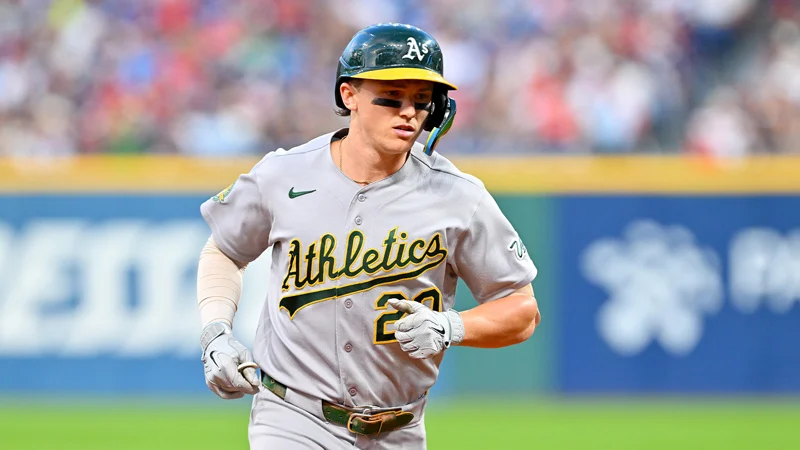
Oakland Athletics infielder Zack Gelof has initiated legal action against the Detroit Tigers, Ilitch Holdings, and the Detroit-Wayne County Stadium Authority, seeking damages for a severe right knee injury sustained last summer when he collided with a metal fence at Comerica Park. The lawsuit, filed by Gelof’s legal team, highlights alleged negligence in stadium design and maintenance, pointing to the sharp metal fencing as a direct cause of the player’s significant injury and subsequent absence from the game. The Tigers organization, through a brief statement, acknowledged awareness of the lawsuit but declined to comment on pending litigation, a standard response in such matters.
The incident occurred during the third inning of a game on July 9, when the Athletics suffered a 4-1 defeat against the Tigers. Gelof, known for his aggressive play and defensive prowess, was attempting a sliding catch in foul territory. In the process, his right knee made forceful contact with a metal fence bordering the playing area. The immediate aftermath was visibly distressing, with Gelof clutching his injured knee in evident pain. A tear in his baseball pants starkly illustrated the point of impact with the unforgiving metal. The injury resulted in a deep laceration beneath his right kneecap, narrowly missing critical tendon structures, and forced him to the sidelines for an extended period, not returning to play until August 10.
Jon Marko, Gelof’s attorney, has been vocal about the perceived culpability of the defendants, asserting that the injury was entirely preventable with the implementation of basic safety measures. "This injury could have easily been prevented through the most basic and inexpensive design," Marko stated, emphasizing the apparent lack of foresight in the stadium’s construction. He further elaborated on the inherent dangers of the situation: "It doesn’t take a stadium design expert to realize that sharp metal fencing in an area where players are required to slide and play around is a recipe for disaster like the one that occurred here." Marko’s criticism extends to the retrospective actions taken by the stadium management, noting that protective padding was only installed after Gelof’s injury, a measure he believes should have been a proactive safety standard. "All they had to do was put cheap padding up like they did after Zack was injured and this entire incident could have been avoided. My son’s little league diamond is safer," he powerfully concluded, drawing a stark comparison to amateur sports facilities.
Prior to his injury, Zack Gelof was enjoying a productive fourth season in Major League Baseball. He had established career highs in several key offensive categories, hitting .256 with 22 home runs and 55 runs batted in over 111 games. His performance was a significant contribution to the Athletics’ lineup, even as the team struggled to a 64-98 record, placing them among the lower-tier teams in the league, ahead of only the Los Angeles Angels and the Colorado Rockies in the overall standings. Gelof’s injury not only impacted his individual statistics and potential for further growth during the season but also represented a loss of a valuable player for a team already facing considerable challenges. The timing of the injury, occurring mid-season, compounded the frustration for both the player and the team.
The lawsuit raises broader questions about player safety in baseball stadiums, particularly concerning the design of foul territory and the integration of protective measures. Comerica Park, like many older ballparks, has undergone renovations over the years, but the lawsuit suggests that certain elements, such as the exposed metal fencing in foul areas, may not have kept pace with evolving understanding of player safety and the inherent risks associated with the game. The legal action is likely to scrutinize the stadium’s construction plans, any prior safety assessments, and the protocols in place for maintaining the playing environment. The Detroit-Wayne County Stadium Authority, as the governing body responsible for the stadium, will face scrutiny regarding its oversight and commitment to ensuring a safe facility for both players and fans. Ilitch Holdings, a prominent Detroit-based company with significant investments in sports and entertainment, also finds itself embroiled in the legal proceedings, underscoring the corporate responsibilities associated with operating major sports venues.
The legal precedent set by such cases can influence future stadium designs and safety regulations across professional sports. Attorneys for Gelof will likely aim to demonstrate that the defendants had a duty of care to ensure the safety of players using the field and that they breached this duty through negligent design and/or maintenance. Evidence presented in court could include expert testimony from stadium designers, safety consultants, and medical professionals who can speak to the nature of Gelof’s injury and the potential for its prevention. The financial damages sought are expected to encompass medical expenses, lost wages, pain and suffering, and potentially punitive damages, depending on the jurisdiction and the specific allegations of gross negligence.
The timing of the lawsuit, filed well after the playing season concluded, allows for a thorough investigation and preparation of the legal case. Gelof’s return to play in August suggests a degree of recovery, but the long-term implications of such a knee injury can extend beyond the initial healing period, potentially affecting a player’s career longevity and future performance. The narrative presented by Gelof’s legal team, particularly Marko’s impassioned comparison to little league fields, aims to resonate with a sense of common-sense safety and to highlight what they perceive as a stark oversight by professional sports entities. This tactic seeks to frame the issue not as an unavoidable risk of the game, but as a preventable consequence of substandard safety considerations.
The Detroit Tigers’ "no comment" stance is typical of organizations facing litigation, as any public statement could potentially be used against them in court. However, the lawsuit itself brings renewed attention to the specific circumstances of Gelof’s injury and the safety features at Comerica Park. Baseball is a sport where players frequently slide into bases, chase down foul balls near the outfield walls, and make diving catches, all actions that carry inherent risks. Stadiums are designed to accommodate these dynamic movements, but the presence of hard, unforgiving surfaces or structures in areas where players are likely to make contact is a recurring safety concern.
The case could also draw attention to the broader economic factors influencing stadium development and maintenance. While player safety is paramount, the cost of implementing advanced safety features and maintaining older facilities can be significant. Lawsuits like this serve as a powerful reminder that the financial implications of neglecting player safety can extend far beyond the immediate costs of injury treatment and rehabilitation. The legal process will likely involve extensive discovery, where both sides will exchange documents, depose witnesses, and present evidence to support their claims. The outcome of this lawsuit could have a ripple effect, influencing how other Major League Baseball teams and stadium authorities approach safety protocols and design considerations for their facilities.
The specific allegations within the lawsuit will detail the exact nature of the purported negligence. This could include claims that the fence was improperly designed, that its placement was unsafe, or that it was not adequately maintained or protected with padding. The "recipe for disaster" analogy used by attorney Marko suggests that the defendants were aware, or should have been aware, of the inherent danger posed by the fence’s design in a high-traffic player area. The fact that padding was installed after the injury will likely be presented as evidence of the defendants’ acknowledgment of the safety deficiency. This retrospective action, while potentially mitigating future risks, does not negate the alleged negligence that led to Gelof’s injury.
Furthermore, the lawsuit will likely explore the financial interests of the involved parties. Ilitch Holdings, as a major stakeholder in the Tigers and the stadium, has a vested interest in the operational and financial success of Comerica Park. The Detroit-Wayne County Stadium Authority, as a public-private entity, has a mandate to provide a safe and functional facility for professional sports. The Athletics organization, while not directly sued in this instance, has a vested interest in the health and well-being of its players, and the impact of injuries on team performance and player contracts is always a significant concern. The legal proceedings will undoubtedly dissect the responsibilities and liabilities of each named defendant in ensuring a secure environment for athletes.
The long-term implications of Gelof’s injury on his career remain to be seen, but the lawsuit aims to provide him with compensation for the physical and financial toll of the incident. His statistics from the 2023 season, while demonstrating his potential, are now juxtaposed with the injury that curtailed his playing time and potentially impacted his development trajectory. The focus on his career highs prior to the injury serves to underscore the value he brought to the team and the potential loss experienced due to his incapacitation. This narrative of a promising player’s season being cut short by a preventable hazard is a powerful element in the legal and public relations battle that is now underway. The reporting by The Associated Press underscores the national interest in this developing legal story within the realm of professional baseball.
