
 By admin
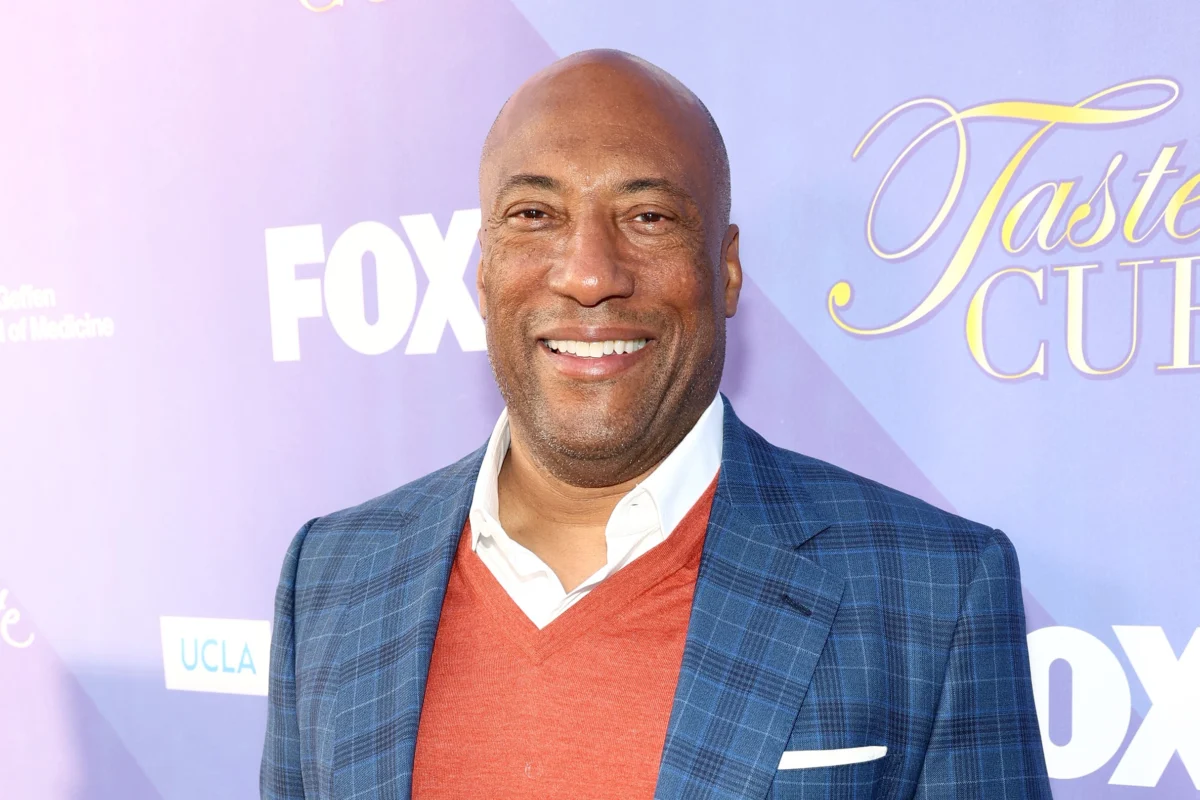
Investor and media mogul Byron Allen has successfully executed a lucrative "buy low, sell high" strategy with his recent investment in Starz, selling all of the shares he acquired earlier this year from former Treasury Secretary and Hollywood producer Steve Mnuchin. The transaction, which saw Allen divest his entire stake in the premium cable and streaming giant, underscores his keen eye for opportunistic investments and his ability to generate substantial returns in the rapidly evolving media landscape.
According to a Securities and Exchange Commission (SEC) filing made public on Thursday, Allen offloaded his 1.8 million Starz shares throughout August and September of 2026. This strategic sale yielded a total of $44.9 million, marking a significant profit of nearly $20 million on his initial investment. This impressive gain highlights Allen’s adeptness at identifying undervalued assets and capitalizing on market fluctuations.
The initial acquisition of this stake occurred in March of 2026, when Allen Family Capital, the investment arm of Byron Allen’s burgeoning media empire, purchased a 10.7% interest in Starz for $25 million. This private transaction was conducted with Mnuchin’s Liberty 77 Capital, signaling a significant capital injection into Starz from a prominent media entrepreneur. At the time of the acquisition, Allen expressed optimism about Starz’s potential, hinting at a belief in its underlying value and future growth prospects. His subsequent sale validates this foresight, demonstrating a clear understanding of when to enter and exit an investment for maximum financial benefit.
The timing of Allen’s sale also coincides with Starz’s release of its third-quarter 2026 earnings report, which also came out on Thursday. The company, which completed its separation from Lionsgate last year, reported a narrowed net loss of $34.8 million for the period, an improvement from the $52.6 million net loss recorded in the same quarter of the previous year. While overall revenue remained flat at $322.4 million, the streaming segment showed positive momentum, with streaming revenue climbing 1.7% year-over-year to reach $226.6 million. These financial results, while mixed, indicate a company in transition, working to solidify its position in a competitive streaming market. Allen’s timely exit suggests he may have anticipated certain market dynamics or believed his capital could be better deployed elsewhere, even as Starz showed signs of improvement.
Byron Allen’s media acumen extends far beyond his Starz investment. He is the chairman and CEO of Allen Media Group, a diversified media conglomerate that boasts an impressive portfolio. The group owns 13 broadcast television stations and operates 10 cable networks, including the highly visible and widely recognized Weather Channel. This extensive reach across various media platforms provides Allen with a unique perspective on the industry and a powerful engine for cross-promotion and synergy. His ownership of broadcast assets, in particular, offers a stable revenue stream and a direct connection to local audiences, a valuable commodity in today’s fragmented media environment.
Further underscoring his aggressive expansion strategy, Allen also secured a controlling 51% stake in BuzzFeed earlier in 2026. This significant acquisition was structured with a $20 million cash payment at closing and a $100 million promissory note due within five years, bearing an annual interest rate of 5%. The acquisition of BuzzFeed, a digital media giant known for its viral content and diverse audience, signals Allen’s ambition to significantly expand his digital footprint and tap into new demographics. However, the integration of BuzzFeed has not been without its challenges. In July of 2026, BuzzFeed underwent a substantial restructuring, laying off 35% of its workforce, which amounted to approximately 180 jobs. These cuts impacted various divisions, including the well-known HuffPost and Tasty brands, indicating a strategic realignment and a focus on operational efficiency under Allen’s leadership. This move suggests a pragmatic approach to managing his expanding portfolio, prioritizing profitability and strategic focus.
In a separate, yet significant, move that highlights his entrepreneurial spirit and willingness to explore diverse media ventures, Allen, a former stand-up comedian, has also leased a two-hour nightly comedy block on CBS. This prime-time slot was formerly occupied by "Late Night With Stephen Colbert." Allen’s programming now features episodes of "Comics Unleashed With Byron Allen," followed by the comedy show "Funny You Should Ask." This foray into late-night television demonstrates Allen’s ambition to compete in a highly coveted and influential programming space, leveraging his understanding of comedic talent and audience engagement. It also represents a significant expansion of his content offerings and a strategic play for broader television viewership.
The strategic sale of Starz shares by Byron Allen is a testament to his sophisticated investment approach and his ability to navigate the complexities of the media industry. By acquiring a stake when it was perceived as undervalued and divesting at a significant profit, Allen has once again demonstrated his financial prowess. This move not only bolsters his personal wealth but also provides him with substantial capital to reinvest in his existing ventures or pursue new opportunities. His simultaneous expansion into digital media with BuzzFeed and his entry into late-night television with CBS illustrate a multifaceted strategy aimed at building a dominant and diversified media empire. The successful turnaround of his Starz investment serves as a strong indicator of his capacity to identify and capitalize on market opportunities, solidifying his reputation as a formidable force in the media and investment landscape. As the media industry continues its rapid transformation, Byron Allen’s bold moves and strategic vision position him to remain a key player for years to come. His ability to generate significant returns from an investment that was relatively short-term speaks volumes about his analytical skills and his conviction in his investment thesis. The nearly $20 million profit is not just a financial windfall; it’s a validation of his business acumen and his unwavering commitment to maximizing shareholder value, whether for his own companies or for those in which he invests. This transaction is likely to be studied as a prime example of opportunistic investing in the dynamic media sector.
