
 By admin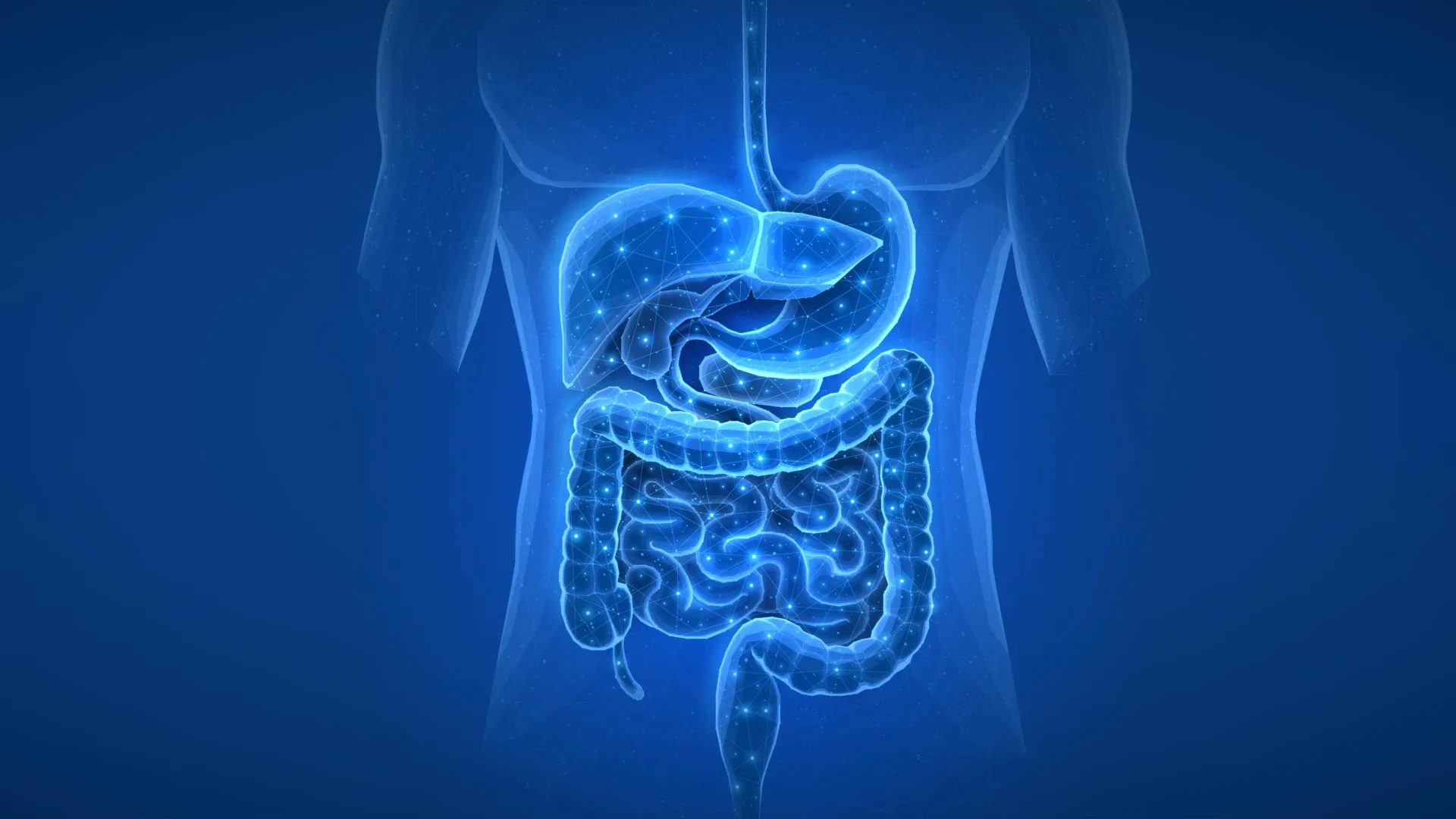
The gut microbiome, an astonishingly diverse and vast community of trillions of bacteria, fungi, viruses, and other microorganisms, resides primarily within the human digestive tract. Far from being passive inhabitants, these microbes are active participants in numerous physiological processes, profoundly influencing digestion, metabolism, immune system development and function, nutrient absorption, and even neurobehavioral traits via the gut-brain axis. Their collective genetic material, known as the metagenome, far exceeds that of the human host, making the microbiome a "second genome" with immense implications for health and disease. Disturbances to this delicate ecosystem, often termed dysbiosis, have been implicated in a wide array of conditions, from inflammatory bowel disease and obesity to allergies, autoimmune disorders, and mental health issues.
Drug Effects May Persist for Years, Beyond Antibiotics
In a comprehensive investigation, researchers meticulously analyzed stool samples and extensive prescription records from more than 2,500 participants in the Estonian Biobank, a large and well-characterized population cohort that forms the backbone of the Estonian Microbiome cohort. This invaluable resource allowed for a detailed, real-world assessment of medication use over time and its corresponding impact on the gut microbial landscape. The initial findings were striking: most of the medications examined were associated with detectable differences in the gut microbiome. However, the most profound revelation was that for a substantial number of these drugs, those microbial differences could still be clearly detected and statistically significant years after individuals had ceased taking the medication. This observation underscores a persistent "microbiome memory" that outlasts the active presence of the drug in the body.
Crucially, these lasting effects were not confined to antibiotics, which have long been acknowledged for their potent, often disruptive, ability to decimate populations of gut bacteria. Antibiotics, by their very nature, are designed to kill or inhibit the growth of microorganisms, and their broad-spectrum variants often cause significant collateral damage to beneficial gut residents alongside pathogenic targets. While the immediate and even short-to-medium term effects of antibiotics on the gut microbiome are well-documented, the long-term persistence of these alterations, even years later, remains a critical area of ongoing investigation.
What makes the University of Tartu study particularly impactful is its demonstration that a diverse array of non-antibiotic medications also leaves distinctive microbial "fingerprints" that persist over time. These include widely prescribed drug classes such as antidepressants (specifically Selective Serotonin Reuptake Inhibitors or SSRIs), beta-blockers, proton pump inhibitors (PPIs), and benzodiazepines.
- Antidepressants (SSRIs): These medications are primarily known for their role in modulating serotonin levels in the brain, impacting mood and anxiety. However, the gut itself is a major site of serotonin production, and interactions between SSRIs, gut cells, and microbes are increasingly recognized. The observed lasting effects suggest a complex interplay, perhaps through direct antimicrobial properties, alterations in gut motility, or changes in the host’s physiological environment that favor certain microbial species.
- Beta-blockers: Commonly prescribed for cardiovascular conditions like high blood pressure, angina, and certain heart arrhythmias, beta-blockers reduce heart rate and blood pressure. Their mechanism of action primarily involves blocking adrenergic receptors. The finding that they can leave a lasting imprint on the gut microbiome is particularly intriguing, potentially pointing to indirect effects on gut physiology, inflammation, or even subtle direct interactions with microbial growth or metabolism.
- Proton Pump Inhibitors (PPIs): These drugs are among the most frequently prescribed medications globally, used to reduce stomach acid production for conditions like acid reflux, GERD, and peptic ulcers. The mechanism for their microbiome impact is more readily hypothesized: by significantly altering the pH of the upper gastrointestinal tract, PPIs create an environment less hospitable to acid-sensitive bacteria and more welcoming to species that thrive in less acidic conditions. This fundamental shift in pH can lead to a cascade of changes throughout the entire gut ecosystem, with implications for nutrient absorption, pathogen susceptibility, and overall microbial balance that can persist long after cessation.
- Benzodiazepines: These medications, including drugs like diazepam and alprazolam, are widely used for their anxiolytic (anti-anxiety), sedative, and muscle-relaxant properties. Their impact on the gut microbiome was one of the study’s most surprising findings, showing effects comparable in magnitude to broad-spectrum antibiotics. This suggests a powerful, yet previously underappreciated, influence on microbial communities.
Dr. Oliver Aasmets, the lead author of the study, emphasized the paradigm shift these findings represent for microbiome research. "Most microbiome studies only consider current medications, but our results show that past drug use can be just as important as it is a surprisingly strong factor in explaining individual microbiome differences," he stated. This revelation implies that much of the existing microbiome literature, which predominantly correlates current drug use with microbial profiles, may have been missing a crucial piece of the puzzle. Researchers studying connections between the microbiome and various diseases may need to fundamentally re-evaluate their methodologies, looking beyond the medications a person is currently taking. Drugs used months or even years earlier could still exert a significant, confounding influence on the microbial patterns observed in a contemporary stool sample, potentially leading to misinterpretations of disease-associated microbial signatures.
Anxiety Drugs Show Surprisingly Strong Effects, Highlighting Individual Drug Nuances
One particularly striking and unexpected finding from the study involved benzodiazepines. These medications, commonly prescribed for anxiety, insomnia, and other neurological disorders, demonstrated associations with the gut microbiome that were remarkably comparable to those seen with broad-spectrum antibiotics. This observation is particularly surprising given that benzodiazepines are not typically considered to possess direct antimicrobial properties. Broad-spectrum antibiotics are designed specifically to act against a wide range of bacterial types, which inherently explains their capacity to induce substantial and often dramatic changes in the gut microbial community. The potent effect of benzodiazepines suggests either an indirect mechanism, perhaps through altering host physiology (e.g., gut motility, stress response impacting gut environment), or a direct, yet unrecognized, interaction with microbial growth or metabolic pathways. Given the widespread use of benzodiazepines globally, this finding carries significant public health implications, necessitating further research into the precise mechanisms of action and the long-term health consequences of these microbial alterations.
The study also unveiled another critical nuance: medications belonging to the same broad drug class did not necessarily affect the microbiome in the same way. This challenges a common simplification in microbiome research, where drugs are often grouped based on their pharmacological classification. For instance, the researchers observed that drugs prescribed for similar conditions, such as diazepam and alprazolam (both benzodiazepines), differed in how strongly they appeared to disrupt gut microbes. Diazepam, for example, showed a more pronounced and lasting effect than alprazolam.
This distinction is profoundly important. It suggests that the specific molecular structure, pharmacokinetics, or even subtle off-target effects of individual drugs, rather than just their broad therapeutic category, may dictate their unique impact on the gut microbiome. Such granularity demands a more sophisticated approach in future studies. The new results strongly advocate for considering individual drugs separately when investigating their microbiome effects, moving beyond mere drug class categorization. This refined perspective could pave the way for more precise and personalized medicine approaches, where drug selection might eventually factor in an individual’s unique microbiome profile and the specific microbial impact of different therapeutic options.
Follow-Up Samples Reveal Predictable Changes and Causal Links
To strengthen the evidence for causality, the researchers conducted a crucial component of their study: examining follow-up stool samples from a smaller, but critically important, subgroup of participants. These longitudinal samples provided a dynamic view, allowing scientists to observe what happened to the gut microbiome when people initiated or discontinued certain medications. This "before and after" snapshot proved invaluable.
The analysis revealed that these changes in medication use were accompanied by predictable and consistent shifts in gut microbes. For example, when individuals started a particular medication, specific microbial populations would predictably increase or decrease, and functional pathways within the microbiome would alter in a discernible pattern. Conversely, when medications were stopped, the microbiome would often begin a process of recovery or shift to a new, stable state. This direct observation of microbial changes coinciding with drug initiation or cessation provides compelling evidence that the medications themselves are indeed responsible for at least some of the observed differences, moving beyond mere correlation to suggest a more direct causative link.
Although this second time-point analysis involved a relatively smaller number of participants compared to the initial cross-sectional study, its value in confirming persistent effects was immense. Researchers were able to confirm lasting impacts linked to several key drug classes: proton pump inhibitors (PPIs), selective serotonin reuptake inhibitors (SSRIs), and various antibiotics, including penicillins in combination and macrolides. The confirmation of persistent PPI effects reinforces the notion that altered gastric pH can lead to long-term changes in the microbial landscape. Similarly, the enduring influence of SSRIs underscores the complex bidirectional communication within the gut-brain axis, where psychiatric medications can leave a lasting microbial signature. The re-confirmation of long-term antibiotic effects, even years after treatment, serves as a stark reminder of the profound and often indelible mark these life-saving drugs leave on our internal ecosystem. Macrolides, a group of antibiotics used to treat a range of bacterial infections, and penicillins, common broad-spectrum agents, were among those whose lasting impact was reaffirmed, highlighting the need for careful consideration of their long-term ecological consequences.
Medication History: A Critical Factor in Microbiome Research and Clinical Practice
The cumulative results of this extensive study add substantial weight to the growing body of evidence suggesting that the gut microbiome is far more than a transient reflection of a person’s current diet, lifestyle, overall health status, and ongoing medication use. Rather, it appears to carry a "memory" of past events, particularly past pharmaceutical interventions. Previous treatments, even those concluded years ago, may leave enduring biological traces and altered ecological niches within the gut that remain detectable and influential long after the active drug has left the system. These "microbiome scars" or "microbiome memory" can complicate the interpretation of current microbial profiles, making it challenging to discern what is truly reflective of an individual’s current state versus their historical drug exposure.
Professor Elin Org, the corresponding author of the study, underscored the robustness and real-world applicability of their work. "This is a comprehensive systematic evaluation of long-term medication effects on the microbiome using real-world medical health records," she stated. The reliance on actual patient data from a well-established biobank significantly enhances the generalizability and clinical relevance of the findings, distinguishing it from studies conducted under more controlled, but less ecologically representative, conditions. Professor Org expressed a clear call to action: "We hope this encourages researchers and clinicians to factor in medication history when interpreting microbiome data."
The implications of this call are far-reaching. For researchers investigating the links between the microbiome and various diseases, accounting for an individual’s complete medication history becomes paramount. Without this historical context, scientists risk misattributing microbiome changes caused by past drug use to disease processes themselves. For example, a microbial signature thought to be a biomarker for a specific disease might, in reality, be a lingering effect of an antidepressant taken years prior. Correctly accounting for this history could help scientists more accurately distinguish true microbiome changes associated with disease from those that are merely residual effects of past medications. This clarity is essential for identifying genuine disease biomarkers, understanding disease pathogenesis, and developing targeted therapeutic interventions.
For clinicians, integrating medication history into their assessment of a patient’s gut microbiome could lead to more accurate diagnoses, personalized treatment strategies, and a better understanding of individual responses to therapies. It might influence decisions regarding drug selection, dietary recommendations, or probiotic/prebiotic interventions aimed at restoring microbial balance. For instance, understanding that a patient’s current gut dysbiosis might stem from a course of antibiotics taken five years ago, rather than their current diet, could lead to entirely different and more effective treatment approaches. This study serves as a powerful reminder that the human body is a complex, interconnected system, and the echoes of our past pharmaceutical exposures continue to shape our internal microbial landscape, with profound and lasting consequences for our health. Future research will undoubtedly delve deeper into the specific mechanisms of these long-term effects, exploring strategies for mitigating adverse impacts and potentially leveraging this newfound understanding for improved patient care and targeted therapeutic development.
