
 By admin
Psoriasis is a chronic, non-contagious autoimmune disease affecting an estimated 2-3% of the global population, characterized by rapidly multiplying skin cells that lead to thick, silvery scales, red patches, and often intense itching and discomfort. Beyond its visible manifestations, psoriasis is a systemic inflammatory condition associated with a higher risk of comorbidities such as psoriatic arthritis, cardiovascular disease, metabolic syndrome, and depression, significantly impacting patients’ quality of life. Current treatments range from topical creams and phototherapy to systemic medications and biologics, which target specific immune pathways. While these therapies can manage symptoms effectively for many, they often come with side effects, high costs, or may not be suitable for all patients, highlighting a continuous need for novel, safer, and more accessible therapeutic strategies. The current findings suggest that pantethine could potentially fill this gap, offering a new avenue for intervention by addressing a fundamental metabolic imbalance within immune cells.
The Orchestrators of Inflammation: Dendritic Cells in Autoimmunity
At the heart of the discovery lies the intricate role of dendritic cells (DCs), specialized immune cells that serve as the "generals" or "coordinators" of the body’s adaptive immune response. These highly efficient sentinels are strategically located in tissues that interface with the external environment, such as the skin, lungs, and gut, where they constantly survey for potential threats. Upon encountering foreign substances—known as antigens—from pathogens or abnormal cells, dendritic cells undergo a maturation process. They capture and process these antigens, then migrate to lymph nodes where they present the antigens to T cells, another crucial type of immune cell. This antigen presentation, along with co-stimulatory signals and the release of specific chemical messengers called cytokines, effectively "educates" and activates T cells, directing them to mount a targeted immune response.
In a healthy immune system, this process is essential for defending against infections and maintaining immune homeostasis. However, in autoimmune diseases like psoriasis, this finely tuned system goes awry. Dendritic cells can become excessively active, mistakenly identifying the body’s own tissues as threats. Instead of protecting the body, they initiate and perpetuate a chronic inflammatory cascade. In psoriasis, hyperactive dendritic cells in the skin and lymph nodes present self-antigens to T cells, particularly T helper 17 (Th17) and T helper 1 (Th1) cells. These activated T cells then migrate back to the skin, releasing a barrage of pro-inflammatory cytokines such as interleukin-17 (IL-17), IL-23, and tumor necrosis factor-alpha (TNF-α). These cytokines drive the hallmark features of psoriasis: excessive proliferation of keratinocytes (skin cells), recruitment of more immune cells, and sustained inflammation, leading to the characteristic plaques.
"Emerging evidence highlights that metabolic pathways and their associated metabolites play vital roles in regulating immune cell function and autoimmune progression," emphasizes Wei-Na Zhang, a lead researcher at the State Key Laboratory of Biomedical Analysis in Beijing. This statement underscores a rapidly expanding field known as immunometabolism, which investigates how the metabolic state of immune cells dictates their function, differentiation, and overall immune response. While traditional immunology focused on signaling pathways, immunometabolism reveals that processes like glucose metabolism, lipid synthesis, and amino acid catabolism are not just fuel sources but are integral regulatory checkpoints for immune cell activity. Despite this growing understanding, Zhang notes, "therapeutic strategies targeting metabolism in inflammatory diseases remain underexplored." This research directly addresses that gap, paving the way for metabolic interventions in autoimmune conditions. Zhang led this pivotal research alongside Qing Xia, Ai-Ling Li, and Tao Zhou, also from the State Key Laboratory of Biomedical Analysis, and Cheng-Xin Li from The First Medical Center of Chinese PLA General Hospital in Beijing.
Unveiling the Vanin-Pantethine-Cholesterol Axis: A Hidden Link to Psoriasis
The researchers’ journey into this metabolic connection began with the identification of unusually high levels of a specific class of enzymes called Vanins within the dendritic cells of individuals suffering from psoriasis, as well as several other autoimmune diseases. Vanins, also known as pantetheinases, are ectoenzymes that hydrolyze pantetheine—a derivative of vitamin B5—into pantothenic acid (vitamin B5) and cysteamine. While Vanins are known to play diverse roles in oxidative stress, inflammation, and tissue repair, their heightened activity in autoimmune conditions suggested a critical, yet previously unappreciated, role in immune dysregulation.
To investigate their significance, the scientists conducted experiments where they reduced Vanin levels in dendritic cells, either through genetic manipulation or by using a drug specifically designed to inhibit Vanin activity. The results were striking: when Vanin levels were diminished, dendritic cells became less active, and their capacity to stimulate T cells—the key step in initiating an immune response—was significantly suppressed. Crucially, in mouse models of psoriasis, treatment with a Vanin inhibitor successfully prevented the development of psoriasis-like skin lesions, strongly implicating Vanins as a crucial driver of the disease.
Further investigation into the precise mechanism revealed why these enzymes might play such a pivotal role. Vanins, by converting pantethine into vitamin B5, directly influence the availability of pantethine inside the cell. Pantethine itself is a stable disulfide form of pantetheine and is a precursor to Coenzyme A (CoA), a fundamental molecule involved in numerous metabolic pathways, including fatty acid synthesis and, importantly, cholesterol synthesis. This connection immediately piqued the researchers’ interest because pantethine is already a widely sold nutritional supplement, primarily recognized for its ability to lower blood cholesterol levels by inhibiting cholesterol production.
The link between cholesterol and immune cell function, though less commonly discussed than its role in cardiovascular health, is profoundly significant. Previous research has established that cholesterol is not merely a circulating lipid but also acts as an important signaling molecule within cells, influencing their activation, proliferation, and differentiation. Specifically, studies have shown that elevated intracellular cholesterol can stimulate dendritic cell activity, promoting a pro-inflammatory phenotype. Moreover, a compelling epidemiological link exists between systemic cholesterol levels and psoriasis: elevated blood cholesterol is a known risk factor for developing psoriasis and can exacerbate disease severity. This convergence of evidence hinted at a deeper, mechanistic connection.
The team’s meticulous research ultimately uncovered that excessive Vanin activity in dendritic cells leads to a reduction in the amount of pantethine available internally. As intracellular pantethine levels fall, the metabolic pathways shift, resulting in an increase in cholesterol production within these immune cells. This accumulation of cholesterol acts as an internal trigger, causing dendritic cells to become unusually active and highly pro-inflammatory, thereby fueling the autoimmune response characteristic of psoriasis.
The critical insight then emerged: if insufficient pantethine leads to increased cholesterol and hyperactive DCs, could restoring pantethine levels reverse this process? Indeed, the researchers found that administering pantethine interrupted this pathological cascade. The supplement effectively reduced cholesterol accumulation within dendritic cells and helped to suppress the excessive immune activation and subsequent inflammation. "We found that pantethine administration effectively alleviated psoriasis in mice, suggesting that insufficient pantethine levels may be the crucial contributor to hyperactivation of dendritic cells and autoimmune inflammation following the up-regulation of Vanins," Zhang explains. This preclinical validation in animal models provided a strong rationale for exploring its potential in human patients.
A Promising Step: Pantethine’s Efficacy in a Human Psoriasis Trial
Encouraged by the robust laboratory and animal findings, the researchers moved to investigate whether pantethine might offer similar benefits to people living with psoriasis. They initiated a small, investigator-initiated clinical trial, enrolling 24 patients diagnosed with the condition. The trial was designed to evaluate pantethine as an adjunctive therapy, meaning it would be used in combination with standard treatment.
All participants in the trial received a topical ointment containing calcipotriene/betamethasone, a widely used and highly effective combination treatment for psoriasis. Calcipotriene is a synthetic derivative of vitamin D that helps regulate the growth and differentiation of skin cells, slowing down the rapid turnover characteristic of psoriasis. Betamethasone is a potent corticosteroid that reduces inflammation, redness, and itching. This combination targets multiple aspects of the disease pathology.
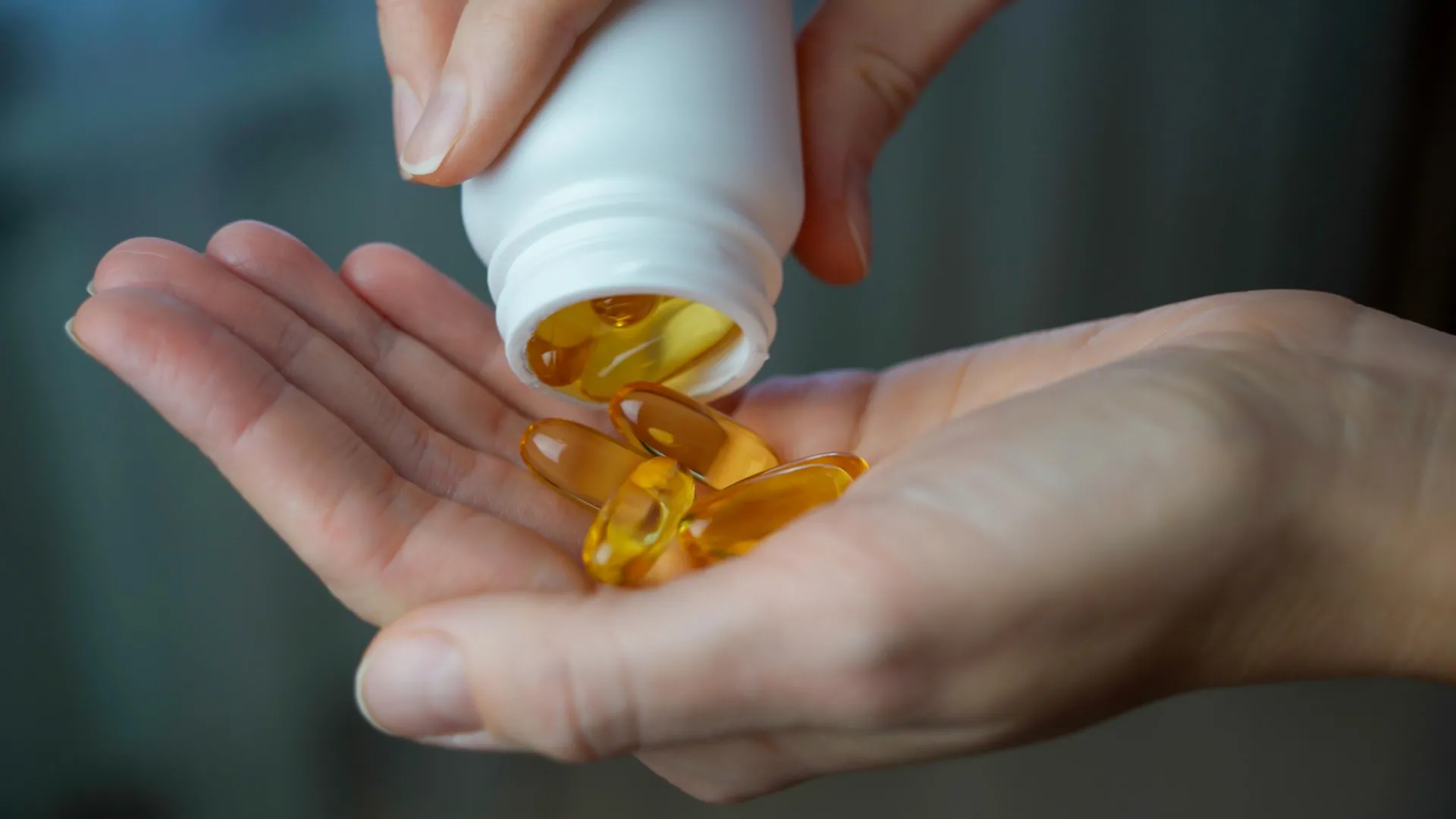
Half of the participants, in addition to their prescribed topical ointment, also took oral pantethine tablets. This parallel design allowed the researchers to directly compare the outcomes: standard treatment alone versus standard treatment augmented with pantethine supplementation. The trial spanned 12 weeks, providing sufficient time to observe therapeutic effects.
After the 12-week treatment period, the results were compelling. Patients who received pantethine alongside their prescribed calcipotriene/betamethasone ointment showed significantly greater improvement in their psoriasis symptoms compared to those receiving only the standard topical therapy. While the exact metrics of improvement (e.g., PASI scores, body surface area affected) were not detailed in the initial summary, the observed benefits were described as "especially noticeable" among participants who had high blood cholesterol levels before treatment began. This particular finding is profoundly significant, suggesting that pantethine may be particularly effective in a subset of psoriasis patients whose disease pathology is more directly linked to dysregulated cholesterol metabolism. This observation could pave the way for a more personalized approach to psoriasis treatment, where patients with specific metabolic profiles might be identified as ideal candidates for pantethine therapy.
These findings suggest that pantethine could potentially serve as a valuable additional treatment for psoriasis, especially in patients where underlying cholesterol metabolism disturbances may be contributing to the inflammatory process. The prospect of using a widely available, generally well-tolerated, and relatively inexpensive nutritional supplement to enhance the efficacy of existing therapies is highly appealing, offering a potential path to better outcomes for patients without the significant side effects or costs associated with some advanced treatments.
However, the researchers are careful to emphasize the preliminary nature of these human results. The trial included only 24 participants, which, while sufficient for a proof-of-concept study, is too small to definitively establish pantethine’s widespread effectiveness or to secure regulatory approval for its use as a psoriasis treatment. Larger, multi-center, double-blind, placebo-controlled clinical trials are indispensable to confirm these encouraging findings, precisely quantify the benefits, and assess any potential long-term side effects or interactions. Furthermore, the human results, while promising, do not yet unequivocally establish that the same intricate biological mechanism observed in the laboratory experiments and mouse models—the Vanin-pantethine-cholesterol axis—is directly responsible for the clinical improvement seen in patients.
"Our investigator-initiated clinical trial demonstrated encouraging therapeutic efficacy of pantethine as an adjunctive therapy in psoriasis, but these findings should be interpreted as proof-of-concept for clinical feasibility rather than direct mechanistic validation," Zhang cautions. This distinction is crucial in scientific research, highlighting the need for further studies to bridge the gap between observed clinical benefit and confirmed biological mechanism in humans. "Overall, our study uncovers the Vanin-pantethine-cholestrol axis as a key metabolic pathway governing dendritic cell activation and provides a foundation for therapeutic strategies targeting several dendritic cell-mediated autoimmune diseases," Zhang concludes. This broad implication points to the potential applicability of targeting this metabolic pathway not just for psoriasis, but for a spectrum of other autoimmune conditions where dendritic cell hyperactivation plays a central role, such as lupus, rheumatoid arthritis, or inflammatory bowel disease. The discovery marks a significant stride in the burgeoning field of immunometabolism, demonstrating how a deeper understanding of cellular metabolic processes can lead to innovative and accessible therapeutic interventions for complex autoimmune disorders.
