
 By admin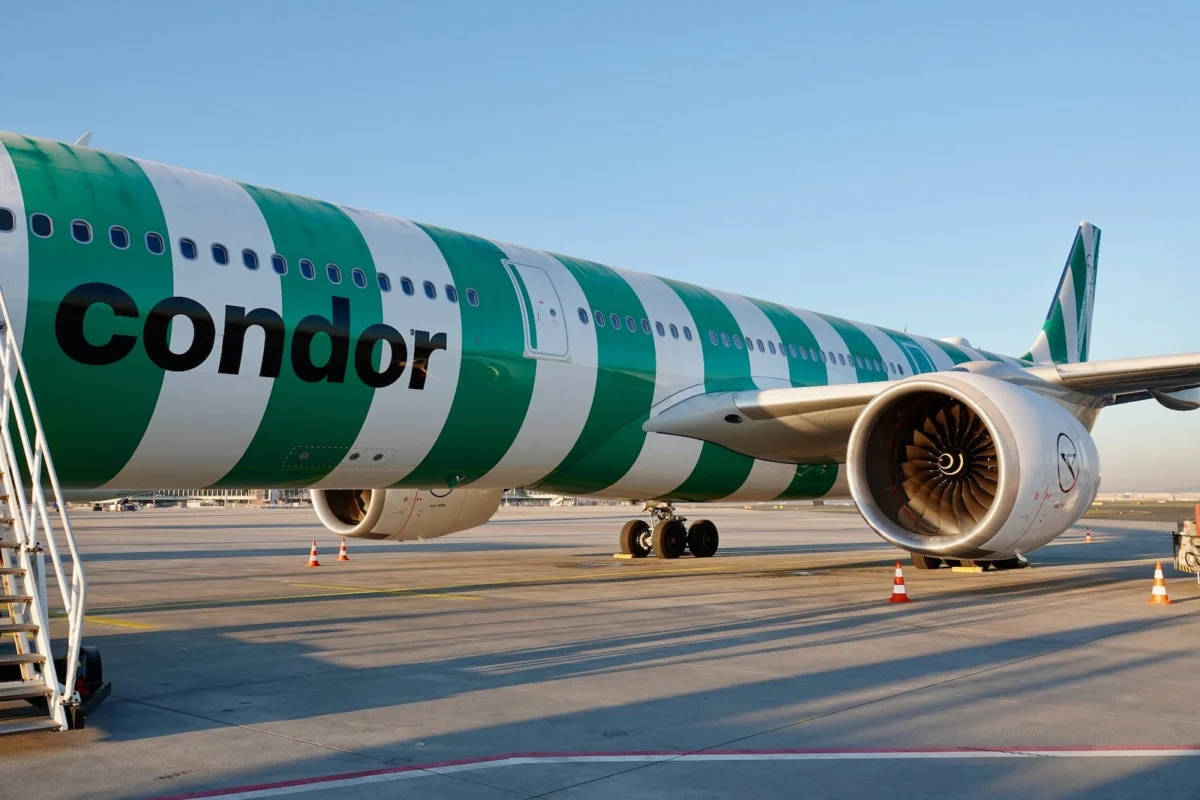
The new service is scheduled to debut on May 14, 2027, and will operate daily throughout the peak summer travel season, concluding on September 12, 2027. While the launch date is several seasons away, the early announcement underscores Condor’s long-term commitment to the North American market and its confidence in its modernized fleet. The addition of Chicago brings Condor’s North American network to 12 gateways, joining a list of major cities that includes New York (JFK), Los Angeles (LAX), San Francisco (SFO), Seattle (SEA), and Miami (MIA), among others.
Peter Gerber, CEO of Condor, highlighted the logic behind the expansion, noting that Chicago represents a critical missing link in the airline’s transatlantic network. "Chicago is an ideal addition to our North American network and a market with significant potential for both leisure and business travel," Gerber stated. "With this new service, we are providing our guests with convenient access to one of the most important metropolitan regions in the United States, while at the same time offering travelers from Chicago seamless connections to Europe via our hub in Frankfurt."
Challenging the Star Alliance Stronghold
The Chicago-Frankfurt route is historically dominated by the Star Alliance partnership between United Airlines and Lufthansa. For decades, O’Hare has served as a primary hub for United, while Frankfurt Airport (FRA) serves as the global heart of Lufthansa’s operations. Together, these two carriers offer multiple daily frequencies, catering to a mix of corporate travelers, government officials, and high-end leisure passengers.
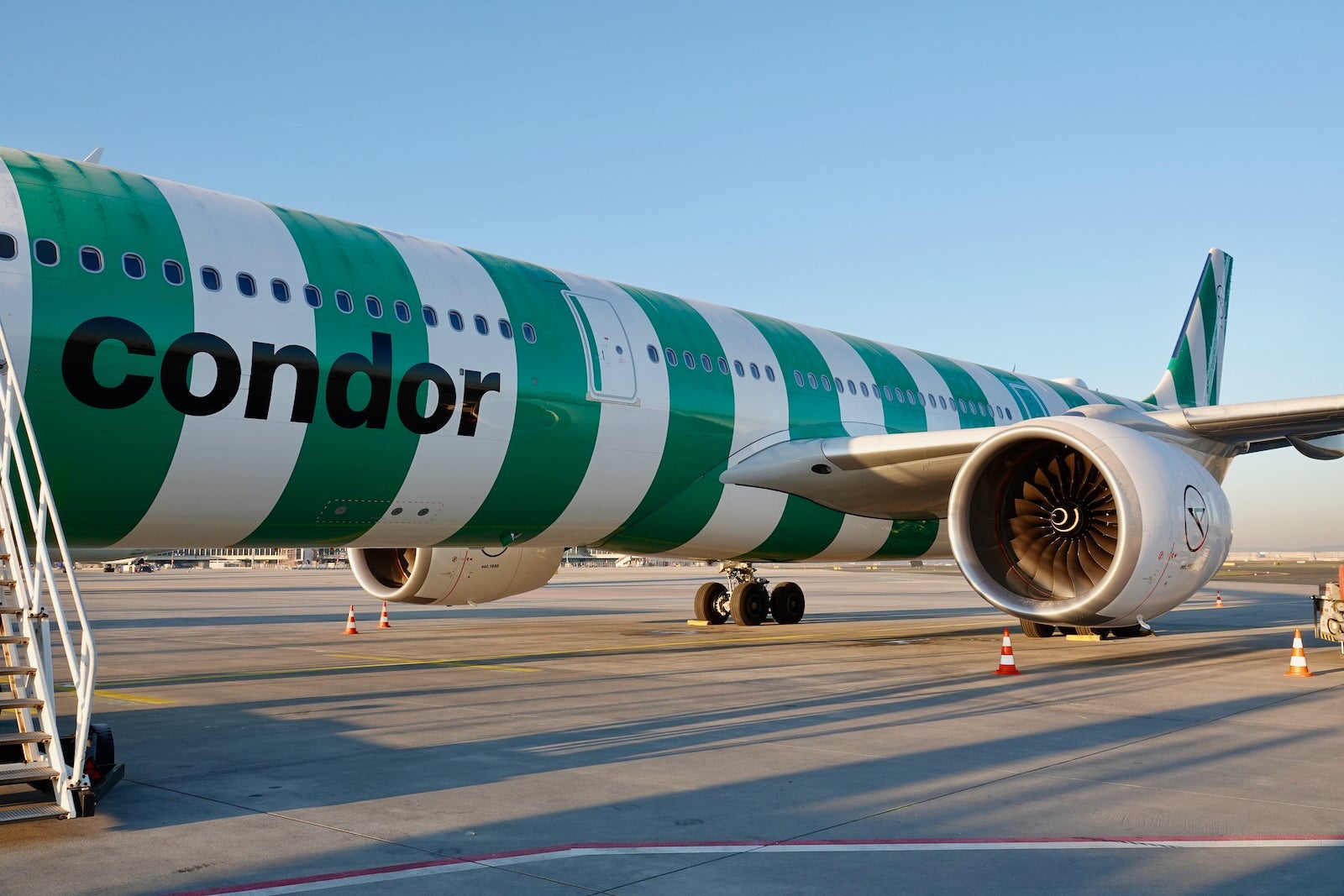
Condor’s entry into this market is a bold move designed to disrupt this status quo. Unlike low-cost long-haul carriers that often struggle with reliability or service consistency, Condor has undergone a massive transformation. Since its acquisition by the asset management firm Attestor Capital following the collapse of its former parent company, Thomas Cook, Condor has invested billions in a complete fleet overhaul and a vibrant new brand identity characterized by its distinctive "striped" aircraft.
By offering a daily nonstop flight, Condor provides a third choice for travelers who may be weary of the pricing power held by the Star Alliance partners. While Condor typically offers more competitive pricing than legacy carriers, it does not market itself as a "budget" airline in the traditional sense. Instead, it aims for a "value-plus" position—offering a premium product that rivals the majors at a more accessible price point.
The A330-900neo: A Game-Changing Aircraft
Central to Condor’s ability to compete on the Chicago route is the deployment of the Airbus A330-900neo. This aircraft is the backbone of Condor’s long-haul modernization strategy, replacing the aging Boeing 767-300ER fleet. The A330neo is not only more fuel-efficient—consuming roughly 2.1 liters of fuel per passenger per 100 kilometers—but it also offers a significantly enhanced passenger experience.
The business class cabin on the A330neo is a major leap forward for Condor. It features 30 lie-flat seats in a 1-2-1 configuration, ensuring that every passenger has direct access to the aisle—a standard requirement for modern business travelers that Condor’s older fleet could not consistently meet. Furthermore, Condor has introduced the "Prime Seat" in the front row of the business cabin. These seats offer even more space, a larger monitor, and a visitor seat, allowing two passengers to dine together.
The aircraft also features a dedicated Premium Economy cabin with 64 seats, offering significantly more legroom (35 inches of pitch), greater recline, and upgraded meal services compared to standard economy. In the economy cabin, passengers benefit from the "Airspace by Airbus" interior, which includes larger overhead bins, improved lighting, and state-of-the-art in-flight entertainment systems with 4K resolution and Bluetooth connectivity for personal headphones.
Strategic Timing and the Move to Frankfurt’s Terminal 3
The 2027 launch date is synchronized with another monumental shift in German aviation: the opening of Frankfurt Airport’s Terminal 3. For years, Frankfurt has been criticized for its complex layout and the frequent use of "bus gates," where passengers must be shuttled from the terminal to aircraft parked on remote stands.
Condor has confirmed that its operations will move to the new Terminal 3 upon its completion. This state-of-the-art facility is designed to streamline the passenger experience with shorter walking distances, faster security processing, and more efficient baggage handling. For Chicago-based travelers connecting through Frankfurt to Condor’s extensive European network—which includes destinations like the Greek Isles, the Balearic Islands, and major capitals like Rome and Paris—the move to Terminal 3 promises a much smoother transit experience.
Leveraging Partnerships: Alaska Airlines and JetBlue
While Condor is not a member of the big three global alliances (Star Alliance, SkyTeam, or Oneworld), it has cleverly built a web of "interline" and "codeshare-light" partnerships that provide it with a "virtual" domestic network in the United States.
Condor’s most prominent partner is Alaska Airlines. Members of the Alaska Mileage Plan can earn and redeem miles on Condor flights, a partnership that has proven incredibly popular for West Coast travelers. Similarly, Condor has a partnership with JetBlue, allowing TrueBlue members to earn points on Condor-operated flights. These partnerships are crucial for the Chicago route, as they allow Condor to capture "feeder" traffic from cities across the Midwest and beyond that are served by JetBlue or Alaska, even if those carriers do not have a massive presence at O’Hare compared to United or American.
For the savvy traveler, these partnerships offer a way to bypass the high mileage rates often required by United for transatlantic awards. Booking Condor through Alaska Mileage Plan is frequently cited by travel experts as one of the best "sweet spots" in the points and miles world, particularly for business class travel to Europe.
Economic Impact and Market Dynamics
The decision to link Chicago and Frankfurt also reflects the deep economic ties between the American Midwest and Germany. Illinois is home to hundreds of German companies, and Chicago serves as a primary logistical hub for transatlantic trade. By providing a new daily nonstop link, Condor is facilitating both trade and tourism.
Market analysts suggest that Condor’s entry could lead to a "halo effect" on pricing. When a third carrier enters a duopoly route, the incumbents often adjust their pricing strategies to maintain market share. This is particularly true for the "premium leisure" segment—travelers who are willing to pay for business or premium economy but are price-sensitive enough to shop around. Condor’s ability to offer a brand-new cabin product on the A330neo at a price point that often undercuts Lufthansa and United could force the legacy carriers to offer more competitive promotional fares.
A Growing Footprint in North America
The Chicago route is just the latest piece of a larger puzzle. Over the last three years, Condor has been aggressively expanding its North American footprint. The airline recently launched or increased service to San Antonio (SAT), Miami (MIA), and Edmonton (YEG).
This expansion is part of a broader trend in the aviation industry known as "long-haul leisure." Traditionally, long-haul flying was divided between high-cost legacy carriers and low-cost "long-haul" experiments like Norwegian or Wow Air, many of which failed due to unsustainable business models. Condor represents a "third way." It maintains a lower cost base than Lufthansa by focusing on high-density leisure routes and seasonal demand, yet it provides a service level and cabin product that feels more like a full-service carrier.
As the airline prepares for its 2027 Chicago debut, it is also investing heavily in its brand. The "stripes" livery—inspired by beach towels and umbrellas—has made Condor’s planes some of the most recognizable in the sky. While initially controversial, the branding has successfully differentiated Condor from the sea of "Eurowhite" fuselages operated by its competitors, signaling to passengers that their vacation begins the moment they step on the plane.
In conclusion, Condor’s new Chicago-Frankfurt service is more than just a new flight; it is a declaration of intent. By taking on the giants of the Star Alliance in one of their most profitable hubs, Condor is betting that its combination of a modern fleet, superior cabin comfort, and competitive pricing will resonate with Midwestern travelers. As the industry looks toward 2027, the "Battle for Chicago" is set to become one of the most interesting stories in transatlantic aviation.
