
 By admin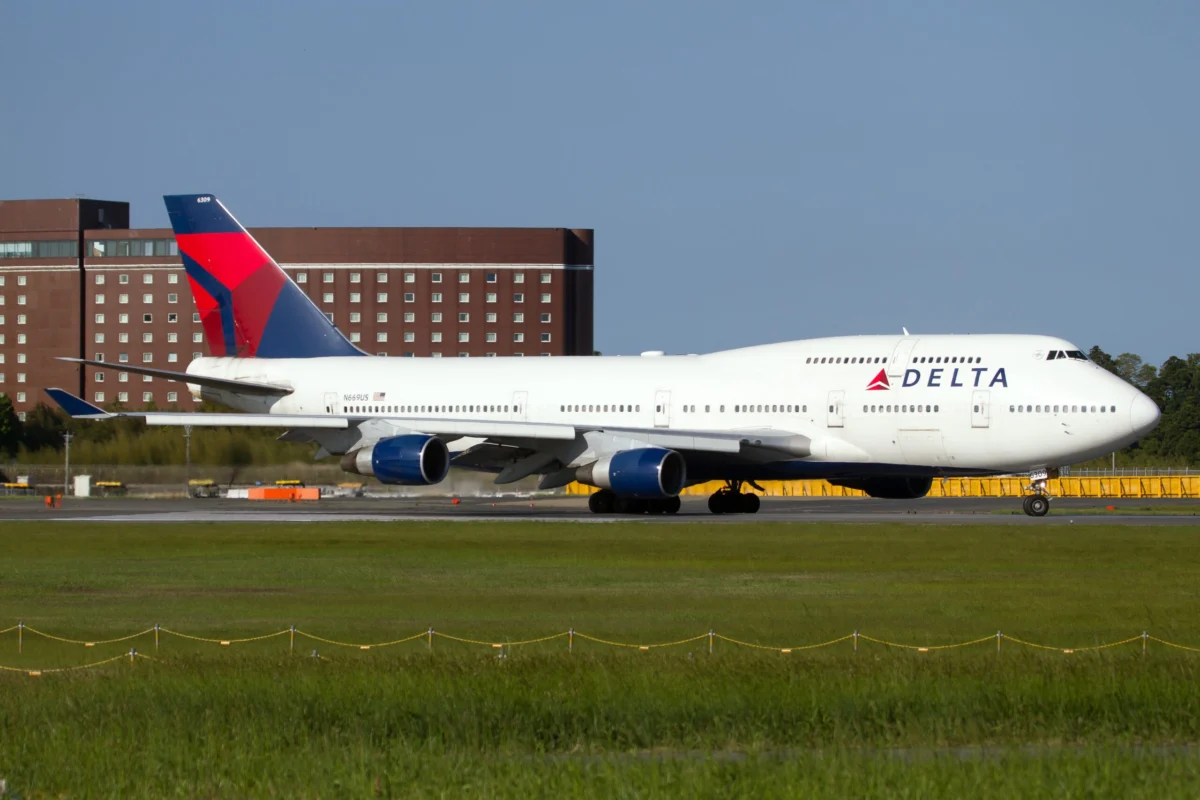
In a move that signals a significant pivot in its transpacific strategy, Delta Air Lines has officially announced its return to Tokyo’s Narita International Airport (NRT), ending a seven-year hiatus from one of Asia’s most storied aviation gateways. Beginning March 27, 2027, the Atlanta-based carrier will launch daily nonstop service between its primary West Coast hub at Seattle-Tacoma International Airport (SEA) and Narita. This new route does more than just add a pin to a map; it represents a homecoming for a carrier whose history is deeply intertwined with Narita’s runways and serves as a bold challenge to domestic rivals in the increasingly competitive Pacific Northwest market.

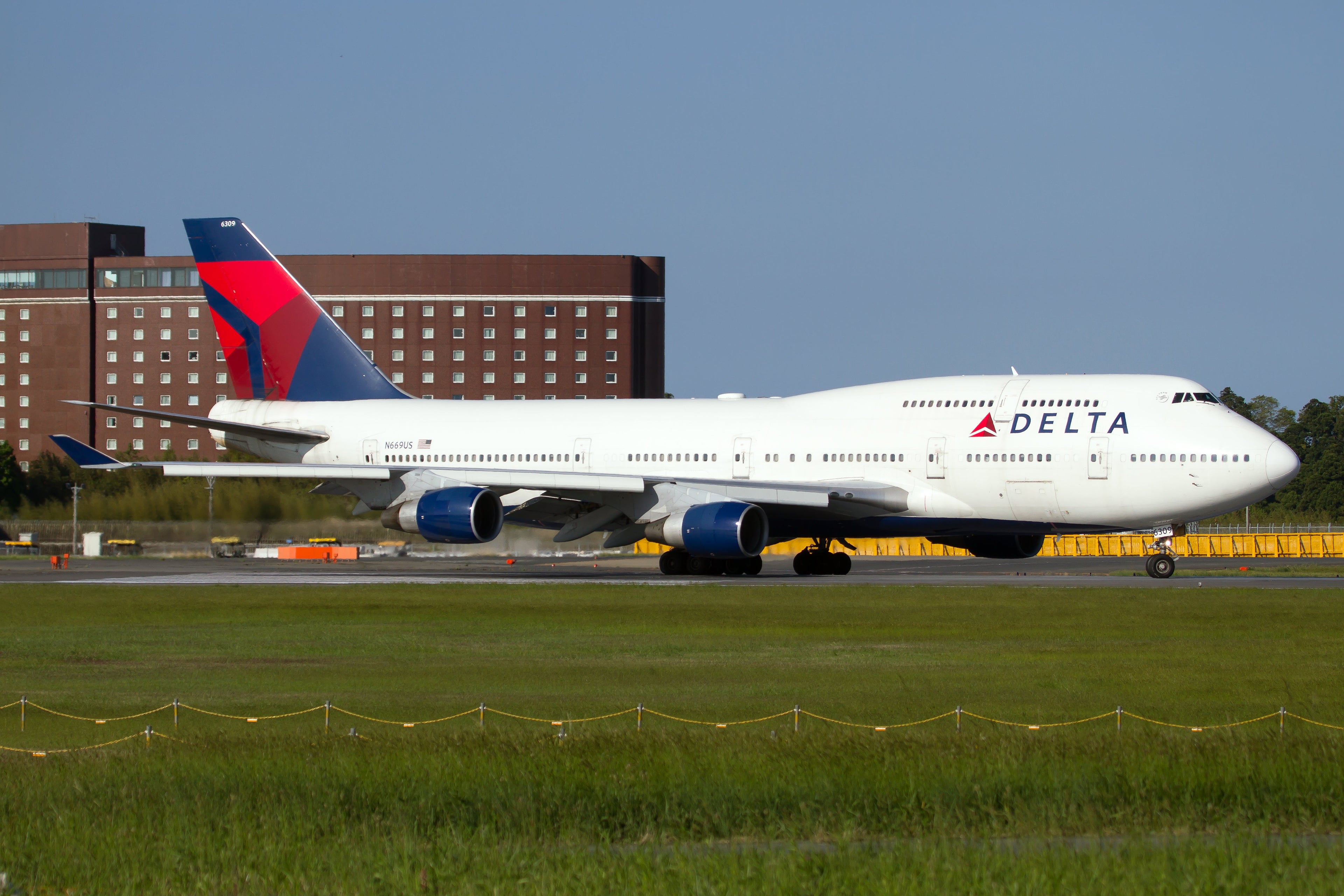
The return to Narita is a symbolic milestone for Delta. For decades, Narita served as the linchpin of the airline’s Asian operations, a legacy inherited from its 2008 merger with Northwest Airlines. Northwest had spent over half a century building Narita into a massive "fifth-freedom" hub, where passengers from across the United States could connect to a sprawling network of flights to destinations like Manila, Singapore, Bangkok, Guam, Taipei, and Seoul. At its peak, the sight of a Delta (or Northwest) tail was as common at Narita as that of Japan Airlines or All Nippon Airways. However, the 2010s saw a shift in global aviation trends. As the Japanese government liberalized access to Haneda Airport (HND)—located much closer to Tokyo’s central business district—Delta, along with its competitors, began aggressively shifting its "premium" operations to the inner-city airport. By early 2020, just as the COVID-19 pandemic began to freeze global travel, Delta had shuttered its Narita hub entirely, consolidating its Tokyo presence at Haneda and pivoting its connecting traffic to Seoul’s Incheon Airport through its joint venture with Korean Air.
The decision to re-enter Narita in 2027 suggests that the demand for travel to Japan has reached a fever pitch that Haneda alone can no longer satisfy. "Japan continues to be one of the most important and beloved destinations in Delta’s global network," said Jeff Arinder, Delta’s Vice President of International Network Planning. Arinder noted that the Seattle-Narita service is designed to "complement" existing service to Haneda, providing travelers with more flexibility in scheduling and pricing.

From a strategic perspective, the "dual-airport" strategy for Tokyo is a playbook often used by global carriers to segment their market. Haneda is the preferred choice for high-yield business travelers who value the 15-to-20-minute taxi or monorail ride into the heart of Minato or Chiyoda wards. Narita, while located roughly 40 miles outside the city, remains a critical hub for low-cost carriers, cargo operations, and international connections. By operating at both, Delta can capture the premium demand at Haneda while utilizing Narita to accommodate leisure travelers and those looking for specific connection timings that Haneda’s strictly regulated slot system cannot provide.
The timing of this announcement is also a direct response to the shifting competitive landscape in Seattle. For years, Delta has been locked in a "Battle for Seattle" with hometown carrier Alaska Airlines. While Alaska has historically been a domestic and short-haul specialist, its 2024 acquisition of Hawaiian Airlines fundamentally changed its DNA. Through that merger, Alaska Airlines gained a fleet of widebody Boeing 787-9 Dreamliners and established its own nonstop service between Seattle and Narita. Delta’s move to reinstate its own Narita flight ensures that it does not cede the leisure or budget-conscious segment of the Tokyo market to Alaska.
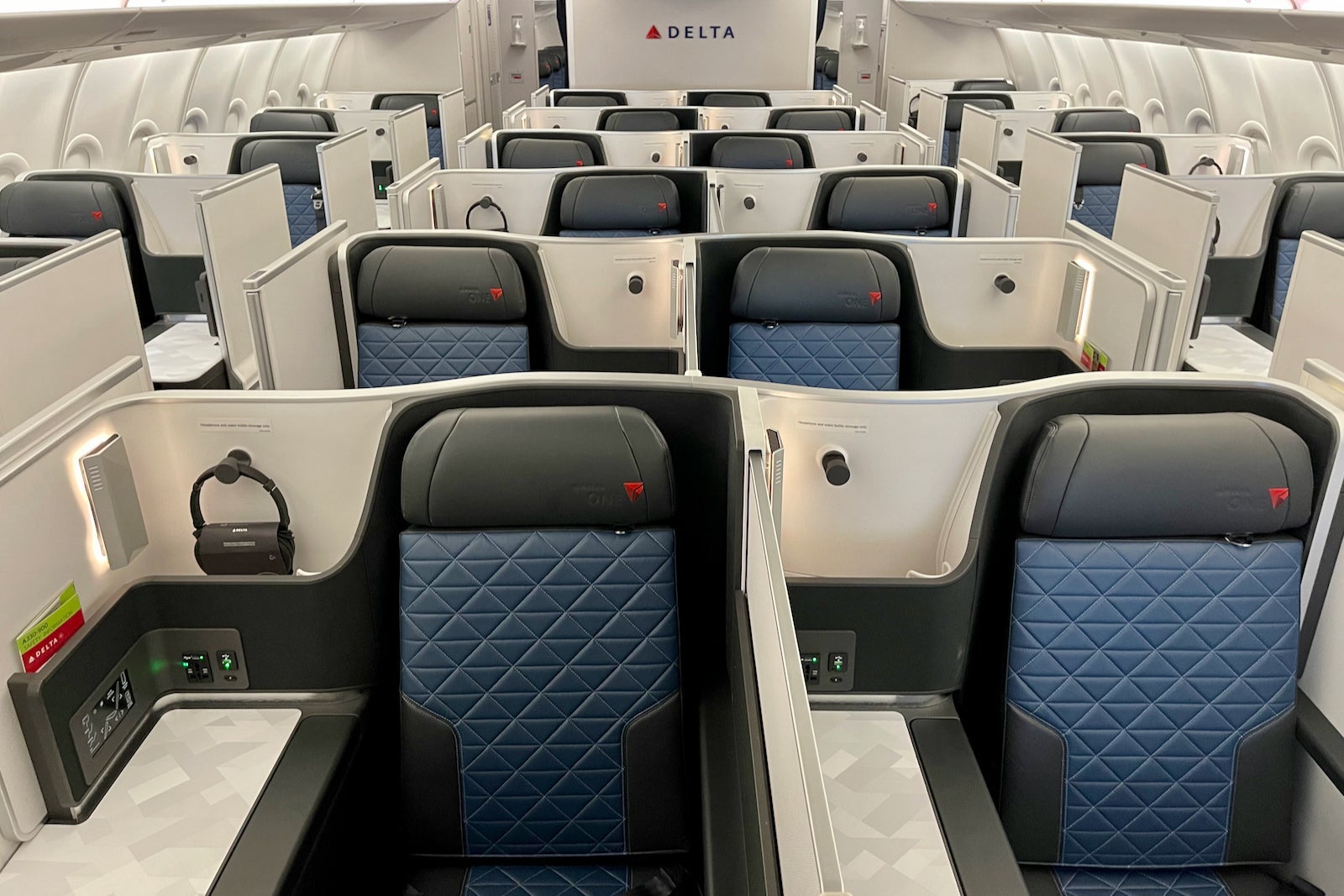
To service the nearly 4,800-mile route, Delta will deploy its flagship international workhorse: the Airbus A330-900neo. This aircraft is a cornerstone of Delta’s fleet modernization effort, offering a 20% reduction in fuel burn per seat compared to previous-generation aircraft. Passengers on the Seattle-Narita route will experience a four-cabin configuration designed to cater to every tier of traveler. The aircraft features 29 Delta One Suites, which offer full-flat beds and sliding privacy doors—a feature that has become the gold standard for transpacific business class. Additionally, the plane is equipped with 28 Delta Premium Select seats, offering more recline and dedicated service; 56 Delta Comfort+ seats with extra legroom; and 168 Main Cabin seats. Every passenger, regardless of cabin, will have access to high-speed Wi-Fi, seatback entertainment, and power ports, ensuring the 10-to-11-hour journey remains productive or entertaining.
The return to Narita also highlights a shift in how Delta views its partnerships. During the "hub years," Delta operated independently at Narita. In the new era, Delta will lean heavily on its SkyTeam alliance partners. While Delta operates its own award-winning Sky Club at Haneda—the only such lounge outside the United States—it currently has no plans to build a dedicated lounge at Narita. Instead, Delta premium passengers and SkyTeam Elite Plus members will likely utilize the Korean Air Lounge at Narita Terminal 1. This synergy with Korean Air is a byproduct of their highly successful joint venture, which has effectively replaced the old Narita hub with a more efficient "gateway" model through Seoul.
The economic backdrop for this expansion is equally compelling. Japan is currently experiencing a historic tourism boom, fueled in part by a weakened Yen that has made the country an exceptionally affordable destination for American travelers. In 2024, Japan saw record-breaking numbers of international arrivals, with the U.S. market being one of the strongest contributors. Furthermore, Seattle’s position as a tech and aerospace hub creates a constant stream of corporate travel between the Pacific Northwest and Japan’s industrial centers. Beyond passengers, the belly cargo capacity of the A330-900neo will be a boon for exporters of time-sensitive goods, such as Washington State produce and aerospace components, which frequently move through the Narita cargo complex.
This Narita announcement is part of a broader, aggressive expansion of Delta’s Pacific network. Earlier this summer, the airline revealed plans for nonstop service to Manila from Los Angeles International Airport (LAX), also slated for a 2027 launch. This follows the successful 2024 launch of LAX-Hong Kong flights. As Delta continues to take delivery of more Airbus A350 and A330neo aircraft, it is clear the airline is looking to re-establish the dominance in the Pacific that it once held during the Northwest Airlines era, albeit with a more modern, point-to-point approach rather than the traditional hub-and-spoke model.
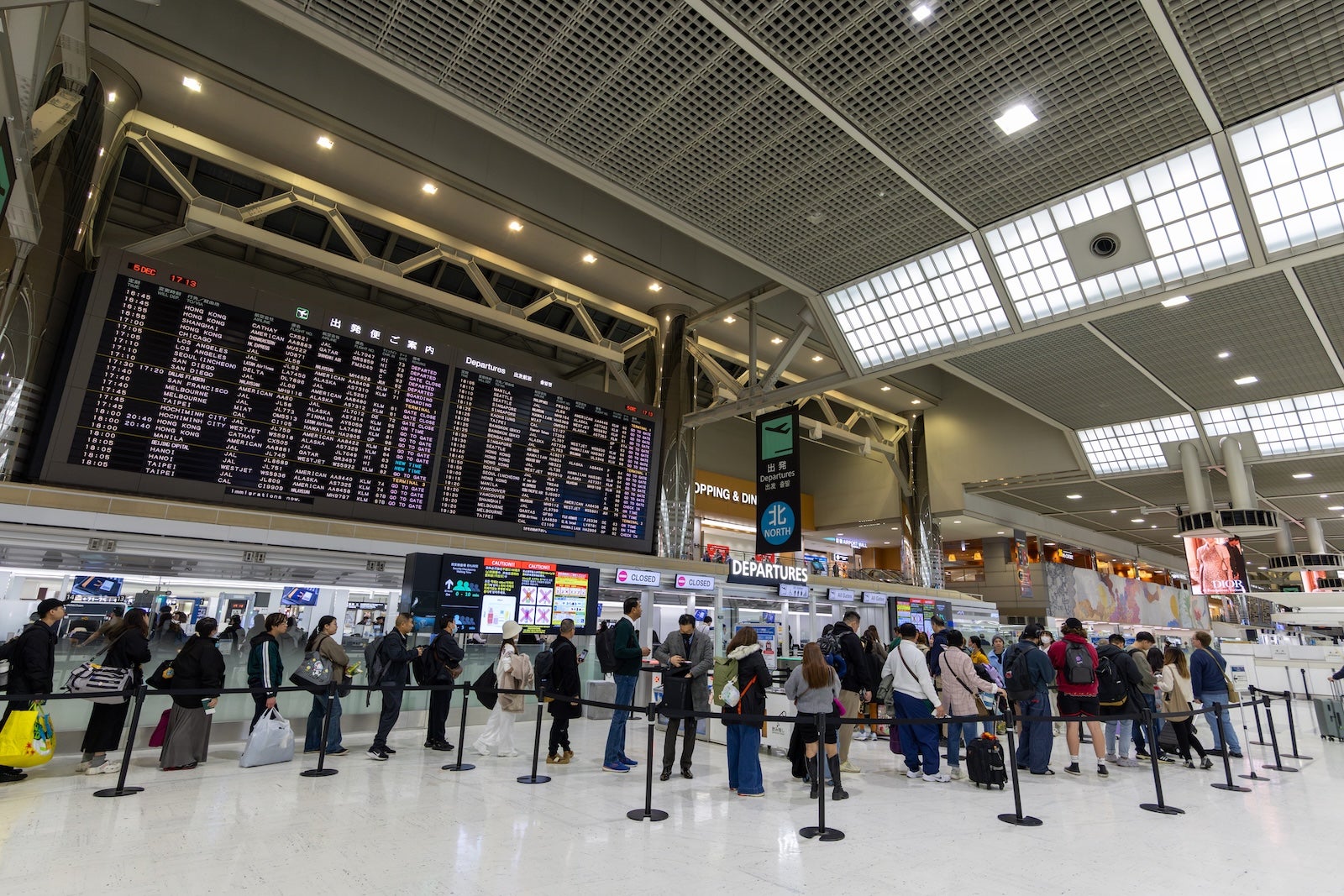
However, the Narita of 2027 will look different than the Narita Delta left in 2020. The airport has undergone significant renovations to improve the passenger experience, including the expansion of its low-cost carrier terminal and improvements to the Narita Express train service, which connects the airport to Tokyo Station in about 53 minutes. For travelers, the choice between Haneda and Narita often comes down to the final destination in Japan. Those heading to the eastern suburbs of Tokyo or Chiba Prefecture, or those planning to connect to domestic flights on Jetstar Japan or Peach, will find Narita to be the superior option.
As the aviation industry continues to navigate the post-pandemic landscape, Delta’s return to Narita serves as a testament to the enduring appeal of Japan as a global crossroads. It marks the end of a period of contraction and the beginning of a new chapter of growth. For the residents of the Pacific Northwest, the addition of another daily flight to Tokyo means more competitive pricing, more redemption opportunities for SkyMiles, and the return of a familiar friend to the Narita tarmac. When the first Delta A330neo touches down at Narita in March 2027, it won’t just be a flight landing; it will be the restoration of a historic bridge between two of the world’s most dynamic economic regions.
