
 By admin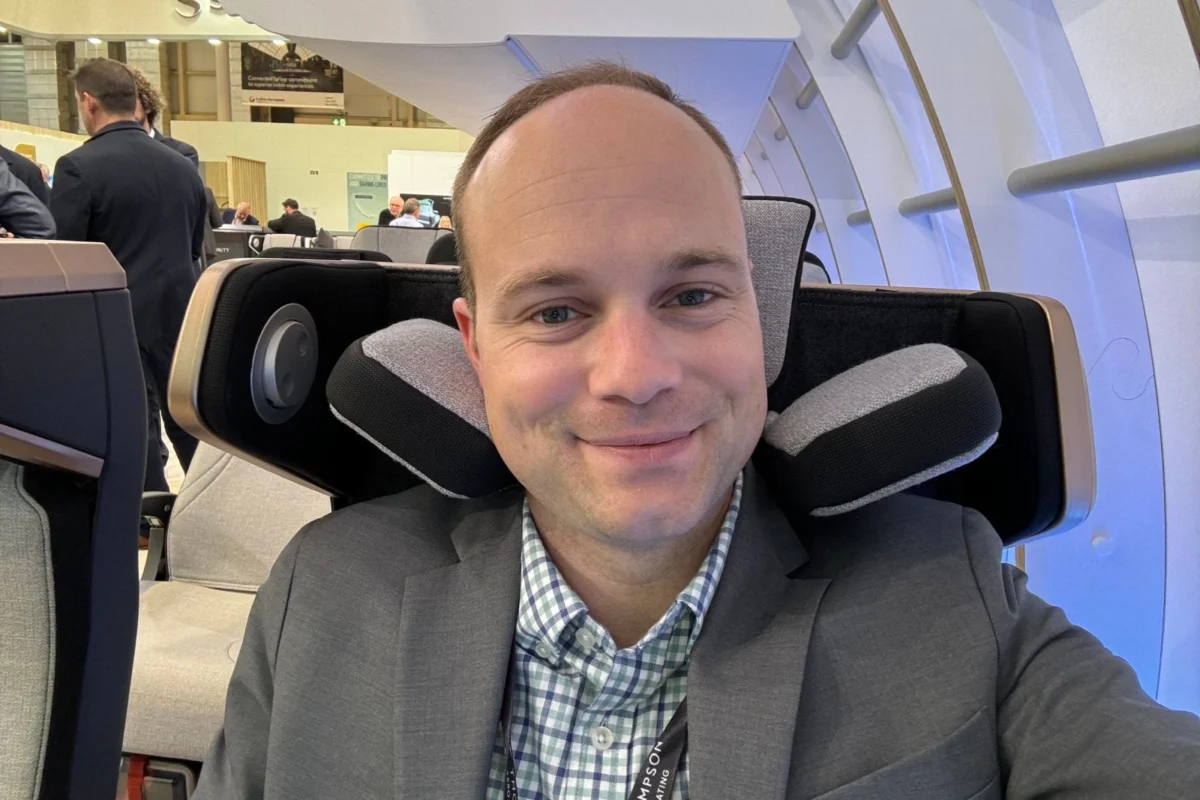
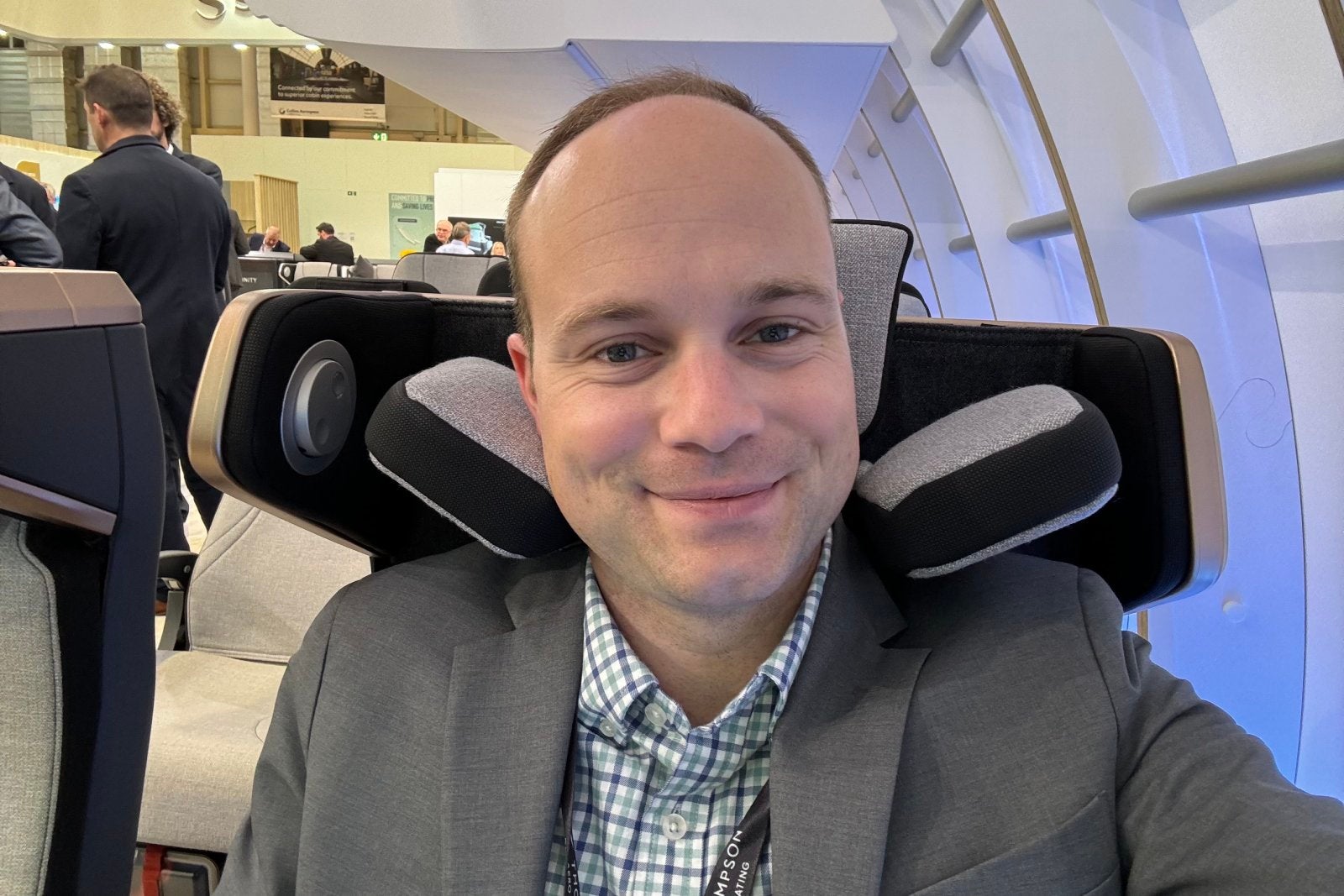
The U-Dream headrest is not merely a cosmetic upgrade but a sophisticated piece of cabin engineering. Constructed with high-quality leather padding and a flexible internal frame, the headrest features foldable side "wings" that can be adjusted inward to cradle the passenger’s head. This lateral support is critical for preventing the "head-bob" effect—the sudden forward or sideways drop of the head that frequently wakes travelers during the transition into deep sleep. By providing a stable, cushioned surface for the neck and cranium, the U-Dream system allows passengers to maintain a more natural spinal alignment while seated upright. Furthermore, the units are fully adjustable on a vertical axis and can be tilted to accommodate passengers of varying heights and body types, ensuring that a child and a tall adult can find the same level of support.
This development comes at a time when the aviation industry is engaged in an "arms race" of economy-class innovation. For decades, the economy cabin was largely neglected in favor of high-margin premium suites. However, as ultra-long-haul routes—flights exceeding 14 or 15 hours—become more common, the physical toll on passengers in the main cabin has become a major point of competitive differentiation. Emirates president Sir Tim Clark, a legendary figure in the aviation world known for his meticulous attention to cabin detail, emphasized that the U-Dream is a "game-changer." In a statement accompanying the launch, Clark noted that the support provided to the neck is so comprehensive that it renders traditional travel gadgets obsolete, potentially freeing up valuable space in passengers’ carry-on luggage.
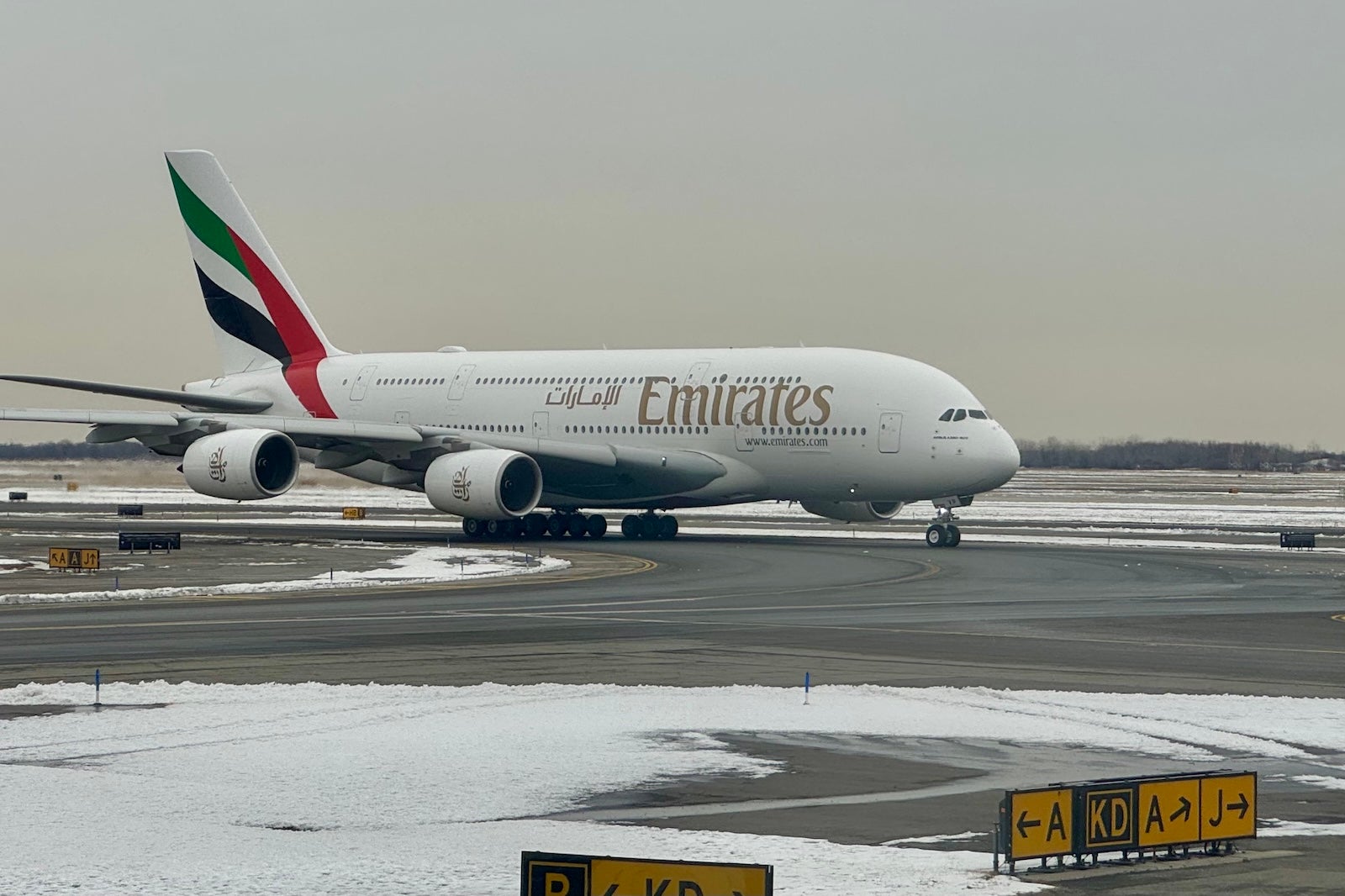
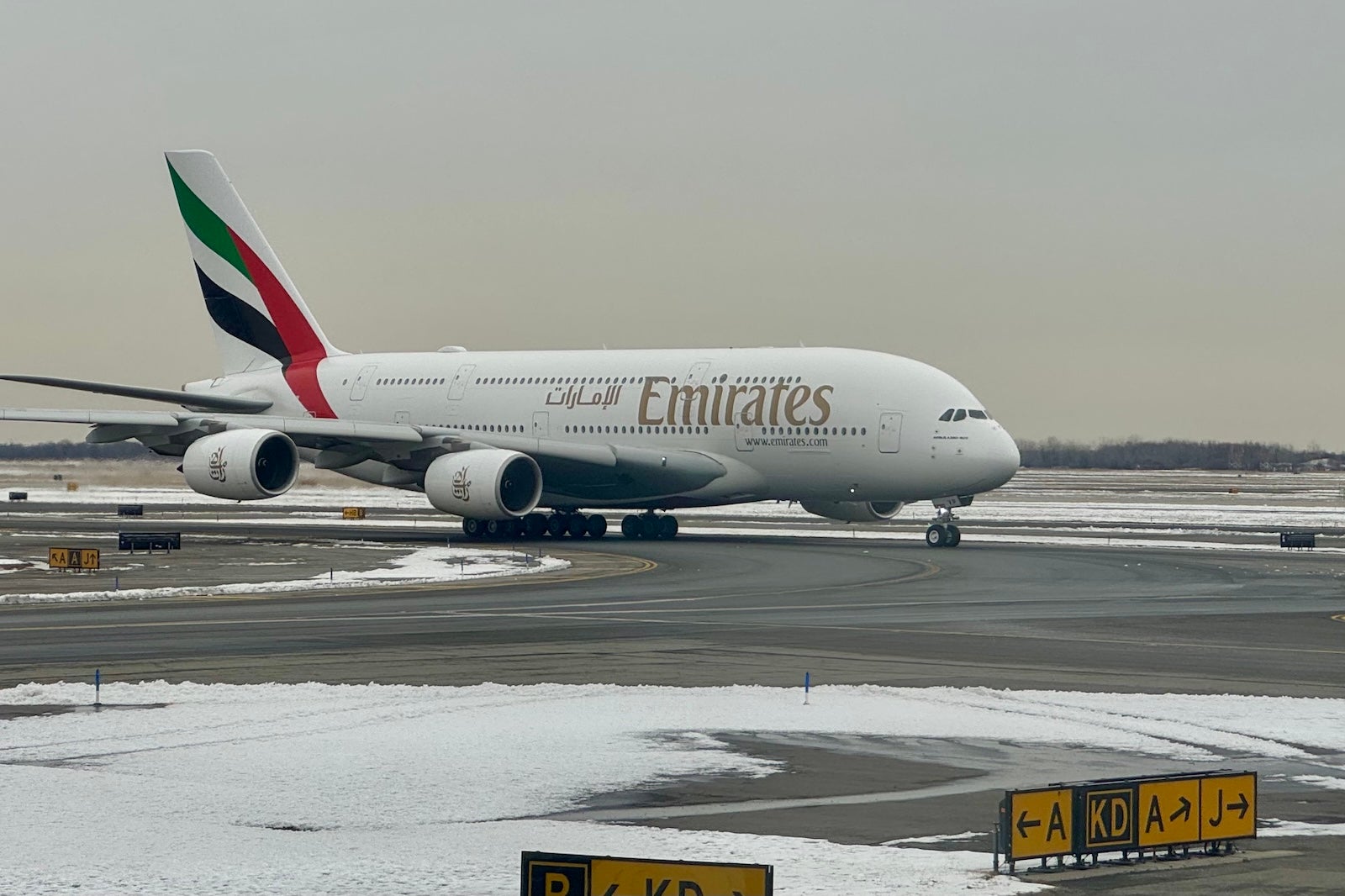
The rollout of the U-Dream headrest is integrated into Emirates’ broader, multi-billion-dollar fleet modernization program. The airline has already quietly debuted the feature on three of its newest Airbus A350 aircraft, which are currently entering service. According to the airline’s roadmap, the entire fleet of A350s—totaling 65 aircraft on order—will be equipped with these headrests by the conclusion of 2026. For the Boeing 777X, the next-generation widebody for which Emirates is the launch customer with over 200 units on order, the U-Dream headrest will be a standard factory-fit feature upon delivery. Perhaps most importantly for the millions of travelers currently flying on Emirates’ existing "workhorses," the airline has committed to retrofitting its massive fleet of Airbus A380s and Boeing 777-300ERs. This retrofit cycle is slated to begin in 2027, ensuring that the enhanced sleep experience becomes a consistent brand standard across the carrier’s global network.
The partnership with Safran is a strategic move that highlights the complexity of modern seat design. Every component added to an aircraft seat must undergo rigorous testing to meet the stringent requirements of the European Union Aviation Safety Agency (EASA). The U-Dream headrests have already secured this certification, proving they are not only comfortable but also safe during turbulence and emergency scenarios. Beyond safety, the airline had to consider the operational realities of a high-turnover cabin. The headrests are designed for durability and ease of maintenance, with leather surfaces that can be quickly and effectively sanitized between flights—a priority that has remained at the forefront of airline operations since the global pandemic.
To understand why Emirates is investing so heavily in a headrest, one must look at the shifting landscape of global aviation competition. The "Middle East Three" carriers—Emirates, Qatar Airways, and Etihad—have historically competed on luxury, but the battleground has expanded. Air New Zealand recently made headlines with its "Skynest" project, which offers actual bunk beds in the economy cabin for a fee. United Airlines has introduced its "Relax Row" on certain international routes, allowing passengers to book three seats that convert into a flat surface, similar to Air New Zealand’s "Skycouch." Meanwhile, Lufthansa’s "Allegris" concept aims to offer a variety of seat types within the same cabin to cater to different passenger needs.
Emirates’ approach with the U-Dream is different because it aims to improve the baseline experience for every passenger without requiring the purchase of a separate "product" or a middle-seat block. It is an incremental but universal improvement to the ergonomics of the standard seat. This philosophy aligns with Emirates’ historical commitment to the Airbus A380, where the airline opted for slightly wider seats and higher ceilings than many of its competitors. By focusing on the headrest, Emirates is targeting the most painful part of the economy experience: the inability to stay asleep.
The science of sleep in an upright position is notoriously difficult. When the human body enters REM sleep, muscle tone decreases significantly. In a standard aircraft seat, this leads to the head falling forward, which often triggers the "hypnic jerk" or "startle response," waking the passenger. By providing lateral stability through the "U" shape, the U-Dream headrest mimics some of the support found in a bed’s pillow, allowing the neck muscles to relax more deeply. For Emirates, which operates a hub-and-spoke model out of Dubai International Airport (DXB), many passengers are connecting between two long-haul flights. A passenger flying from London to Sydney via Dubai might spend over 20 hours in the air; for these travelers, the cumulative benefit of better sleep can drastically reduce the effects of jet lag and physical fatigue.
In addition to the hardware changes, Emirates is also leveraging software and service to bolster its economy class appeal. The airline’s "ICE" (Information, Communication, Entertainment) system is frequently ranked as the best in the world, now featuring massive 4K screens and Bluetooth connectivity for personal headphones in newer installations. When combined with the U-Dream headrest and the airline’s expanded Wi-Fi offerings—which are now free for all Skywards loyalty members—the economy cabin begins to feel less like a "commodity" and more like a curated travel experience.
Industry analysts suggest that this focus on "Premium Economy-lite" features is a savvy business move. While Premium Economy cabins are highly profitable, they only represent a small fraction of the total seats on a plane. By improving the standard economy seat, Emirates can maintain higher customer satisfaction scores and brand loyalty among the 80% of its passengers who occupy the main cabin. This is particularly vital as new competitors, such as Riyadh Air, prepare to enter the market with promises of redefined luxury.
The financial commitment required for such a rollout is staggering. Retrofitting an aircraft as large as the A380 involves taking the plane out of service for weeks and spending millions per hull. However, Sir Tim Clark has often argued that the brand value of being the "best in sky" justifies the capital expenditure. The U-Dream headrest is a visible, tactile reminder to the passenger that the airline has considered their comfort. While a passenger might not notice a new fuel-efficient engine or a lighter composite floor panel, they will certainly notice that they woke up without a stiff neck after a flight from Dubai to Los Angeles.
As the aviation industry moves toward 2030, the focus on passenger well-being is expected to intensify. We are seeing a move toward circadian lighting systems that mimic the sun, advanced HEPA filtration, and now, specialized ergonomic furniture. The Emirates U-Dream headrest is a harbinger of this future—a future where the "back of the bus" is no longer a place of endurance, but a place where one can actually rest. For the millions of travelers who have struggled with inflatable pillows and makeshift neck supports, the arrival of a built-in, certified solution is a welcome evolution in the history of commercial flight. By the time the retrofit program hits its stride in 2027, the sight of passengers boarding with U-shaped pillows around their necks may finally become a thing of the past on the world’s largest international airline.
