
 By Titik Puspa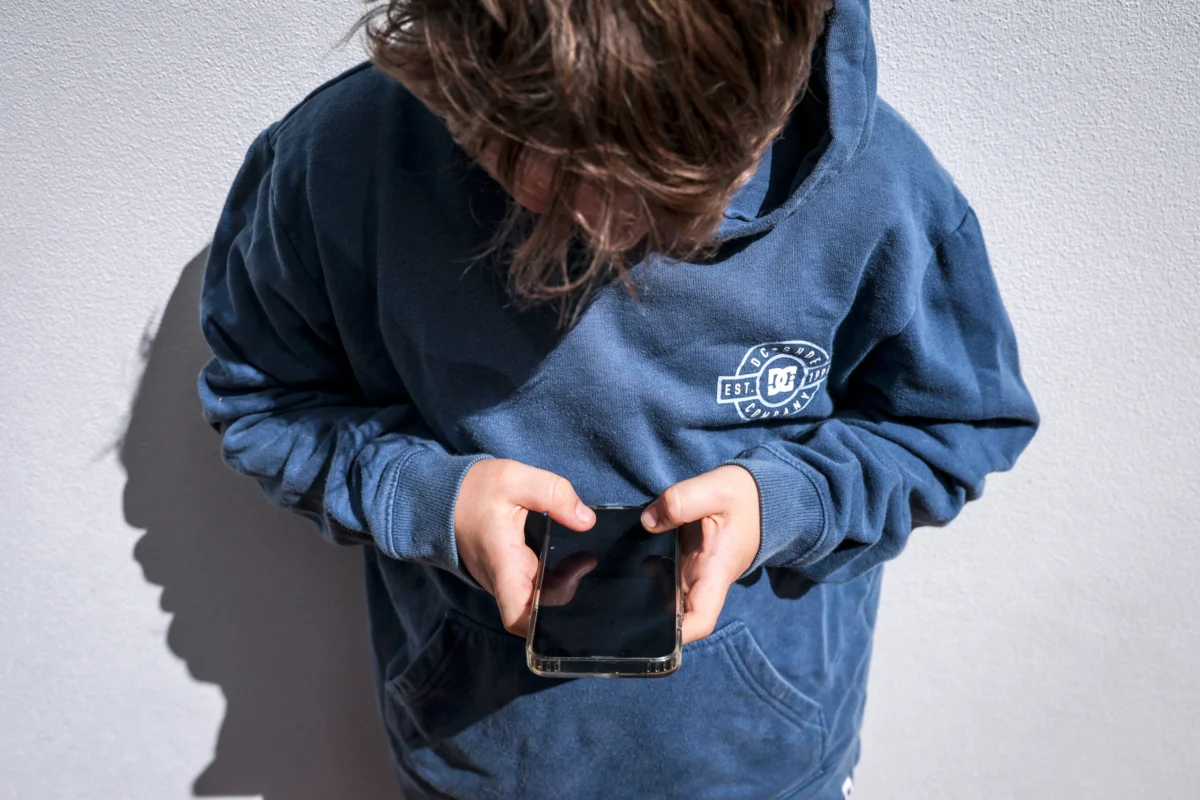
In a sweeping global movement, nations across continents are enacting stringent measures to shield children and adolescents from the pervasive influence and potential harms of social media. This trend, gaining significant momentum over the past months, sees governments grappling with the complex digital landscape and its impact on developing minds. At the forefront of this legislative surge, Australia emerged as a pioneering nation, implementing a landmark ban on social media access for individuals under the age of 16 in late 2025. This groundbreaking decision has not only set a significant precedent but also ignited a ripple effect, prompting a close examination of similar initiatives by countries worldwide. France has now joined this growing cohort, announcing its own set of restrictions designed to curb underage social media engagement.
The core impetus behind these widespread regulatory efforts is a shared concern for the well-being of young internet users. Governments are increasingly acknowledging the multifaceted risks associated with unfettered access to social media platforms, including the pervasive threat of cyberbullying, the insidious grip of addiction, the escalating mental health challenges such as anxiety and depression, and the ever-present danger of exposure to online predators. These concerns are not merely anecdotal; a growing body of research highlights the correlation between excessive social media use and negative psychological outcomes in adolescents. For instance, studies have indicated that increased screen time, particularly on platforms designed for constant engagement, can disrupt sleep patterns, diminish self-esteem through social comparison, and contribute to feelings of isolation despite perceived connectivity.
However, the path to implementing these restrictions is not without its challenges and controversies. A significant point of contention revolves around privacy concerns, particularly regarding the methods employed for age verification. Critics argue that invasive age assurance technologies could lead to the collection of sensitive personal data, creating new vulnerabilities. Furthermore, the extent of government intervention in the digital lives of citizens raises questions about censorship and the potential for overreach. Organizations like Amnesty Tech have voiced strong opposition, labeling such blanket bans as ineffective "quick fixes" that fail to address the root causes of online harms and disregard the realities of how younger generations engage with technology. Despite these valid criticisms, the momentum behind legislative action appears unstoppable, with numerous nations pressing forward with proposed laws and policies.
A Global Inventory of Social Media Restrictions for Minors:
Australia: The Trailblazer
Australia made history in December 2025 by becoming the first country globally to enact a comprehensive ban on social media for children under 16. This sweeping legislation targets a wide array of popular platforms, including Facebook, Instagram, Snapchat, Threads, TikTok, X (formerly Twitter), YouTube, Reddit, Twitch, and Kick. Notably, messaging services like WhatsApp and educational platforms such as YouTube Kids remain exempt from the ban, reflecting a nuanced approach to digital engagement. The Australian government has placed the onus on social media companies to actively prevent underage users from accessing their services. Failure to comply carries substantial financial penalties, with non-compliant companies facing fines of up to AUD $49.5 million (approximately USD $34.4 million). The government’s directive emphasizes the need for robust age verification methods, moving beyond simple self-declaration by users and requiring platforms to implement more sophisticated identification processes.
Austria: Laying the Groundwork
In late March, Austria announced its intention to implement a ban on social media for children up to the age of 14. Draft legislation is currently being finalized, with an expected completion by June, signaling Austria’s commitment to proactively address the digital well-being of its youth.
Canada: A Digital Safety Imperative
Canada has taken a significant step towards safeguarding its younger population with the introduction of a digital safety bill in early June. This legislation proposes a ban on social media for individuals under 16. The bill offers social media giants an avenue to circumvent the ban by demonstrating the existence of robust policies designed to protect young users. Officials anticipate that the legislative process could take up to a year to conclude, highlighting the careful consideration being given to this critical issue.
Denmark: Securing Cross-Party Support
Denmark is poised to implement a ban on social media platforms for children under 15. The Danish government announced in November 2025 that it had garnered substantial support for this initiative from three governing coalition parties and two opposition parties in parliament. This broad consensus suggests a strong societal will to protect young Danes online. According to the Associated Press, the proposed legislation could be enacted as early as mid-2026. In parallel, the Danish Ministry of Digital Affairs is developing a "digital evidence" app, which will incorporate age verification tools that could be instrumental in enforcing the ban.
France: A Two-Pronged Approach to Digital Well-being
France has moved decisively to protect its youth, passing a law on July 21 that prohibits access to social media for individuals under 15. This significant legislation is slated to take effect as early as September 1. The new law also extends a ban on cellphone use to high schools, building upon an existing prohibition in primary and middle schools, thereby creating a more comprehensive strategy to limit digital distractions and promote healthier social interactions for students.
Germany: Coalition Deliberations
In early February, Germany’s conservative party, led by Chancellor Friedrich Merz, discussed a proposal to restrict social media access for children under 16. However, reports indicate that the center-left coalition partners have expressed reservations about an outright ban, suggesting that Germany’s approach may involve more nuanced regulatory measures or compromise.
Greece: Addressing Anxiety and Sleep Disturbances
Greek Prime Minister Kyriakos Mitsotakis announced in April that the country will implement a ban on social media access for children under 15, effective January 2027. The Prime Minister articulated that this measure is a direct response to the rising levels of anxiety and sleep problems observed among children, as well as the addictive design inherent in social media platforms. This move underscores a focus on the direct psychological impacts of social media on young people.
Indonesia: Broad Platform Restrictions
Indonesia announced in early March its intention to ban children under the age of 16 from using social media and other popular online platforms. The country plans to initially target platforms such as YouTube, TikTok, Facebook, Instagram, Threads, X, Bigo Live, and Roblox, signaling a broad sweep to regulate digital access for minors.
Malaysia: Stepping Towards Implementation
The Malaysian government declared in November 2025 its plan to ban social media access for children under 16. The country aims to implement this ban within the current year, reflecting a commitment to swiftly address the issue of youth online engagement.
Poland: Drafting New Legislation
Poland’s ruling party is actively drafting new legislation that would prohibit children under 15 from accessing social media platforms. This initiative, reported by Bloomberg in February, indicates a concerted effort by the Polish government to establish legal frameworks for online child protection.
Slovenia: Regulating Interactive Platforms
Slovenia is in the process of drafting legislation to prohibit children under 15 from accessing social media. The country’s Deputy Prime Minister announced in early February that the government specifically aims to regulate social networks where content is actively shared, citing platforms like TikTok, Snapchat, and Instagram as examples. This focus suggests a targeted approach to platforms with high user engagement and content generation.
Spain: Accountability and Personal Liability
Spain’s Prime Minister announced in early February that the country plans to ban social media for children under the age of 16, a measure that still requires parliamentary approval. Beyond age restrictions, the Spanish government is also exploring legislation to hold social media executives personally accountable for hate speech disseminated on their platforms, a move that could significantly alter the landscape of online content moderation and corporate responsibility.
Turkey: Parliamentary Approval Pending
The Turkish parliament passed a bill in April to restrict social media access for children under 15. However, for this bill to become law, it requires the formal acceptance of Turkish President Recep Tayyip Erdogan, indicating a final administrative hurdle before implementation.
United Kingdom: Reclaiming Childhood
U.K. Prime Minister Keir Starmer announced on June 15 that his government will impose a ban on social media use for children under 16. This landmark decision aims to "give kids their childhood back" by restricting access to a range of platforms, including Snapchat, TikTok, YouTube, Instagram, Facebook, and X. Similar to other nations, messaging services like WhatsApp and Signal will be exempt. The proposed legislation also includes limitations on AI tools, specifically mandating that AI "romantic companion" chatbots ensure they are only accessible to individuals over 18. While acknowledging the challenges of enforcing such a ban, Starmer expressed confidence in its feasibility, with a potential implementation by spring 2027.
The global movement to restrict social media access for minors underscores a growing recognition of the profound impact digital technologies have on the developing lives of young people. As nations navigate this evolving landscape, the debate between protection and privacy, intervention and individual liberty, will undoubtedly continue to shape the future of online engagement for generations to come. The effectiveness of these bans, the ethical considerations of age verification, and the long-term societal consequences remain subjects of ongoing scrutiny and discussion.
