
 By admin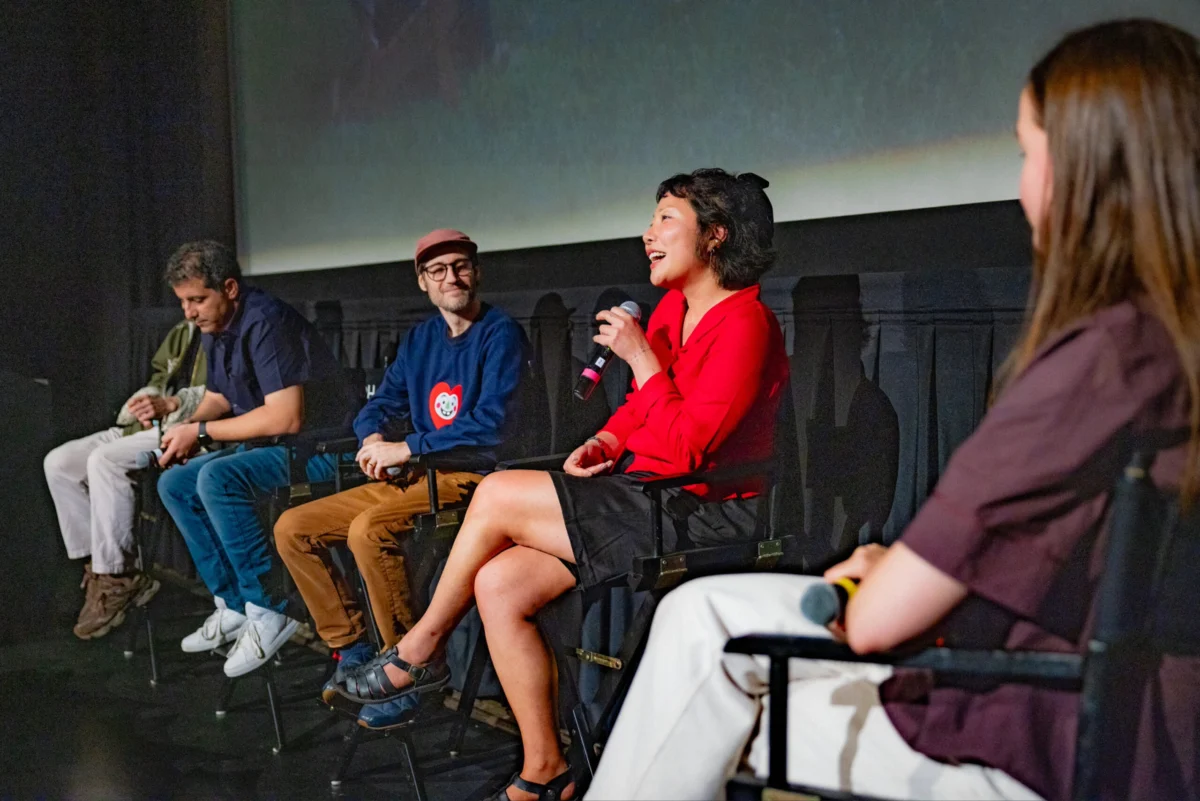
Fifteen minutes into Google’s exclusive AI short-film screening at Manhattan’s esteemed Metrograph theater, a realization dawned: my popcorn bag was nearly empty. This rapid consumption wasn’t merely due to a small bag; it was a visceral reaction to the burgeoning intrigue sparked by Google’s demonstration of its cutting-edge AI video generation capabilities. The tech giant unveiled eleven AI-generated short films, each a testament to the creative potential unlocked by its proprietary Flow short-form AI video generator. These films were the culmination of the fourth cohort of Google’s “Flow Sessions” program, a rigorous six-week intensive designed to empower emerging filmmakers. Participants, drawn from diverse age groups, demographics, and professional backgrounds, were granted unlimited access to the Flow platform and received invaluable mentorship to transform their nascent story ideas into tangible cinematic experiences.
The pervasive influence of short-form video in democratizing filmmaking in the AI era is undeniable. Companies are actively enticing creators with the promise of realizing visions previously constrained by technological or financial limitations. Google, keenly aware of this trend, strategically positioned this exhibition not just to showcase the films themselves, but also to underscore the transformative power of its AI technology. This initiative aligns with Google’s broader strategy to foster AI adoption within the film industry, as evidenced by its ongoing DeepMind research partnership with A24 and its collaborations with prominent filmmakers such as Darren Aronofsky and Doug Liman. These partnerships signal a significant investment in exploring and integrating AI tools into the creative process, pushing the boundaries of what’s possible in visual storytelling.
At the heart of the Flow Sessions program is Henry Daubrez, a filmmaker-in-residence who meticulously guides each cohort, nurturing their concepts from initial ideation to the final generated reality. Daubrez articulated a profound shift in the creative landscape, asserting that the advent of AI has rendered a traditional professional creative background less of a prerequisite for storytelling. He observed that individuals from diverse industries are now finding pathways to articulate narratives that might have otherwise remained dormant, suppressed by the perceived barriers to entry in filmmaking.
"Life is messy," Daubrez stated in a pre-screening video interview, his words resonating with the complexities of artistic ambition. "Sometimes that was my dream career, and they get there. Sometimes they had [a dream] and it didn’t work out. Sometimes they had to keep in the family business. I think what AI is doing – and I understand the pushback about most people can say, ‘Hey, you have a camera on your phone. What prevents you from going outside and shooting?’ Depends what you want to say – the story, VFX is expensive, it’s still complicated to put things together. But I think for a lot of people, it’s gonna give them a new door." This sentiment encapsulates the democratizing potential of AI, offering a more accessible entry point into visual narrative creation.
Google’s commitment to promoting this accessible narrative is evident in both its selection of creators and its choice of venue. The Flow Sessions’ screening location has evolved from Tribeca’s Roxy Cinema to the more expansive Metrograph in the Lower East Side, a deliberate choice to appeal to the discerning cinephile demographic that holds the theater in high regard. This strategic choice of venue, known for its curated film programming, suggests an aspiration to legitimize AI-generated content within the art-house circuit. The Metrograph has also hosted other high-profile events, such as Charli XCX’s early listening event for her album "Music, Fashion, Film," further solidifying its reputation as a hub for cultural innovation.
However, this embrace of AI-driven creativity stands in stark contrast to the ongoing industry consternation surrounding AI generators. Studios and creative unions have voiced significant concerns regarding the alleged scraping of copyrighted content without proper creator consent. These ethical quandaries are not merely theoretical; they have manifested within some of the films presented. For instance, Santiago Carrasquilla’s meditation-focused short, “One Breath at a Time,” featured a prominent shot of a Nintendo Game Boy logo, which was subsequently blurred for its online release. While Google did not explicitly prohibit logos, directors indicated a suggestion to blur them, highlighting the delicate balance between creative freedom and intellectual property rights. This issue remains a significant point of contention, raising questions about fair use and the ethical sourcing of training data for AI models.
The showcased short films themselves traversed a wide spectrum of genres and thematic explorations, ranging from the deeply abstract to the overtly provocative, all imbued with varying degrees of emotional resonance. Dion Lee’s “Two Chairs,” for example, delved into the director’s personal existential quandaries surrounding the decision to have children, utilizing AI to generate compelling animated sequences. This introspective narrative stood in stark contrast to the wholly AI-generated, "Texas Chainsaw Massacre"-inspired horror short, “Mascot.” This particular film depicted a costumed character in Times Square menacing a man who had refused to pay for photographs. Another intriguing piece, “Nothin’ Beats a Cheeseburger,” centered on an alien’s terrestrial visit to indulge in the planet’s famed cheeseburgers. The film ingeniously employed real actors for the two lead roles while utilizing AI to render the alien’s likeness onto one of the performers, blurring the lines between human and artificial representation.
Adding another layer of complexity, the credits for “Mascot” included behind-the-scenes shots of the film’s two central characters – the aggressive costumed figure and the terrified photographer. These visuals initially led to speculation about whether director Daniel Garcia had employed a hybrid approach, integrating real actors within AI-generated sequences. However, Garcia revealed that these "behind-the-scenes" shots were, in fact, entirely AI-generated. He described this as a deliberate, "cheeky" artistic choice intended to satirize the audience’s fascination with the filmmaking process itself. While a clever meta-commentary, this decision also raised concerns about its potential to obfuscate the very nature of reality and authorship in AI-assisted media.
“Seeing is not believing anymore,” Garcia observed, his statement a poignant reflection of the evolving media landscape. “So I just thought that, especially with AI, the behind-the-scenes is more important than the actual product. And I think now, because everyone has access to the tools, everyone can make cinematic stories easily, and what I find now is that most people are not interested in the actual film. They’re more interested in how you made it.” This perspective highlights a potential shift in audience engagement, moving from passive consumption to an active curiosity about the tools and techniques behind the creation.
Despite the technological underpinnings, a profound sense of humanity permeated Lee’s film, “Two Chairs.” The six-minute project featured the 35-year-old freelance art director herself, as she penned heartfelt letters to her future self and potential daughter. Lee emphasized the imperative of her personal involvement, stating, “It would be weird if it was someone else,” underscoring the deeply personal nature of her narrative. Her extensive experience working with prominent media outlets like Vox.com and The New York Times lends significant weight to her insights.
During a post-screening reception, Lee elaborated on her practical application of AI tools, explaining how she leverages AI models to generate specific assets, such as the titular chairs in her film. While acknowledging the prevailing hesitancy towards AI technology, she firmly believes that its adoption should be organic and user-driven, rather than imposed. “I think it’s good for things that you need but you can’t necessarily have access to on a day-to-day basis, and if you’re happy with that, then that’s great,” she articulated. “If you don’t need that or want that, then that’s totally fine too. I just feel like take what you can from it. It’s a tool. If it doesn’t work for you, then it doesn’t work for you.” This pragmatic approach positions AI as a supplementary tool, adaptable to individual creative needs and preferences.
Looking ahead, Lee expressed her intention to continue utilizing AI in the production of future video projects, suggesting that Google’s strategic investment in this technology, irrespective of immediate Hollywood adoption, may indeed yield significant returns. The success of the Flow Sessions and the diverse range of compelling shorts it has produced indicate a growing ecosystem of AI-powered creative tools and a burgeoning community of artists eager to explore their potential. As the technology continues to evolve and ethical considerations are addressed, AI is poised to become an increasingly integral part of the filmmaking landscape, opening new avenues for storytelling and artistic expression. The exhibition at Metrograph served as a potent preview of this evolving future, offering a tangible glimpse into the transformative power of artificial intelligence in the realm of cinema.
