
 By admin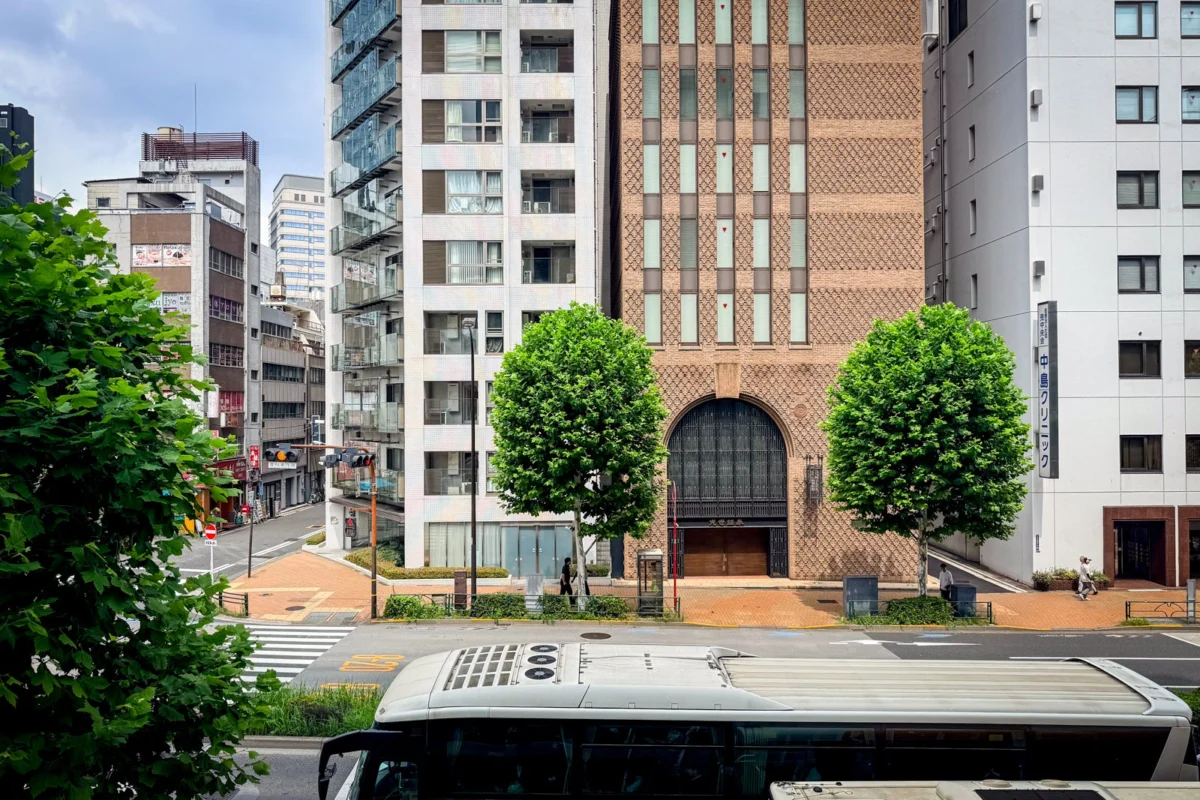
The global hospitality landscape is undergoing a seismic shift as major hotel conglomerates pivot away from traditional luxury toward "lifestyle" brands that prioritize community, local culture, and functional design over formal white-glove service. One of World of Hyatt’s newest and most ambitious entries into this space is Caption by Hyatt. Designed to bridge the gap between select-service efficiency and boutique personality, the brand aims to be "of the community" rather than just a place to sleep. With only six properties currently operational worldwide, the brand’s debut in Japan—a market known for both its high-end hospitality and its notoriously expensive real estate—marks a significant milestone for Hyatt. After a multi-night stay at the two newest Japanese outposts, it is clear that Caption has successfully captured the essence of modern urban travel by offering high-style, low-cost alternatives in the heart of Tokyo and Osaka.
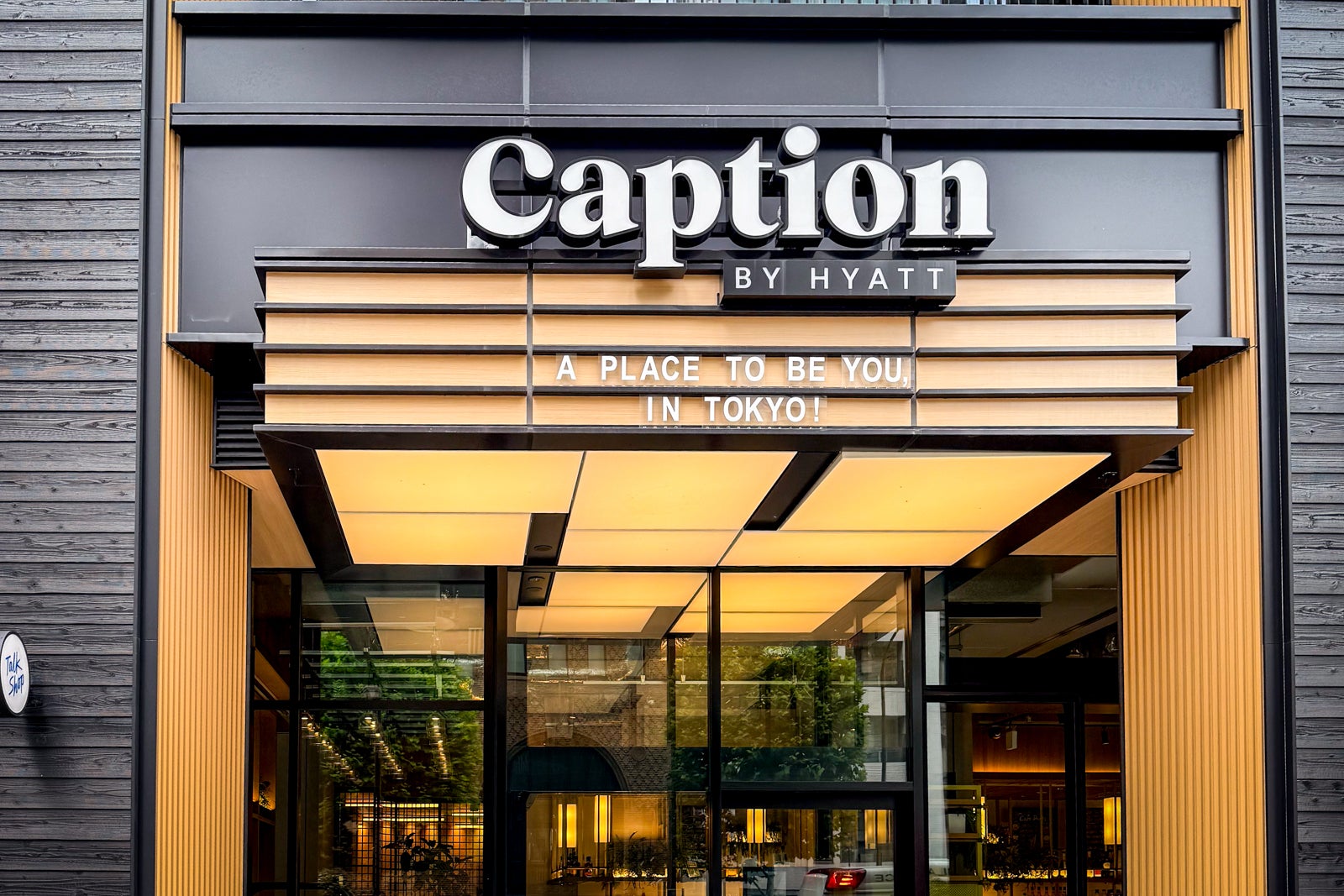
The philosophy behind Caption by Hyatt is centered on the "Talk Shop," a signature communal space that replaces the traditional, often sterile, hotel lobby. Hyatt describes these areas as lively, flexible hubs where the boundaries between a restaurant, coffee shop, bar, and co-working space are intentionally blurred. This concept is particularly relevant in Japan, where urban hotel rooms are famously compact, often driving guests to seek out third spaces for work or socialization. By positioning these hotels in high-traffic, culturally rich neighborhoods, Hyatt is betting that travelers will trade square footage in their rooms for a vibrant atmosphere downstairs.
The Tokyo Experience: Caption by Hyatt Kabutocho
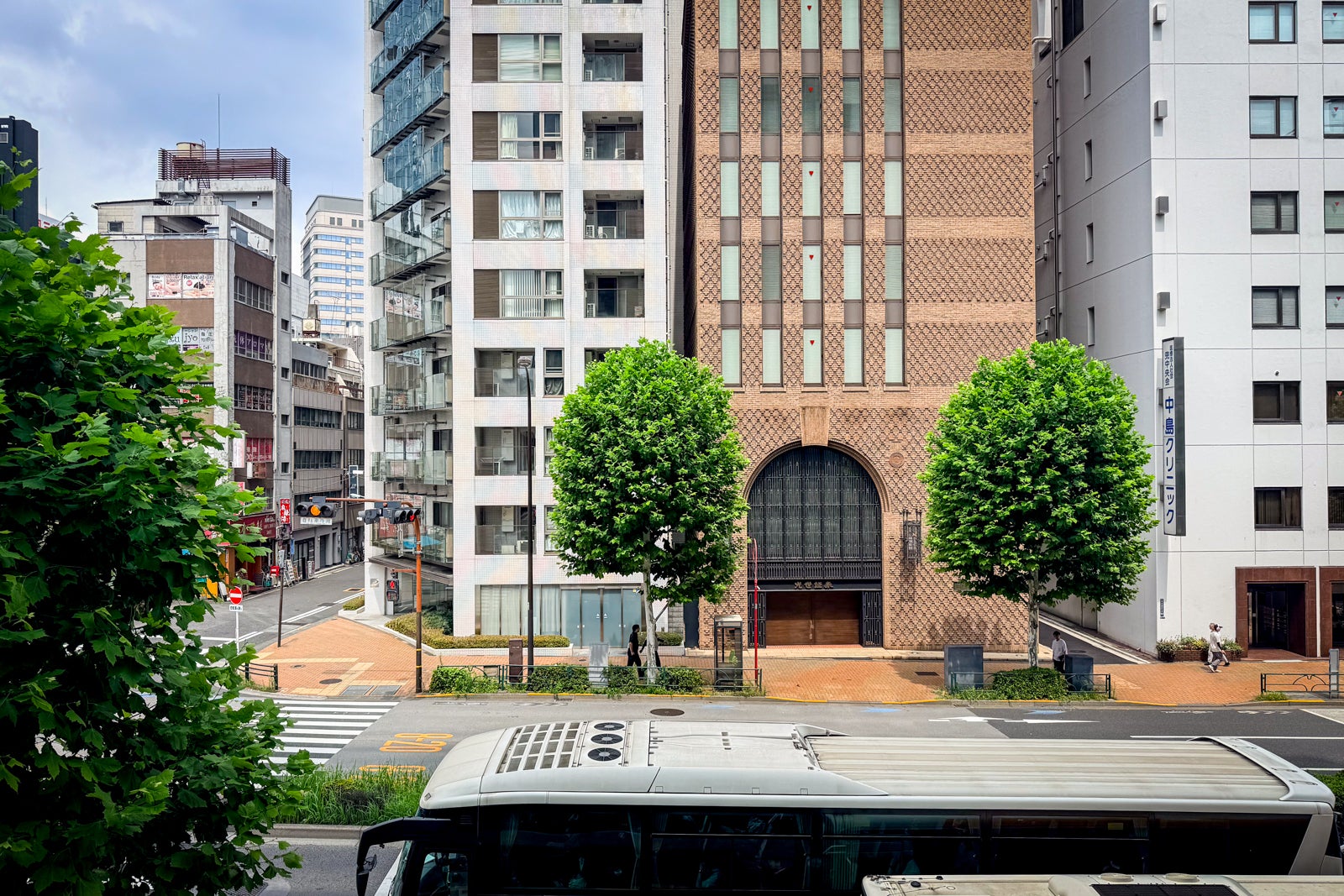
The Tokyo property, Caption by Hyatt Kabutocho, represents a strategic play in one of the city’s most rapidly evolving districts. Located in the Nihombashi area, Kabutocho was historically known as the "Wall Street of Japan," home to the Tokyo Stock Exchange and a cluster of legacy financial institutions. In recent years, however, the neighborhood has undergone a massive revitalization, transforming from a buttoned-up business district into a trendy enclave of artisanal bakeries, craft beer bars, and boutique galleries.
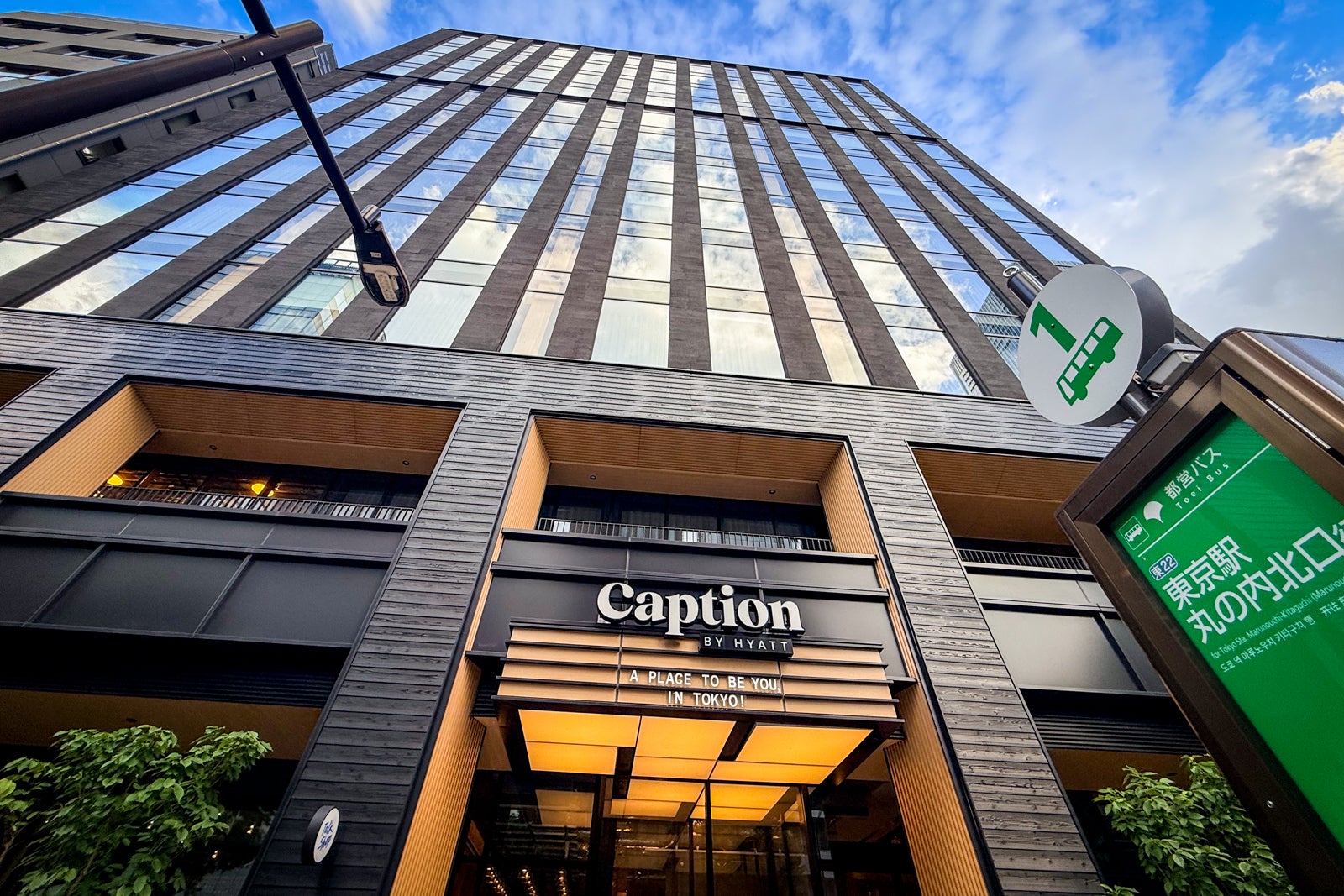
Opening its doors in late 2025, the Caption Kabutocho is a marvel of modern sustainable architecture. The building utilizes a low-carbon structure composed of a sophisticated wood-and-steel hybrid, a design choice that reflects a growing trend in Japanese urban planning toward environmental consciousness. This commitment to sustainability earned the property Tokyo’s first-ever DBJ Green Building Certification. For the eco-conscious traveler, this is more than just marketing; it is a tangible aspect of the stay, from the filtered water stations on every floor to the reduction of single-use plastics in the guest rooms.
The hotel features 195 guest rooms, including a singular suite. For World of Hyatt loyalists, particularly those with Globalist status, the property offers excellent value, though suite upgrades are rare due to the limited inventory. The standard rooms, ranging from 269 to 301 square feet, are remarkably efficient. While these dimensions might seem small by North American standards, they are generous for Tokyo’s mid-range market. The design aesthetic is "industrial-chic," characterized by exposed textures, clever storage solutions like pegboards for accessories, and large windows that offer sweeping views of the Tokyo skyline, including glimpses of the iconic Tokyo Tower.
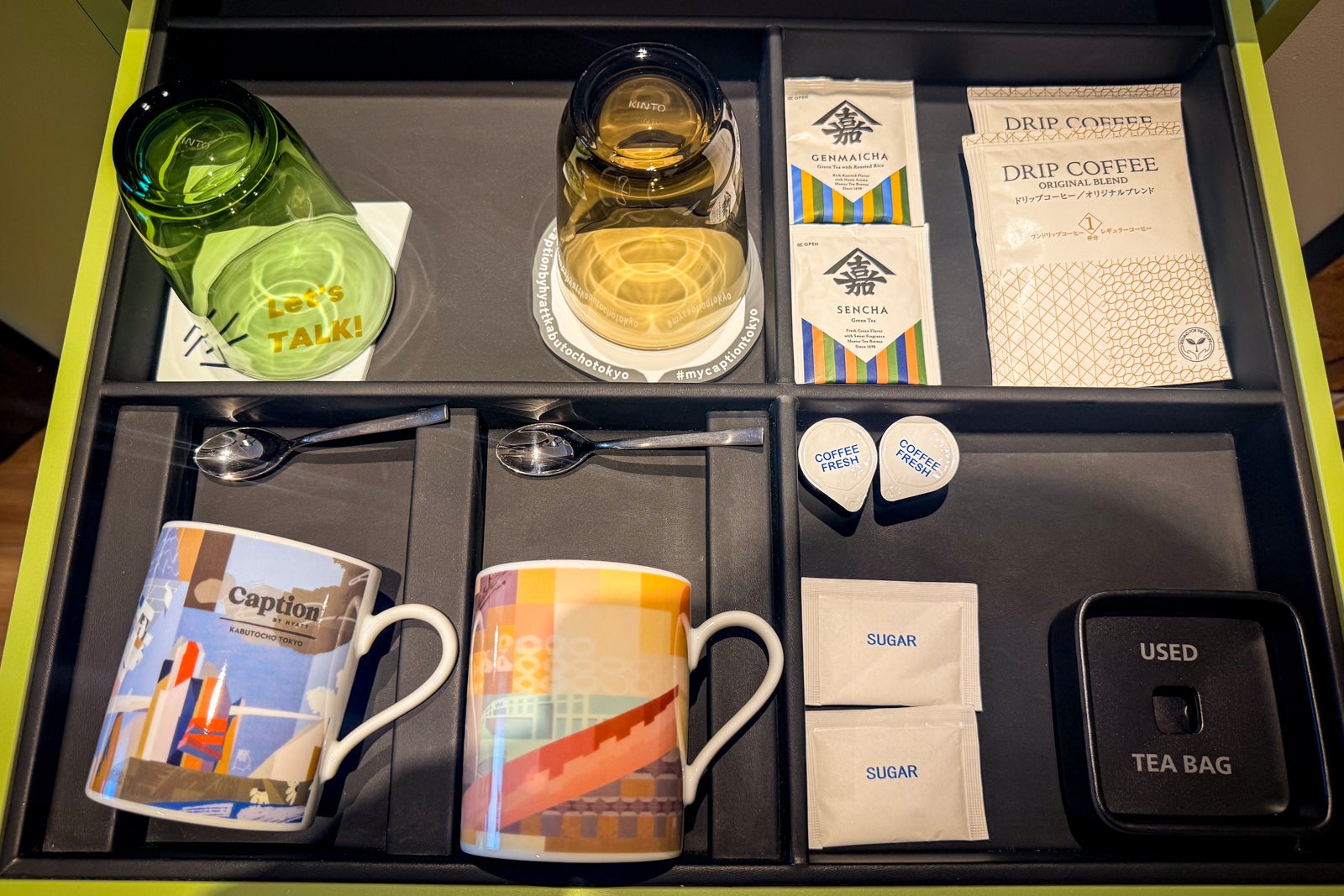
In-room amenities lean toward the practical and high-quality. The beds are outfitted with a variety of pillow densities to accommodate different preferences, and the inclusion of a humidifier—a staple in Japanese homes but often overlooked in Western hotel chains—ensures comfort during Tokyo’s dry winters. The bathrooms are equipped with full Toto bidet toilets, a quintessential Japanese luxury, and Apotheke-branded toiletries in large-format bottles to minimize waste.
The "Talk Shop" on the second floor serves as the hotel’s heartbeat. During the day, it is a focused co-working environment; by night, it transforms into a social lounge. The breakfast menu, priced between $17 and $20, offers a choice between traditional Japanese sets—typically featuring grilled fish, rice, and miso soup—and Western staples like overnight oats. One minor critique for the caffeine-dependent traveler is the current lack of espresso-based drinks, with the hotel relying on high-quality drip coffee.
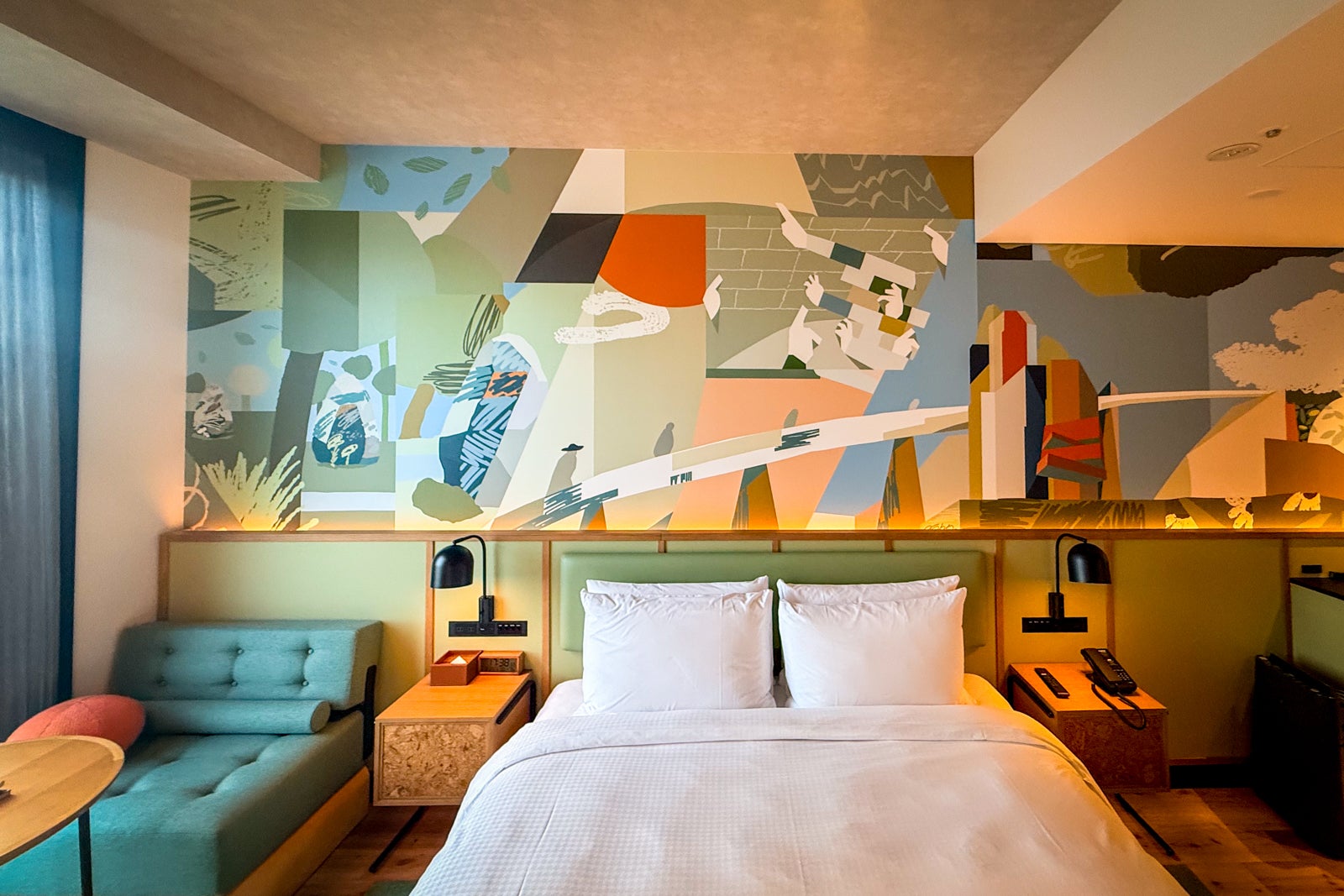
A notable moment during the Tokyo stay occurred at 2:00 a.m. when a 5.9-magnitude earthquake tremor shook the building. The hotel’s advanced seismic engineering meant that while the shaking was significant enough to trigger automated phone alerts, there was no structural damage or even a need for a general announcement. This incident highlighted the robustness of modern Japanese construction and the quiet efficiency of the hotel’s safety protocols.
The Osaka Experience: Caption by Hyatt Namba
Moving south to Osaka, the Caption by Hyatt Namba offers a starkly different vibe that mirrors the city’s reputation as "Japan’s Kitchen." Osaka is often viewed as the more outgoing, boisterous sibling to Tokyo, and the Namba neighborhood is its epicenter. The 167-room property is situated just a 15-minute walk from Dotonbori, the world-famous canal-side district known for its neon "Glico Running Man" sign and an endless array of street food vendors selling takoyaki (octopus balls) and okonomiyaki (savory pancakes).
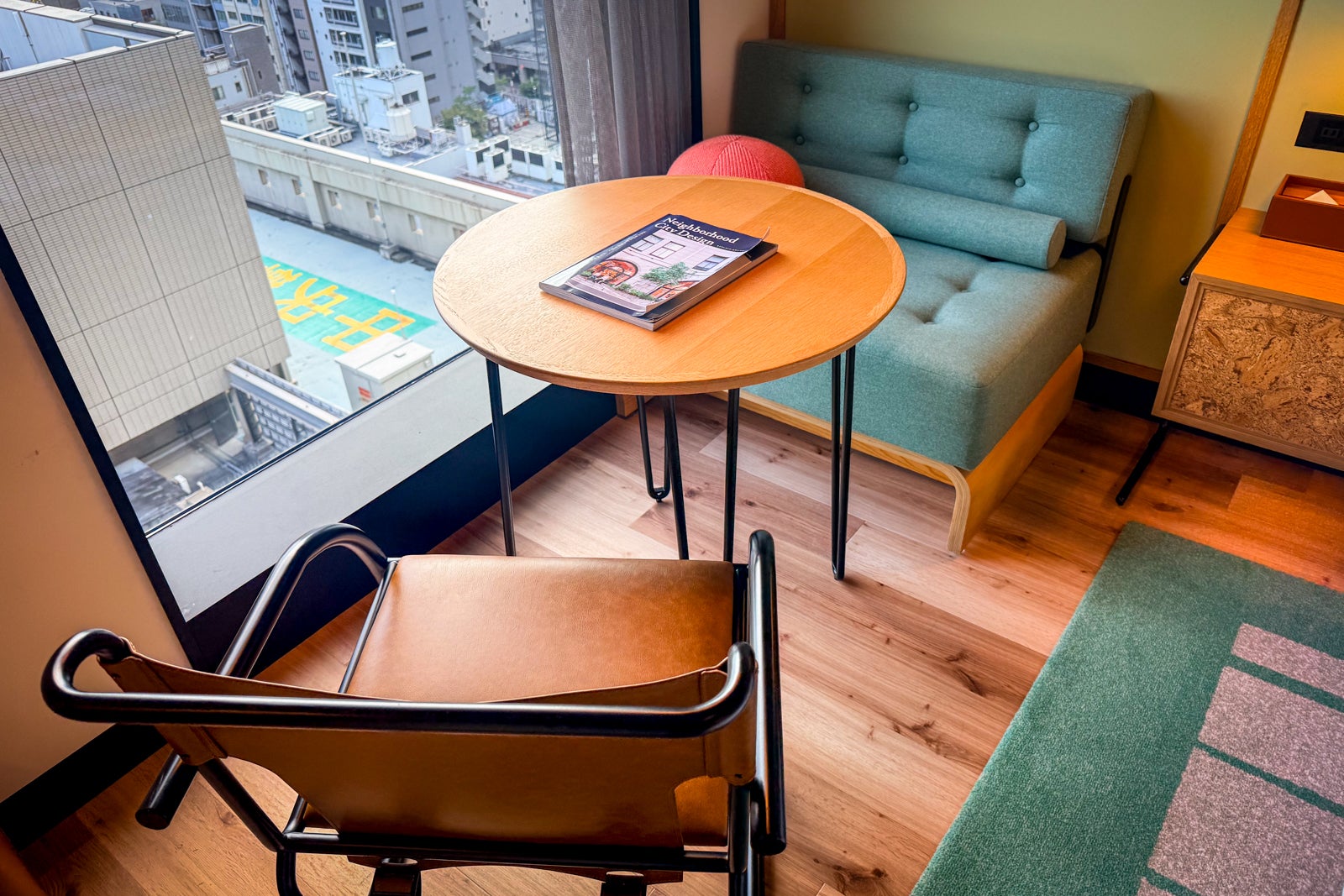
The Namba property excels in its hyper-local integration. The interior design incorporates "pop art" that pays homage to Osaka’s cultural quirks, including a clothing rack designed to resemble a samurai sword. While the rooms are slightly smaller and the beds a bit firmer than those in Tokyo, the functional layout remains consistent.
A standout feature for long-term travelers at the Osaka location is the inclusion of coin-operated laundry facilities on the second floor. In a city where many hotels charge exorbitant fees per item for dry cleaning, the ability to wash a full load for approximately $8 (detergent included) is a massive convenience. This reflects the brand’s understanding of its target demographic: active sightseers and "digital nomads" who value self-sufficiency.
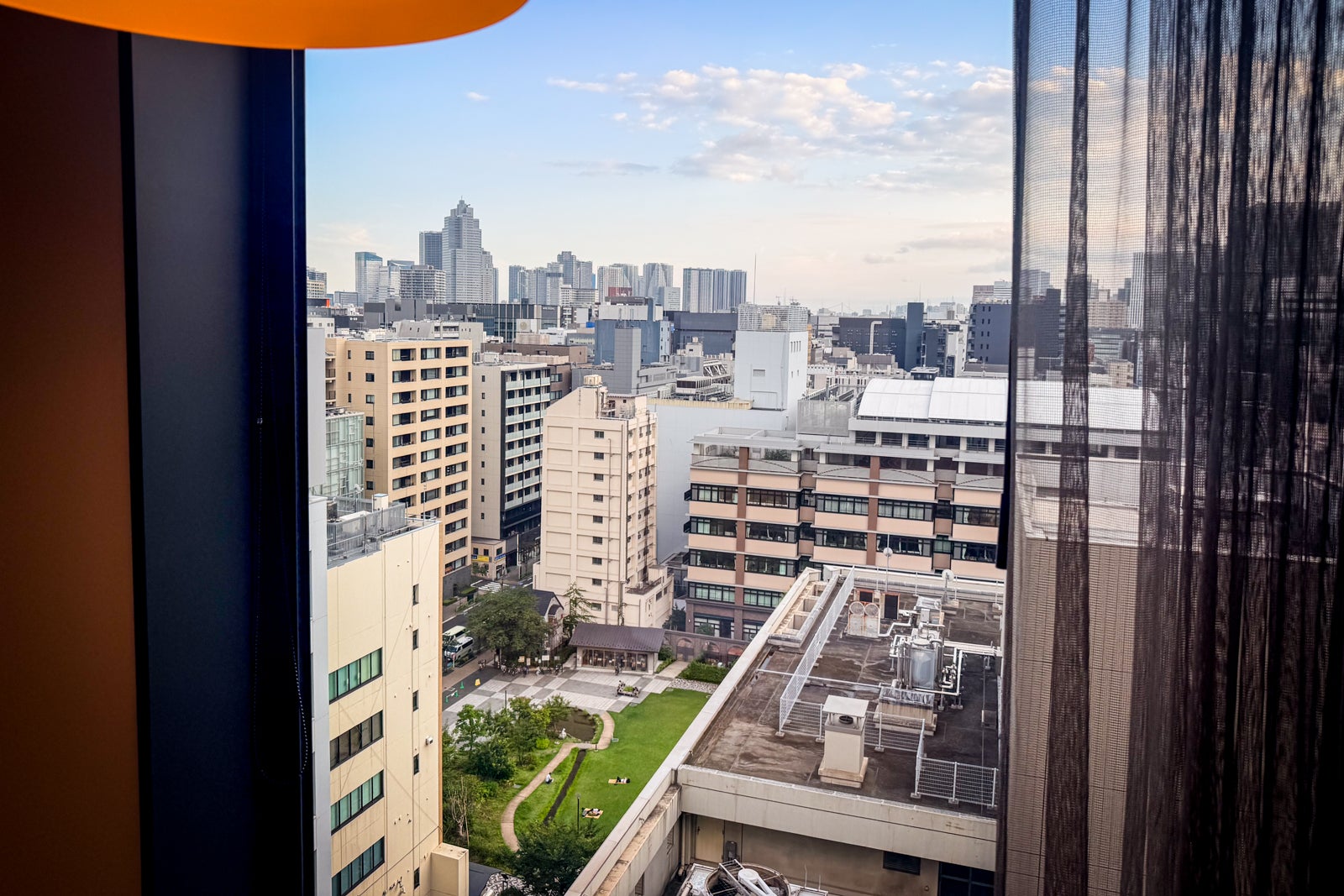
The "Talk Shop" in Osaka is even more expansive than its Tokyo counterpart, featuring a large outdoor terrace that provides a rare breath of fresh air in the dense Namba district. Despite being located in one of the noisier parts of the city, the building’s soundproofing is top-tier, ensuring that the chaos of the street remains outside.
Financial Analysis and Loyalty Value
From a value perspective, the Caption brand is a "sweet spot" for World of Hyatt members. The Tokyo Kabutocho property is classified as a Category 5, with point redemptions typically falling between 20,000 and 25,000 points per night. Cash rates fluctuate, but during high seasons, they can reach upwards of $270 per night, making point redemptions a solid, if not spectacular, use of rewards.
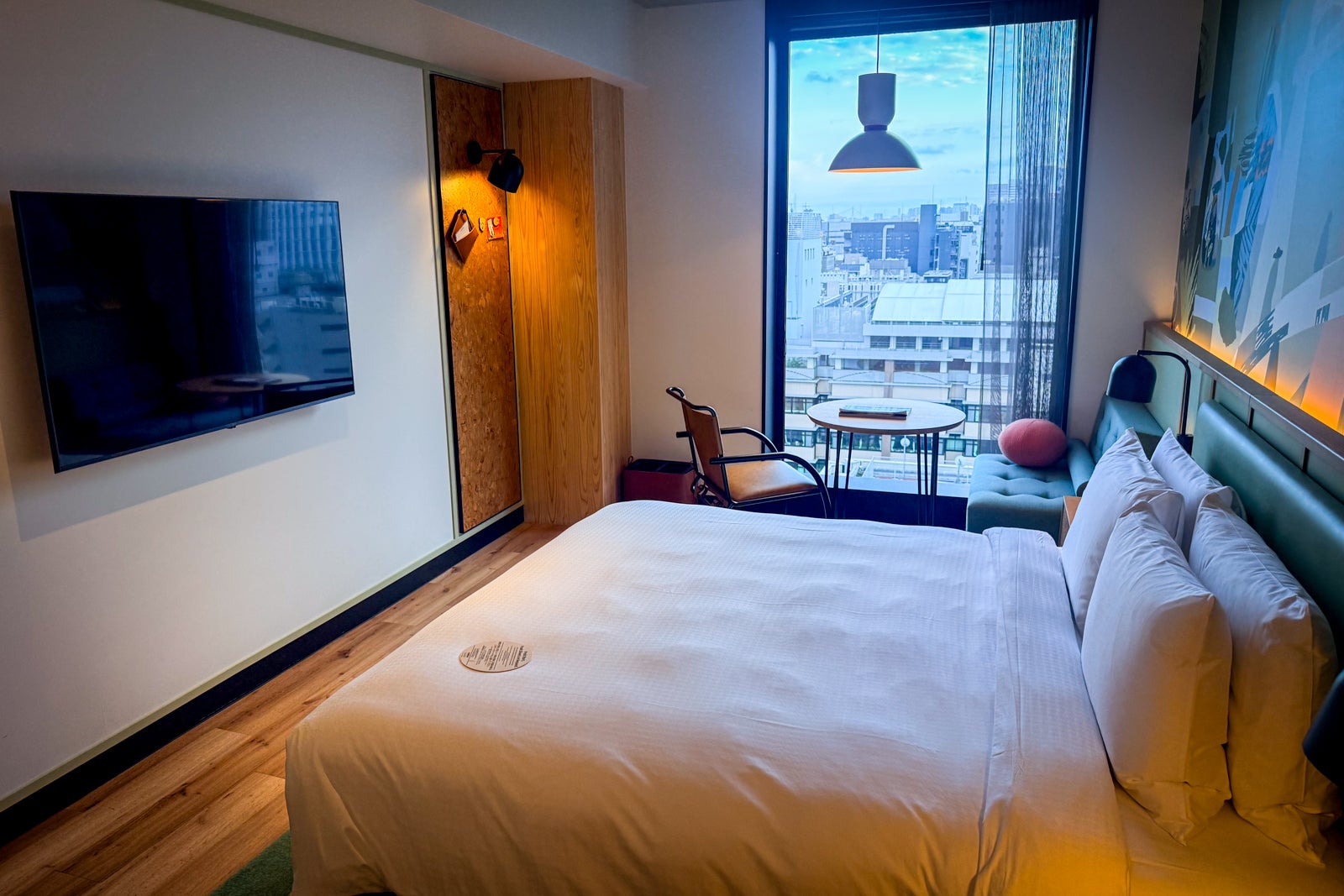
The Osaka Namba property, however, represents one of the best values in the entire Hyatt portfolio within Japan. As a Category 3 property, it can be booked for as few as 8,000 points per night during off-peak periods. With cash rates often hovering around $129, it provides an accessible entry point for travelers who want to maintain their Hyatt stay streaks without the luxury price tag of a Park Hyatt or an Andaz. Furthermore, it currently stands as the primary Hyatt option within the heart of Osaka, filling a critical gap in the brand’s regional footprint.
Expert Perspective: The Rise of the Lifestyle Hotel
Industry analysts suggest that the success of brands like Caption by Hyatt is tied to a broader trend of "traveler maturity." Modern tourists, particularly those returning to Japan for a second or third time, are less interested in the insulated luxury of grand hotels and more interested in "living like a local."
"The modern traveler views the hotel as a basecamp rather than a destination," says travel industry consultant Marcus Thorne. "They want high-speed Wi-Fi, a comfortable bed, and a great location. They don’t want to pay for a ballroom or a 24-hour concierge they will never use. Hyatt’s Caption brand strips away the fluff but keeps the design elements that make a stay feel special."
Moreover, both properties are fully wheelchair accessible, featuring ADA-compliant rooms, Braille signage, and lowered elevator buttons. This commitment to universal design is a significant factor in Japan, where older infrastructure can often be challenging for travelers with mobility issues.
Conclusion
The expansion of Caption by Hyatt into Tokyo and Osaka is a well-timed move that capitalizes on Japan’s ongoing tourism boom. By focusing on sustainability, community-centric design, and strategic locations, Hyatt has created a product that appeals to the pragmatic yet style-conscious traveler.
While those seeking the traditional "Omotenashi" (Japanese hospitality) of a high-end Ryokan or a five-star luxury tower might find the self-check-in kiosks and compact rooms a bit too minimalist, the majority of urban explorers will find exactly what they need. Caption by Hyatt Kabutocho Tokyo and Caption by Hyatt Namba Osaka offer a compelling narrative: that budget-friendly travel does not have to mean sacrificing soul or substance. Whether it is the low-carbon timber of Tokyo or the neon-soaked convenience of Osaka, these hotels prove that Hyatt’s newest brand has a very bright future in the Land of the Rising Sun.
