
 By admin
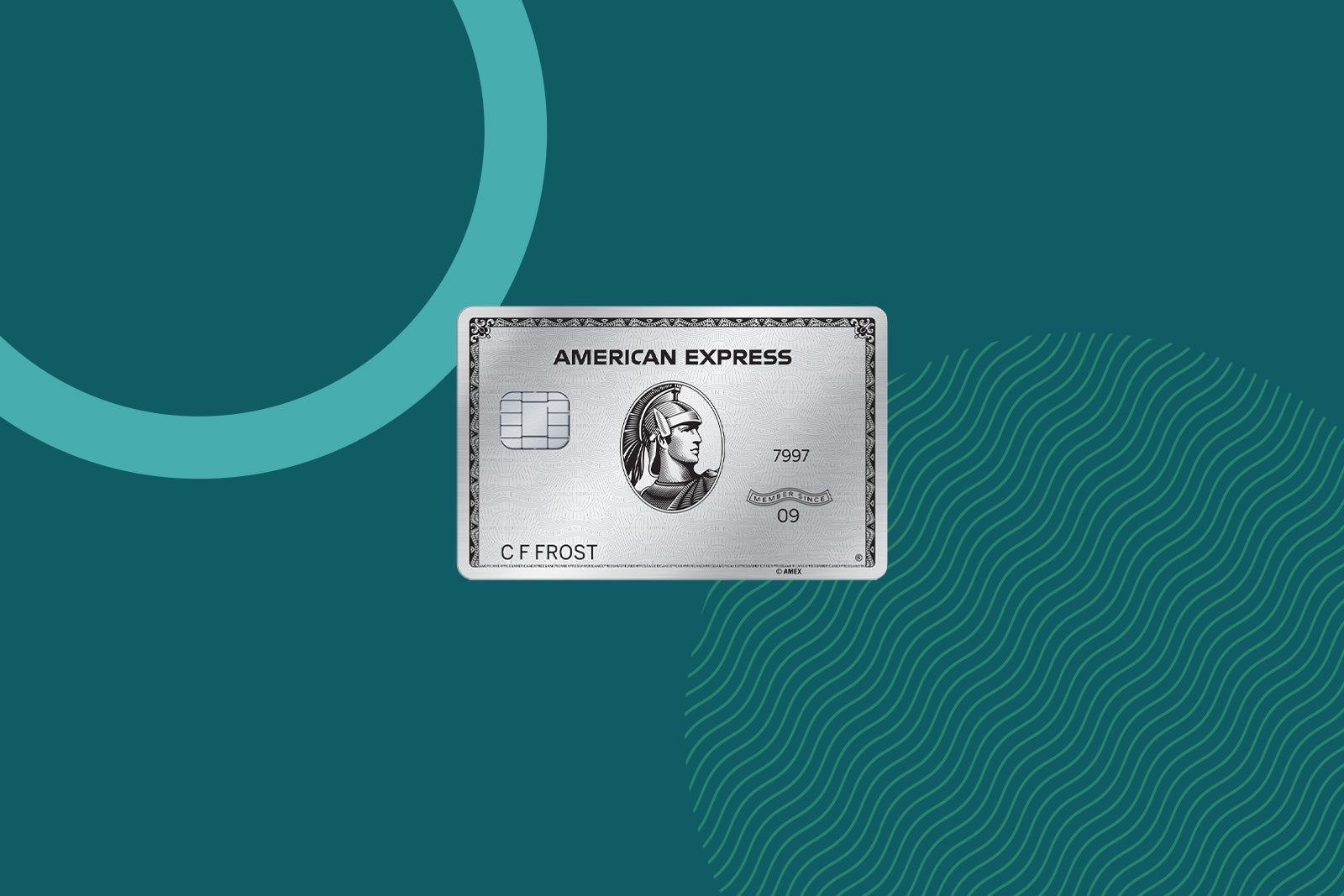
The decision to add an authorized user to a high-end travel credit card is rarely just about sharing a line of credit; it is a strategic move designed to maximize the return on a significant annual investment. For many cardholders, the American Express Platinum Card® serves as the cornerstone of their travel strategy, offering a suite of benefits that often outweighs its substantial $895 annual fee. However, unlike some of its competitors that offer free or lower-cost authorized user options, American Express has shifted its fee structure, charging $195 for each additional Platinum cardmember. This shift necessitates a rigorous cost-benefit analysis to determine whether the individual perks granted to an authorized user justify the additional expense.
The Strategic Utility of Authorized Users
In the broader context of credit card management, adding an authorized user serves several primary purposes. First and foremost is the acceleration of rewards. When an authorized user makes a purchase, the points earned—usually in the form of American Express Membership Rewards—accrue to the primary cardholder’s account. This is particularly beneficial when attempting to meet the substantial minimum spending requirements of a welcome offer, such as the current opportunity to earn up to 175,000 bonus points after spending $12,000 within the first six months. By consolidating household or family spending onto a single account, the primary cardholder can reach these milestones much faster than they would alone.

Beyond points, adding a child as an authorized user is a classic strategy for building the next generation’s financial foundation. American Express allows children as young as 13 to be added to an account. While the positive payment history is reported to credit bureaus once the child turns 18, the early exposure to responsible credit use can significantly bolster their future credit score, giving them a "head start" on major life milestones like securing an apartment or a car loan.
The Cost of Entry: Platinum vs. Companion Cards
It is essential to distinguish between the two types of additional cards American Express offers. The first is the "Companion Platinum Card," which carries no annual fee. While this card allows an additional person to spend on the account and helps build credit, it is essentially a "stripped-down" version of the Platinum experience. It does not grant lounge access, hotel status, or independent statement credits.
The second option is the "Additional Platinum Card," which costs $195 per person annually. This version is the focus of most high-frequency travelers, as it mirrors many of the premium benefits enjoyed by the primary cardholder. The question for most families and partners is whether the $195 entry fee for the full Platinum experience provides enough tangible value to offset the cost.
Lounge Access: The Crown Jewel of Benefits
For the frequent traveler, the American Express Global Lounge Collection is often the primary justification for the authorized user fee. An authorized Platinum cardmember receives their own access to Centurion Lounges, Priority Pass Select lounges (upon enrollment), Delta Sky Clubs (when flying Delta), and Plaza Premium lounges, even when traveling without the primary cardholder.
The economics of lounge access have become increasingly favorable for authorized users due to recent policy changes regarding guests. In the past, primary cardmembers could bring guests into Centurion Lounges for free. Today, unless the primary cardholder spends $75,000 or more annually on the card, they must pay a guest fee of $50 per adult and $30 per child (ages 2-17).
If a spouse or frequent travel companion is added as an authorized user for $195, they gain independent access. If that individual would have otherwise been a guest on four lounge visits per year, the $200 in saved guest fees ($50 x 4) already exceeds the $195 annual fee. This does not even account for the value of the food, beverages, and Wi-Fi provided within the lounge, which can easily save a traveler $30 to $50 per airport visit compared to terminal dining.

Furthermore, the access to Delta Sky Clubs adds another layer of value. While primary and authorized cardmembers are now limited to 10 annual visits (starting in 2025), having an authorized user allows a couple to enter together without the primary member paying a $50 guest fee for their partner. For a couple traveling together five times a year on Delta, the savings are significant.
Global Entry and TSA PreCheck: Immediate Recoupment
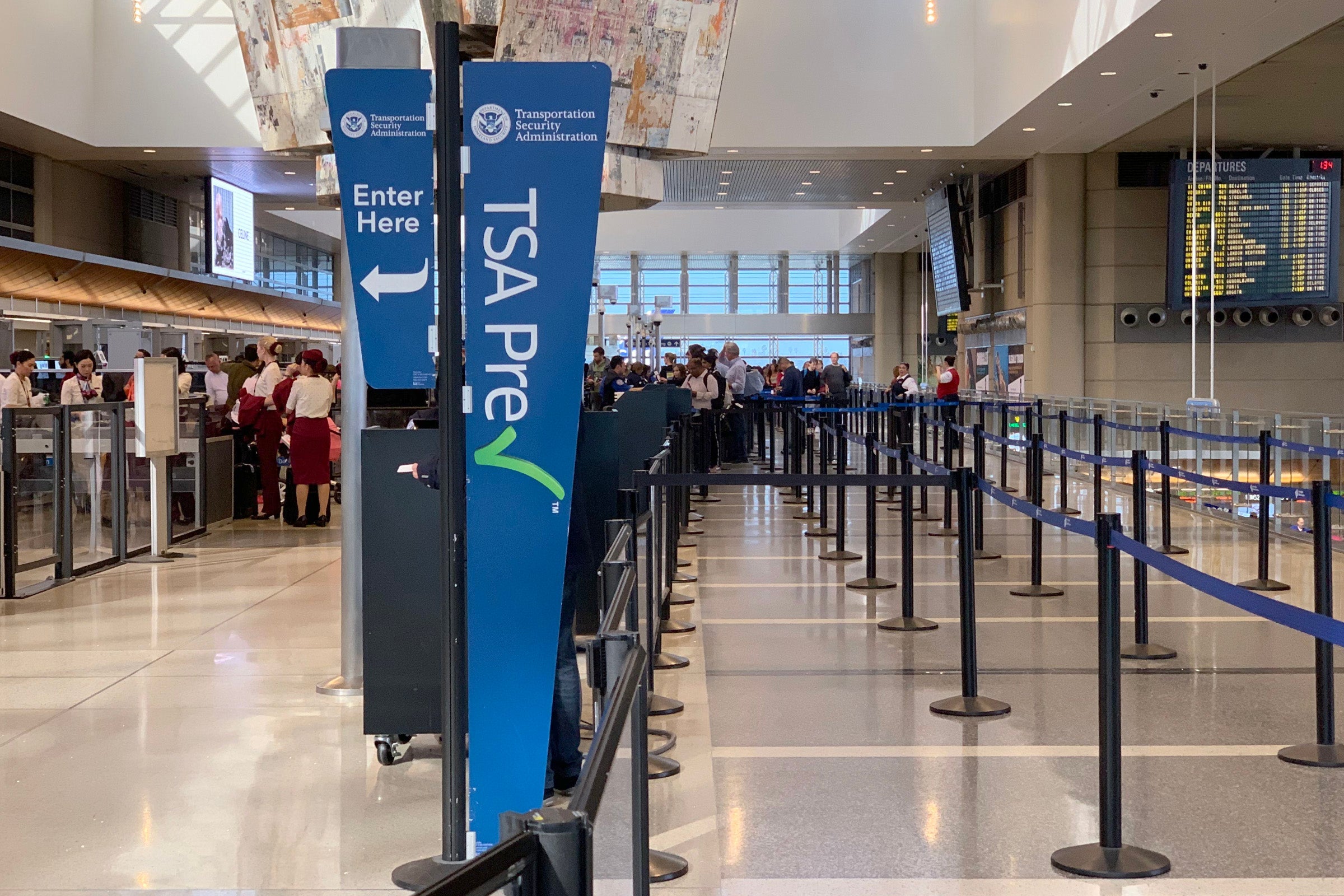
One of the most tangible "hard dollar" benefits for an authorized user is the statement credit for Global Entry or TSA PreCheck application fees. Every authorized user on an Amex Platinum account receives their own credit of up to $120 every four years for Global Entry or $85 for TSA PreCheck.
If an authorized user is added and immediately applies for Global Entry, the $120 credit effectively reduces their first-year "net cost" from $195 to just $75. This is one of the few benefits that is not shared across the account but is granted individually to each cardholder, making the first year of authorized user membership an easy financial decision for anyone lacking these credentials.

Elite Status and Enhanced Hotel Stays
Authorized users also receive complimentary Gold status with both Marriott Bonvoy and Hilton Honors. In the world of hotel loyalty, Gold status is the "sweet spot" where meaningful benefits begin. At Hilton properties, this status includes a daily food and beverage credit (in the U.S.) or continental breakfast (internationally), as well as space-available room upgrades and a 80% bonus on base points earned. At Marriott, it offers 2 p.m. late checkout and enhanced Wi-Fi.
Additionally, authorized users can book through the Fine Hotels + Resorts (FHR) program. This is a significant perk for independent travelers. An FHR booking includes daily breakfast for two, a guaranteed 4 p.m. late checkout, and a $100 property-specific experience credit (usually for spa or dining). If an authorized user takes just one solo weekend trip and stays at an FHR property, the $100 credit and the value of two breakfasts (often $30–$50 each at luxury hotels) can nearly cover the entire $195 annual fee in a single stay.
Shared Credits: Maximizing the Account’s "Coupon Book"
While many perks are individual, several of the Amex Platinum’s famous statement credits are shared across the account. These include:
- $200 Airline Fee Credit: For incidental charges like checked bags or lounge day passes on a selected airline.
- $200 Hotel Credit: For prepaid bookings via Fine Hotels + Resorts or The Hotel Collection (two-night minimum).
- $300 Equinox Credit: For eligible memberships or the Equinox+ app.
- $189 CLEAR Plus Credit: For expedited airport security.
- $240 Digital Entertainment Credit: For services like Disney+, Hulu, and The New York Times.
Because these credits are capped per account, having an authorized user doesn’t increase the total dollar amount available, but it does make it much easier to exhaust the credits. For instance, if the primary cardholder does not live near an Equinox gym but the authorized user does, the authorized user’s membership charges will trigger the $300 credit, ensuring the household doesn’t "leave money on the table."
What is Missing? The Limitations of Authorized Status
It is equally important to understand what authorized users do not receive. Most notably, they do not get their own $200 annual Uber Cash credit. The Uber benefit is strictly tied to the primary card and can only be deposited into one Uber account. If an authorized user adds the Platinum card to their Uber app, they will not see the $15 monthly credit unless they are the first to have linked it.
Additionally, authorized users do not receive their own welcome offer. Their spending contributes to the primary cardholder’s goals, but they do not get a separate cache of points for joining. This is a key distinction from "referring" a friend to open their own separate account, which would net them a full welcome bonus but cost them the full $895 annual fee.

The Final Verdict: Is it Worth It?
The decision to pay $195 for an authorized user comes down to a simple "Value vs. Cost" matrix. For a casual traveler who only flies once or twice a year and rarely uses airport lounges, the $195 fee is likely an unnecessary expense. However, for a regular traveler, the math is overwhelmingly positive.
To determine if it is worth it for your specific situation, ask the following:
- Will the authorized user visit an Amex Centurion or Delta Sky Club at least four times a year? (Value: $200+)
- Does the authorized user need to renew or apply for Global Entry? (Value: $120)
- Will the authorized user stay at a Hilton or Marriott property where Gold status perks will be utilized? (Value: $50–$200)
- Will the authorized user help maximize shared credits (like the Equinox or Airline credit) that the primary user would otherwise ignore? (Value: Up to $500+)
If the answer to two or more of these questions is "yes," the $195 fee is not just a cost; it is a discounted entry into a luxury travel ecosystem. By carefully leveraging lounge access, individual fee credits, and hotel elite status, an authorized user can easily extract $500 to $1,000 in annual value from a card that costs them less than $200. For the modern traveler, that is a ROI that is difficult to ignore.
