
 By admin
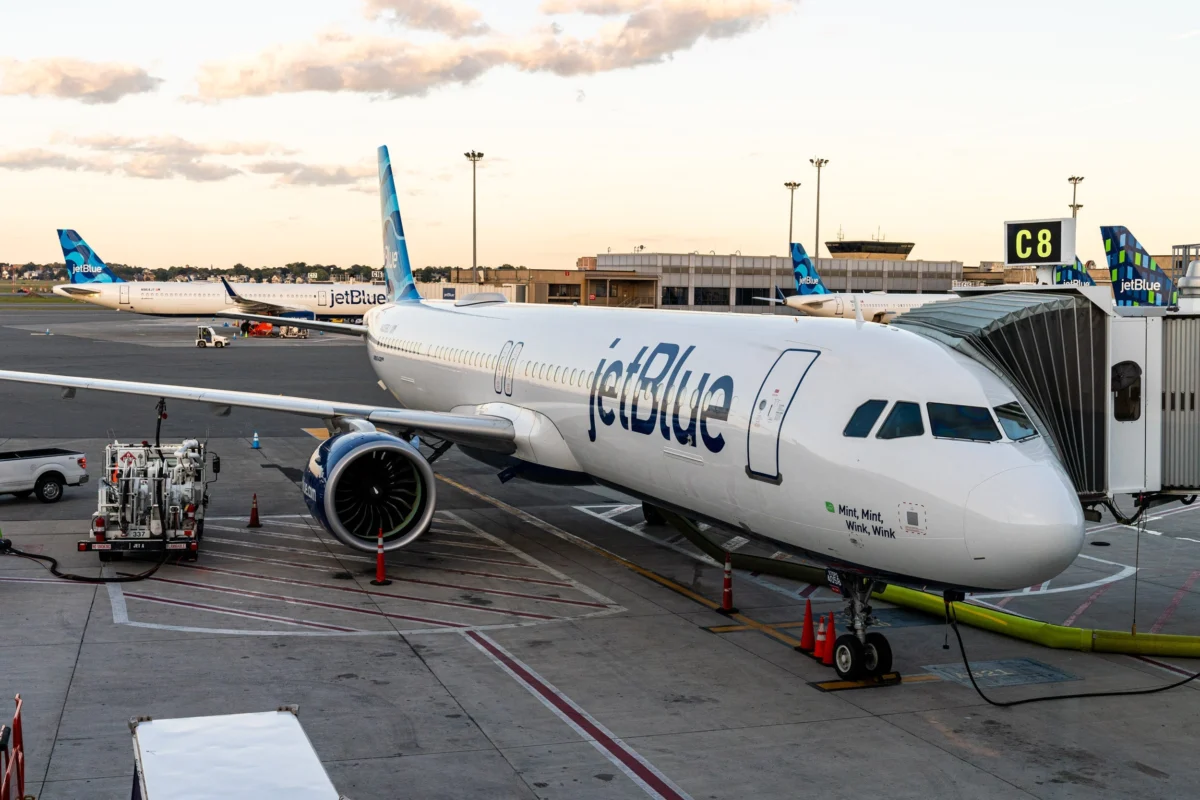
The significance of Fort Lauderdale-Hollywood International Airport to JetBlue’s current stability cannot be overstated. Long serving as the airline’s primary gateway to the Caribbean and Latin America, FLL has become the testing ground for JetBlue’s refined network strategy. By late 2026, the airline has successfully optimized its schedule to prioritize high-margin "bread and butter" routes, moving away from the speculative expansion into mid-continent markets that characterized its pre-2024 growth. Instead, JetBlue has doubled down on its strengths, leveraging FLL as a fortress hub that connects the Northeast corridor—Boston, New York, and Philadelphia—to leisure destinations across the Americas. This geographic concentration has allowed JetBlue to achieve higher aircraft utilization rates and better economies of scale, contributing to a significant turnaround in its operating margins which had faced immense pressure during the early 2020s.
Central to this resurgence is the full realization of the JetForward initiative, a comprehensive program designed to deliver between $800 million and $900 million in incremental EBIT (earnings before interest and taxes) by the end of 2026. This strategy was born out of necessity following the blocked merger with Spirit Airlines and the dissolution of the Northeast Alliance with American Airlines. In the years since, JetBlue’s leadership has focused on four critical pillars: reliability, profitability, loyalty, and the premium experience. By November 2026, the airline’s on-time performance has seen a marked improvement, largely due to a $100 million investment in infrastructure and technology at its main hubs, including a major overhaul of its ground handling operations at FLL. These operational enhancements have not only boosted passenger satisfaction but have also reduced the millions of dollars previously lost to flight cancellations and delays.
The evolution of JetBlue’s fleet has played an equally vital role in its 2026 success story. The airline has navigated the challenging waters of the Pratt & Whitney Geared Turbofan (GTF) engine issues that grounded a significant portion of its A321neo fleet in 2024 and 2025. Through aggressive negotiation for compensation and a meticulous maintenance schedule, JetBlue has returned its grounded aircraft to service while simultaneously accelerating the retirement of its aging Embraer E190 fleet. By late 2026, the transition to the Airbus A220-300 is nearly complete, providing the airline with a more fuel-efficient, versatile narrow-body aircraft that is perfectly suited for thinner routes that still require a premium cabin experience. The A220’s lower seat-mile costs have been a cornerstone of the airline’s ability to remain competitive against ultra-low-cost carriers (ULCCs) while maintaining its signature "Even More Space" and "Mint" offerings.
In the realm of passenger experience, 2026 marks a historic turning point for JetBlue with the successful rollout of its first-ever airport lounges. The highly anticipated lounges at New York’s John F. Kennedy International Airport (JFK) and Boston Logan International Airport (BOS) have redefined the JetBlue brand for the modern era. While Fort Lauderdale is slated for a lounge expansion in early 2027, the impact of these amenities is already being felt in the airline’s loyalty metrics. By offering a dedicated space for its most frequent flyers and "Mint" business-class passengers, JetBlue has successfully increased the "stickiness" of its TrueBlue loyalty program. The integration of the JetBlue credit card ecosystem, managed through its partnership with Barclays, has seen record-high engagement levels. This ancillary revenue stream—driven by co-branded credit card spending—now accounts for a substantial portion of the airline’s net income, providing a financial cushion against the inherent volatility of jet fuel prices and labor costs.
Industry analysts have noted that JetBlue’s pivot toward a "premium-hybrid" model has allowed it to carve out a unique niche in a bifurcated domestic market. On one side, legacy carriers like Delta and United have captured the high-end corporate traveler, while on the other, ULCCs like Spirit and Frontier compete on price. JetBlue, particularly in the 2026 landscape, has found its sweet spot by offering a premium product—its award-winning Mint suites—at a more accessible price point than legacy first-class offerings, while still providing the most legroom in coach for leisure travelers. This "human-centric" approach to air travel has resonated particularly well in the South Florida market, where a diverse demographic of travelers seeks both value and comfort.

Furthermore, the airline’s international expansion from FLL has matured significantly. JetBlue now operates a robust schedule to over 25 destinations in the Caribbean and Latin America from Fort Lauderdale, including expanded service to Mexico, Colombia, and the Dominican Republic. The use of the Airbus A321LR (Long Range) has also allowed the airline to explore "long-thin" routes that were previously unreachable, further diversifying its revenue streams away from the highly competitive domestic transcontinental market. By focusing on markets where it has high brand awareness and a strong customer base, JetBlue has avoided the pitfalls of over-expansion that plagued its competitors in the post-pandemic era.
However, the road to late 2026 has not been without its challenges. The airline industry continues to grapple with rising labor costs, and JetBlue has had to navigate complex contract negotiations with its pilots and flight attendants to ensure labor peace while maintaining cost discipline. The 2026 fiscal year saw a stabilized labor environment, but the pressure to maintain competitive wages in a high-inflation economy remains a constant concern for the executive team. Additionally, JetBlue has stayed committed to its sustainability goals, increasing its investment in Sustainable Aviation Fuel (SAF) and carbon-offsetting initiatives. In late 2026, the airline announced a new partnership with a Florida-based biofuel startup to secure a consistent supply of SAF for its FLL operations, aiming to reduce its carbon footprint by 15% over the next five years.
The broader economic context of November 2026 also plays a role in JetBlue’s current positioning. With a stabilizing interest rate environment and resilient consumer spending on experiences over goods, the demand for leisure travel has remained robust. JetBlue has capitalized on this trend by refining its "Blue Basic" and "Blue" fare structures, ensuring that it remains an attractive option for budget-conscious families while simultaneously upselling premium services to those willing to pay for extra comfort. This sophisticated revenue management system, powered by advanced AI and machine learning, has allowed the airline to maximize its load factors—often exceeding 85% on key routes out of Fort Lauderdale.
As we look toward the future, JetBlue’s strategy appears increasingly focused on digital transformation. The airline’s mobile app and onboard Wi-Fi—which remains free for all passengers—have become integral parts of the travel experience. In 2026, JetBlue introduced a new "seamless journey" feature that integrates ground transportation, baggage tracking, and personalized destination recommendations into a single interface. This tech-forward approach not only enhances the passenger experience but also provides the airline with valuable data to further personalize its marketing efforts and drive loyalty.
The image of a JetBlue aircraft taking off from FLL on this November day is more than just a routine departure; it is a testament to an airline that refused to be defined by its setbacks. By leaning into its core strengths, embracing a premium-heavy future, and maintaining a laser-like focus on operational excellence, JetBlue has transformed itself from a struggling carrier into a resilient industry leader. The strategic decisions made in the wake of 2024’s challenges have paid off, positioning the airline to navigate the uncertainties of the late 2020s with confidence. Whether it is through the expansion of its Mint service, the success of its new airport lounges, or its dominant position in the South Florida gateway, JetBlue Airways has proven that a commitment to "bringing humanity back to air travel" is not just a slogan, but a sustainable business model for the modern age. As the airline looks toward 2027, the horizon appears bright, marked by continued innovation, financial stability, and a deep-seated connection to the communities it serves across the Americas.
