
 By admin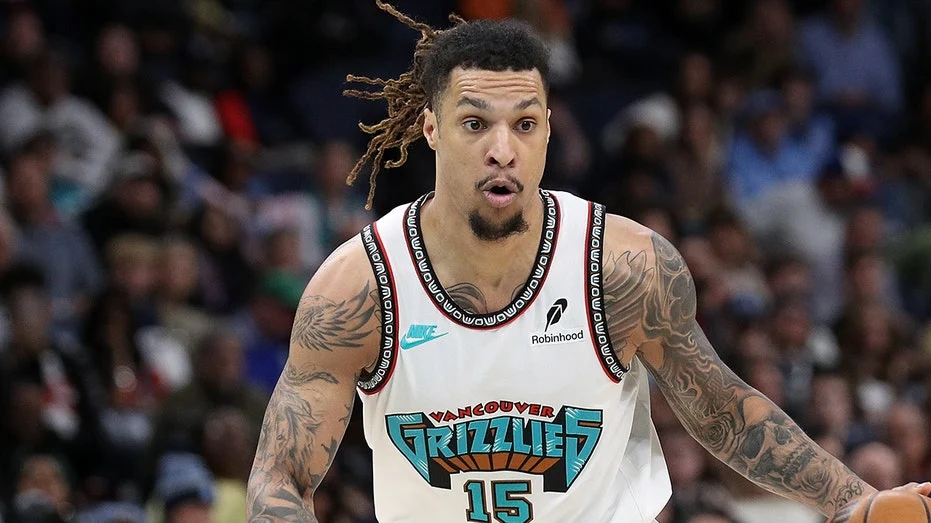
The basketball world was plunged into mourning Friday with the official confirmation that Brandon Clarke, a promising forward for the Memphis Grizzlies, died on May 11 from an accidental overdose of heroin and cocaine. The Los Angeles County Department of Medical Examiner’s findings, released on Friday, revealed the tragic cause of death for the 29-year-old athlete. Authorities discovered drug paraphernalia at his Los Angeles home, underscoring the devastating impact of substance abuse.
Clarke’s untimely passing sent shockwaves through the NBA, a league that has grappled with the issue of player addiction and mental health in the past. His career, though tragically cut short, was marked by flashes of brilliance and a dedication to the game. Drafted by the Oklahoma City Thunder in 2019 as the 21st overall pick, his rights were quickly traded to the Memphis Grizzlies. This move proved beneficial for both parties, as Clarke immediately made his presence felt. His standout performance in the 2019 NBA Summer League, where he earned MVP honors, marked him as a player to watch. As a native of Vancouver, he became only the second non-American player to achieve this distinction, highlighting his international appeal and talent.
For seven seasons, Clarke was an integral part of the Grizzlies roster, primarily contributing as a vital spark plug off the bench. His energy, defensive intensity, and surprising offensive efficiency made him a fan favorite and a valuable asset to the team’s rotation. He carved out a niche for himself as a reliable player who could change the momentum of a game with his hustle and athleticism.
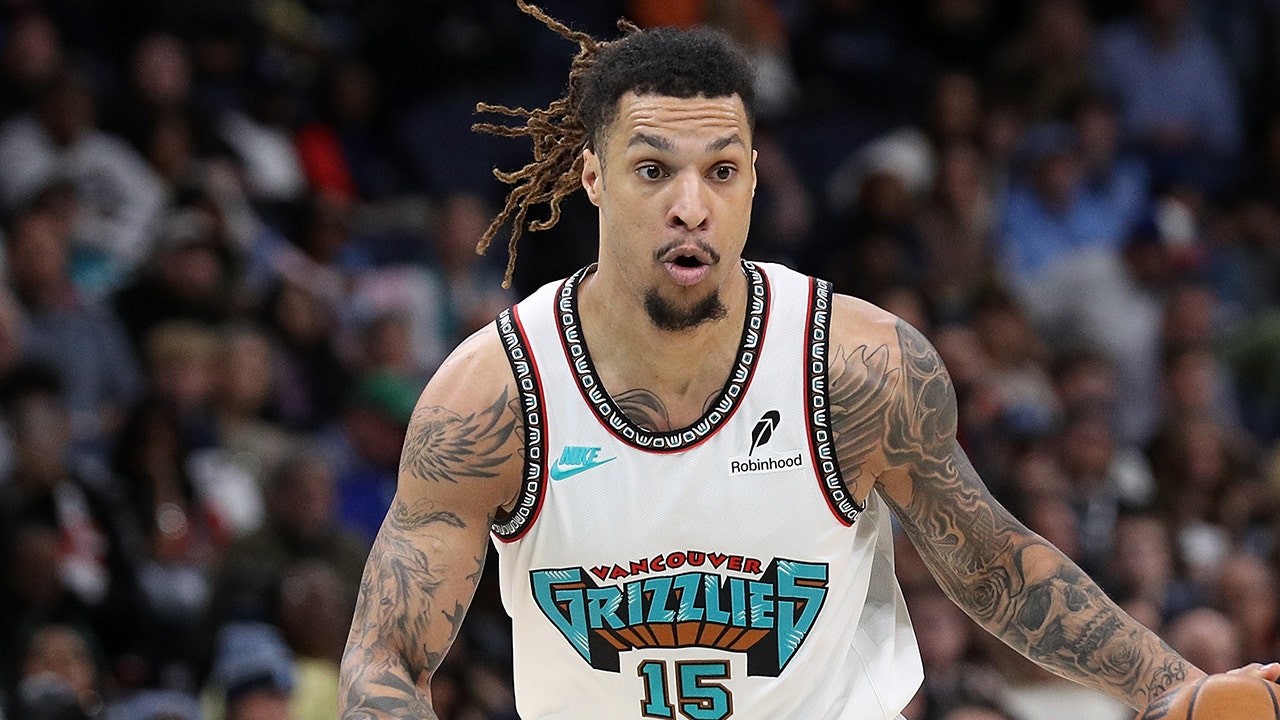
The 2023-2024 season, however, proved to be a challenging one for Clarke, both on and off the court. He played in a mere two games, initially sidelined by surgery to address an issue with his right knee. This was followed by a right calf strain that significantly hampered his ability to compete, forcing him to miss the vast majority of the season. This period of rehabilitation and uncertainty likely added to the pressures he was facing. While the team announced in March that he was still undergoing treatment and required more time to heal, the expectation was that he would be ready to return for the following season. This anticipated comeback now serves as a poignant reminder of the potential that was tragically lost.
Beyond his on-court contributions, Clarke’s life was also touched by legal troubles. In April, he was arrested in Arkansas on a string of charges, including improper passing, possession of a controlled substance, fleeing from law enforcement, exceeding the speed limit, and trafficking a controlled substance. His court appearance was scheduled for May 15, just days after his death. This arrest raised concerns about his well-being and hinted at potential underlying issues that may have been contributing to his struggles. The intersection of athletic pressure, personal challenges, and substance abuse is a complex and often devastating one, a reality that has tragically been underscored by Clarke’s death.
Clarke’s journey to the NBA began at Gonzaga University, where he showcased his immense talent and developed into a formidable player. His collegiate success translated directly into his professional career, as he earned a spot on the 2019-20 NBA All-Rookie team. During his debut season, he averaged an impressive 12.1 points, 5.9 rebounds, and 1.4 assists per game, demonstrating his versatility and immediate impact on the league. Over his 309 career games, he averaged 10.2 points, 5.5 rebounds, and 1.3 assists in an average of 20.8 minutes per contest, solidifying his reputation as a consistent and valuable contributor.
The loss of Brandon Clarke is a profound tragedy, not only for his family, friends, and the Memphis Grizzlies organization but also for the broader NBA community. It serves as a stark reminder of the pervasive nature of addiction and the importance of mental health support within professional sports. Athletes, like all individuals, face immense pressures and personal struggles, and the spotlight of professional sports can often exacerbate these challenges. The conversation surrounding substance abuse and mental well-being in the NBA has gained increasing prominence in recent years, with players and organizations actively working to destigmatize these issues and provide greater resources for those in need.
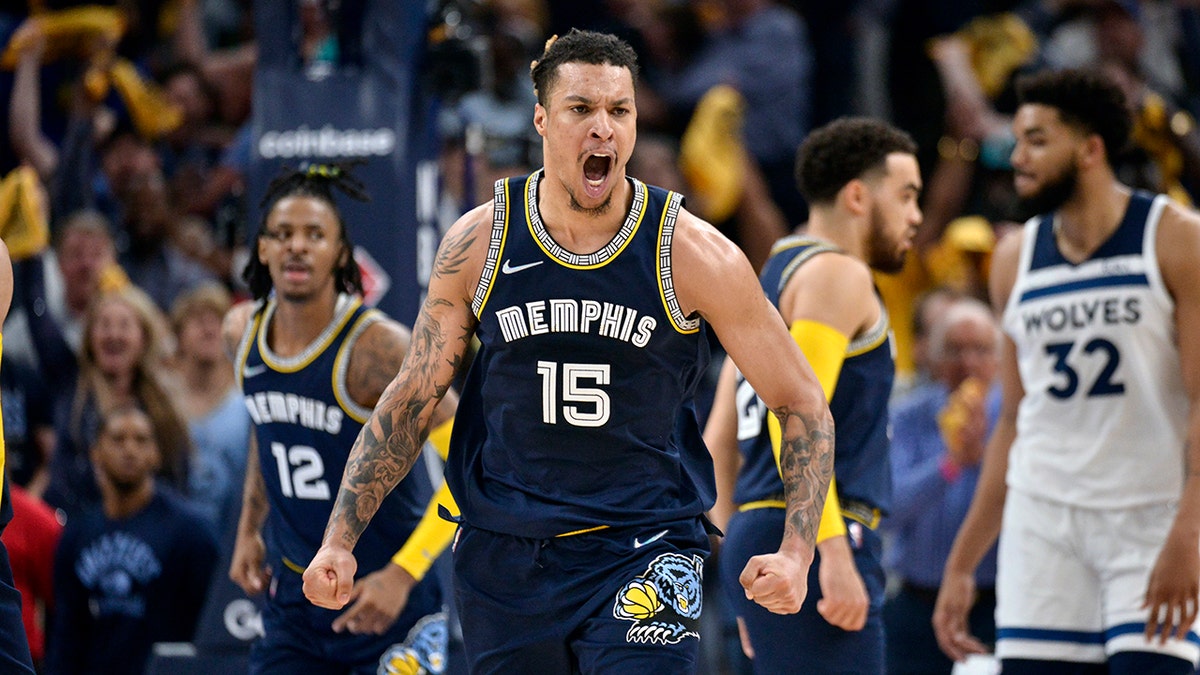
The official cause of death being an accidental overdose from heroin and cocaine is particularly heartbreaking, given the devastating impact these substances have had on communities worldwide. The discovery of drug paraphernalia further emphasizes the grim reality of the situation and raises questions about the circumstances leading up to his death. Investigations into the specifics of his substance use and potential contributing factors will likely continue, though the immediate focus remains on mourning his loss and supporting his loved ones.
The narrative of Clarke’s final months also includes his struggle with injuries. The extensive rehabilitation required for his knee and calf injuries likely presented a significant physical and emotional challenge. The inability to participate fully in the sport he loved, coupled with the pressures of recovery, could have contributed to a decline in his mental state, potentially making him more vulnerable to substance abuse. The complex interplay between physical health, mental well-being, and external pressures is a critical area of concern for athletes at all levels.
The Grizzlies organization, known for its strong team culture and player support, is undoubtedly reeling from this loss. Clarke was a teammate, a friend, and a significant part of their team’s identity. The club will need to navigate this difficult period with compassion and provide support to his former teammates and staff, many of whom will have shared a deep connection with him. The outpouring of condolences from across the league underscores the respect and admiration that Clarke garnered during his relatively short but impactful career.
The implications of Clarke’s death extend beyond the immediate grief. It reignites the ongoing dialogue within the NBA about player wellness programs, access to mental health resources, and the proactive identification and support of athletes who may be struggling. While the league has made strides in these areas, tragedies like this highlight the persistent need for comprehensive and accessible support systems. The role of education, early intervention, and fostering an environment where players feel comfortable seeking help are paramount.

The circumstances surrounding Clarke’s death also bring into focus the broader societal issues related to drug addiction. The opioid crisis and the pervasive availability of dangerous substances continue to devastate families and communities. While Clarke was a public figure, his struggle with addiction is a reflection of a larger public health crisis that demands continued attention and resources.
As the Memphis Grizzlies and the NBA community continue to process this profound loss, the legacy of Brandon Clarke will undoubtedly be one of a talented athlete whose life was tragically cut short. His contributions on the court, his potential for future growth, and the memory of his impactful presence will be cherished. However, his death also serves as a somber reminder of the hidden battles that many face and the critical importance of compassion, support, and open dialogue surrounding mental health and addiction in professional sports and beyond. The path forward for the Grizzlies and the league will involve honoring Clarke’s memory while redoubling efforts to ensure the well-being of all its athletes. The news serves as a tragic testament to the fragility of life and the devastating consequences of substance abuse, leaving an indelible mark on the NBA landscape.
