
 By admin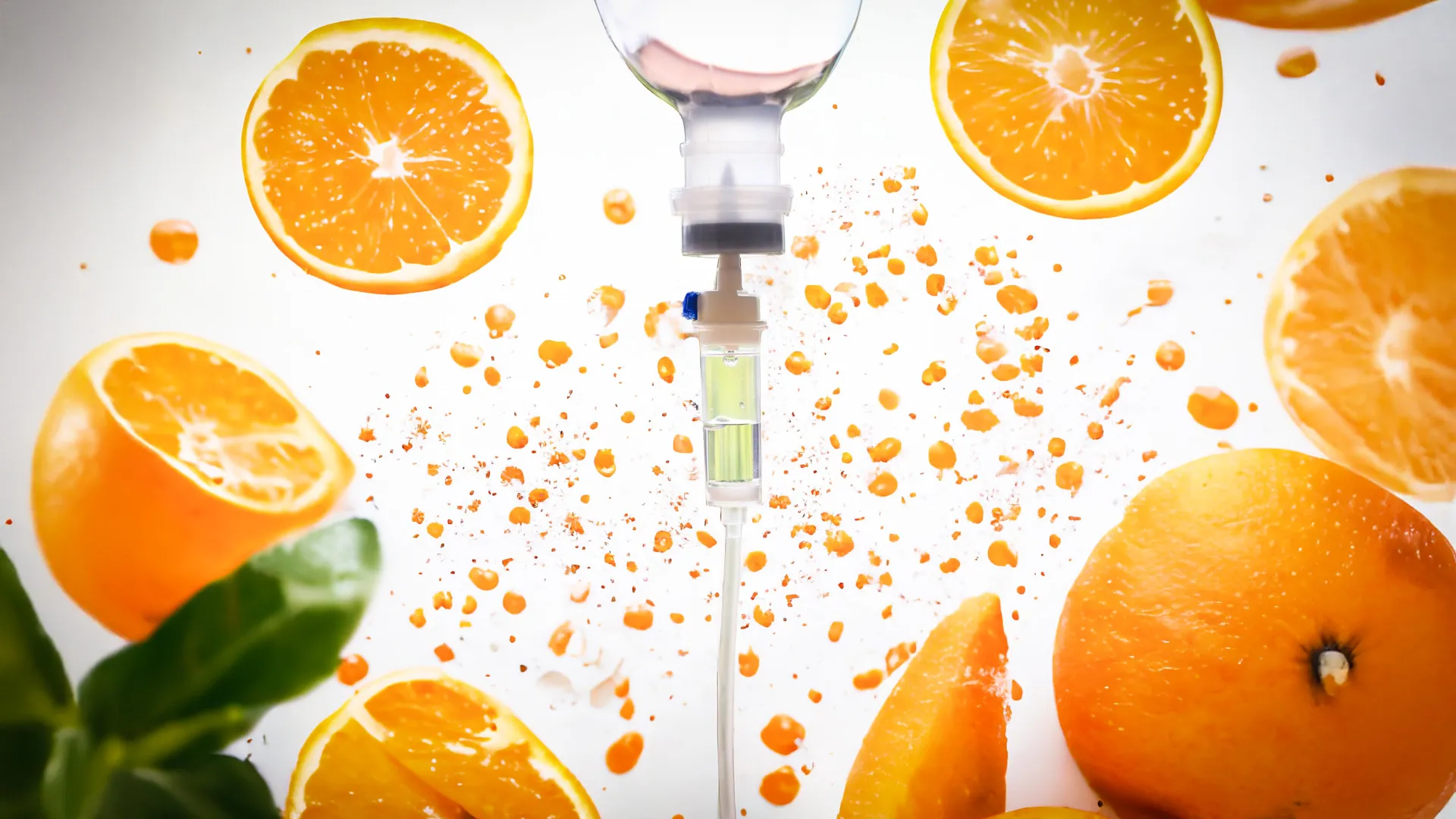
However, late in his extraordinarily distinguished career, Pauling became famous for something strikingly different and considerably more controversial: his passionate, unwavering belief that very high doses of vitamin C could not only prevent but also cure a wide array of diseases, most notably cancer. This pronounced shift into nutritional science, particularly his claims about vitamin C, bewildered and often alienated much of the mainstream medical community. Many doctors and scientists scoffed, viewing his advocacy as a tragic misstep from a once-unquestionable genius. When Pauling himself ultimately succumbed to prostate cancer at the age of 93 in 1994, his personal battle with the disease, despite his lifelong devotion to high-dose vitamin C, was widely cited as a classic cautionary tale of the "halo effect." This cognitive bias suggests that exceptional expertise in one domain does not automatically confer wisdom or authority in another, implying that even a mind as brilliant as Pauling’s could be fallible outside its core area of expertise.
Yet, half a century after Pauling first championed his ideas, the narrative surrounding vitamin C and cancer is proving to be far more intricate and less definitive than once believed. Modern scientific inquiry is beginning to suggest that while Pauling was indeed wrong in some significant aspects of his hypothesis, he was not entirely mistaken. Contemporary research, employing sophisticated methodologies unavailable in his time, is giving vitamin C a serious second look in the context of cancer therapy. It turns out that under specific, carefully controlled conditions, this ubiquitous nutrient can behave less like a gentle dietary supplement and more like a potent, targeted pharmaceutical agent, capable of influencing cancer cells in unexpected ways.
Pauling’s journey into the therapeutic potential of vitamin C for cancer began in earnest in the early 1970s. It was during this period that he forged a critical collaboration with Dr. Ewan Cameron, a Scottish surgeon who had been independently exploring the use of high-dose vitamin C in his terminally ill cancer patients. Together, they embarked on a series of observational studies. Cameron administered massive amounts of vitamin C—initially via intravenous (IV) drip directly into a vein, followed by sustained high oral doses as tablets—to patients suffering from advanced, incurable cancers for which conventional treatments had failed. Their reports, published in reputable journals like the Proceedings of the National Academy of Sciences, made astonishing claims. Compared to historical control groups of similar patients who did not receive vitamin C, the vitamin-treated group reportedly experienced significantly longer survival times and marked improvements in their overall quality of life. For some individuals, they suggested, survival could be extended several-fold, offering a glimmer of hope where none had previously existed. These findings, coupled with Pauling’s immense scientific stature, generated considerable excitement and optimism among the public and some corners of the medical community.
The medical establishment, however, demanded rigorous, reproducible evidence. To put Pauling and Cameron’s claims to the test, two large, meticulously designed clinical trials were conducted by the Mayo Clinic, a globally recognized non-profit academic medical center in the United States, renowned for its commitment to evidence-based medicine. The results of these trials, published in the New England Journal of Medicine in 1979 and 1985, were unequivocal and devastatingly clear: there appeared to be no discernible benefit. Patients who received high-dose vitamin C pills lived no longer and experienced no better quality of life than those who received a placebo. For the vast majority of oncologists and the broader scientific community, these conclusive negative findings marked the definitive end of the matter. Vitamin C was swiftly filed away alongside other "alternative" or unproven remedies, and Pauling’s late-career crusade was largely dismissed as a regrettable, if well-intentioned, scientific blunder, further solidifying the "halo effect" critique.
What neither the critics nor many of the defenders of Pauling’s original hypothesis fully appreciated at the time, and what proved to be a pivotal distinction, was the critical difference in the route of administration. Pauling and Cameron’s initial, purportedly successful regimen began with intravenous infusions of vitamin C, followed by oral tablets. Crucially, the definitive Mayo Clinic trials exclusively utilized oral vitamin C tablets. This seemingly minor difference in delivery mechanism holds immense pharmacokinetic significance. The human gut possesses a finite capacity to absorb vitamin C. Through active transport mechanisms, specifically sodium-dependent vitamin C transporters (SVCTs), the body carefully regulates the absorption of ascorbic acid. Once a modest daily dose, typically around 200-500 milligrams, is ingested, these transporters become saturated. Beyond this point, regardless of how many more tablets are swallowed, the amount of vitamin C absorbed into the bloodstream plateaus, reaching plasma concentrations that rarely exceed 200 micromolar. The body simply excretes the excess.
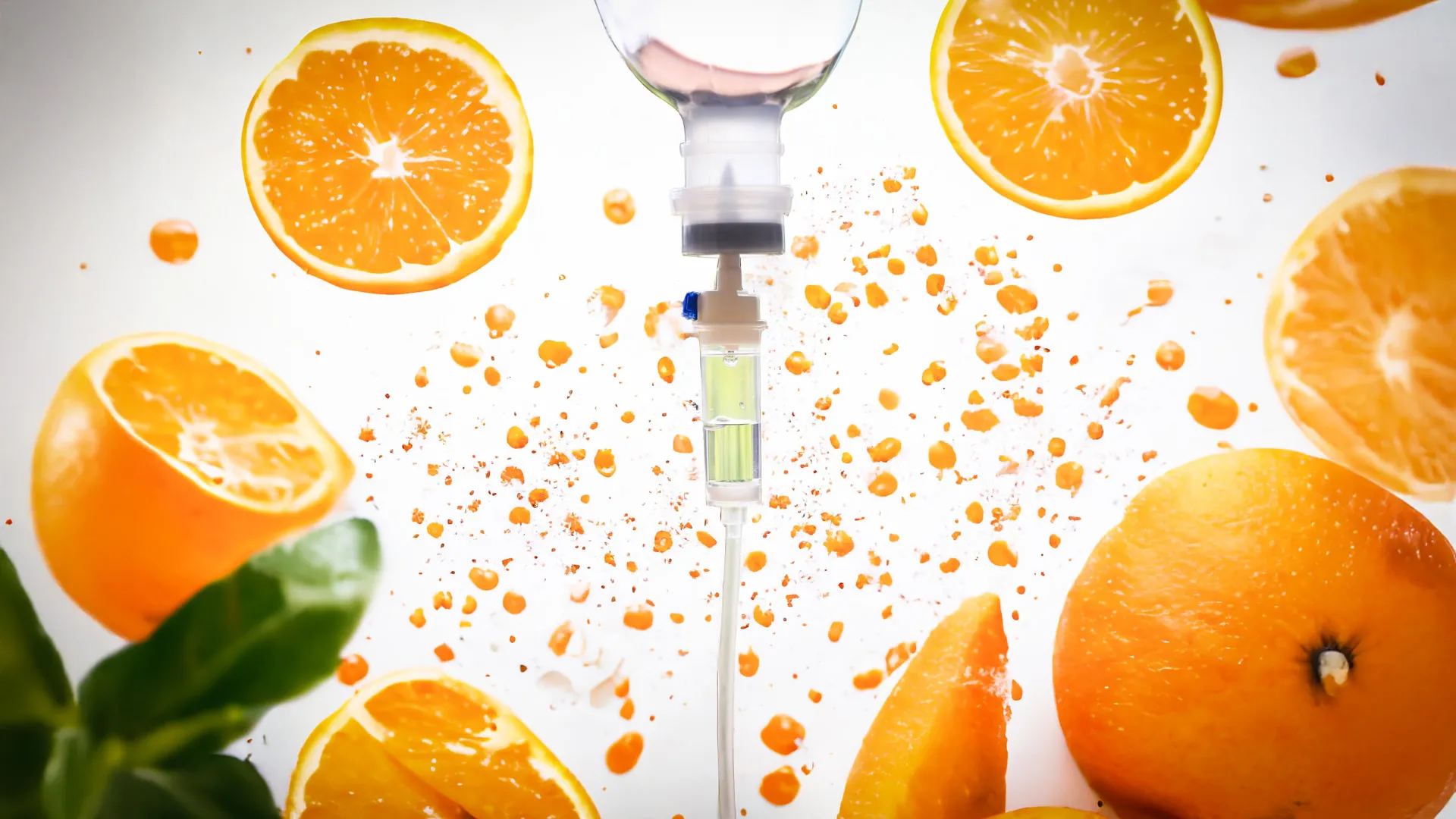
By stark contrast, direct intravenous administration completely bypasses the digestive system’s absorption limits. This method allows for the rapid delivery of massive doses of vitamin C directly into the bloodstream, enabling the attainment of supraphysiological, pharmacological concentrations that can be tens, or even hundreds, of times higher than those achievable with oral supplementation. Intravenous infusions can elevate plasma levels to millimolar ranges (e.g., 5-20 millimolar or even higher), concentrations previously thought to be unattainable or irrelevant. At these extreme, pharmacological levels, vitamin C undergoes a profound shift in its biochemical behavior within the body, transitioning from its familiar role as a protective antioxidant to a surprisingly potent pro-oxidant, especially within the tumor microenvironment.
At physiological concentrations, the body leverages vitamin C primarily as a vital antioxidant. It readily donates electrons to neutralize harmful reactive oxygen species (ROS) and free radicals, thereby protecting cellular components like DNA, proteins, and lipids from oxidative damage. This is its well-established role in maintaining cellular health and preventing scurvy. However, at the profoundly elevated concentrations achieved through intravenous infusion, particularly in the presence of transition metals like iron and copper, which can be more abundant in and around tumor cells, vitamin C can participate in redox cycling reactions. These reactions lead to the generation of hydrogen peroxide (H2O2), a reactive substance that, in high concentrations, can become cytotoxic.
Cancer cells appear to be uniquely vulnerable to this sudden surge of hydrogen peroxide. Unlike healthy cells, tumor cells are often under immense metabolic stress. They grow rapidly and uncontrollably, frequently in regions with compromised blood supply, leading to hypoxia and nutrient deprivation. This frantic proliferation generates a substantial load of their own endogenous reactive oxygen species. Consequently, their internal "cleanup" or antioxidant defense systems—such as catalase, glutathione peroxidase, and superoxide dismutase—are often stretched thin, impaired, or overwhelmed in their efforts to manage this chronic oxidative burden. Add a sudden, externally generated pulse of hydrogen peroxide from high-dose IV vitamin C, and many cancer cells are pushed over the edge. The excess H2O2 inflicts severe oxidative damage to critical cellular components, including DNA, proteins, and the energy-producing machinery of mitochondria, ultimately triggering programmed cell death (apoptosis) or other forms of cellular demise. Normal, healthy cells, which operate under less metabolic strain and possess more robust and intact antioxidant defense mechanisms, are far better equipped to neutralize the transient increase in hydrogen peroxide, making them more likely to survive unscathed. In this sophisticated, targeted manner, very high doses of intravenous vitamin C behave less like a benign daily supplement and more like a weak, yet selective, chemotherapy drug, targeting cancer cells while largely sparing healthy tissues. Crucially, the therapeutic concentrations required for this pro-oxidant effect cannot be achieved by simply swallowing more vitamin C tablets.
In the realm of human clinical application, the evidence for high-dose intravenous vitamin C in cancer treatment is still considered early and somewhat mixed, but undeniably promising. Small-scale clinical trials have been conducted, administering high-dose IV vitamin C to patients battling particularly aggressive and hard-to-treat cancers, including ovarian, pancreatic, glioblastoma (a highly malignant brain tumor), and non-small cell lung cancer. These studies have primarily focused on assessing safety, tolerability, and preliminary efficacy signals. So far, the majority of patients have been able to receive large doses of vitamin C several times a week without experiencing serious adverse side-effects. However, it is imperative to note that problems can arise, particularly in individuals with pre-existing conditions such as impaired kidney function or rare inherited disorders like glucose-6-phosphate dehydrogenase (G6PD) deficiency, which can lead to hemolytic anemia under high oxidative stress. This underscores the critical point that high-dose intravenous vitamin C is a powerful medical intervention that requires careful patient selection and supervision by qualified medical professionals; it is emphatically not a harmless "wellness drip" to be indiscriminately offered on the high street.
While large-scale definitive trials are still needed, some intriguing signals have emerged from these smaller studies. A few investigations suggest that integrating vitamin C infusions alongside conventional chemotherapy regimens may modestly extend the lifespan for certain patients or significantly alleviate the debilitating side-effects associated with chemotherapy, such as fatigue, nausea, and pain. This improvement in quality of life is a consistent signal across multiple studies and represents a highly significant patient-centered outcome, even if it falls short of the sweeping "cure" that Pauling once envisioned. However, other studies have shown no clear benefit, highlighting the heterogeneity of cancer types, patient responses, and trial designs. The current body of evidence is characterized by its small sample sizes and diverse methodologies, preventing the drawing of firm, universally applicable conclusions.
Beyond the direct cytotoxic effects, laboratory work continues to hint at subtler, yet potentially powerful, roles for high-dose vitamin C. Research suggests that vitamin C is an essential cofactor for various enzymes, including the TET (ten-eleven translocation) family of dioxygenases. These enzymes play a crucial role in epigenetics, influencing how our DNA is "marked" (e.g., through demethylation) and subsequently read, thereby affecting gene expression. Vitamin C also impacts enzymes involved in histone modification and cellular responses to low oxygen conditions (hypoxia), all of which are critical processes in cancer development and progression. In some sophisticated in vitro and in vivo experiments, high vitamin C levels have been shown to make cancer cells grow less aggressively, promote their differentiation (making them less stem-like), and render them more sensitive to conventional treatments like chemotherapy and radiation. There are even early, albeit speculative, suggestions that vitamin C may help to "re-educate" the immune system, enhancing its ability to recognize and mount an effective attack against tumor cells, a burgeoning area of research in immuno-oncology.
So, was Linus Pauling ultimately right after all? The fairest and most scientifically nuanced answer is that he was partly right, for reasons he did not fully understand at the time, and he certainly exaggerated the immediate promise and universal applicability of his claims. He was unequivocally wrong to promote oral vitamin C tablets as a powerful, standalone cure for established cancer. Large, carefully conducted, and methodologically sound trials have consistently failed to demonstrate that swallowing high-dose vitamin C improves survival for people with existing cancer. He was also misguided in presenting vitamin C as a near-universal remedy for an expansive list of illnesses without sufficient scientific backing.
However, Pauling was not entirely wrong to suspect that vitamin C might possess a special, indeed unique, role in cancer treatment. He intuitively sensed, long before the sophisticated pharmacokinetic and mechanistic studies of today could definitively prove it, that very high doses delivered directly into a vein would behave fundamentally differently from ordinary dietary supplements. Modern research has now irrefutably confirmed that intravenous vitamin C achieves significantly higher and therapeutically relevant concentrations in the blood and tissues, and that these pharmacological levels exert distinct biological effects on cancer cells, including the generation of hydrogen peroxide.
What we do not yet possess, and what remains the critical missing piece, are large, definitive, well-designed randomized controlled trials demonstrating that high-dose intravenous vitamin C clearly and consistently prolongs life for the majority of cancer patients, either as a monotherapy or in combination with standard treatments. Until such robust evidence emerges, intravenous vitamin C for cancer should be considered an experimental therapy – promising enough to warrant continued rigorous study, but not yet proven enough to replace or delay established, evidence-based standard therapies. Any current use outside of well-designed clinical trials should occur only within carefully supervised medical settings, under the guidance of experienced oncologists, and certainly not in unverified clinics selling expensive "immune boosts" with unsubstantiated claims.
The broader "vitamins in cancer" story continues to evolve, with ongoing research into the roles of other nutrients like vitamin D and B3. If the complex and often contentious story of vitamin C and cancer teaches us anything, it is that the path of scientific progress rarely follows a straight, predictable line. It often involves a bold, sometimes controversial, initial idea, followed by flawed early studies, a fierce backlash and outright dismissal, and then, years or even decades later, a quieter, more careful, and scientifically rigorous return to the original question. Pauling may never be fully vindicated in the way he might have hoped, but neither was he simply deluded. In his immense enthusiasm and perhaps ahead of his time, he may have indeed glimpsed a sliver of profound truth about a simple molecule, long before the rest of the scientific community possessed the tools and understanding necessary to truly look for it.
